
Cocktail Dresses with Sleeves
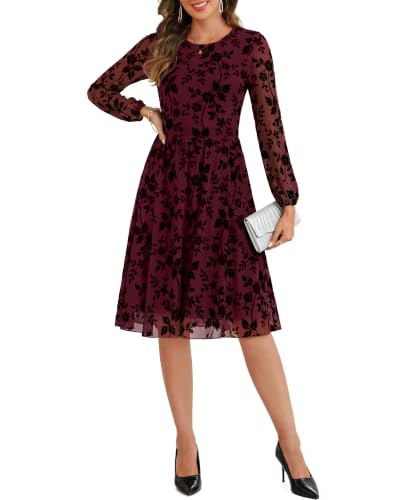
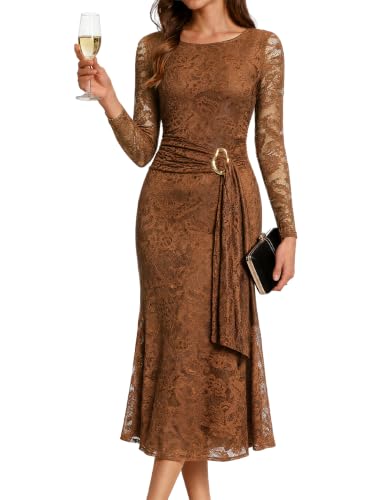
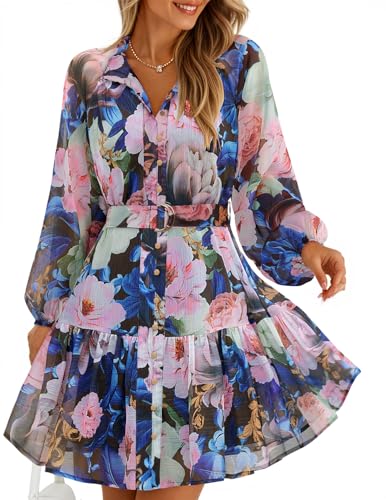
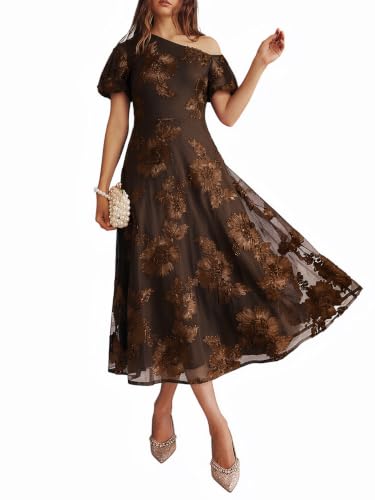
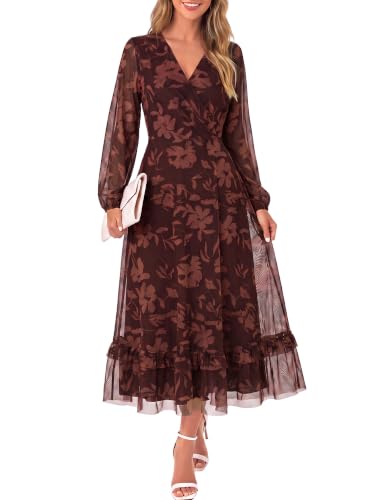
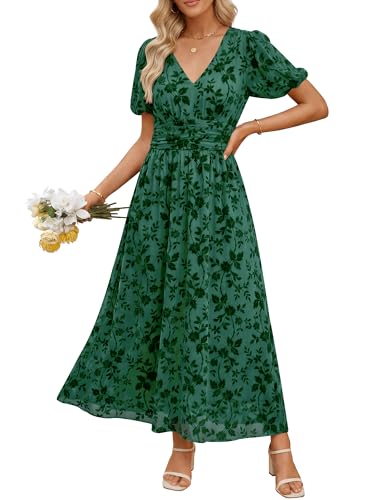
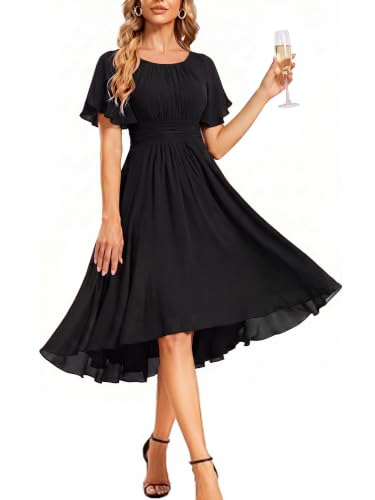
Cocktail Dresses with Sleeves should help a U.S. shopper compare cocktail dresses with integrated cap, short, elbow, three-quarter, flutter, bishop, illusion, or long sleeves that are part of the garment rather than a separate wrap or jacket. The useful starting point is the exact selected variation, not a marketplace title alone. Check front, side, and back photos, the seller-specific size chart, fabric composition, lining, closure, delivery estimate, and return terms before ordering.
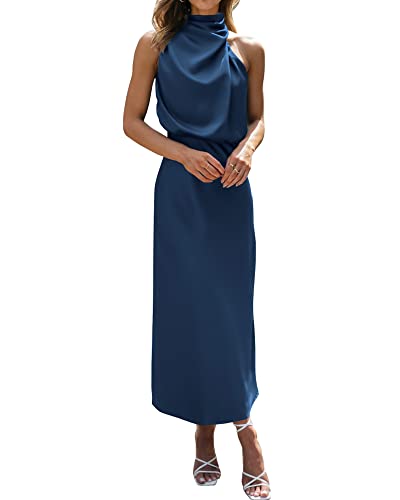
This category should not be confused with sleeveless dresses shown with a bolero, strapless dresses with detachable wraps, cold-shoulder cutouts mislabeled as sleeves, and full long-sleeve evening gowns outside cocktail length or formality. Relevant materials include lace, stretch mesh, chiffon, crepe, velvet, satin, jersey, tulle, and woven fabrics with lined or illusion sleeve construction. The fit review should focus on shoulder width, armscye depth, upper-arm circumference, elbow bend, sleeve length, cuff opening, bust fit, torso length, and whether the sleeve pulls the neckline or bodice out of position. Sleeve coverage only helps when the sleeve itself fits. Non-stretch lace, dense beading, narrow cuffs, and shallow armscyes can make an otherwise correct dress uncomfortable after an hour.
Related shopping paths include long-sleeve cocktail dresses, lace cocktail dresses, fall cocktail dresses, and cocktail dresses. Use these collections to narrow by a real decision such as dress code, construction, length, color, fabric, or occasion instead of treating neighboring labels as interchangeable.




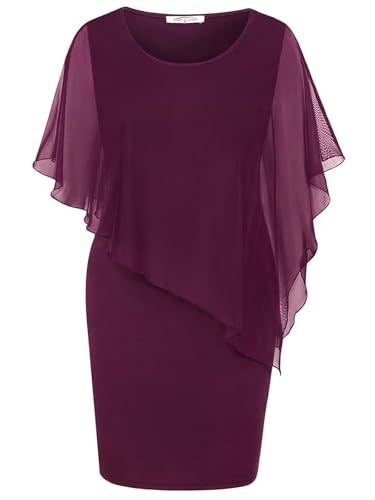


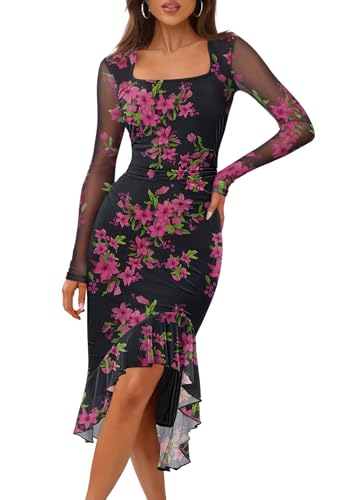


Frequently Asked Questions About Cocktail Dresses with Sleeves
What qualifies as cocktail dresses with sleeves?
The dress should match the actual category: cocktail dresses with integrated cap, short, elbow, three-quarter, flutter, bishop, illusion, or long sleeves that are part of the garment rather than a separate wrap or jacket. The selected variation and received garment matter more than a broad marketplace title.
Which measurements should I check before ordering?
Measure bust, waist, hips, shoulders, torso, and dress length, then review category-specific points such as shoulder width, armscye depth, upper-arm circumference, elbow bend, sleeve length, cuff opening, bust fit, torso length, and whether the sleeve pulls the neckline or bodice out of position. Use the exact seller chart for the selected variation.
Which fabrics work well for this type of cocktail dress?
Common options include lace, stretch mesh, chiffon, crepe, velvet, satin, jersey, tulle, and woven fabrics with lined or illusion sleeve construction. Compare lining, stretch, surface shine, weight, snag risk, and how the fabric behaves after sitting before deciding.
How should I test the dress before the return deadline?
With tags attached, test raising both arms, hugging, reaching across a table, putting on a coat, dancing, sitting, and checking whether the sleeve twists, binds, scratches, or drags the bodice upward. The neckline, bodice, sleeves or straps, lining, slit, and hem should stay in position without repeated adjustment.
Can this style work for a wedding?
It can when the invitation and venue call for cocktail or compatible semi-formal attire. Check the couple's stated dress code, ceremony setting, time of day, color expectations, and the level of formality before choosing. For Cocktail Dresses with Sleeves, confirm that the defining category use also fits the wedding setting.
Can cocktail dresses be altered?
Often, but alteration difficulty depends on construction. Plain hems and simple seams are usually easier than lace motifs, beading, corsetry, pleating, velvet, asymmetrical details, or multiple skirt layers. With Cocktail Dresses with Sleeves, materials such as lace, stretch mesh, chiffon, crepe, velvet, satin, jersey, tulle, and woven fabrics with lined or illusion sleeve construction can change the labor and alteration limits.
What should I verify before ordering online?
Confirm the exact seller, selected color or variation, fabric, lining, closure, current size chart, garment length when available, delivery estimate, return eligibility, and whether the dress works with the event and planned underlayers. Pay particular attention to shoulder width, armscye depth, upper-arm circumference, elbow bend, sleeve length, cuff opening, bust fit, torso length, and whether the sleeve pulls the neckline or bodice out of position.
Start With the Exact Category Boundary
Cocktail Dresses with Sleeves should represent cocktail dresses with integrated cap, short, elbow, three-quarter, flutter, bishop, illusion, or long sleeves that are part of the garment rather than a separate wrap or jacket. A product belongs here because the received garment and selected variation satisfy that description, not because several broad keywords were inserted into a seller title. Review the actual neckline, sleeves, hem, lining, color, and back construction before assuming the item matches the category.
Keep the boundary clear against sleeveless dresses shown with a bolero, strapless dresses with detachable wraps, cold-shoulder cutouts mislabeled as sleeves, and full long-sleeve evening gowns outside cocktail length or formality. That distinction helps a shopper compare like with like. It also prevents an attractive but materially different dress from entering the shortlist simply because the thumbnail looks close. Sleeve coverage only helps when the sleeve itself fits. Non-stretch lace, dense beading, narrow cuffs, and shallow armscyes can make an otherwise correct dress uncomfortable after an hour.
Match the Dress to the Event Before the Detail
Start with the invitation or event plan: location, start time, expected formality, amount of sitting, walking surfaces, temperature, and whether the event moves between ceremony, dinner, reception, or outdoor areas. For cocktail dresses with sleeves, the same dress can feel appropriate at one event and underdressed or overdressed at another because setting changes how length, fabric, shine, and coverage are read.
If the dress code is unclear, use the venue and schedule as practical evidence. A restaurant dinner, hotel reception, school event, wedding, work celebration, or private party can demand different levels of polish. Avoid choosing by color or trend first when a construction or dress-code mismatch will be harder to fix later. For Cocktail Dresses with Sleeves, keep the defining use in view: cocktail dresses with integrated cap, short, elbow, three-quarter, flutter, bishop, illusion, or long sleeves that are part of the garment rather than a separate wrap or jacket.
Fabric Changes Structure, Shine, and Comfort
Common materials for cocktail dresses with sleeves include lace, stretch mesh, chiffon, crepe, velvet, satin, jersey, tulle, and woven fabrics with lined or illusion sleeve construction. These fabrics do not behave the same. Satin shows directional highlights and pressure lines, velvet changes depth with pile direction, chiffon depends heavily on lining, lace can restrict stretch or snag, sequins add weight and abrasion, and crepe usually reads quieter but still needs enough ease through the body.
Check the outer fabric and lining separately. Look at whether the fabric recovers after sitting, whether seams pucker, whether the lining twists, and whether embellishment is stitched securely. A dress can have the right silhouette yet still fail because the surface is too sheer, scratchy, reflective, rigid, or difficult to move in for the actual event. In this category, the closest fit checkpoint is shoulder width, armscye depth, upper-arm circumference, elbow bend, sleeve length, cuff opening, bust fit, torso length, and whether the sleeve pulls the neckline or bodice out of position.
Measure the Areas This Category Actually Depends On
Do not buy from a familiar U.S. size number alone. Measure bust, waist, hips, shoulder width, torso length, and preferred dress length while wearing the intended bra or base layer. For this category, pay particular attention to shoulder width, armscye depth, upper-arm circumference, elbow bend, sleeve length, cuff opening, bust fit, torso length, and whether the sleeve pulls the neckline or bodice out of position. Compare those measurements with the exact seller chart for the selected variation.
When measurements fall between sizes, identify the least flexible area first. Structured bodices, narrow sleeves, non-stretch lace, fitted hips, and fixed waist seams usually tolerate less error than a flowing skirt. A tailor can often reduce a slightly larger area more safely than create space where the garment has no seam allowance or stretch. The practical motion check is raising both arms, hugging, reaching across a table, putting on a coat, dancing, sitting, and checking whether the sleeve twists, binds, scratches, or drags the bodice upward.
Use a Full Movement Test Before Removing Tags
A standing mirror check is not enough. With tags attached, test raising both arms, hugging, reaching across a table, putting on a coat, dancing, sitting, and checking whether the sleeve twists, binds, scratches, or drags the bodice upward. Repeat the test after ten to fifteen minutes because elastic, straps, linings, fitted waists, and textured fabrics can settle as body temperature rises.
Watch what moves first. If the neckline drops when the arms lift, the bodice rotates while walking, the slit opens too far when seated, the lining rides upward, or the hem restricts stride, the issue is construction or fit. Constantly pulling a dress back into place during an event is a sign that another size or style will work better. Material decisions should account for lace, stretch mesh, chiffon, crepe, velvet, satin, jersey, tulle, and woven fabrics with lined or illusion sleeve construction.
Support, Lining, and Underlayers Need an Early Check
Built-in cups, boning, elastic, straps, sleeves, waist seams, and lining can all contribute to stability, but decorative fabric is not the same as support. Test the dress with the exact bra, adhesive cups, shapewear, slip, or other underlayer you plan to wear. The underlayer should stay hidden from the front, side, and back while the garment remains comfortable when sitting. Non-stretch lace, dense beading, narrow cuffs, and shallow armscyes can make an otherwise correct dress uncomfortable after an hour.
Check opacity in window light and with phone flash. Pale colors, mesh, lace, chiffon, and fabric stretched across the bust or hips can reveal more than a dim bedroom mirror suggests. Dark fabrics can hide the outline but still show shiny tension, cup edges, or seam strain under flash. Resolve those issues before the return window closes. For Cocktail Dresses with Sleeves, keep the defining use in view: cocktail dresses with integrated cap, short, elbow, three-quarter, flutter, bishop, illusion, or long sleeves that are part of the garment rather than a separate wrap or jacket.
Length and Proportion Change the Final Look
Length labels are approximate because wearer height and torso proportion change where a hem lands. Review the listed garment length when available and compare it with a dress you already own. Then test the intended shoes. Heel height can change both visual proportion and how safely a slit, back hem, or narrow skirt moves on stairs. In this category, the closest fit checkpoint is shoulder width, armscye depth, upper-arm circumference, elbow bend, sleeve length, cuff opening, bust fit, torso length, and whether the sleeve pulls the neckline or bodice out of position.
Check the dress while seated as well as standing. A fitted knee or mini hem can rise noticeably, a midi can hit an awkward calf point, and a longer skirt can catch a heel. The best proportion is the one that stays appropriate for the event while allowing a normal stride, comfortable seating, and easy movement through the venue. The practical motion check is raising both arms, hugging, reaching across a table, putting on a coat, dancing, sitting, and checking whether the sleeve twists, binds, scratches, or drags the bodice upward.
Judge Color and Surface in Real Lighting
Do not evaluate the final look from one retailer photo. View the delivered dress near a window, under warm indoor light, and with phone flash. Surface finish changes quickly: satin can brighten, velvet can deepen, sequins can dominate, lace lining can become more visible, and pale shades can wash out while dark shades lose seam detail. Material decisions should account for lace, stretch mesh, chiffon, crepe, velvet, satin, jersey, tulle, and woven fabrics with lined or illusion sleeve construction.
Sleeve coverage only helps when the sleeve itself fits. Non-stretch lace, dense beading, narrow cuffs, and shallow armscyes can make an otherwise correct dress uncomfortable after an hour. Photograph the front, side, and back without filters. This is especially useful when the event will include professional photography, dim reception lighting, or mixed indoor and outdoor settings. The test should confirm both color and construction, not simply whether the dress looks attractive in one room.
Plan for Venue, Weather, and Time Indoors
Venue conditions affect comfort. Outdoor arrivals can mean wind, grass, gravel, humidity, or cold air, while indoor spaces can become warmer once guests gather and dancing begins. Fabric weight, sleeve coverage, lining, and hem length should match that full schedule rather than a generic seasonal rule. Non-stretch lace, dense beading, narrow cuffs, and shallow armscyes can make an otherwise correct dress uncomfortable after an hour.
Plan the outer layer before the event if one is needed. A coat or wrap should slide over the dress without crushing bows, snagging lace, disturbing sequins, or forcing a structured sleeve into an uncomfortable position. Re-test the neckline and shoulders after removing outerwear because some dresses shift during layering. For Cocktail Dresses with Sleeves, keep the defining use in view: cocktail dresses with integrated cap, short, elbow, three-quarter, flutter, bishop, illusion, or long sleeves that are part of the garment rather than a separate wrap or jacket.
Choose Shoes and Accessories After the Dress Arrives
Choose shoes, jewelry, and a bag after the dress has been tried on. Neckline shape should guide necklace length, sleeve and lace texture should influence bracelet choices, and delicate surfaces should be kept away from sharp settings or rough clutch hardware. Shoes should work with the actual hem and venue surface, not only the color palette. In this category, the closest fit checkpoint is shoulder width, armscye depth, upper-arm circumference, elbow bend, sleeve length, cuff opening, bust fit, torso length, and whether the sleeve pulls the neckline or bodice out of position.
Keep accessories from competing with the dress. Highly reflective satin, sequins, beading, bold lace, or a strong neckline may need quieter jewelry. Simpler crepe or matte fabrics can support more visible accessories. A useful styling test is whether the entire outfit still looks coherent in a full-length phone photo rather than as separate attractive pieces. The practical motion check is raising both arms, hugging, reaching across a table, putting on a coat, dancing, sitting, and checking whether the sleeve twists, binds, scratches, or drags the bodice upward.
Treat Online Product Variations as Separate Garments
Marketplace listings can combine several sellers, colors, fabrics, or fulfillment options under one product card. Save the exact seller, selected variation, color, size, fabric description, delivery estimate, and return terms at checkout. If the listing changes later, those details provide a record of what was actually ordered. Material decisions should account for lace, stretch mesh, chiffon, crepe, velvet, satin, jersey, tulle, and woven fabrics with lined or illusion sleeve construction.
Read reviews for the same variation when possible. A review of another color or another seller may not prove that your selected dress has identical lining, stretch, zipper quality, or sizing. Order with enough time for one failed option, exchange, steaming, underlayer testing, and minor tailoring rather than treating the estimated delivery date as the end of the shopping process. Non-stretch lace, dense beading, narrow cuffs, and shallow armscyes can make an otherwise correct dress uncomfortable after an hour.
Know Which Alterations Are Simple and Which Are Not
Plain hems, simple straps, and uncomplicated side seams are usually easier to alter than lace motifs, scalloped edges, beading, corsetry, asymmetrical necklines, pleated chiffon, velvet, or multi-layer skirts. Ask a tailor what can change without damaging the feature that makes the dress suitable for this category. For Cocktail Dresses with Sleeves, keep the defining use in view: cocktail dresses with integrated cap, short, elbow, three-quarter, flutter, bishop, illusion, or long sleeves that are part of the garment rather than a separate wrap or jacket.
Get an alteration estimate before the return period ends if the dress misses more than one major measurement. Bring the planned shoes and underlayers to fittings. If the shoulders, bust, waist, hips, and hem all require major correction, replacing the dress can produce a cleaner result than rebuilding a pattern that was never close to the wearer's proportions. In this category, the closest fit checkpoint is shoulder width, armscye depth, upper-arm circumference, elbow bend, sleeve length, cuff opening, bust fit, torso length, and whether the sleeve pulls the neckline or bodice out of position.
Compare Neighboring Cocktail Categories Intentionally
Related collections include long-sleeve cocktail dresses, lace cocktail dresses, fall cocktail dresses, and cocktail dresses. Compare them when one decision changes. A shopper who needs a different length, more sleeve coverage, another color family, or a more formal dress code should move to the page that describes that requirement rather than forcing a near match.
For cocktail dresses with sleeves, preserve the defining feature first, then compare fabric, support, color, price, and accessories. This order keeps the shortlist useful and reduces the chance of choosing a dress that looks close in a thumbnail but fails the event, fit, or construction requirement after delivery.
How to Shortlist Cocktail Dresses with Sleeves
Start with the event requirement, then remove any dress that does not meet the category boundary. Compare the remaining options by seller-specific measurements, fabric and lining, support, hem and slit position, return terms, delivery date, and alteration difficulty. For cocktail dresses with sleeves, the most important category-specific checks are shoulder width, armscye depth, upper-arm circumference, elbow bend, sleeve length, cuff opening, bust fit, torso length, and whether the sleeve pulls the neckline or bodice out of position.
Keep the final dress only when it passes raising both arms, hugging, reaching across a table, putting on a coat, dancing, sitting, and checking whether the sleeve twists, binds, scratches, or drags the bodice upward. Confirm the look in daylight, indoor light, and flash, then try the complete shoes, underlayers, outerwear, jewelry, and bag. A strong purchase should remain secure, comfortable, and visually appropriate for the full event rather than only for a standing product photo.