
Silver Cocktail Dresses
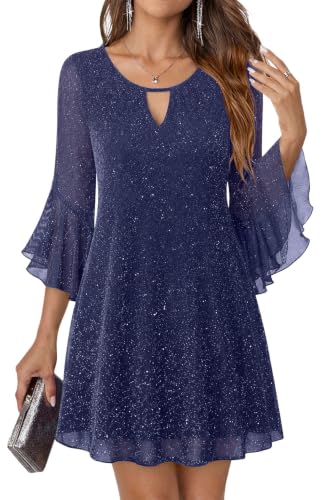
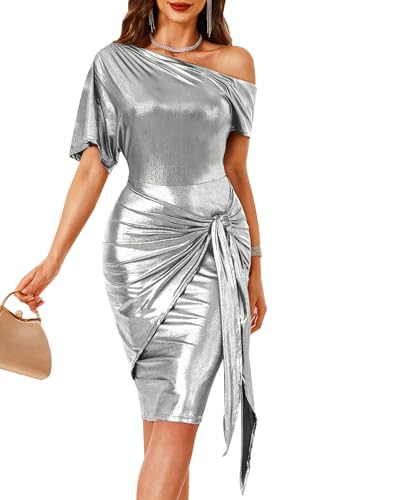
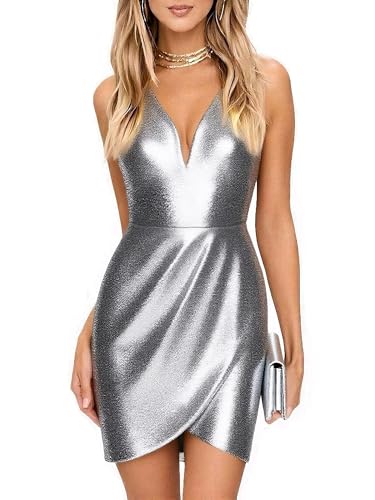
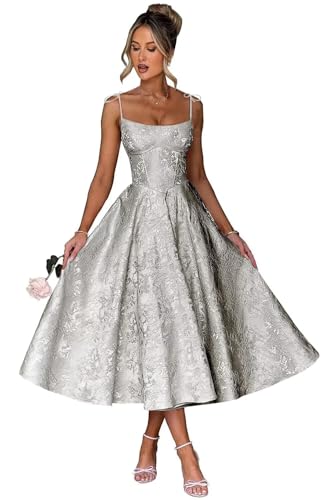
Silver Cocktail Dresses focus on cocktail dresses that read as silver, pewter, cool metallic gray, or silver-dominant embellished surfaces rather than plain gray fabric. For a U.S. shopper, the useful starting point is the exact selected variation rather than a marketplace title alone. Compare the seller-specific size chart, front and back construction, fabric content, lining, closure, delivery estimate, and return terms before deciding that a dress fits this collection or the event.
Keep this intent separate from matte gray, champagne, gunmetal, gold, white, and multicolor sequin dresses where silver is only a minor accent. Useful fabrics can include metallic knit, satin, sequined mesh, beaded tulle, lamé-like woven fabric, lace with metallic thread, crepe with silver embellishment, and jacquard. The fit review should pay particular attention to bust and waist ease, lining smoothness, hip strain, armhole comfort, hem position, zipper behavior, and whether reflective fabric exaggerates wrinkles or seam pulling. Silver is a surface as much as a color. A soft pewter crepe, mirrored sequin, bead-heavy mesh, and bright metallic satin can sit at very different points on the formality scale.
Related shopping paths include sequin cocktail dresses, little black cocktail dresses, formal cocktail dresses, and cocktail dresses. These collections help shoppers move by a real decision such as length, color, finish, body proportion, event formality, or season without treating neighboring cocktail terms as interchangeable.








Frequently Asked Questions About Silver Cocktail Dresses
What qualifies as silver cocktail dresses?
The selected dress should match the defining feature in the actual garment: cocktail dresses that read as silver, pewter, cool metallic gray, or silver-dominant embellished surfaces rather than plain gray fabric. Product titles alone are not enough when the color, length, fabric, or construction changes by variation.
Which measurements matter most before ordering?
Measure bust, waist, hips, shoulders, torso, and preferred length, then add the category-specific checks: bust and waist ease, lining smoothness, hip strain, armhole comfort, hem position, zipper behavior, and whether reflective fabric exaggerates wrinkles or seam pulling. Use the exact seller chart rather than relying on a familiar U.S. size label.
How should I test the dress before removing the tags?
With the planned underlayers and shoes, sit, stand, walk, raise the arms, turn, hug, and dance under event lighting while checking for scratchy embellishment and reflective tension lines. Also check stairs, vehicle entry, sitting, and whether the neckline or hem returns to position without repeated adjustment.
Which fabrics are common in this collection?
Useful options can include metallic knit, satin, sequined mesh, beaded tulle, lamé-like woven fabric, lace with metallic thread, crepe with silver embellishment, and jacquard. Compare stretch, lining, surface texture, heat, wrinkle behavior, and alteration difficulty rather than choosing by fabric name alone.
How can I tell whether the dress suits the event?
This category can suit holiday events, cocktail weddings, New Year celebrations, milestone birthdays, awards dinners, evening receptions, and parties that support a metallic neutral. Read the invitation and consider venue, time of day, host expectations, weather, photography, and how formal the accessories need to be.
What should I know about alterations?
Metallic fabrics can show needle marks and pressing damage, while beaded or sequined silver may require embellishment removal at seams. Use a tailor experienced with the actual surface. Get an estimate before the return window closes and bring the final shoes and underlayers to fittings.
What should I verify before checkout?
For silver cocktail dresses, confirm the exact seller, selected color or variation, fabric, lining, closure, size chart, current delivery estimate, return eligibility, and whether the received construction matches the category and event requirements.
Verify the Received Shade, Not the Color Name
Silver Cocktail Dresses work best when the defining feature is visible in the actual selected dress. The intended collection centers on cocktail dresses that read as silver, pewter, cool metallic gray, or silver-dominant embellished surfaces rather than plain gray fabric. A title, search tag, or thumbnail is not enough when a variation changes color, length, fabric, or construction. Compare the selected swatch and the garment photographs in one place before ordering.
The practical boundary is equally important. Do not automatically group this collection with matte gray, champagne, gunmetal, gold, white, and multicolor sequin dresses where silver is only a minor accent. That distinction helps a shopper compare like with like and reduces the chance of buying a dress that looks close online but behaves differently at the event.
Use Fabric Finish to Read the Color Correctly
The surface and structure can change how silver cocktail dresses look and feel. Common materials include metallic knit, satin, sequined mesh, beaded tulle, lamé-like woven fabric, lace with metallic thread, crepe with silver embellishment, and jacquard. Compare outer fabric, lining, stretch, seam placement, zipper construction, and any mesh or embellishment because those details determine support, heat, opacity, wrinkle visibility, and alteration options.
Direct flash can produce hotspots, while warm room light can make cool silver appear softer or slightly champagne; check both still photos and motion video before final styling. View the dress from front, side, and back, then photograph it without filters. A still image is useful, but a short video often reveals shine, skirt movement, cling, or shifting that a product thumbnail cannot show.
Measure the Areas That Control This Specific Fit
For silver cocktail dresses, record the standard bust, waist, hip, shoulder, torso, and preferred dress length measurements, then add the variables that matter most here: bust and waist ease, lining smoothness, hip strain, armhole comfort, hem position, zipper behavior, and whether reflective fabric exaggerates wrinkles or seam pulling. Measure in the underlayers you expect to wear and compare the numbers with the exact seller chart for the selected variation.
For silver cocktail dresses, if measurements fall between sizes, identify the least flexible area rather than choosing by a familiar U.S. label. Structured satin, non-stretch lace, boned bodices, fitted sleeves, and narrow hip sections leave less room for error than stretch jersey or a full chiffon skirt. Reviews are most useful when the reviewer gives body measurements and the exact size purchased.
Run a Full Event-Movement Test Before Removing Tags
Do more than stand in front of a mirror. For this category, sit, stand, walk, raise the arms, turn, hug, and dance under event lighting while checking for scratchy embellishment and reflective tension lines. Repeat the sequence after wearing the dress for ten to fifteen minutes because lining, elastic, straps, and fitted seams can settle as body temperature and posture change.
A successful silver cocktail dresses option should return to position without constant pulling. Check vehicle entry, restroom access, bouquet or bag carrying, and stairs if those will be part of the event. Movement problems discovered early are easier to separate into a size issue, a construction issue, or an alteration issue.
Check Support, Lining, and Underlayers as One System
Built-in cups, boning, shoulder seams, straps, elastic, zipper placement, lining, and fabric stretch all contribute to support in silver cocktail dresses. Decorative lace, sequins, or a high neckline should not be mistaken for structural support. The bodice should stay centered while breathing, sitting, and reaching.
For silver cocktail dresses, test the planned bra, shapewear, slip, adhesive cups, or fashion tape before the return deadline. Look for visible edges, bra exposure, lining contrast, static, and fabric catching. Underlayers should solve a styling need without becoming the engineering that keeps an incorrectly fitted dress from moving.
Match the Dress to the Actual Invitation and Venue
Silver Cocktail Dresses can work for holiday events, cocktail weddings, New Year celebrations, milestone birthdays, awards dinners, evening receptions, and parties that support a metallic neutral. Read the invitation language and consider venue, host expectations, time of day, photography, walking surfaces, and how much of the event is seated versus standing. Cocktail attire has a range; the right choice is polished enough for the setting without borrowing unnecessary features from a more formal dress code.
When silver cocktail dresses move from daylight to evening, test how the dress transitions with a jacket, wrap, shoe change, or different jewelry rather than assuming the same styling will work all day. Venue air-conditioning, outdoor heat, stairs, grass, and long reception hours can change which fabric and construction feel practical.
Test the Shade in Daylight, Warm Light, and Flash
Direct flash can produce hotspots, while warm room light can make cool silver appear softer or slightly champagne; check both still photos and motion video before final styling. Use an unfiltered phone camera and include the shoes or accessories you expect to wear so the test reflects the full outfit rather than an isolated swatch.
Photography can change the apparent color, shine, opacity, and proportion of silver cocktail dresses. Compare one image near a window, one under warm indoor light, and one with flash. For reflective or embellished fabric, add a short moving clip so bright hotspots, uneven texture, or surface flicker become visible before the event.
Choose Shoes, Jewelry, and Bags After the Dress Arrives
Choose whether the dress itself is the metal statement. Tonal silver, black, nude, clear, pearl, and cool crystal accessories can work, but multiple competing metallic finishes can make the outfit look fragmented. Finalize accessories after the dress has passed the fit and lighting tests. This avoids buying a metal tone, shoe height, or bag texture that conflicts with the received fabric rather than the online image.
With silver cocktail dresses, check practical contact points. Bracelets and prong-set jewelry can catch lace or mesh; shoulder bags can abrade sequins; rough clutch edges can snag chiffon; and unstable heels can make a difficult hem harder to manage. The supporting pieces should make the dress easier to wear, not add a new maintenance problem.
Treat Every Marketplace Variation as a Separate Garment
One product card can contain several sellers, colors, fabrics, sizes, or fulfillment paths. For silver cocktail dresses, save the exact seller, selected variation, size chart, material description, delivery estimate, and return terms at checkout. If the item is reordered later, verify those details again instead of assuming the listing stayed unchanged.
When a group or family is coordinating silver cocktail dresses, keep screenshots or order notes for the selected variation. A change in fabric or color name can affect shade, stretch, lining, or hem. Delivery timing should leave room for one failed option, exchange, steaming, shoes, and alteration work rather than ending on the event week.
Price Alterations Before the Return Window Closes
Metallic fabrics can show needle marks and pressing damage, while beaded or sequined silver may require embellishment removal at seams. Use a tailor experienced with the actual surface. Ask a tailor what can be changed cleanly before assuming that every fit problem is fixable. Bring the intended shoes and underlayers to the fitting so length and support decisions are based on the final setup.
A silver cocktail dresses option that needs simultaneous shoulder, bust, waist, hip, sleeve, and hem reconstruction is rarely the same purchase as one that needs one localized adjustment. Compare the alteration estimate with the cost and timeline of trying another size or silhouette while the return option is still available.
Compare Neighboring Cocktail Collections by One Real Variable
Related options include sequin cocktail dresses, little black cocktail dresses, formal cocktail dresses, and cocktail dresses. Use those links when the decision changes in a concrete way: a different hem, a different color family, more formal construction, a party-focused finish, or a broader cocktail assortment. That is more useful than opening several pages that show nearly the same dress under different marketing labels.
Keep the defining feature of silver cocktail dresses intact while comparing alternatives. If another page solves the same event need with a better fit, clearer shade, easier hem, safer movement, or lower alteration risk, that is a meaningful reason to switch categories rather than forcing the original label to work.
How to Shortlist Silver Cocktail Dresses
Start with the invitation, required coverage, preferred hem, body measurements, shoe plan, and delivery deadline. Then compare the exact selected variation for fabric, lining, support, closure, size chart, movement, and return terms. For silver cocktail dresses, keep the defining reference clear: cocktail dresses that read as silver, pewter, cool metallic gray, or silver-dominant embellished surfaces rather than plain gray fabric.
Keep a silver cocktail dresses option on the shortlist only when it works while standing and seated, survives the category-specific movement test, photographs well in realistic light, and can be altered within budget if necessary. That process turns a broad product grid into a smaller set of event-ready choices that are easier to compare on fit and construction rather than marketing language.