
Designer Cocktail Dresses
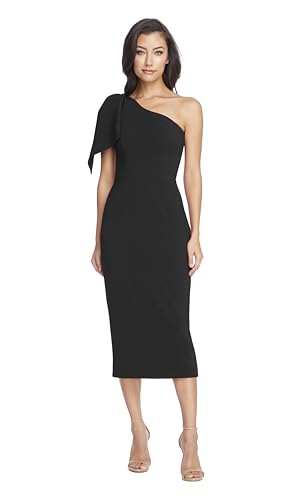
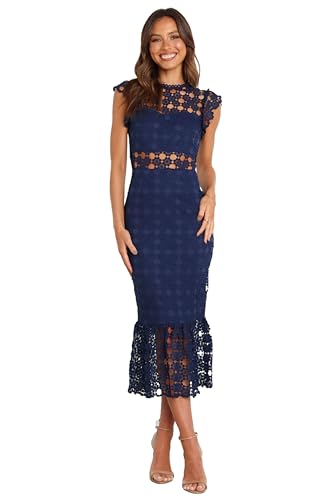
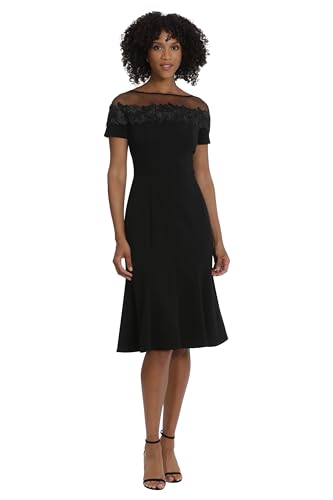
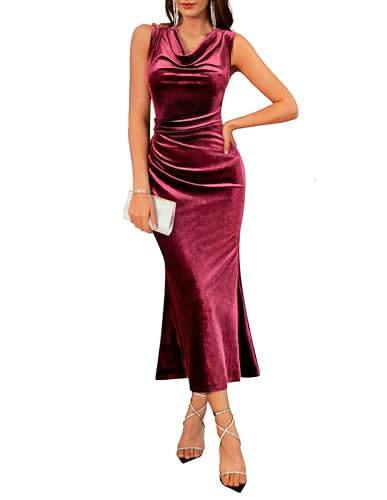
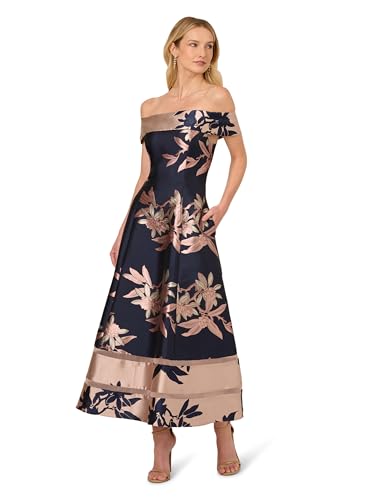
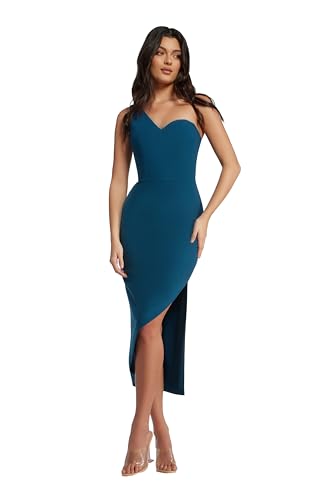
“Designer cocktail dresses” is a commercial label, not a construction standard. It may refer to an established fashion house, a licensed line, a diffusion brand, a marketplace brand using aspirational wording, or simply a highly styled dress. The category becomes useful when shoppers verify brand identity, seller, garment details, fit, and return terms instead of assuming the word designer guarantees quality.Browse the products above to compare the currently indexed marketplace selection. The guide below focuses on evidence-based fit, construction, event suitability, care, and seller verification rather than promising that every product tagged to the category is an exact match.Affiliate shopping note: MotherBrideDress may earn a commission from qualifying purchases. MotherBrideDress is an affiliate discovery website and does not manufacture, stock, sell, ship, or accept returns for the products displayed. Amazon or the listed marketplace seller controls the current price, size and color availability, seller identity, shipping estimate, item condition, and return terms. Confirm the exact selected variation and seller information on the live product page before checkout.
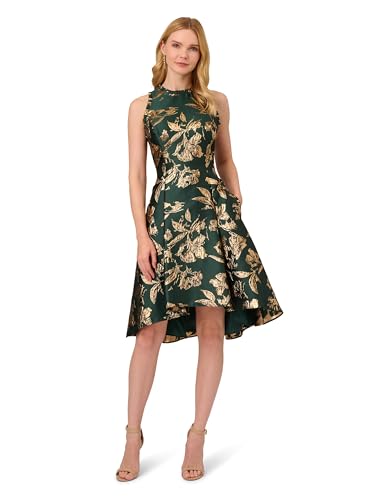
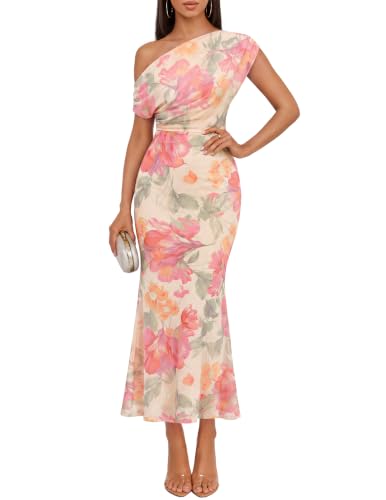
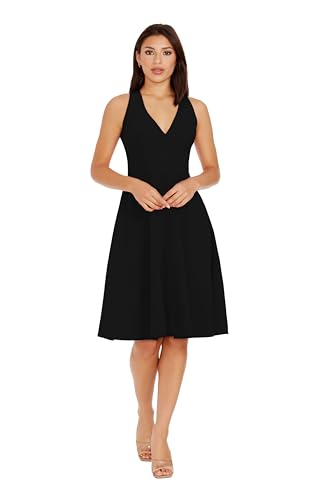
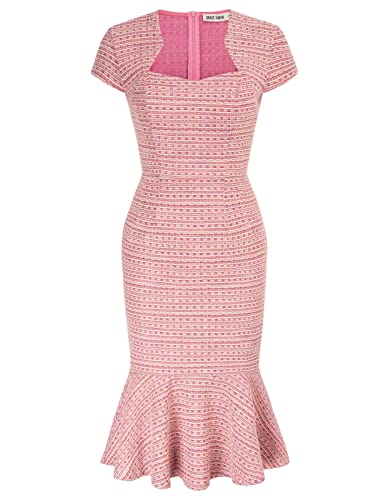






Frequently Asked Questions About Designer Cocktail Dresses
What counts as a designer cocktail dress?
It may be a dress from an established label, licensed line, diffusion brand, or marketplace brand. Verify the exact brand and seller rather than relying on the category name.
Does a designer label guarantee better quality?
No. It may signal design or brand positioning, but construction, materials, fit, condition, seller, and return terms still require evaluation.
How do I verify the brand on a marketplace listing?
Check the exact brand spelling, style information, seller, tags, photos, condition, and available official product details.
Should I size up in designer dresses?
Do not use a blanket rule. Measure yourself and use the chart for the exact product and variation.
What details can justify a higher price?
Better patterning, lining, internal structure, fabric, secure embellishment, finishing, service, and return flexibility may justify cost.
Can designer cocktail dresses be altered?
Many can, but complex seams, beadwork, lace, or structured bodices increase cost. Ask a tailor before ordering when major changes are likely.
How should I calculate total value?
Include purchase price, shipping, taxes where applicable, tailoring, support garments, cleaning, accessories, and expected repeat use.
Who is responsible for the sale?
Amazon or the listed seller controls the sale, condition, shipping, and returns. MotherBrideDress is an affiliate discovery site.
How to Choose Designer Cocktail Dresses with Better Evidence
A disciplined shopping process separates attractive photography from evidence. Confirm the garment, seller, size, color, material, delivery date, and return terms before relying on the listing.
Most important risk: The primary risk is paying for a label or presentation without confirming what is actually included. Brand names, product titles, photos, sellers, and conditions can vary across marketplace listings, and a higher price does not eliminate sizing or construction problems.
Verify the Commercial Claim Before Judging the Design
Established label
Confirm the exact brand spelling, product line, style name, and whether the listing information is consistent across title, photos, tags, and description. Use full-length front, side, and back views, then test the delivered garment while seated and moving. The category label cannot replace this evidence.
Diffusion or licensed line
A secondary line may use different materials, sizing, and production standards from a main collection. Judge the actual garment rather than transferring assumptions. Record the result instead of relying on memory. Small differences become easier to compare when several listings use similar photography and vague descriptions.
Marketplace-exclusive brand
Some brands sell mainly through marketplaces. Evaluate construction evidence, reviews, seller history, and return flexibility rather than prestige signals. Evaluate the actual selected variation, because a marketplace page may combine several colors, sizes, sellers, or related designs under one gallery.
Pre-owned or alternate condition
Confirm whether the item is new, used, renewed, open-box, or sold by a third party. Condition materially changes value and return risk. Consider both appearance and operation: comfort, support, closure, lining, and alteration feasibility affect whether the style works for a real event.
“Designer-inspired” wording
Inspired styling is not the same as the named brand. Read the listing carefully and do not infer affiliation that is not stated. Do not let one attractive close-up outweigh weak information about the full silhouette, back view, or garment measurements.
Fit Details That Change the Result
Brand-specific size chart
Designer sizing can run smaller, larger, or differently proportioned than mass-market sizing. Use the chart attached to the exact listing. Do not let one attractive close-up outweigh weak information about the full silhouette, back view, or garment measurements.
Pattern balance
Inspect shoulder, bust, waist, hip, sleeve, and hem placement. Better patterning should produce clean proportion and movement, not only attractive details. Use full-length front, side, and back views, then test the delivered garment while seated and moving. The category label cannot replace this evidence.
Internal support
Check cups, boning, interfacing, lining, waist stay, and strap construction when the design requires structure. Record the result instead of relying on memory. Small differences become easier to compare when several listings use similar photography and vague descriptions.
Seam and closure quality
Inspect zipper insertion, pattern matching, seam allowance, hem finish, and stress points in customer photos and after delivery. Evaluate the actual selected variation, because a marketplace page may combine several colors, sizes, sellers, or related designs under one gallery.
Alteration economics
A costly dress can still require tailoring. Estimate hemming, strap, bodice, beadwork, or sleeve changes before calculating total value. Consider both appearance and operation: comfort, support, closure, lining, and alteration feasibility affect whether the style works for a real event.
Measurements, Ease, and Movement
Take current measurements
Measure bust, waist, high hip, full hip, and the vertical dimensions relevant to the neckline, sleeve, waist seam, and hem. Measure over the undergarments planned for the event. Do not order from a remembered U.S. size because marketplace charts are not standardized. Consider both appearance and operation: comfort, support, closure, lining, and alteration feasibility affect whether the style works for a real event.
Compare the garment, not only the body chart
When garment measurements are available, compare them with the body chart and consider intended ease. A fitted woven dress needs different room from a stretch sheath or full A-line. Ask the seller a precise question when the chart is incomplete. Do not let one attractive close-up outweigh weak information about the full silhouette, back view, or garment measurements.
Test the complete range of motion
Walk at normal pace, sit for several minutes, climb stairs, reach forward, raise the arms, turn, and enter or leave a car. Watch for rising hems, twisting seams, opening wraps, slipping necklines, narrow linings, pressure, or scratchiness. Use full-length front, side, and back views, then test the delivered garment while seated and moving. The category label cannot replace this evidence.
Wear the planned support and shoes
Bras, shapewear, hosiery, adhesive products, and heel height can change fit and hem position. Test them during the return window. A dress should not depend on painful support or unsafe footwear to look correct. Record the result instead of relying on memory. Small differences become easier to compare when several listings use similar photography and vague descriptions.
Keep alteration limits visible
Simple hems and straps may be manageable, while lace borders, beadwork, complex sleeves, boning, or unusual seams can make changes expensive. Confirm feasibility before ordering when tailoring is likely. Evaluate the actual selected variation, because a marketplace page may combine several colors, sizes, sellers, or related designs under one gallery.
Fabric, Lining, and Surface Behavior
Fiber content versus hand feel
Silk, wool, viscose, polyester, and blends can all perform well or poorly. Fiber name alone does not establish drape, opacity, durability, or finish. Use full-length front, side, and back views, then test the delivered garment while seated and moving. The category label cannot replace this evidence.
Lining quality
A complete, breathable, well-attached lining improves comfort and structure. Check whether sleeves, bodice, and skirt are lined as expected. Record the result instead of relying on memory. Small differences become easier to compare when several listings use similar photography and vague descriptions.
Embellishment execution
Beads, sequins, embroidery, and appliqué should be secure, balanced, and finished away from the skin. Evaluate the actual selected variation, because a marketplace page may combine several colors, sizes, sellers, or related designs under one gallery.
Print and pattern alignment
Plaids, stripes, florals, and lace motifs reveal cutting quality at center front, side seams, and zipper. Consider both appearance and operation: comfort, support, closure, lining, and alteration feasibility affect whether the style works for a real event.
Care requirements
Dry-clean-only or specialist care changes ownership cost. Read the actual label and consider local service availability. Do not let one attractive close-up outweigh weak information about the full silhouette, back view, or garment measurements.
A Practical Value Model for Designer Listings
Value should be calculated from evidence: patterning, materials, lining, finishing, support, seller service, return flexibility, expected wear, alteration cost, and care. The brand name may contribute design preference or resale interest, but it should not erase weak garment-level evidence.
Compare like with like. A silk-lined structured dress and an unlined stretch dress solve different needs even if both use a designer label. Create a short comparison sheet rather than ranking only by list price or discount percentage.
Seller identity matters because marketplace pages may host multiple offers. The same style can have different condition, shipping, packaging, and return terms. Record the selected seller and condition at checkout, then verify them on delivery.
Do not alter or remove tags until the garment has been documented and tested. Higher-priced clothing can still arrive with makeup marks, missing beads, inconsistent sizing, or previous handling. Prompt evidence protects the return decision.
Match the Dress to the Real Occasion
Wedding guest
Brand does not determine appropriateness. Color, length, coverage, time, venue, and invitation remain decisive. Record the result instead of relying on memory. Small differences become easier to compare when several listings use similar photography and vague descriptions.
Corporate reception
A recognized label may be useful, but polished fit and restrained styling matter more than visible branding. Evaluate the actual selected variation, because a marketplace page may combine several colors, sizes, sellers, or related designs under one gallery.
Gala cocktail hour
Structured fabric, distinctive construction, and refined finishing can justify a premium when they suit the event. Consider both appearance and operation: comfort, support, closure, lining, and alteration feasibility affect whether the style works for a real event.
Travel event
Wrinkle behavior, garment-bag needs, replacement risk, and return timing may matter more than prestige. Do not let one attractive close-up outweigh weak information about the full silhouette, back view, or garment measurements.
Repeat wardrobe use
A versatile silhouette, repairable construction, and realistic care can produce better value than a one-event statement piece. Use full-length front, side, and back views, then test the delivered garment while seated and moving. The category label cannot replace this evidence.
Accessories and Outfit Balance
Do not over-accessorize the label
Let distinctive cut, fabric, or detail lead. Accessories should support the garment rather than prove its price. Evaluate the actual selected variation, because a marketplace page may combine several colors, sizes, sellers, or related designs under one gallery.
Use tailoring as styling
Correct hem, strap, and waist position often improve a dress more than additional jewelry. Consider both appearance and operation: comfort, support, closure, lining, and alteration feasibility affect whether the style works for a real event.
Protect delicate construction
Choose smooth bags, appropriate hangers, and outerwear that will not crush or snag the garment. Do not let one attractive close-up outweigh weak information about the full silhouette, back view, or garment measurements.
Keep branding discreet
Visible logos are not required for a polished cocktail look. Fit and material quality carry more visual weight. Use full-length front, side, and back views, then test the delivered garment while seated and moving. The category label cannot replace this evidence.
Plan total outfit cost
Shoes, support garments, tailoring, cleaning, and return shipping belong in the budget. Record the result instead of relying on memory. Small differences become easier to compare when several listings use similar photography and vague descriptions.
How to Evaluate the Exact Marketplace Listing
Begin by selecting the intended size and color. Then reread the title, seller, condition, price, delivery estimate, material description, size chart, and return policy. Marketplace pages can change when the variation changes, so information seen before selection may not apply to the final item.
- Confirm exact brand, style name, seller, item condition, and selected variation.
- Compare the listing with the brand’s official product information when available.
- Review recent seller-specific feedback and customer photographs.
- Check included accessories, spare beads, belts, or removable pieces.
- Read return, authenticity, warranty, and restocking terms without assumptions.
- Document the delivered tags, condition, packaging, and defects before wearing.
Reviews are most useful when they include body measurements, height, selected size, recent purchase date, photographs, movement comments, and seller-specific details. A short statement such as “beautiful” or “bad quality” is less diagnostic than repeated evidence about fit, fabric, color, closure, or returns.
Save screenshots of the selected variation and terms when the event date makes accuracy important. Do not assume a delivery estimate, sale price, or return window will remain unchanged.
Delivery Inspection and Return-Window Test
- Confirm that the delivered color, size, brand, seller information, and included pieces match the order.
- Inspect seams, zipper, hooks, lining, hem, embellishment, stains, odors, pulls, and signs of prior wear before trying the dress for an extended period.
- Test the dress in daylight, indoor light, and flash; take front, side, and back photographs at normal posture.
- Repeat sitting, walking, stairs, arm movement, and outerwear tests with the planned support and shoes.
- Keep tags, packaging, spare pieces, and order documentation until the dress passes every check and the return decision is complete.
Complete these checks promptly. Event clothing often fails because inspection is delayed until the exchange or alteration window has closed. A backup plan is reasonable when timing is tight or the listing has inconsistent reviews.
Alterations, Care, and Storage
Read the sewn-in care label and compare it with the listing. Do not assume all garments in the category can be washed, steamed, or pressed the same way. Test heat and stain treatment only when the label permits it, and use professional care when delicate fabric or embellishment requires it.
Ask a tailor before ordering when the likely alteration crosses a zipper, boning, lace motif, beaded area, shaped hem, sleeve, or complex lining. The total cost and risk may change which listing offers better value.
Store the accepted dress clean, fully dry, and protected from rough surfaces. Support heavy garments, avoid crushing velvet or embellishment, and leave enough space that the neckline, sleeves, and hem do not distort before the event.
Common Shopping Mistakes
- Assuming a high price guarantees fit or quality.
- Confusing “designer-inspired” with a named brand product.
- Ignoring seller and item condition.
- Using a general brand chart instead of the exact listing chart.
- Forgetting tailoring, cleaning, and accessory costs.
- Removing tags before documenting condition and testing movement.
A practical decision rule is to reject a dress that succeeds only in a still front photograph. Keep the option that fits the actual event, survives movement, coordinates with the planned outfit, arrives with workable seller terms, and requires no uncertain last-minute correction.
Final Shopping Checklist
- Confirm the exact category intent, selected variation, seller, and current return terms.
- Take current measurements and compare the correct chart rather than a familiar size label.
- Check neckline, shoulder, bust, waist, hip, sleeve, lining, and actual hem placement.
- Review fabric opacity, stretch, reflection, surface comfort, and care requirements.
- Test sitting, walking, stairs, reaching, dancing, shoes, support, and outerwear.
- Inspect the delivered condition and color in several lighting environments.
- Estimate tailoring, cleaning, accessory, and backup costs before final acceptance.
- Keep tags and packaging until the complete decision is finished.
Explore Related Dress Collections
Use these related MotherBrideDress category pages to change one shopping variable at a time. The internal links are intended to separate color, occasion, size, and formality rather than force every adjacent keyword onto one page.
Affiliate shopping note: MotherBrideDress may earn a commission from qualifying purchases. MotherBrideDress is an affiliate discovery website and does not manufacture, stock, sell, ship, or accept returns for the products displayed. Amazon or the listed marketplace seller controls the current price, size and color availability, seller identity, shipping estimate, item condition, and return terms. Confirm the exact selected variation and seller information on the live product page before checkout.