
Classy Cocktail Dresses
“Classy” is subjective, but a useful shopping page can translate it into observable decisions: balanced proportion, clean fit, event-appropriate coverage, coherent fabric, controlled detail, good condition, and accessories that support rather than overwhelm the dress. It should not imply that one body type, age, price point, or amount of skin exposure is inherently more respectable than another.Browse the products above to compare the currently indexed marketplace selection. The guide below focuses on evidence-based fit, construction, event suitability, care, and seller verification rather than promising that every product tagged to the category is an exact match.Affiliate shopping note: MotherBrideDress may earn a commission from qualifying purchases. MotherBrideDress is an affiliate discovery website and does not manufacture, stock, sell, ship, or accept returns for the products displayed. Amazon or the listed marketplace seller controls the current price, size and color availability, seller identity, shipping estimate, item condition, and return terms. Confirm the exact selected variation and seller information on the live product page before checkout.
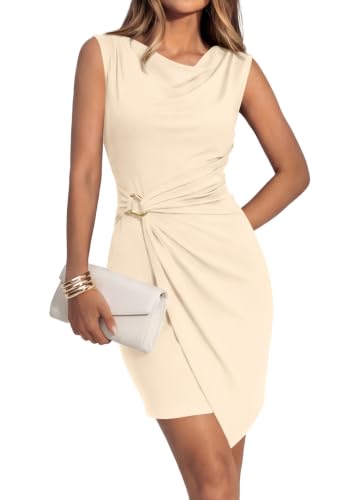
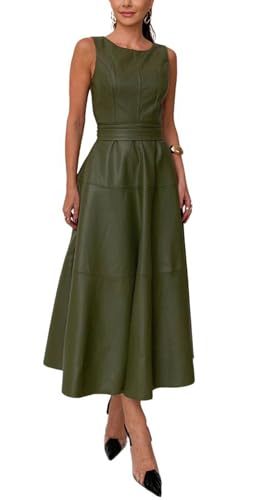



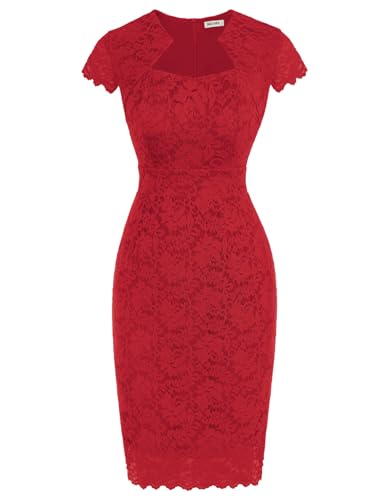


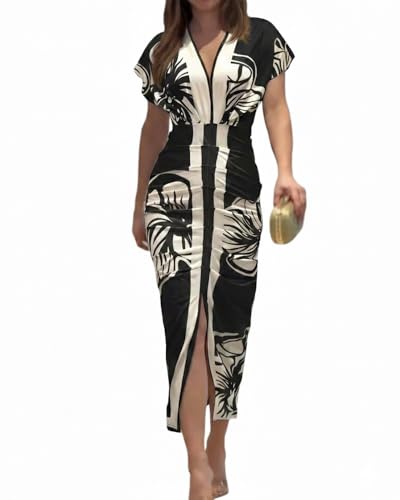


Dress the Population Women’s Audrey Spaghetti Strap Midi A-line 3D Floral Dress
Original price was: $298.00.$208.60Current price is: $208.60.


Faxpox Women’s Knee Length Country Bridesmaid Dress Western Wedding Guest Dress
Original price was: $49.99.$45.99Current price is: $45.99.


Frequently Asked Questions About Classy Cocktail Dresses
What makes a cocktail dress look classy?
Balanced proportion, clean fit, appropriate coverage, coherent fabric, controlled detail, good condition, and context-appropriate styling create a polished result.
Does a classy dress have to be expensive?
No. Fit, construction, fabric behavior, pressing, and styling matter more than price alone.
Can a short cocktail dress look classy?
Yes when the true hem, fabric, fit, coverage, and event context work together and the wearer can move comfortably.
Are sequins classy?
They can be when securely attached, comfortable, and used intentionally for the event. Maximum shine is not required.
What colors look polished for cocktail attire?
Black, navy, jewel tones, metallics, pastels, prints, and bright colors can all work when the complete design suits the setting.
How many accessories should I wear?
There is no fixed number. Keep a clear focal point and remove pieces that compete with the neckline, fabric, or embellishment.
How do I test whether the dress is practical?
Sit, walk, use stairs, reach, wear the planned outer layer, and keep it on long enough to notice pressure or slipping.
Who controls sizing and returns?
The listed seller controls the size chart and return policy for the exact product variation.
How to Choose Classy Cocktail Dresses with Better Evidence
Start with the real event, current measurements, planned shoes, undergarments, and outer layer. A category name helps discovery, but it does not establish fit, quality, or appropriateness.
Most important risk: The main risk is replacing evidence with vague praise. Listings may call nearly any style classy. The shopper still needs to judge fit, construction, movement, dress code, and whether every design element belongs in the same visual story.
Use a Five-Part Test for a Polished Cocktail Look
Proportion
Neckline, waist, sleeve, and hem should relate coherently to the wearer and event. Correct proportion matters more than following one universal silhouette rule. Record the result instead of relying on memory. Small differences become easier to compare when several listings use similar photography and vague descriptions.
Fit without strain
Clean fit means the dress follows the intended shape without gaping, twisting, riding, or visible stress. Ease is compatible with elegance. Evaluate the actual selected variation, because a marketplace page may combine several colors, sizes, sellers, or related designs under one gallery.
Material integrity
Opaque lining, clean seams, stable closures, and fabric suited to the design create polish at every price level. Consider both appearance and operation: comfort, support, closure, lining, and alteration feasibility affect whether the style works for a real event.
Controlled focal point
A dress may feature color, neckline, print, texture, or embellishment. When several compete equally, the result can feel unresolved. Do not let one attractive close-up outweigh weak information about the full silhouette, back view, or garment measurements.
Context
A refined dress for a rooftop party may differ from one for a company dinner or daytime wedding. Classiness is inseparable from dress code and setting. Use full-length front, side, and back views, then test the delivered garment while seated and moving. The category label cannot replace this evidence.
Fit Details That Change the Result
Shoulder and neckline
Check symmetry, gaping, strap position, and support while moving. Constant adjustment undermines an otherwise polished look. Use full-length front, side, and back views, then test the delivered garment while seated and moving. The category label cannot replace this evidence.
Bust and torso
The bodice should accommodate the bust without horizontal pulling or an incorrectly placed waist seam. Record the result instead of relying on memory. Small differences become easier to compare when several listings use similar photography and vague descriptions.
Waist and hip ease
A sheath needs seated room; an A-line needs correct flare and lining width. Neither should depend on uncomfortable compression. Evaluate the actual selected variation, because a marketplace page may combine several colors, sizes, sellers, or related designs under one gallery.
Sleeves and armholes
Test reaching, greeting, dining, and coat wear. Restricted movement is not sophistication. Consider both appearance and operation: comfort, support, closure, lining, and alteration feasibility affect whether the style works for a real event.
Hem and posture
Use the real garment length and event shoes. A secure hem that allows natural posture looks better than one requiring constant monitoring. Do not let one attractive close-up outweigh weak information about the full silhouette, back view, or garment measurements.
Measurements, Ease, and Movement
Take current measurements
Measure bust, waist, high hip, full hip, and the vertical dimensions relevant to the neckline, sleeve, waist seam, and hem. Measure over the undergarments planned for the event. Do not order from a remembered U.S. size because marketplace charts are not standardized. Do not let one attractive close-up outweigh weak information about the full silhouette, back view, or garment measurements.
Compare the garment, not only the body chart
When garment measurements are available, compare them with the body chart and consider intended ease. A fitted woven dress needs different room from a stretch sheath or full A-line. Ask the seller a precise question when the chart is incomplete. Use full-length front, side, and back views, then test the delivered garment while seated and moving. The category label cannot replace this evidence.
Test the complete range of motion
Walk at normal pace, sit for several minutes, climb stairs, reach forward, raise the arms, turn, and enter or leave a car. Watch for rising hems, twisting seams, opening wraps, slipping necklines, narrow linings, pressure, or scratchiness. Record the result instead of relying on memory. Small differences become easier to compare when several listings use similar photography and vague descriptions.
Wear the planned support and shoes
Bras, shapewear, hosiery, adhesive products, and heel height can change fit and hem position. Test them during the return window. A dress should not depend on painful support or unsafe footwear to look correct. Evaluate the actual selected variation, because a marketplace page may combine several colors, sizes, sellers, or related designs under one gallery.
Keep alteration limits visible
Simple hems and straps may be manageable, while lace borders, beadwork, complex sleeves, boning, or unusual seams can make changes expensive. Confirm feasibility before ordering when tailoring is likely. Consider both appearance and operation: comfort, support, closure, lining, and alteration feasibility affect whether the style works for a real event.
Fabric, Lining, and Surface Behavior
Matte crepe
Clean drape and controlled surface can look polished when the fabric is opaque and seams are smooth. Record the result instead of relying on memory. Small differences become easier to compare when several listings use similar photography and vague descriptions.
Satin
Satin can be elegant, but thin gloss, puckering, wrinkles, and water marks are highly visible. Evaluate the actual selected variation, because a marketplace page may combine several colors, sizes, sellers, or related designs under one gallery.
Lace
Balanced lining and motif placement matter more than the amount of lace. Check transparency and snag risk. Consider both appearance and operation: comfort, support, closure, lining, and alteration feasibility affect whether the style works for a real event.
Velvet
Velvet adds depth for evening and cool seasons. Evaluate heat, pile, lint, and crushing. Do not let one attractive close-up outweigh weak information about the full silhouette, back view, or garment measurements.
Sequins and beads
Embellishment can remain refined when securely attached, comfortable, and concentrated deliberately rather than used to hide weak construction. Use full-length front, side, and back views, then test the delivered garment while seated and moving. The category label cannot replace this evidence.
Turning “Classy” into an Editing Process
A polished outfit is often created by subtraction. Photograph the full look, then identify whether color, neckline, texture, jewelry, bag, or shoes is the intended focal point. Remove or simplify the element that competes without adding function.
Fit editing is equally important. A tailor-corrected hem, stable neckline, and smooth waist often improve the result more than a new accessory. Conversely, a dress requiring constant pulling cannot be styled into reliability.
Condition is visible. Steam or press according to the label, remove lint, secure loose threads, clean shoes, and check the bag and coat. These low-cost actions create more polish than vague claims about luxury.
Classy should not become a rule about age, size, or mandatory modesty. The useful standard is whether the wearer has chosen the design intentionally, can move with ease, and meets the real event expectations without wardrobe management.
Match the Dress to the Real Occasion
Company cocktail event
Use polished coverage, practical movement, and a level of shine that suits the organization and venue. Evaluate the actual selected variation, because a marketplace page may combine several colors, sizes, sellers, or related designs under one gallery.
Wedding guest
Follow the invitation, avoid bridal-looking colors, and choose a dress that remains comfortable through ceremony, meal, and dancing. Consider both appearance and operation: comfort, support, closure, lining, and alteration feasibility affect whether the style works for a real event.
Anniversary or dinner
Seated comfort, wrinkle resistance, and a secure neckline are especially important. Do not let one attractive close-up outweigh weak information about the full silhouette, back view, or garment measurements.
Holiday gathering
Velvet, jewel tones, lace, or controlled metallic detail can feel festive without requiring every element to sparkle. Use full-length front, side, and back views, then test the delivered garment while seated and moving. The category label cannot replace this evidence.
Cultural or civic event
Respect venue expectations and prioritize a dress that works with standing, seating, photographs, and outerwear. Record the result instead of relying on memory. Small differences become easier to compare when several listings use similar photography and vague descriptions.
Accessories and Outfit Balance
Edit accessories
Remove one competing element when necklace, earrings, bag, shoes, belt, and dress all demand attention. Consider both appearance and operation: comfort, support, closure, lining, and alteration feasibility affect whether the style works for a real event.
Use deliberate contrast
A simple dress can support a strong shoe or bag; an embellished dress often benefits from quieter accessories. Do not let one attractive close-up outweigh weak information about the full silhouette, back view, or garment measurements.
Prioritize grooming and garment condition
Wrinkles, loose threads, lint, and poor pressing weaken the look more than a modest price does. Use full-length front, side, and back views, then test the delivered garment while seated and moving. The category label cannot replace this evidence.
Choose event-appropriate footwear
Stable, clean shoes that support natural walking are more polished than painful heels that alter posture. Record the result instead of relying on memory. Small differences become easier to compare when several listings use similar photography and vague descriptions.
Coordinate outerwear
The coat or wrap is part of the arrival look. Test sleeve room, length, and fabric interaction. Evaluate the actual selected variation, because a marketplace page may combine several colors, sizes, sellers, or related designs under one gallery.
How to Evaluate the Exact Marketplace Listing
Begin by selecting the intended size and color. Then reread the title, seller, condition, price, delivery estimate, material description, size chart, and return policy. Marketplace pages can change when the variation changes, so information seen before selection may not apply to the final item.
- Ignore adjectives and identify the actual silhouette, fabric, lining, closure, and measurements.
- Review customer photographs for fit and material behavior, not only attractiveness.
- Check whether the design remains coherent from front, side, and back.
- Confirm movement, seated comfort, and support requirements.
- Inspect condition, seams, and pressing immediately after delivery.
- Verify the exact seller and return window before changing the garment.
Reviews are most useful when they include body measurements, height, selected size, recent purchase date, photographs, movement comments, and seller-specific details. A short statement such as “beautiful” or “bad quality” is less diagnostic than repeated evidence about fit, fabric, color, closure, or returns.
Save screenshots of the selected variation and terms when the event date makes accuracy important. Do not assume a delivery estimate, sale price, or return window will remain unchanged.
Delivery Inspection and Return-Window Test
- Confirm that the delivered color, size, brand, seller information, and included pieces match the order.
- Inspect seams, zipper, hooks, lining, hem, embellishment, stains, odors, pulls, and signs of prior wear before trying the dress for an extended period.
- Test the dress in daylight, indoor light, and flash; take front, side, and back photographs at normal posture.
- Repeat sitting, walking, stairs, arm movement, and outerwear tests with the planned support and shoes.
- Keep tags, packaging, spare pieces, and order documentation until the dress passes every check and the return decision is complete.
Complete these checks promptly. Event clothing often fails because inspection is delayed until the exchange or alteration window has closed. A backup plan is reasonable when timing is tight or the listing has inconsistent reviews.
Alterations, Care, and Storage
Read the sewn-in care label and compare it with the listing. Do not assume all garments in the category can be washed, steamed, or pressed the same way. Test heat and stain treatment only when the label permits it, and use professional care when delicate fabric or embellishment requires it.
Ask a tailor before ordering when the likely alteration crosses a zipper, boning, lace motif, beaded area, shaped hem, sleeve, or complex lining. The total cost and risk may change which listing offers better value.
Store the accepted dress clean, fully dry, and protected from rough surfaces. Support heavy garments, avoid crushing velvet or embellishment, and leave enough space that the neckline, sleeves, and hem do not distort before the event.
Common Shopping Mistakes
- Using “classy” as a substitute for a clear dress code.
- Assuming expensive or conservative automatically means polished.
- Choosing a dress that requires constant pulling or adjustment.
- Combining too many unrelated focal points.
- Ignoring garment condition and pressing.
- Sacrificing movement and comfort for a static mirror pose.
A practical decision rule is to reject a dress that succeeds only in a still front photograph. Keep the option that fits the actual event, survives movement, coordinates with the planned outfit, arrives with workable seller terms, and requires no uncertain last-minute correction.
Final Shopping Checklist
- Confirm the exact category intent, selected variation, seller, and current return terms.
- Take current measurements and compare the correct chart rather than a familiar size label.
- Check neckline, shoulder, bust, waist, hip, sleeve, lining, and actual hem placement.
- Review fabric opacity, stretch, reflection, surface comfort, and care requirements.
- Test sitting, walking, stairs, reaching, dancing, shoes, support, and outerwear.
- Inspect the delivered condition and color in several lighting environments.
- Estimate tailoring, cleaning, accessory, and backup costs before final acceptance.
- Keep tags and packaging until the complete decision is finished.
Explore Related Dress Collections
Use these related MotherBrideDress category pages to change one shopping variable at a time. The internal links are intended to separate color, occasion, size, and formality rather than force every adjacent keyword onto one page.
Affiliate shopping note: MotherBrideDress may earn a commission from qualifying purchases. MotherBrideDress is an affiliate discovery website and does not manufacture, stock, sell, ship, or accept returns for the products displayed. Amazon or the listed marketplace seller controls the current price, size and color availability, seller identity, shipping estimate, item condition, and return terms. Confirm the exact selected variation and seller information on the live product page before checkout.