
Gold Cocktail Dress
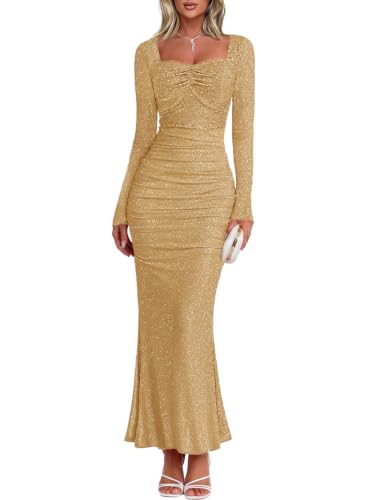
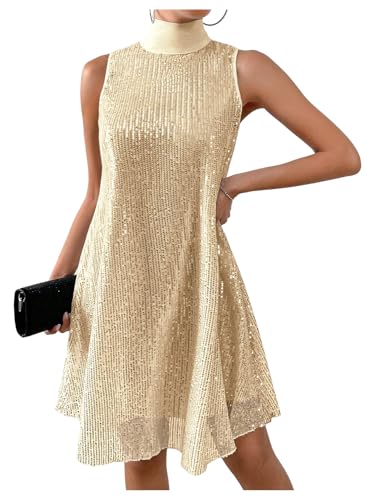
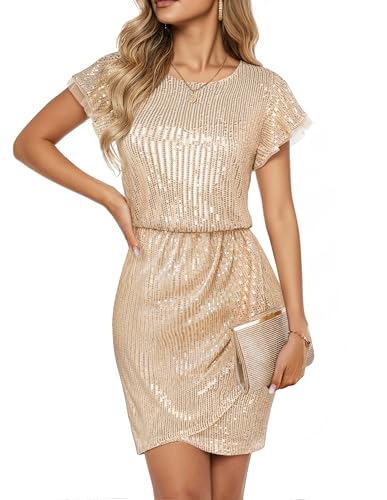
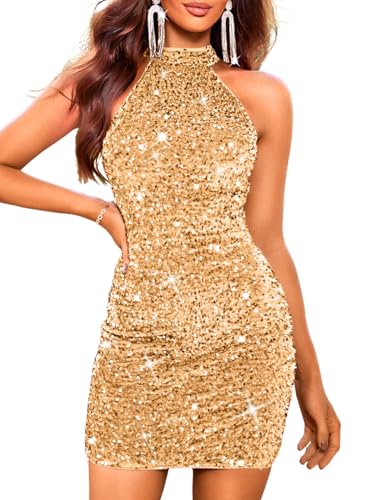
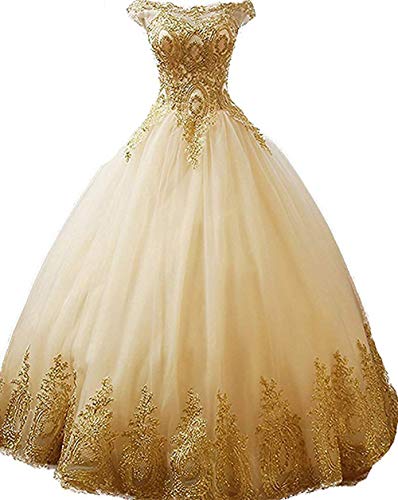
A gold cocktail dress may use gold-colored satin, metallic knit, sequins, foil print, beads, glitter tulle, or metallic thread. These constructions do not behave the same. Some produce a soft antique glow; others create mirror-like reflection. A useful comparison therefore starts with how the gold effect is made, not simply how bright it looks in the hero image.Browse the products above to compare the currently indexed marketplace selection. The guide below focuses on evidence-based fit, construction, event suitability, care, and seller verification rather than promising that every product tagged to the category is an exact match.Affiliate shopping note: MotherBrideDress may earn a commission from qualifying purchases. MotherBrideDress is an affiliate discovery website and does not manufacture, stock, sell, ship, or accept returns for the products displayed. Amazon or the listed marketplace seller controls the current price, size and color availability, seller identity, shipping estimate, item condition, and return terms. Confirm the exact selected variation and seller information on the live product page before checkout.









Frequently Asked Questions About Gold Cocktail Dress
What makes a cocktail dress look gold?
The effect may come from satin color, metallic thread, sequins, foil print, beads, glitter, or a combination. Construction determines comfort and durability.
Can I wear gold to a wedding?
Often yes, but avoid a pale bridal-looking style or a color reserved for the wedding party. Follow the invitation and host guidance.
What shoes go with a gold cocktail dress?
Black, nude-to-you, gold, bronze, burgundy, navy, emerald, and selected silver shoes can work depending on the gold undertone.
How do I stop sequins from scratching?
Choose full lining and finished edges, inspect underarms and neckline, and avoid keeping a dress that remains uncomfortable during movement.
Does gold fabric shed?
Glitter and some sequins may shed; metallic knits or satin usually behave differently. Read reviews and inspect the delivered dress.
Can a beaded gold dress be altered?
Sometimes, but bead removal and reattachment can raise cost. Ask a tailor before ordering when major changes are likely.
How should I store a metallic dress?
Follow the label, support its weight, keep it away from rough surfaces, and avoid crushing embellishment in a tightly packed closet.
Who controls the product return policy?
The listed marketplace seller controls the return terms for the selected variation. Verify them before checkout.
How to Choose Gold Cocktail Dress with Better Evidence
Treat the product grid as a discovery set rather than a guarantee that every listing is perfectly classified. Compare the actual selected variation against the decision criteria below.
Most important risk: The most common failure is prioritizing maximum shine over construction. A dress can photograph dramatically while shedding glitter, scratching the arms, pulling at weighted seams, or looking costume-like in ordinary light.
Classify the Metallic Finish Before Comparing Price
Soft antique gold
Muted brown or bronze undertones create a restrained effect. This often coordinates with warm skin tones and fall events but can look dull under cool light. Record the result instead of relying on memory. Small differences become easier to compare when several listings use similar photography and vague descriptions.
Yellow gold
A clear warm gold makes a strong statement. Check whether the color is even across panels and whether accessories create too much yellow saturation. Evaluate the actual selected variation, because a marketplace page may combine several colors, sizes, sellers, or related designs under one gallery.
Pale gold
Pale metallics overlap with champagne and ivory. Test wedding suitability and flash photography before committing. Consider both appearance and operation: comfort, support, closure, lining, and alteration feasibility affect whether the style works for a real event.
Rose-leaning gold
Copper or pink undertones move the dress toward rose gold. Verify the listing variation because names are often inconsistent. Do not let one attractive close-up outweigh weak information about the full silhouette, back view, or garment measurements.
Green or brassy gold
Some metallic threads reflect olive or brass. Customer photographs are essential when a refined gold tone is important. Use full-length front, side, and back views, then test the delivered garment while seated and moving. The category label cannot replace this evidence.
Fit Details That Change the Result
Weight distribution
Sequins and beads add weight. Check shoulder pressure, strap stability, waist drag, and whether the dress stretches during wear. Use full-length front, side, and back views, then test the delivered garment while seated and moving. The category label cannot replace this evidence.
Underarm and neckline comfort
Metallic edges can scratch. Run a finger along armholes, neckline, sleeve seams, and zipper tape before removing tags. Record the result instead of relying on memory. Small differences become easier to compare when several listings use similar photography and vague descriptions.
Lining mobility
The decorative shell may be flexible while the lining is narrow. Test sitting, a long stride, stairs, and dancing. Evaluate the actual selected variation, because a marketplace page may combine several colors, sizes, sellers, or related designs under one gallery.
Seam stress visibility
Reflective surfaces highlight puckering, loose thread, and misaligned motifs. Inspect side seams and zipper under normal light. Consider both appearance and operation: comfort, support, closure, lining, and alteration feasibility affect whether the style works for a real event.
Hem safety
Sequins, beads, and glittered tulle can catch shoes. Confirm the final length with event footwear and ask a tailor about alteration cost. Do not let one attractive close-up outweigh weak information about the full silhouette, back view, or garment measurements.
Measurements, Ease, and Movement
Take current measurements
Measure bust, waist, high hip, full hip, and the vertical dimensions relevant to the neckline, sleeve, waist seam, and hem. Measure over the undergarments planned for the event. Do not order from a remembered U.S. size because marketplace charts are not standardized. Do not let one attractive close-up outweigh weak information about the full silhouette, back view, or garment measurements.
Compare the garment, not only the body chart
When garment measurements are available, compare them with the body chart and consider intended ease. A fitted woven dress needs different room from a stretch sheath or full A-line. Ask the seller a precise question when the chart is incomplete. Use full-length front, side, and back views, then test the delivered garment while seated and moving. The category label cannot replace this evidence.
Test the complete range of motion
Walk at normal pace, sit for several minutes, climb stairs, reach forward, raise the arms, turn, and enter or leave a car. Watch for rising hems, twisting seams, opening wraps, slipping necklines, narrow linings, pressure, or scratchiness. Record the result instead of relying on memory. Small differences become easier to compare when several listings use similar photography and vague descriptions.
Wear the planned support and shoes
Bras, shapewear, hosiery, adhesive products, and heel height can change fit and hem position. Test them during the return window. A dress should not depend on painful support or unsafe footwear to look correct. Evaluate the actual selected variation, because a marketplace page may combine several colors, sizes, sellers, or related designs under one gallery.
Keep alteration limits visible
Simple hems and straps may be manageable, while lace borders, beadwork, complex sleeves, boning, or unusual seams can make changes expensive. Confirm feasibility before ordering when tailoring is likely. Consider both appearance and operation: comfort, support, closure, lining, and alteration feasibility affect whether the style works for a real event.
Fabric, Lining, and Surface Behavior
Gold sequins
Look for secure stitching, smooth backing, full lining, and controlled shedding. Dense sequins may be heavy and warm. Record the result instead of relying on memory. Small differences become easier to compare when several listings use similar photography and vague descriptions.
Metallic knit or lamé
These fabrics can stretch and reflect strongly. Check recovery, cling, snagging, and whether the surface becomes transparent when stretched. Evaluate the actual selected variation, because a marketplace page may combine several colors, sizes, sellers, or related designs under one gallery.
Gold satin
Satin offers color without hard embellishment. Inspect seam quality, wrinkles, water marks, and whether the finish is elegant or overly glossy. Consider both appearance and operation: comfort, support, closure, lining, and alteration feasibility affect whether the style works for a real event.
Foil print
A metallic coating can crack, rub, or peel with wear and cleaning. Read care instructions and recent reviews. Do not let one attractive close-up outweigh weak information about the full silhouette, back view, or garment measurements.
Beaded gold fabric
Beads create depth but increase weight and alteration complexity. Examine attachment at side seams, zipper, and hem. Use full-length front, side, and back views, then test the delivered garment while seated and moving. The category label cannot replace this evidence.
Metallic Durability and Light Management
A gold finish should be evaluated in motion. Sequins may flip, foil may crease, and metallic knit may stretch lighter across the body. Record a short video while walking and sitting; the changing reflections reveal construction issues that still photographs conceal.
Consider where the metallic surface contacts the body and environment. Underarms, inner sleeves, chair backs, clutch bags, coat linings, and seat belts create friction. A finish that survives a gentle home try-on may still need protection during travel and a long event.
Gold can dominate camera exposure. Test the dress beside faces in flash photography; an intensely reflective bodice may become a bright patch while facial detail darkens. Softer antique gold or localized embellishment can be easier to photograph.
Repairability affects value. Spare sequins or beads, accessible seam allowance, and a stable base fabric make damage easier to address. Printed glitter without repair options may be inexpensive initially but less practical for repeat wear.
Match the Dress to the Real Occasion
Holiday party
Gold is naturally festive, but office events may require a simpler silhouette and controlled coverage. Evaluate the actual selected variation, because a marketplace page may combine several colors, sizes, sellers, or related designs under one gallery.
New Year celebration
High shine can suit the event. Prioritize secure construction and movement because the dress may be worn for hours. Consider both appearance and operation: comfort, support, closure, lining, and alteration feasibility affect whether the style works for a real event.
Cocktail wedding
Gold can work when it does not conflict with the wedding party or bridal styling. Pale gold deserves extra caution. Do not let one attractive close-up outweigh weak information about the full silhouette, back view, or garment measurements.
Birthday or anniversary
Choose a finish that feels intentional in the venue’s lighting rather than only in studio photography. Use full-length front, side, and back views, then test the delivered garment while seated and moving. The category label cannot replace this evidence.
Formal reception
A structured metallic dress may suit the setting, but floor-length gowns and cocktail dresses answer different dress codes. Record the result instead of relying on memory. Small differences become easier to compare when several listings use similar photography and vague descriptions.
Accessories and Outfit Balance
Let the dress carry the shine
Use simpler jewelry when the surface is fully sequined or beaded. Consider both appearance and operation: comfort, support, closure, lining, and alteration feasibility affect whether the style works for a real event.
Select a compatible metal
Match or deliberately contrast the dress’s yellow, antique, bronze, or rose undertone. Do not let one attractive close-up outweigh weak information about the full silhouette, back view, or garment measurements.
Use black for definition
Black shoes, bag, or outerwear can ground bright gold and reduce a costume effect. Use full-length front, side, and back views, then test the delivered garment while seated and moving. The category label cannot replace this evidence.
Consider jewel-tone accents
Emerald, burgundy, navy, and deep purple can create purposeful contrast for evening events. Record the result instead of relying on memory. Small differences become easier to compare when several listings use similar photography and vague descriptions.
Protect the surface
Choose smooth bags and jewelry without prongs or rough chains that can catch embellishment. Evaluate the actual selected variation, because a marketplace page may combine several colors, sizes, sellers, or related designs under one gallery.
How to Evaluate the Exact Marketplace Listing
Begin by selecting the intended size and color. Then reread the title, seller, condition, price, delivery estimate, material description, size chart, and return policy. Marketplace pages can change when the variation changes, so information seen before selection may not apply to the final item.
- Identify whether the gold effect comes from fabric color, sequins, foil, glitter, beads, or thread.
- Review customer video for movement and ordinary-room reflection.
- Read repeated comments about shedding, scratchiness, weight, and zipper quality.
- Check whether the selected size changes the seller or return terms.
- Confirm alteration feasibility before ordering a beaded or bordered hem.
- Inspect the dress immediately for missing pieces and color inconsistency.
Reviews are most useful when they include body measurements, height, selected size, recent purchase date, photographs, movement comments, and seller-specific details. A short statement such as “beautiful” or “bad quality” is less diagnostic than repeated evidence about fit, fabric, color, closure, or returns.
Save screenshots of the selected variation and terms when the event date makes accuracy important. Do not assume a delivery estimate, sale price, or return window will remain unchanged.
Delivery Inspection and Return-Window Test
- Confirm that the delivered color, size, brand, seller information, and included pieces match the order.
- Inspect seams, zipper, hooks, lining, hem, embellishment, stains, odors, pulls, and signs of prior wear before trying the dress for an extended period.
- Test the dress in daylight, indoor light, and flash; take front, side, and back photographs at normal posture.
- Repeat sitting, walking, stairs, arm movement, and outerwear tests with the planned support and shoes.
- Keep tags, packaging, spare pieces, and order documentation until the dress passes every check and the return decision is complete.
Complete these checks promptly. Event clothing often fails because inspection is delayed until the exchange or alteration window has closed. A backup plan is reasonable when timing is tight or the listing has inconsistent reviews.
Alterations, Care, and Storage
Read the sewn-in care label and compare it with the listing. Do not assume all garments in the category can be washed, steamed, or pressed the same way. Test heat and stain treatment only when the label permits it, and use professional care when delicate fabric or embellishment requires it.
Ask a tailor before ordering when the likely alteration crosses a zipper, boning, lace motif, beaded area, shaped hem, sleeve, or complex lining. The total cost and risk may change which listing offers better value.
Store the accepted dress clean, fully dry, and protected from rough surfaces. Support heavy garments, avoid crushing velvet or embellishment, and leave enough space that the neckline, sleeves, and hem do not distort before the event.
Common Shopping Mistakes
- Judging metallic quality only by brightness.
- Ignoring the weight of beads or sequins.
- Choosing rough accessories that snag the surface.
- Assuming pale gold is automatically wedding-guest safe.
- Planning a simple hem without checking embellishment placement.
- Keeping a dress that scratches during a short try-on.
A practical decision rule is to reject a dress that succeeds only in a still front photograph. Keep the option that fits the actual event, survives movement, coordinates with the planned outfit, arrives with workable seller terms, and requires no uncertain last-minute correction.
Final Shopping Checklist
- Confirm the exact category intent, selected variation, seller, and current return terms.
- Take current measurements and compare the correct chart rather than a familiar size label.
- Check neckline, shoulder, bust, waist, hip, sleeve, lining, and actual hem placement.
- Review fabric opacity, stretch, reflection, surface comfort, and care requirements.
- Test sitting, walking, stairs, reaching, dancing, shoes, support, and outerwear.
- Inspect the delivered condition and color in several lighting environments.
- Estimate tailoring, cleaning, accessory, and backup costs before final acceptance.
- Keep tags and packaging until the complete decision is finished.
Explore Related Dress Collections
Use these related MotherBrideDress category pages to change one shopping variable at a time. The internal links are intended to separate color, occasion, size, and formality rather than force every adjacent keyword onto one page.
Affiliate shopping note: MotherBrideDress may earn a commission from qualifying purchases. MotherBrideDress is an affiliate discovery website and does not manufacture, stock, sell, ship, or accept returns for the products displayed. Amazon or the listed marketplace seller controls the current price, size and color availability, seller identity, shipping estimate, item condition, and return terms. Confirm the exact selected variation and seller information on the live product page before checkout.