
Floral Cocktail Dress
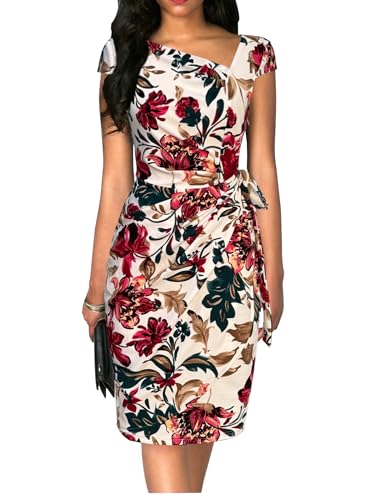
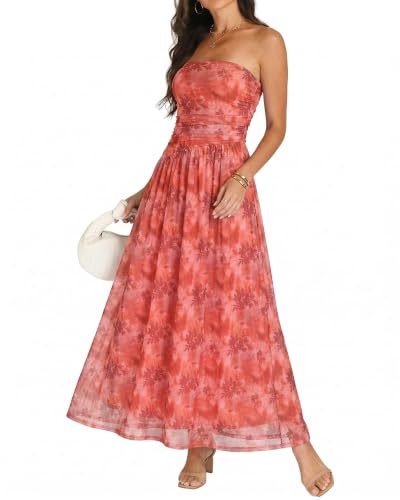
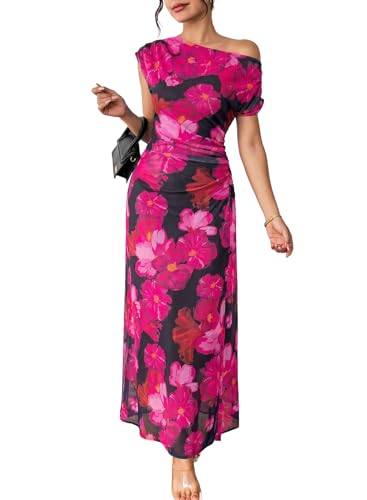
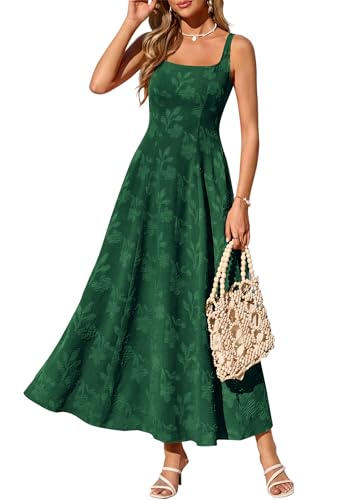
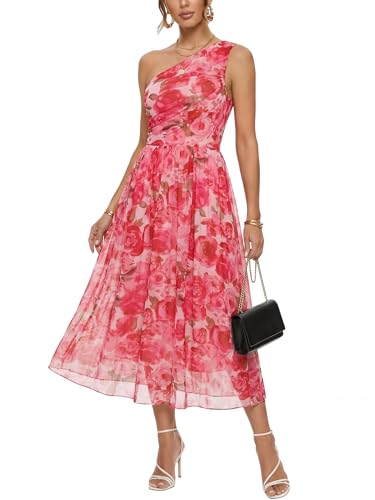
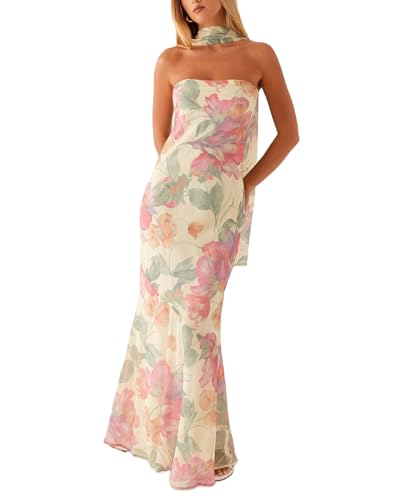
A floral cocktail dress combines a semi-formal silhouette with a printed, embroidered, appliquéd, or woven flower motif. The important distinction is not simply whether flowers appear on the garment, but how the motif behaves across the bodice, seams, skirt, lighting, and event setting. Browse the products above to compare the currently indexed marketplace selection. The guide below focuses on fit evidence, construction quality, event suitability, care, and seller verification rather than promising that every product tagged to the category is an exact match.
Affiliate shopping note: MotherBrideDress may earn a commission from qualifying purchases. MotherBrideDress does not manufacture, stock, sell, ship, or accept returns for the products displayed. Amazon or the listed marketplace seller controls the current price, size and color availability, seller identity, shipping estimate, item condition, and return terms. Confirm the exact selected variation and seller information on the live product page before checkout.






Frequently Asked Questions About Floral Cocktail Dress
Can I wear a floral cocktail dress to a wedding?
Usually yes when the dress matches the invitation and venue. Avoid an overwhelmingly white or bridal-looking floral unless the couple approves it.
Are floral cocktail dresses only for spring?
No. Dark-ground, jewel-tone, muted, or embroidered florals can work in fall and winter as well as spring and summer.
How do I choose the right floral print size?
Review full-length photos and consider how the motif lands on your proportions. There is no universal rule that small or large prints suit everyone.
What shoes go with a floral cocktail dress?
Neutral, metallic, or one-color shoes drawn from the print can work. The formality and venue should guide heel height and construction.
How can I tell whether a pale floral dress is sheer?
Check lining details, customer photos, and reviews, then test the delivered dress in daylight and with phone flash.
Can an embroidered floral dress be altered?
Often yes, but embroidery crossing seams or hems can make changes more expensive and may require repositioning the motif.
Should my bag match the flowers?
It does not need to match exactly. A simple bag that repeats one tone or uses a neutral or metallic finish is usually sufficient.
Does MotherBrideDress sell the dresses directly?
No. MotherBrideDress is an affiliate discovery website; Amazon or the listed seller controls the sale, shipping, and returns.
How to Choose Floral Cocktail Dress with Better Evidence
Shoppers usually want a dress that feels celebratory and less severe than a solid color while remaining polished enough for weddings, showers, dinners, garden parties, and seasonal events. They need help interpreting print scale, background color, motif placement, and the difference between daytime floral and evening floral. Start with the real event, your current measurements, the planned shoes and undergarments, and the seller’s exact variation. Then compare construction and movement before deciding which listing deserves further attention.
Most important risk: The largest risk is judging the print from one cropped studio image. Scale, placement, transparency, and color balance can look completely different on the delivered garment and on different body proportions. A visually attractive listing is not enough evidence of fit, comfort, or event appropriateness. Use a repeatable comparison method so photography does not outweigh practical information.
Popular Constructions and What They Change
Small scattered floral
A fine repeat reads softly and can work across many silhouettes. Check whether the print becomes visually busy at gathers, ruching, or pleats. Compare the description with full-length front, side, and back photographs. A category label describes intent, but seams, lining, closure, and surface treatment determine how the dress actually performs.
Large botanical print
Oversized flowers create strong focal points. Placement over the bust, waist, hips, and center seams can change from one cut garment to another. Compare the description with full-length front, side, and back photographs. A category label describes intent, but seams, lining, closure, and surface treatment determine how the dress actually performs.
Dark-ground floral
A black, navy, burgundy, or deep green base can make floral print suitable for evening events. Confirm that the contrast does not disappear under dim lighting. Compare the description with full-length front, side, and back photographs. A category label describes intent, but seams, lining, closure, and surface treatment determine how the dress actually performs.
Pastel garden print
Light grounds suit spring and daytime celebrations, but pale backgrounds require opacity checks and wedding etiquette review. Compare the description with full-length front, side, and back photographs. A category label describes intent, but seams, lining, closure, and surface treatment determine how the dress actually performs.
Embroidered floral
Threadwork adds texture and formality. Inspect the reverse side, lining, loose threads, and whether embroidery crosses alteration seams. Compare the description with full-length front, side, and back photographs. A category label describes intent, but seams, lining, closure, and surface treatment determine how the dress actually performs.
Floral lace or appliqué
Raised flowers can look dimensional in photos but may snag on bags, jewelry, and chair backs. Check attachment quality and weight. Compare the description with full-length front, side, and back photographs. A category label describes intent, but seams, lining, closure, and surface treatment determine how the dress actually performs.
Watercolor or ombré floral
Soft transitions can look elegant, though product images may exaggerate saturation. Customer photos reveal the true color cast more reliably. Compare the description with full-length front, side, and back photographs. A category label describes intent, but seams, lining, closure, and surface treatment determine how the dress actually performs.
Measurements and Proportion Checks
Take fresh measurements over the undergarments planned for the event. Do not rely on a familiar U.S. size number, a general brand reputation, or the size worn by a model. Marketplace listings may combine products, sellers, and charts. The least adjustable area should usually guide size selection, while planned tailoring should be confirmed before purchase.
Motif placement
Look at the front, back, and side. A flower centered in an awkward location or abruptly cut at a seam can dominate the entire dress. Record the result rather than relying on memory. Repeat the check while seated and moving because a dress can look balanced in a still front view while failing at the side, back, or under normal activity.
Pattern scale
The same print may look larger or smaller according to garment size. Reviews with full-length customer photos provide better scale evidence than close crops. Record the result rather than relying on memory. Repeat the check while seated and moving because a dress can look balanced in a still front view while failing at the side, back, or under normal activity.
Bodice alignment
Wrap fronts, darts, princess seams, and ruching distort prints. Determine whether that movement looks intentional rather than expecting perfect symmetry. Record the result rather than relying on memory. Repeat the check while seated and moving because a dress can look balanced in a still front view while failing at the side, back, or under normal activity.
Hem and skirt shape
A border print may require a specific hem length. Shortening can remove the intended design or create an unbalanced final row of flowers. Record the result rather than relying on memory. Repeat the check while seated and moving because a dress can look balanced in a still front view while failing at the side, back, or under normal activity.
Opacity and lining
White or pastel backgrounds can become transparent under daylight or flash. Check the outer fabric and lining together while moving and sitting. Record the result rather than relying on memory. Repeat the check while seated and moving because a dress can look balanced in a still front view while failing at the side, back, or under normal activity.
Fabric, Lining, and Surface Quality
Printed chiffon
Chiffon gives flowers soft movement and can blur the motif across layers. Verify that the lining prevents transparency without making the dress heavy. Fiber names alone do not establish quality. Inspect opacity, lining, seam finish, zipper insertion, stretch recovery, edge treatment, and how the material behaves under ordinary light.
Cotton or cotton blend
A crisp floral cotton can suit daytime events and showers. Fabric weight, wrinkle recovery, and seam finish determine whether it reads as cocktail rather than casual. Fiber names alone do not establish quality. Inspect opacity, lining, seam finish, zipper insertion, stretch recovery, edge treatment, and how the material behaves under ordinary light.
Satin print
Satin intensifies color and highlights. The print may look different across reflective folds, so review video and flash photography. Fiber names alone do not establish quality. Inspect opacity, lining, seam finish, zipper insertion, stretch recovery, edge treatment, and how the material behaves under ordinary light.
Jacquard
Woven flowers create tonal texture and structure. Jacquard often looks formal but may feel warmer and less flexible than printed fabric. Fiber names alone do not establish quality. Inspect opacity, lining, seam finish, zipper insertion, stretch recovery, edge treatment, and how the material behaves under ordinary light.
Mesh embroidery
Floral embroidery over mesh can produce an illusion effect. Check skin-tone lining, scratchy backing, and whether the motif is securely attached. Fiber names alone do not establish quality. Inspect opacity, lining, seam finish, zipper insertion, stretch recovery, edge treatment, and how the material behaves under ordinary light.
Movement and Long-Event Comfort
A cocktail dress should survive more than a mirror pose. Walk at normal and quick pace, sit for several minutes, climb stairs, reach forward, turn, and enter or leave a car. Watch for rising hems, opening wraps, twisting side seams, pulling linings, slipping necklines, scratch points, static, and pressure that develops gradually.
Test the complete outfit, including the planned bra or support solution, hosiery, shoes, bag, jewelry, and outer layer. Accessories can change fit and safety: a chain strap may snag, a coat may crush sleeves, or a heel may catch a hem. Comfort is a quality criterion, not a secondary luxury.
Matching the Dress to the Occasion
Garden wedding
Floral is a natural choice, but the dress must still match the stated formality and should not imitate the bridal gown or wedding-party palette without approval. Read the invitation and venue information before assuming that the product title establishes the dress code. Formality comes from length, fabric, silhouette, coverage, detail, styling, time, and setting together.
Bridal or baby shower
Pastel and daytime florals often suit showers. Choose a polished silhouette so the outfit does not look like ordinary weekend wear. Read the invitation and venue information before assuming that the product title establishes the dress code. Formality comes from length, fabric, silhouette, coverage, detail, styling, time, and setting together.
Evening dinner
Dark backgrounds, richer color, satin, jacquard, or controlled metallic thread can make floral appropriate after dark. Read the invitation and venue information before assuming that the product title establishes the dress code. Formality comes from length, fabric, silhouette, coverage, detail, styling, time, and setting together.
Spring and summer party
Breathable fabric and brighter motifs work well, provided lining, sun exposure, and outdoor wind have been considered. Read the invitation and venue information before assuming that the product title establishes the dress code. Formality comes from length, fabric, silhouette, coverage, detail, styling, time, and setting together.
Fall event
Rust, burgundy, olive, navy, and muted botanical prints can suit autumn without requiring heavy fabric. Read the invitation and venue information before assuming that the product title establishes the dress code. Formality comes from length, fabric, silhouette, coverage, detail, styling, time, and setting together.
Accessories, Shoes, and Outfit Balance
Let the print lead
Use one or two colors from the motif for shoes, bag, or jewelry rather than matching every shade. Build the outfit after seeing the actual delivered garment, because screen color, texture, and proportion can differ from the listing.
Control competing patterns
A solid wrap or jacket is usually easier than adding another print. Texture can add interest without creating visual conflict. Build the outfit after seeing the actual delivered garment, because screen color, texture, and proportion can differ from the listing.
Choose jewelry by neckline
Simple earrings and a bracelet often work better when flowers already frame the face or bodice. Build the outfit after seeing the actual delivered garment, because screen color, texture, and proportion can differ from the listing.
Plan photography
Take a full-length photo at event-like distance. A print that looks balanced in the mirror may become much busier in a small photograph. Build the outfit after seeing the actual delivered garment, because screen color, texture, and proportion can differ from the listing.
How to Evaluate a Marketplace Listing
Use seller photographs to identify the intended silhouette, then use current customer photos and detailed reviews to test whether the listing delivers it. Reviews are most useful when they include measurements, height, selected size, fabric comments, color evidence, movement, and seller-specific information. A review that only says “beautiful” or “bad” provides little diagnostic value.
- Verify full garment photos, not only detail crops.
- Verify print placement on the exact variation.
- Verify background color and opacity.
- Verify fabric type and whether flowers are printed or attached.
- Verify border-print position.
- Verify seller return policy.
Before checkout, reselect the exact size and color, then confirm the seller, condition, current price, delivery estimate, and return eligibility. Save a screenshot when the event date makes variation accuracy important. Similar-looking listings can have different charts and terms.
What to Check Immediately After Delivery
- Check print alignment at center and side seams.
- Inspect appliqué and embroidery attachment.
- Photograph under daylight, indoor light, and flash.
- Test the lining while seated.
- Compare the received print placement with listing expectations.
Complete the inspection early in the return window. Keep tags, packaging, spare pieces, and seller documentation until the dress has passed fit, movement, condition, color, and outfit tests. Do not wait until the event week to discover a construction or variation problem.
Alterations, Care, and Storage
Border prints and embroidered hems limit shortening options.
Side-seam changes may interrupt large motifs or embroidery.
A plain printed dress is generally easier to alter than dense appliqué, but pattern placement can still shift after taking in the bodice.
Follow the care label rather than a generic fabric assumption. Test steam on a hidden area when appropriate, support heavy garments correctly, protect delicate surfaces from rough hangers and accessories, and avoid permanent changes until the seller’s return conditions are understood.
Common Shopping Mistakes
- Matching accessories to every color in the print.
- Assuming all florals are appropriate for every wedding.
- Ignoring where oversized motifs land.
- Ordering pale chiffon without an opacity check.
- Hemming away a border print before consulting a tailor.
Another mistake is assuming that a category with many products contains only exact matches. Affiliate and marketplace taxonomies can be broad, stale, or inaccurate. Judge each product against the category definition and skip listings that do not provide enough evidence for a responsible purchase decision.
Final Shopping Checklist
- Identify whether flowers are printed, woven, embroidered, or applied.
- Check motif scale in full-length images.
- Review placement across seams and darts.
- Test pale backgrounds for transparency.
- Match the print to season and dress code.
- Keep accessories controlled.
- Ask about border-print alterations.
- Verify seller, delivery, and returns.
Explore Related Dress Collections
Use these related MotherBrideDress category pages to compare broader and narrower intents. Internal links should help shoppers change one decision variable at a time rather than forcing every color, length, fabric, and occasion onto one page.
Affiliate shopping note: MotherBrideDress may earn a commission from qualifying purchases. MotherBrideDress does not manufacture, stock, sell, ship, or accept returns for the products displayed. Amazon or the listed marketplace seller controls the current price, size and color availability, seller identity, shipping estimate, item condition, and return terms. Confirm the exact selected variation and seller information on the live product page before checkout.