
Long-Sleeve Cocktail Dresses for Women
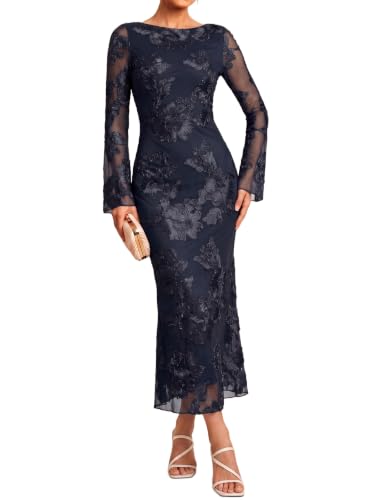
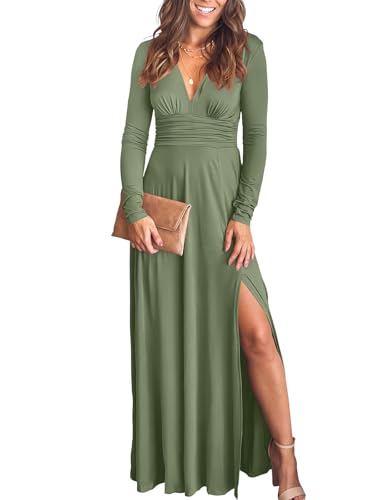
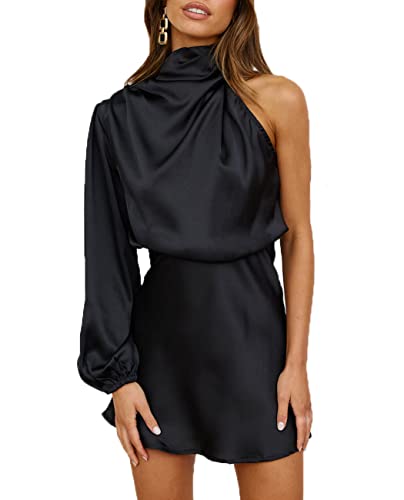
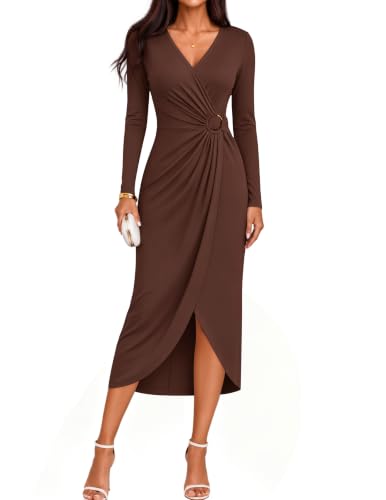
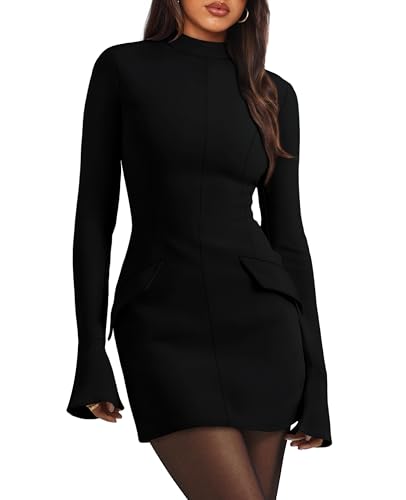
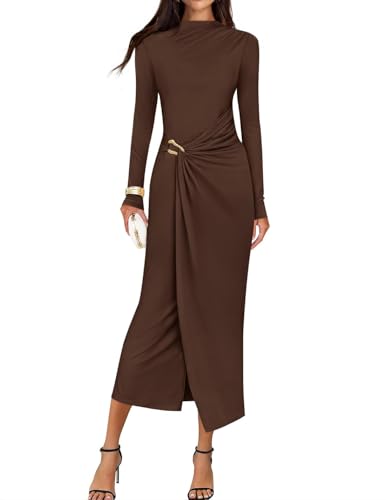
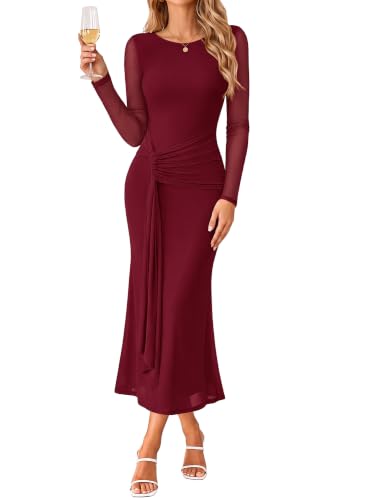
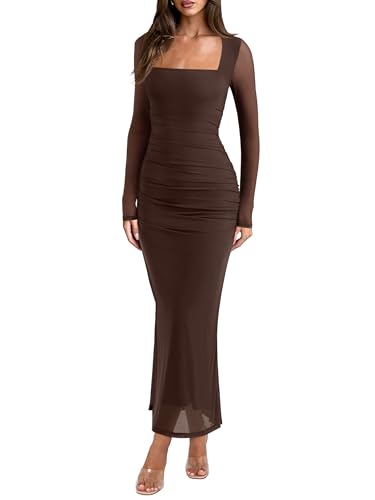
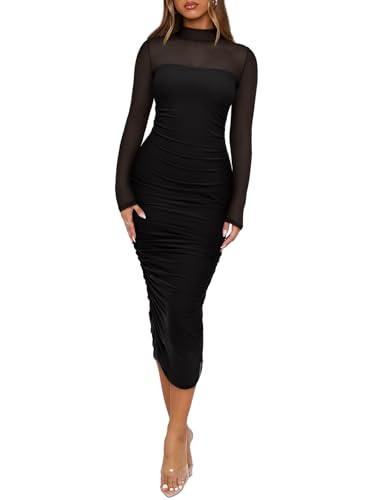
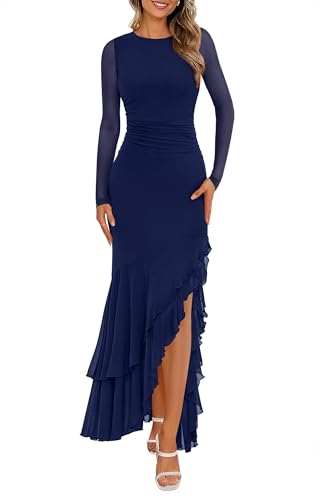
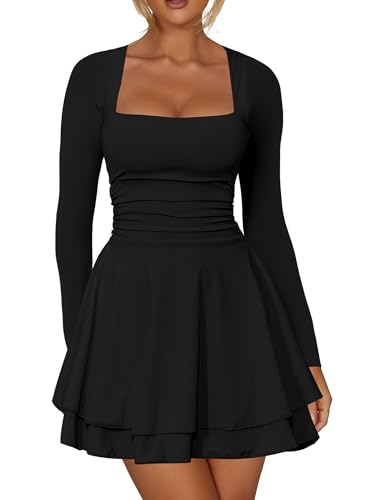
Long-sleeve cocktail dresses provide arm coverage while maintaining the polished length and structure associated with cocktail attire. The products below may include fitted lace sleeves, sheer mesh sleeves, puff sleeves, bishop sleeves, bell sleeves, wrap dresses, sequined minis, velvet midis, satin designs, and plus-size options for weddings, holiday parties, work celebrations, dinners, and evening events.
The sleeve is part of the fit, not merely decoration. Check upper-arm circumference, shoulder mobility, cuff width, lining, and whether the outer fabric stretches. A long-sleeve dress can feel restrictive even when the waist and hip fit correctly.
Compare the broader cocktail dresses collection, elegant cocktail dresses, and plus-size cocktail dresses when you need another level of formality or fit. Verify current seller, measurements, delivery, and returns on the final retailer page.







Frequently Asked Questions About Long-Sleeve Cocktail Dresses for Women
Are long-sleeve dresses appropriate for cocktail attire?
Yes. A knee, midi, or polished shorter dress in lace, crepe, satin, velvet, mesh, or sequins can meet cocktail dress codes when the venue and invitation support it.
What sleeve measurements should I check?
Measure upper-arm circumference, shoulder width, and sleeve length. Check cuff width and whether both outer fabric and lining stretch.
Are lace cocktail sleeves comfortable?
They can be when the lace is soft and seams are finished. Check underarms, cuffs, appliqué backing, and transparency before the return deadline.
Can I wear a long-sleeve cocktail dress in summer?
Yes, with lightweight mesh, lace, chiffon, or crepe and breathable lining. Consider outdoor heat and indoor air conditioning.
Which long-sleeve fabrics work for winter?
Velvet, ponte, heavier crepe, satin, sequins, and lined lace suit cooler seasons, though indoor venues may still be warm.
What length works best with long sleeves?
Mini, knee, midi, and tea lengths can all work. Choose according to dress code, seated coverage, height, and the event.
How should I test sleeve mobility?
Raise the arms, reach forward, bend the elbows, hug, sit, and try the planned coat. The bodice should not pull upward.
Can sequined sleeves be altered?
They can, but the work may be complex and expensive because embellishment must be removed and replaced around seams.
What should I verify on the final retailer page?
Check seller, current price, size chart, sleeve and lining material, closure, delivery, returns, care, and recent customer photographs.
What Makes a Long-Sleeve Dress Cocktail Appropriate?
Cocktail attire generally sits between casual daywear and full formal eveningwear, but venue and invitation wording matter. A knee or midi dress in lace, crepe, satin, velvet, or sequins can suit cocktail dress codes. A long sleeve adds coverage and seasonal practicality without automatically making the dress conservative or formal.
Evaluate the complete garment. A bodycon mini with sheer sleeves feels different from a tea-length crepe wrap dress or a velvet midi. The event, fabric, neckline, and hem determine the final level.
Fitted Long Sleeves
Fitted sleeves create a clean line but require accurate upper-arm, elbow, and wrist measurements. Woven lace and satin may have little stretch. Mesh or jersey can be more flexible, though the lining or seam may remain rigid.
Raise both arms, reach forward, and sit with the elbows bent. If the shoulder pulls or the sleeve twists, sizing up the entire dress may not solve the pattern issue.
Sheer Lace and Mesh Sleeves
Sheer sleeves provide visual coverage while keeping the dress lighter. Lace creates texture; mesh can appear nearly invisible. Check seam softness, transparency under flash, and whether appliqués scratch the skin.
A nude mesh may not match every skin tone, and a listing image may edit the color. Customer photos reveal the real contrast more accurately.
Puff and Balloon Sleeves
Puff sleeves add volume at the shoulder, while balloon or bishop sleeves gather near the cuff. They can make a simple dress distinctive and work well for modern, romantic, or holiday styling. Check whether the volume fits under a coat or blazer.
Elastic cuffs should remain comfortable without leaving deep marks. Large sleeves can interfere with dining or catch on rough accessories.
Bell and Fluttered Long Sleeves
Bell sleeves widen toward the wrist and create movement. They pair with sheath, shift, and bohemian cocktail silhouettes. The opening should not drag through food or cover the hands.
For practical events, a bracelet-length bell sleeve may offer the look with less interference.
Velvet Long-Sleeve Cocktail Dresses
Velvet provides warmth and depth for fall, winter, holiday, and evening events. Dark colors look rich, while jewel tones create stronger impact. Velvet can feel hot in heated venues, so test the dress indoors.
Store velvet without crushing the pile and follow the care label. Direct ironing can damage the surface.
Long-Sleeve Sequin Dresses
Sequins suit holiday parties, New Year events, birthdays, and evening receptions. Fully sequined sleeves may feel heavy or scratchy at the underarm and cuff. Check lining and the way embellishment is attached.
Alterations can be expensive because sequins must be removed and replaced at seams or hems. Choose the closest practical fit.
Lace, Crepe, and Satin
Lace provides texture and can shift from romantic to formal depending on the lining. Crepe gives a clean matte surface suitable for work events and weddings. Satin reflects light and suits draped or structured designs but shows wrinkles and tension.
Fabric weight affects sleeve comfort. A heavy lined sleeve can be warmer and more restrictive than the skirt suggests.
Mini, Knee, and Midi Lengths
Long sleeves can balance a shorter hem, but seated coverage still matters. Knee and midi lengths are versatile for weddings, work parties, and dinners. Tea length can feel more formal or vintage.
Use tea-length cocktail dresses when you prefer a longer skirt. Compare actual measurements rather than the model photograph.
Long-Sleeve Cocktail Dresses for Weddings
For a wedding, match the invitation and season. Lace or floral sleeves can suit daytime ceremonies, while velvet, satin, or sequins may fit evening events. Avoid white or near-white unless the couple has clearly approved it.
Check venue temperature and terrain. A warm long-sleeve dress can become uncomfortable at a summer outdoor ceremony.
Work Parties and Professional Events
Crepe, ponte, wrap, and structured long-sleeve midis can move from office to dinner. Review neckline, hem, transparency, and whether the sleeves fit under a jacket. The dress should remain polished while seated.
A removable blazer or belt can change the formality without altering the dress.
Holiday and Winter Styling
Velvet, sequins, metallic thread, jewel tones, black, burgundy, emerald, navy, and red are common for cold-season cocktail events. Plan a coat that fits the sleeves and does not crush embellishment.
Indoor heating can be strong. A breathable lining and manageable sleeve fabric may be more comfortable than a very heavy gown.
Spring and Summer Long Sleeves
Long sleeves can work in warm weather when they use unlined lace, mesh, chiffon, or lightweight crepe. Pale colors and floral prints support daytime events. Check sun exposure and transparency.
A dress marketed as lightweight may still have polyester lining. Review fiber content and customer comments about heat.
Neckline Pairings
High necks create more coverage, V-necks open the upper body, square necks add structure, and wrap necklines offer diagonal lines. Use neckline categories to compare the options.
Long sleeves do not guarantee bra coverage. Test the neckline, back, and shoulder seams with the planned undergarment.
Upper-Arm and Shoulder Measurements
Measure the fullest upper arm, shoulder width, and sleeve length. If the listing does not provide sleeve dimensions, read reviews for specific comments and choose a seller with a clear return policy.
The sleeve should allow normal reaching, hugging, driving, and dancing. A tight armhole can pull the entire bodice upward.
Layering Without Bulk
A long-sleeve dress may still require outerwear. Try the coat, shawl, or blazer over the actual sleeves. Bulky puff sleeves under a narrow coat create pressure and wrinkles.
For indoor styling, avoid adding a heavy scarf or necklace that competes with a high neckline or embellished sleeve.
Shoes and Accessories
Choose accessories according to the dress texture. Sequins need minimal jewelry; plain crepe can support a statement piece. Nude, black, metallic, or coordinated-color shoes can work.
Make sure bracelets do not catch lace or mesh. A smooth clutch is safer than a rough chain bag near delicate sleeves.
Home Fit Test
Wear the dress for at least fifteen minutes. Sit at a table, bend the elbows, raise the arms, reach forward, and put on the planned coat. Inspect the sleeve seams, cuffs, zipper, and underarm.
Check the hem while seated and the fabric under flash. Keep tags attached until the full test is complete.
Affiliate Shopping Checks
MotherBrideDress.com may link to Amazon or another third-party retailer. The final seller controls current price, size stock, shipping, product specifications, and returns.
Verify sleeve material, lining, upper-arm measurements, closure, care instructions, delivery date, and customer photos before purchasing.
Common Long-Sleeve Cocktail Dress Mistakes
- Choosing by bust and waist while ignoring the upper arm.
- Assuming mesh or lace sleeves always stretch.
- Buying a heavy velvet dress for a heated venue.
- Using puff sleeves without testing a coat.
- Ignoring seated hem coverage.
- Adding jewelry that snags delicate sleeves.
- Depending on difficult sequin alterations.
- Waiting until after the return deadline to test movement.
Choose Sleeves That Work Through the Entire Event
The strongest long-sleeve cocktail dress balances coverage, mobility, fabric, temperature, hem, and dress code. Use the grid to compare sleeve construction first, then verify the complete fit and live retailer details.
Return to cocktail dresses or compare elegant, tea-length, two-piece, and plus-size cocktail categories for a different silhouette.
Choosing a Long-Sleeve Cocktail Dress by Venue
A hotel ballroom can support velvet, sequins, satin, and fitted lace. A restaurant dinner may favor crepe, a wrap midi, or a simpler sheath. Outdoor fall events need practical layers and stable shoes, while heated holiday venues can make a heavy dress uncomfortable. Match the sleeve and fabric to the actual environment.
Consider chairs, coat storage, dance space, and travel. Large balloon sleeves may be difficult at a crowded table even when they look striking in photographs.
Long Sleeves for Different Levels of Coverage
A sheer mesh sleeve provides visual coverage but may reveal the arm completely under bright light. Lined lace offers more coverage and warmth. Opaque crepe, knit, or velvet sleeves create a cleaner line. Choose according to personal preference and the ceremony setting.
Check the back and neckline as well. Long sleeves do not make a low-back or deep-neck dress automatically modest.
Cuff Details and Practicality
Buttons, elastic, zippers, ruffles, and embellished cuffs change the way a sleeve fits and functions. A tight cuff may become uncomfortable while dining; a wide flared cuff can drag through food. Test watches and bracelets with the sleeve.
For a work-related event, a clean bracelet-length sleeve may be easier than a dramatic floor-grazing bell cuff.
Long-Sleeve Dresses for Travel
Stretch crepe, ponte, and jersey often recover after sitting and packing. Velvet and satin require more protection, while sequins can catch other garments. Pack sleeves flat and avoid placing heavy objects on puffed or structured shoulders.
Bring a lint roller and garment-safe wrinkle plan. Do not assume a hotel iron is suitable for mesh, velvet, or synthetic satin.
Photographing Sleeves and Details
Dark lace and velvet can lose texture in low light. Sheer sleeves can appear more transparent under flash. Take a test photograph from the front, side, and back before the return period ends.
If the sleeve is the main design feature, choose a bag and outer layer that will not cover it throughout the event.
After-Event Care
Inspect underarms, cuffs, and embellishment for stains or loose threads before storage. These areas receive more friction than the skirt. Follow the label for cleaning and do not rub sequins or lace aggressively.
Store the dress with sleeves supported rather than twisted. Heavy embellished dresses may need folding with acid-free tissue or professional storage.
Final Sleeve-and-Fit Decision
Before keeping a long-sleeve cocktail dress, compare the sleeve pattern with the actual activity planned for the event. A fitted lace sleeve may be appropriate for dinner but restrictive for dancing; a balloon sleeve can be comfortable yet difficult beneath a coat. Review the full outfit rather than treating the sleeve as a separate feature.
Inspect the garment soon after arrival, while the return period is open. Test the sleeve, neckline, hem, closure, shoes, and outer layer together under daylight and indoor light.