
Black Cocktail Dresses
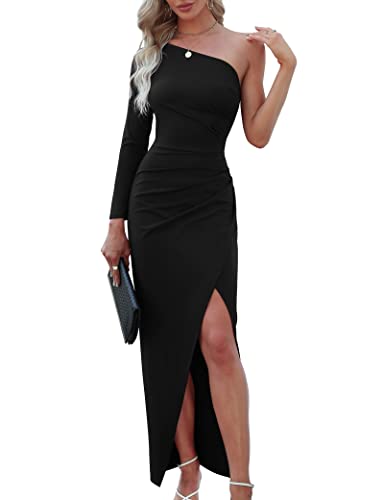
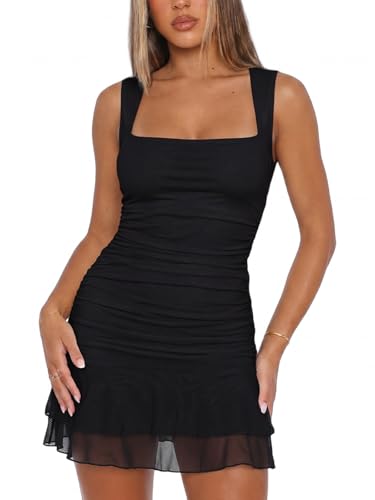
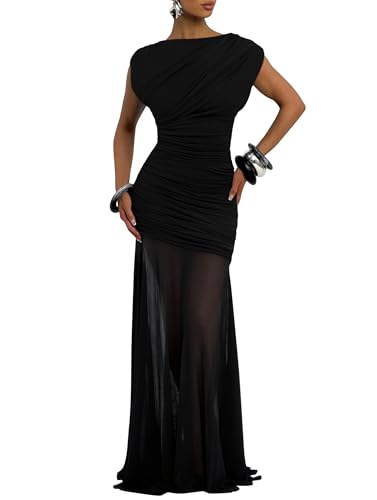
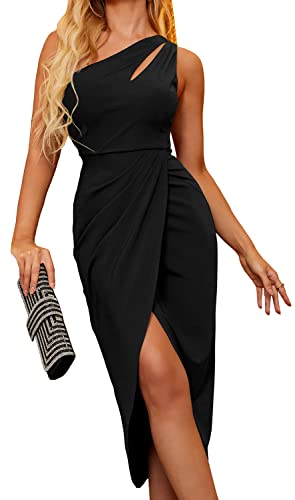
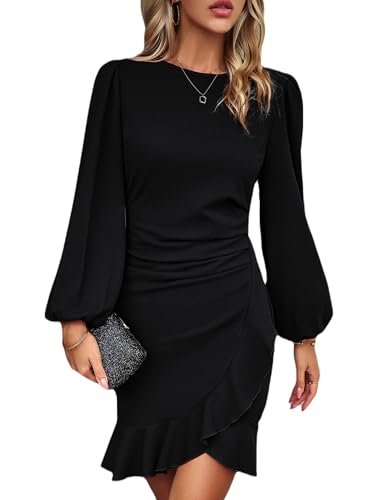
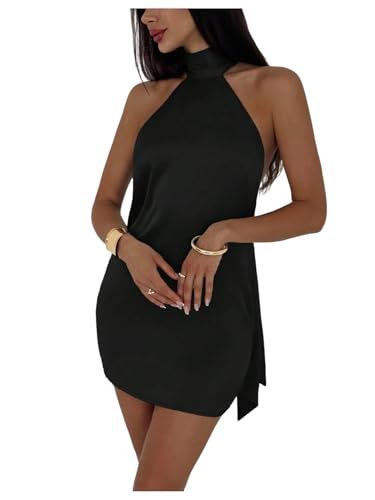
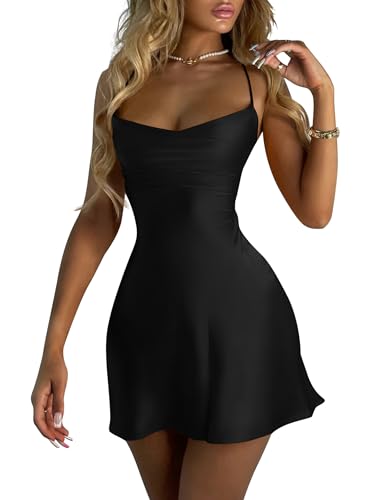
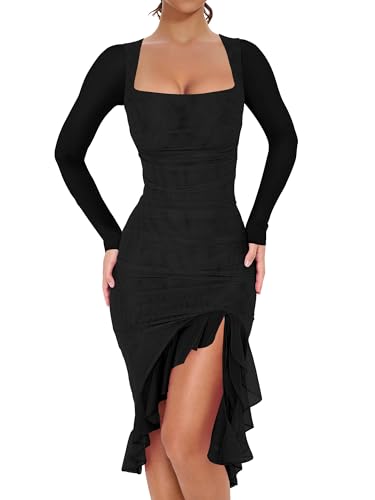
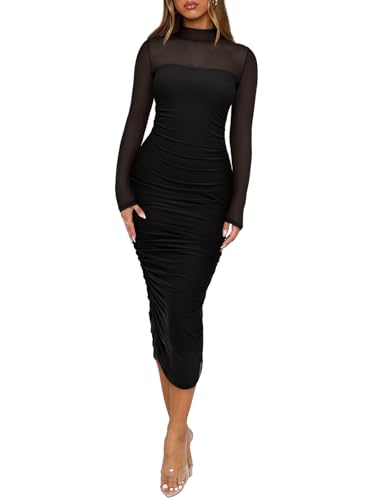
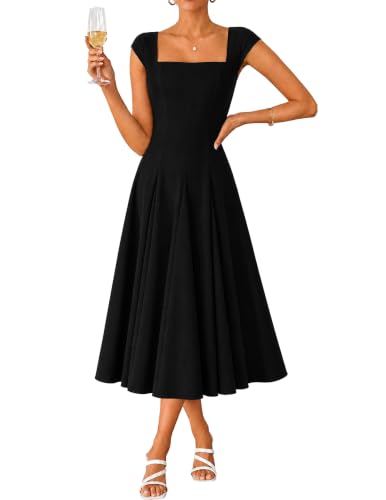
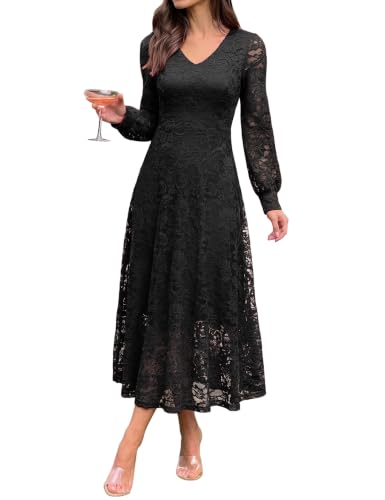
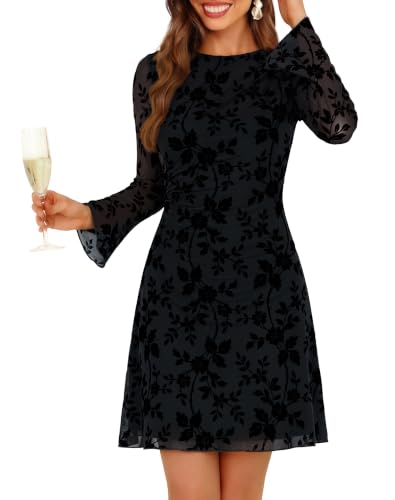
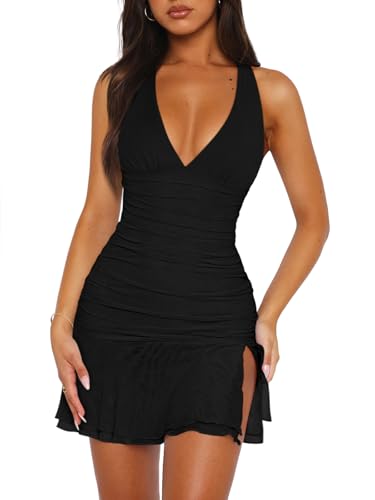
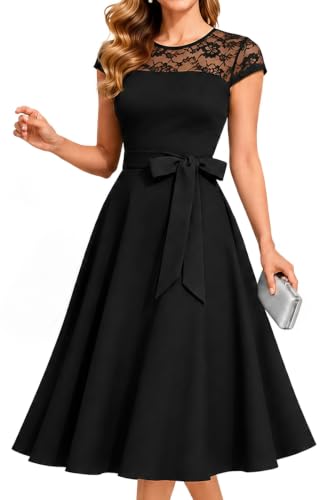
Black Cocktail Dresses should be selected by event formality, construction, fabric, fit, and movement rather than by a party keyword alone. This category centers on black dresses with event-ready fabric, cut, and finish appropriate for cocktail parties, receptions, dinners, work celebrations, and similar semi-formal occasions. For U.S. shoppers, the practical starting point is the invitation or event setting, followed by the exact seller measurements, lining, closure, delivery timing, and return terms.
Do not confuse this intent with basic casual black dresses, clubwear minis, full black evening gowns, funeral-specific clothing, and the narrower black cocktail dresses for weddings category. Common materials include crepe, satin, velvet, lace, chiffon, sequins, beaded mesh, ponte, and structured stretch jersey. The most important checks are neckline security, bust fit, waist placement, hip ease, slit height, hem position, lining, and whether dark fabric hides or exaggerates seam strain. Black color alone is not enough; the garment still needs cocktail-level construction and event-appropriate finish.
Related shopping paths include black cocktail dresses for weddings, black lace cocktail dresses, little black cocktail dresses, cocktail dresses. These pages let shoppers compare color, era, price, wedding use, and formality without treating every party dress as the same purchase.
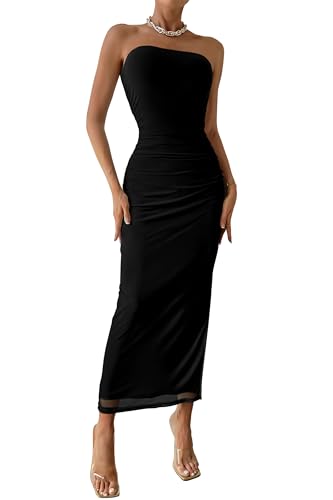
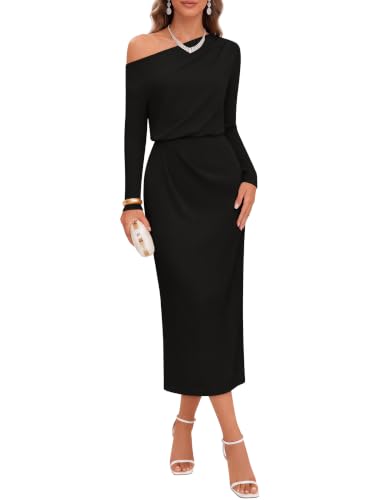
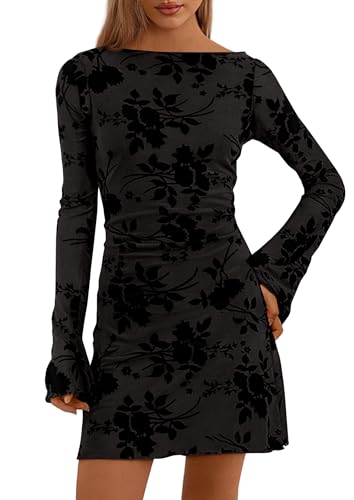
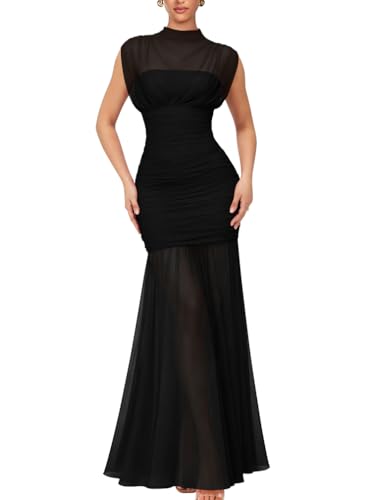
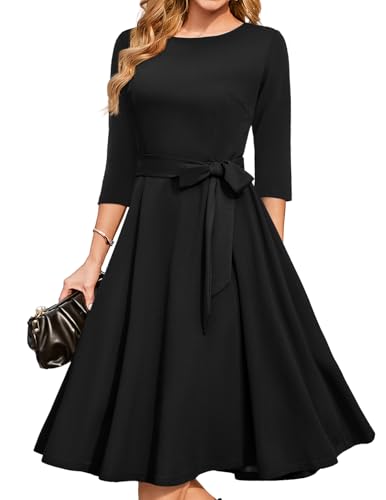
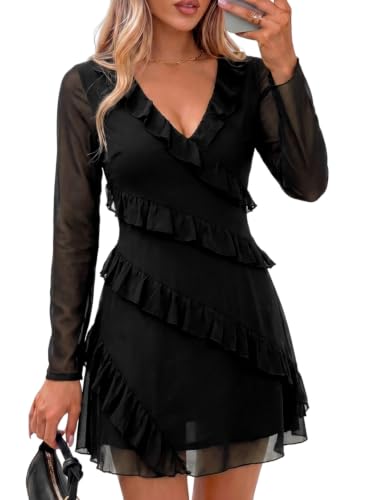
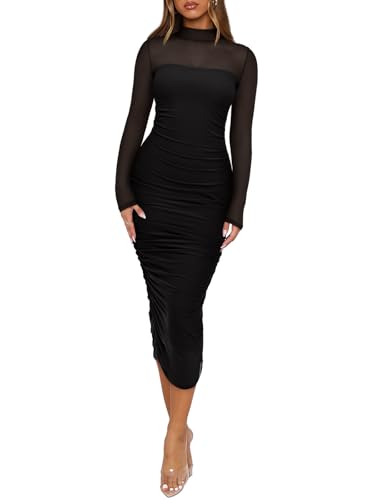
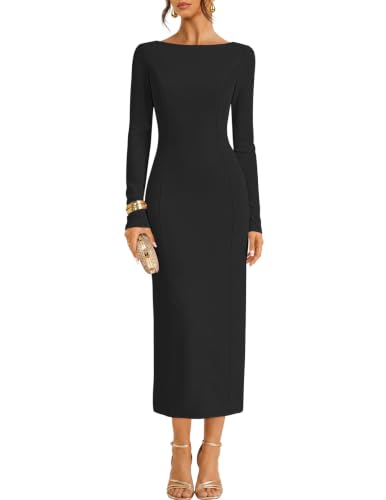
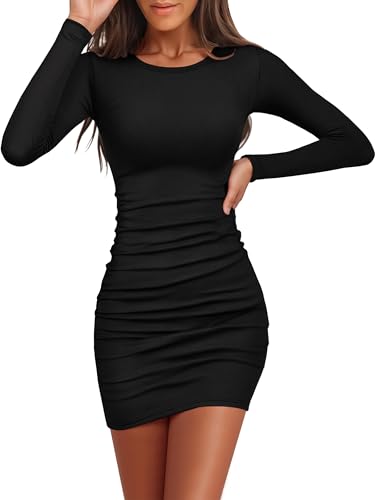
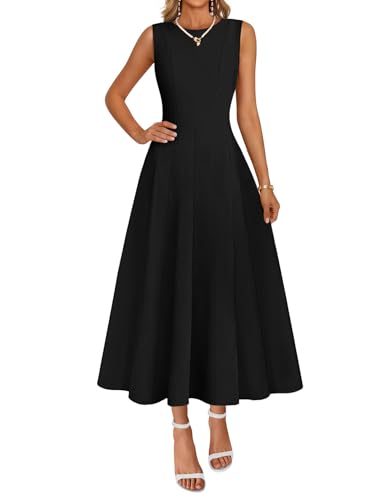
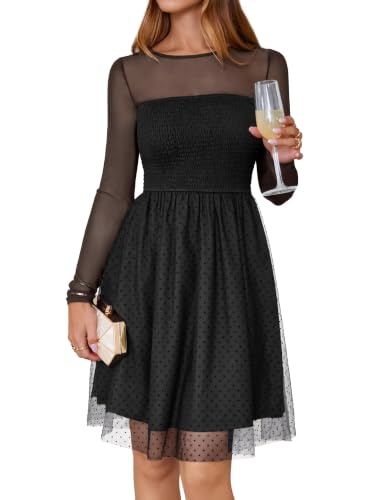
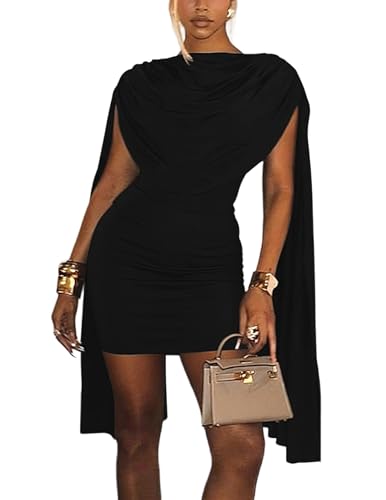
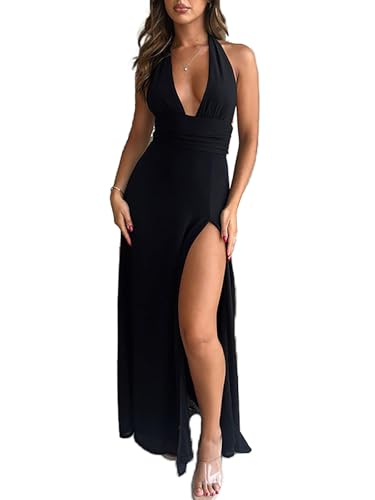
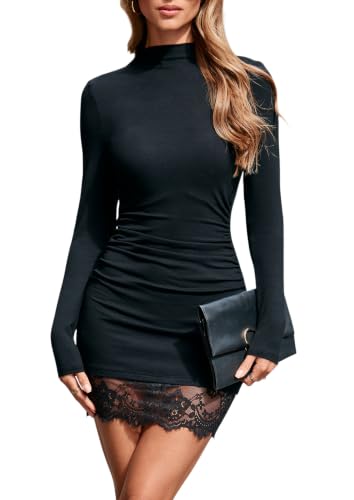
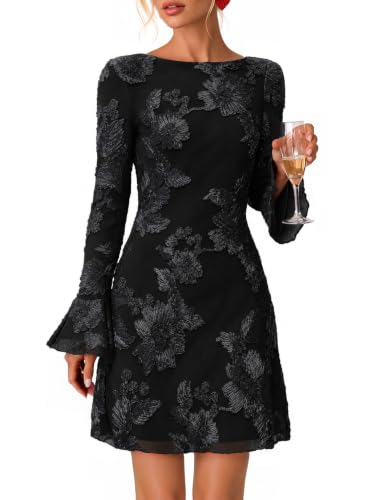
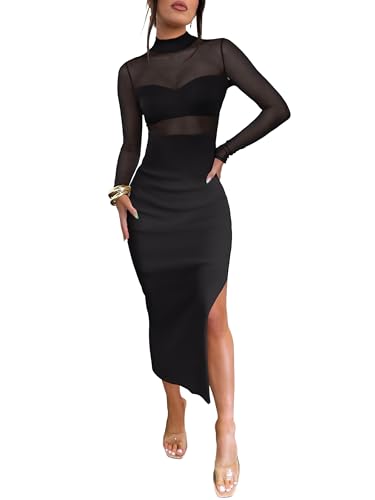
Frequently Asked Questions About Black Cocktail Dresses
What qualifies as black cocktail dresses?
The dress should fit the event and the category definition: black dresses with event-ready fabric, cut, and finish appropriate for cocktail parties, receptions, dinners, work celebrations, and similar semi-formal occasions. A party keyword in the product title is not enough.
How should I choose the right size?
Measure bust, waist, hips, shoulders, torso, and intended hem position, then use the exact seller chart. Pay extra attention to neckline security, bust fit, waist placement, hip ease, slit height, hem position, lining, and whether dark fabric hides or exaggerates seam strain.
How should I test the dress before alterations?
With tags attached, test sitting, walking, hugging, dancing, raising both arms, climbing stairs, and checking the slit and neckline from front, side, and back. Check neckline security, stride, sitting comfort, slit behavior, and whether the dress returns to position.
Do I need special undergarments?
That depends on the neckline, back, lining, and bodice. Black often hides underlayers well, but sheer lace, mesh, cutouts, and stretched jersey can still reveal bra lines or skin in flash photography. Test the complete setup before the return deadline.
Can cocktail dresses be altered?
Yes, but complexity varies. Plain black crepe is often straightforward to tailor, while lace motifs, beaded mesh, velvet pile, bias satin, and sequined hems can increase cost and limit options. Get an estimate early when several areas need work.
What should I check for quality?
Inspect seams, zipper, lining, hem, hooks, straps, and surface details. Lint, loose threads, puckered seams, and uneven hems can be more visible on black. Inspect zipper edges, lining, hooks, and embellishment attachment before the event.
What should I verify before ordering?
Confirm the exact seller, selected variation, size chart, fabric, lining, closure, delivery estimate, return eligibility, included pieces, and care instructions.
Match the Dress to the Event Before Comparing Details
Black Cocktail Dresses are most useful when the dress matches the actual event. The target here is black dresses with event-ready fabric, cut, and finish appropriate for cocktail parties, receptions, dinners, work celebrations, and similar semi-formal occasions. Read the invitation, venue information, time of day, and any stated dress code before ranking color or embellishment. A hotel reception, restaurant dinner, office celebration, wedding, holiday party, and daytime event can all use cocktail-level clothing differently.
Keep the boundary clear from basic casual black dresses, clubwear minis, full black evening gowns, funeral-specific clothing, and the narrower black cocktail dresses for weddings category. A seller may use several occasion words in one product title, but the garment itself determines formality. Fabric finish, length, neckline, lining, embellishment, and construction are more reliable signals than the word “cocktail.”
Fabric Determines More Than Shine
Common choices include crepe, satin, velvet, lace, chiffon, sequins, beaded mesh, ponte, and structured stretch jersey. Crepe can look clean and matte, satin-like fabrics create directional highlights, velvet adds visual depth and warmth, lace depends on lining placement, chiffon needs stable underlayers, and sequins or beading add weight and snag risk. Compare the shell, lining, trim, and closure together.
Fabric also changes how the dress moves and photographs. Reflective surfaces can show seam tension, while matte fabrics can hide small wrinkles but reveal lint. Layered skirts may move beautifully but feel heavier over several hours. Choose the surface for the event and care routine, not just the first product image. For Black Cocktail Dresses, apply this check directly to neckline security, bust fit, waist placement, hip ease, slit height, hem position, lining, and whether dark fabric hides or exaggerates seam strain.
Measure the Areas the Silhouette Cannot Forgive
For this category, prioritize neckline security, bust fit, waist placement, hip ease, slit height, hem position, lining, and whether dark fabric hides or exaggerates seam strain. Record bust, waist, hips, shoulder width, torso length, and intended hem position with the planned underlayers. Add upper-arm, high-bust, or under-bust measurements when the construction requires them. Compare those numbers with the exact seller chart instead of relying on a familiar U.S. size.
If measurements fall across sizes, identify the least flexible area. A structured bodice, fitted sleeve, narrow hip, fixed waist seam, or non-stretch lace panel usually deserves priority. A tailor can often reduce excess more safely than create space where the original pattern has none. In this collection, the garment still needs to match black dresses with event-ready fabric, cut, and finish appropriate for cocktail parties, receptions, dinners, work celebrations, and similar semi-formal occasions.
Perform a Cocktail-Event Movement Test
With tags attached, test sitting, walking, hugging, dancing, raising both arms, climbing stairs, and checking the slit and neckline from front, side, and back. Repeat the test after ten to fifteen minutes. Check whether the neckline shifts, the waist rotates, the slit opens farther than expected, embellishment scratches, or the skirt restricts stride. A successful cocktail dress should stay polished while the wearer behaves normally.
Also test stairs, vehicle entry, restroom access, and carrying a small bag or coat. Event clothing is worn for hours, not a single photograph. Construction that forces tiny steps, constant tugging, or careful arm placement can turn a visually strong dress into a poor event choice. That keeps Black Cocktail Dresses distinct from basic casual black dresses, clubwear minis, full black evening gowns, funeral-specific clothing, and the narrower black cocktail dresses for weddings category.
Check Lining, Support, and Underlayers
Black often hides underlayers well, but sheer lace, mesh, cutouts, and stretched jersey can still reveal bra lines or skin in flash photography. Inspect the dress in daylight and phone flash to identify sheer panels, visible cups, bra lines, or lining that ends higher than expected. Built-in cups are useful only when they sit at the correct height and width.
Choose bras, slips, shapewear, or fashion tape after evaluating the dress itself. Tape can support a stable neckline but should not be the main system preventing a poorly fitted bodice from slipping. Test the complete setup while seated and moving before the return window closes. For Black Cocktail Dresses, apply this check directly to neckline security, bust fit, waist placement, hip ease, slit height, hem position, lining, and whether dark fabric hides or exaggerates seam strain.
Use Length and Coverage to Read the Dress Code
Cocktail black dresses can range from mini to midi and sometimes longer, but the balance of hem, neckline, slit, fabric, and event formality matters more than one universal length. Cocktail dressing does not require one universal hem, but the balance of hem, neckline, slit, and fabric finish influences how formal the dress reads. A shorter hem can still look refined with a structured fabric and secure neckline, while a longer dress can remain cocktail appropriate when it avoids full-gown volume and excessively formal detailing.
Check coverage from front, side, and back. Seating can change neckline depth and slit height, and flash can reveal areas that look opaque indoors. The best coverage level is the one that matches the event and allows normal movement without repeated adjustment. In this collection, the garment still needs to match black dresses with event-ready fabric, cut, and finish appropriate for cocktail parties, receptions, dinners, work celebrations, and similar semi-formal occasions.
Style the Dress for the Specific Occasion
Black supports a wide range of accessories, so let the neckline and surface detail decide whether shoes, jewelry, and bags should be restrained or more noticeable. Shoes, jewelry, a small bag, and an outer layer should support the dress instead of competing with its strongest feature. A detailed neckline may need simpler jewelry, while a minimal dress can carry a stronger earring, shoe, or bag.
Outerwear deserves an actual fitting. Try the coat, wrap, or jacket over the dress and check shoulder mobility, skirt volume, and whether embellishment catches. A complete event outfit should work from arrival through departure, not only after the outer layer is removed. That keeps Black Cocktail Dresses distinct from basic casual black dresses, clubwear minis, full black evening gowns, funeral-specific clothing, and the narrower black cocktail dresses for weddings category.
Plan for Photography and Lighting
Black can lose texture in dim rooms and flash can flatten matte fabrics or expose shiny seam tension, so test the dress under both warm indoor light and phone flash. Take test photos in window light, warm indoor light, and flash. This reveals reflective hotspots, black fabrics that lose detail, pale fabrics that become translucent, and embellishment that produces unexpected glare. The goal is not to optimize for the camera alone, but to avoid surprises at an event where photographs are likely.
Group photos also change exposure. A very dark dress beside pale clothing can lose texture, while bright sequins can pull attention. Fit and posture matter more than chasing a perfect camera color, so choose a dress that allows the wearer to stand and move naturally. For Black Cocktail Dresses, apply this check directly to neckline security, bust fit, waist placement, hip ease, slit height, hem position, lining, and whether dark fabric hides or exaggerates seam strain.
Judge Quality at Seams, Closures, and Hems
Lint, loose threads, puckered seams, and uneven hems can be more visible on black. Inspect zipper edges, lining, hooks, and embellishment attachment before the event. Inspect zipper insertion, side seams, darts, lining attachment, hem finish, hooks, buttons, and embellishment security. Loose threads alone may be minor, but puckered seams, twisting side seams, missing lining, sharp zipper ends, or unstable straps can signal construction problems that affect wear.
For beaded or lace styles, check whether the trim is secured near stress points and whether the surface catches jewelry or bags. For satin-like dresses, look for permanent pulls or shiny seam strain. Quality is easier to judge through specific construction points than by brand name or list price. In this collection, the garment still needs to match black dresses with event-ready fabric, cut, and finish appropriate for cocktail parties, receptions, dinners, work celebrations, and similar semi-formal occasions.
Consider Alteration Cost Before the Return Window Closes
Plain black crepe is often straightforward to tailor, while lace motifs, beaded mesh, velvet pile, bias satin, and sequined hems can increase cost and limit options. Plain hems and simple side seams are usually easier than bias satin, lace motifs, boned bodices, fitted sleeves, beaded borders, or layered skirts. Get a tailoring estimate early if the dress misses more than one important measurement.
Bring final shoes and underlayers to fittings. Altering hem length before deciding heel height can create a second problem, and changing a neckline without the correct bra can distort the intended position. If several areas need rebuilding, exchanging for another size or silhouette may produce a cleaner result. That keeps Black Cocktail Dresses distinct from basic casual black dresses, clubwear minis, full black evening gowns, funeral-specific clothing, and the narrower black cocktail dresses for weddings category.
Read Online Listings at Variation Level
Before checkout, verify the exact seller, selected variation, fabric composition, lining, closure, size chart, delivery estimate, return eligibility, and included pieces. Marketplace titles often group several colors or constructions under one card. Save screenshots or order details so substitutions are easier to detect. For Black Cocktail Dresses, apply this check directly to neckline security, bust fit, waist placement, hip ease, slit height, hem position, lining, and whether dark fabric hides or exaggerates seam strain.
Reviews are most helpful when they include body measurements, purchased size, height, fabric, and the exact event or movement issue. A review for a different color or seller should not be treated as proof that the selected version has identical stretch, lining, or construction. In this collection, the garment still needs to match black dresses with event-ready fabric, cut, and finish appropriate for cocktail parties, receptions, dinners, work celebrations, and similar semi-formal occasions.
Compare Nearby Cocktail Categories Intentionally
Related shopping paths include black cocktail dresses for weddings, black lace cocktail dresses, little black cocktail dresses, cocktail dresses. Use them to move by a real decision dimension such as wedding use, color, vintage construction, price, or lower-key formality. The best comparison page is the one built around the requirement the shopper cannot compromise on.
Black color alone is not enough; the garment still needs cocktail-level construction and event-appropriate finish. Clear boundaries keep the category useful and prevent a party keyword from becoming a substitute for event-appropriate construction.
How to Shortlist Black Cocktail Dresses
Start with event formality, then filter by fabric, length, neckline, sleeve coverage, size range, support, lining, budget, delivery date, and alteration risk. Compare seller-specific measurements and return terms before ranking the final options by appearance. Keep neckline security, bust fit, waist placement, hip ease, slit height, hem position, lining, and whether dark fabric hides or exaggerates seam strain on the checklist.
Keep the dress only when it passes sitting, walking, hugging, dancing, raising both arms, climbing stairs, and checking the slit and neckline from front, side, and back, works in the event lighting, and feels secure enough to wear without constant correction. That is the practical difference between a cocktail dress that only photographs well and one that works for the entire occasion.