
Midi Cocktail Dress
A midi cocktail dress ends below the knee and above the ankle, but the exact landing point varies widely. Retail listings often blur midi, tea length, and calf length, so shoulder-to-hem measurement, torso proportion, and shoe height are necessary to understand the delivered silhouette. Browse the products above to compare the currently indexed marketplace selection. The guide below focuses on fit evidence, construction quality, event suitability, care, and seller verification rather than promising that every product tagged to the category is an exact match.
Affiliate shopping note: MotherBrideDress may earn a commission from qualifying purchases. MotherBrideDress does not manufacture, stock, sell, ship, or accept returns for the products displayed. Amazon or the listed marketplace seller controls the current price, size and color availability, seller identity, shipping estimate, item condition, and return terms. Confirm the exact selected variation and seller information on the live product page before checkout.
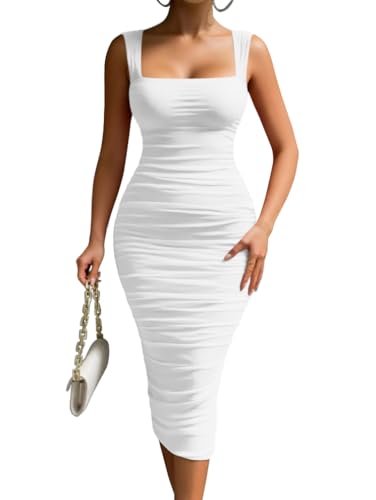
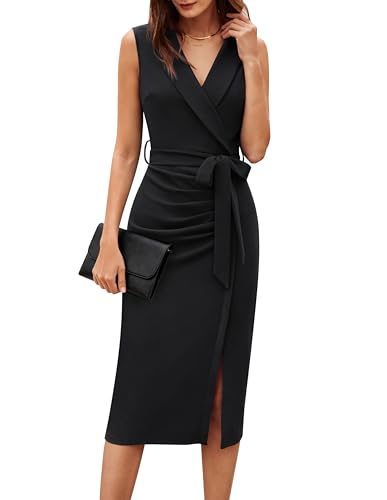
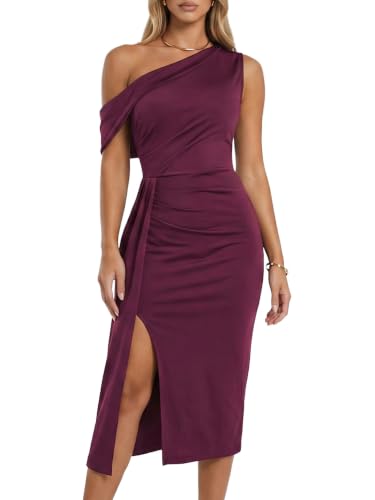
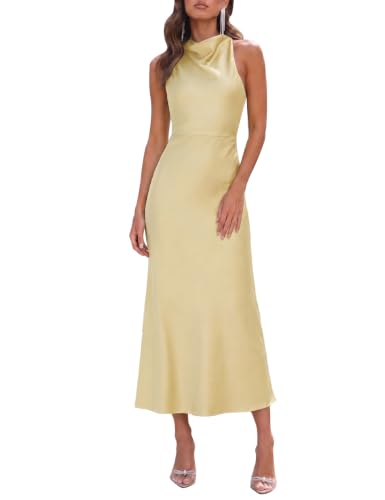

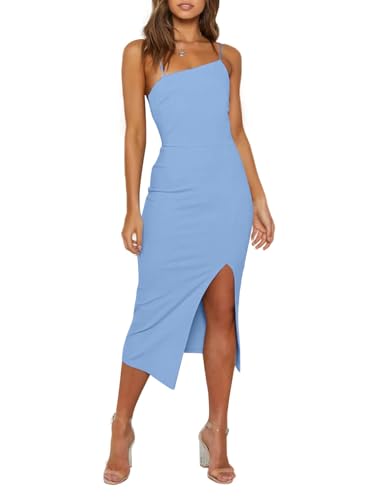


Dress the Population Women’s Layla Sweetheart Fit and Flare Midi Dress
Original price was: $298.00.$165.71Current price is: $165.71.

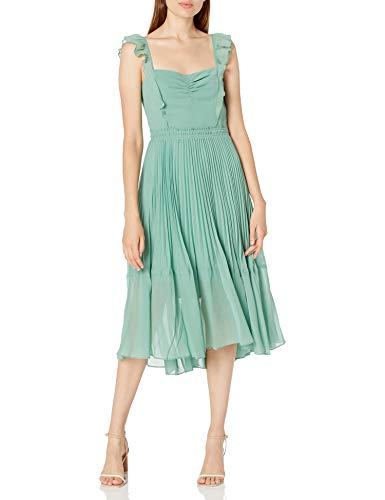

S.L. Fashions Women’s Midi Length Sequin Lace Fit and Flare Dress (Missy Petite)
Original price was: $139.00.$111.19Current price is: $111.19.

Frequently Asked Questions About Midi Cocktail Dress
Where should a midi cocktail dress end?
It generally ends below the knee and above the ankle, but retailers vary. Use the actual garment measurement and your body landmarks.
Is midi the same as tea length?
The terms overlap in retail, but tea length often refers to lower-calf vintage proportions. Exact measurement is more reliable than either label.
Are midi dresses appropriate for cocktail weddings?
Yes, for many cocktail and semi-formal weddings when the color, fabric, coverage, and styling match the invitation.
What shoes work with a midi cocktail dress?
Pumps, block heels, flats, slingbacks, boots, and dressy sandals can work depending on the hem, season, and venue.
Can a midi dress make walking difficult?
A narrow skirt or rigid lining can restrict stride. Test walking, stairs, and sitting before removing tags.
Can a midi dress be shortened?
Usually, but pleats, lace borders, curved hems, and slits can increase alteration complexity.
Is midi length suitable for petite women?
It can be. The waist, torso, and hem should be proportioned for the individual rather than following a universal rule.
Who controls the length information and returns?
The listed seller provides measurements and controls returns for the exact variation. Verify those details before checkout.
How to Choose Midi Cocktail Dress with Better Evidence
Shoppers typically want more coverage than a short cocktail dress and less floor management than a gown. They need to decide whether the hem lands at a balanced point, whether the slit and skirt permit movement, and whether the fabric is polished enough for the invitation. Start with the real event, your current measurements, the planned shoes and undergarments, and the seller’s exact variation. Then compare construction and movement before deciding which listing deserves further attention.
Most important risk: The primary risk is treating “midi” as a fixed length. On a shorter wearer the dress may approach ankle length; on a taller wearer it may end just below the knee and overlap another category intent. A visually attractive listing is not enough evidence of fit, comfort, or event appropriateness. Use a repeatable comparison method so photography does not outweigh practical information.
Popular Constructions and What They Change
Midi sheath
A straight or tapered skirt looks modern and polished. Seat room, slit placement, and fabric stretch determine whether the dress remains comfortable. Compare the description with full-length front, side, and back photographs. A category label describes intent, but seams, lining, closure, and surface treatment determine how the dress actually performs.
Midi A-line
A gradual flare provides stride and can suit weddings, dinners, and graduations. Waist placement influences the apparent hem proportion. Compare the description with full-length front, side, and back photographs. A category label describes intent, but seams, lining, closure, and surface treatment determine how the dress actually performs.
Midi wrap dress
Adjustability helps at the waist, but overlap, neckline security, and front hem movement require testing. Compare the description with full-length front, side, and back photographs. A category label describes intent, but seams, lining, closure, and surface treatment determine how the dress actually performs.
Pleated midi
Pleats add vertical rhythm and movement. Confirm whether they remain flat at the waist and whether lining is equally generous. Compare the description with full-length front, side, and back photographs. A category label describes intent, but seams, lining, closure, and surface treatment determine how the dress actually performs.
Bodycon midi
A close fit emphasizes seam quality and can ride during walking. Stretch recovery and seated comfort are essential. Compare the description with full-length front, side, and back photographs. A category label describes intent, but seams, lining, closure, and surface treatment determine how the dress actually performs.
Asymmetrical midi
A curved or side-dipped hem changes the effective length. Measure the shortest and longest points. Compare the description with full-length front, side, and back photographs. A category label describes intent, but seams, lining, closure, and surface treatment determine how the dress actually performs.
Sleeved midi
Sleeves add coverage and season flexibility. Shoulder fit and arm mobility should be tested separately from skirt comfort. Compare the description with full-length front, side, and back photographs. A category label describes intent, but seams, lining, closure, and surface treatment determine how the dress actually performs.
Measurements and Proportion Checks
Take fresh measurements over the undergarments planned for the event. Do not rely on a familiar U.S. size number, a general brand reputation, or the size worn by a model. Marketplace listings may combine products, sellers, and charts. The least adjustable area should usually guide size selection, while planned tailoring should be confirmed before purchase.
True hem point
Measure shoulder-to-hem and compare the result with your knee, widest calf, and ankle landmarks. Record the result rather than relying on memory. Repeat the check while seated and moving because a dress can look balanced in a still front view while failing at the side, back, or under normal activity.
Torso-to-skirt ratio
A waist seam that misses the natural waist changes how long the skirt appears and may distort pleats or wrap overlap. Record the result rather than relying on memory. Repeat the check while seated and moving because a dress can look balanced in a still front view while failing at the side, back, or under normal activity.
Calf movement
Narrow midi skirts can restrict stride. Walk quickly, climb stairs, and sit to test the lining as well as the outer fabric. Record the result rather than relying on memory. Repeat the check while seated and moving because a dress can look balanced in a still front view while failing at the side, back, or under normal activity.
Slit position
A slit may be necessary for movement, but its height changes when seated. Check side and back views. Record the result rather than relying on memory. Repeat the check while seated and moving because a dress can look balanced in a still front view while failing at the side, back, or under normal activity.
Petite and tall variation
Do not solve every length issue by changing size. Width and vertical patterning are separate measurements. Record the result rather than relying on memory. Repeat the check while seated and moving because a dress can look balanced in a still front view while failing at the side, back, or under normal activity.
Fabric, Lining, and Surface Quality
Crepe
Crepe supports clean midi sheaths and A-lines. Check thickness, lining, and static. Fiber names alone do not establish quality. Inspect opacity, lining, seam finish, zipper insertion, stretch recovery, edge treatment, and how the material behaves under ordinary light.
Satin
Satin increases formality and shows wrinkles. Reflective folds can make a calf hem appear uneven in photographs. Fiber names alone do not establish quality. Inspect opacity, lining, seam finish, zipper insertion, stretch recovery, edge treatment, and how the material behaves under ordinary light.
Chiffon
Chiffon creates movement and layered transparency. Measure lining and outer hem separately. Fiber names alone do not establish quality. Inspect opacity, lining, seam finish, zipper insertion, stretch recovery, edge treatment, and how the material behaves under ordinary light.
Ponte knit
Structured knit supports bodycon and work-to-event styles. Recovery prevents the knees and seat from bagging. Fiber names alone do not establish quality. Inspect opacity, lining, seam finish, zipper insertion, stretch recovery, edge treatment, and how the material behaves under ordinary light.
Lace
Lace adds formal texture, but scalloped hems and borders make shortening more complex. Fiber names alone do not establish quality. Inspect opacity, lining, seam finish, zipper insertion, stretch recovery, edge treatment, and how the material behaves under ordinary light.
Movement and Long-Event Comfort
A cocktail dress should survive more than a mirror pose. Walk at normal and quick pace, sit for several minutes, climb stairs, reach forward, turn, and enter or leave a car. Watch for rising hems, opening wraps, twisting side seams, pulling linings, slipping necklines, scratch points, static, and pressure that develops gradually.
Test the complete outfit, including the planned bra or support solution, hosiery, shoes, bag, jewelry, and outer layer. Accessories can change fit and safety: a chain strap may snag, a coat may crush sleeves, or a heel may catch a hem. Comfort is a quality criterion, not a secondary luxury.
Matching the Dress to the Occasion
Cocktail wedding
Midi length works for many cocktail and semi-formal weddings when the color, fabric, and overall styling follow the invitation. Read the invitation and venue information before assuming that the product title establishes the dress code. Formality comes from length, fabric, silhouette, coverage, detail, styling, time, and setting together.
Work dinner
A structured midi can provide professional coverage. Check seated slit height and ease through the hips. Read the invitation and venue information before assuming that the product title establishes the dress code. Formality comes from length, fabric, silhouette, coverage, detail, styling, time, and setting together.
Graduation or awards event
The hem is practical for stages and stairs, while still looking polished in full-length photographs. Read the invitation and venue information before assuming that the product title establishes the dress code. Formality comes from length, fabric, silhouette, coverage, detail, styling, time, and setting together.
Evening party
Satin, lace, darker color, or controlled shine can move the midi silhouette into evening territory. Read the invitation and venue information before assuming that the product title establishes the dress code. Formality comes from length, fabric, silhouette, coverage, detail, styling, time, and setting together.
Outdoor celebration
The raised hem avoids ground contact. Stable shoes and wind-resistant wrap construction remain important. Read the invitation and venue information before assuming that the product title establishes the dress code. Formality comes from length, fabric, silhouette, coverage, detail, styling, time, and setting together.
Accessories, Shoes, and Outfit Balance
Shoes affect proportion
Pumps, block heels, flats, slingbacks, boots, and dressy sandals can all work. Choose based on the venue and exact hem point. Build the outfit after seeing the actual delivered garment, because screen color, texture, and proportion can differ from the listing.
Use a deliberate outer layer
Cropped jackets, blazers, and wraps can change formality without hiding the waist. Build the outfit after seeing the actual delivered garment, because screen color, texture, and proportion can differ from the listing.
Control accessory scale
A clean midi silhouette can support a statement earring or bag; detailed lace and prints generally need less competition. Build the outfit after seeing the actual delivered garment, because screen color, texture, and proportion can differ from the listing.
Photograph the side view
The side reveals calf position, slit, wrap overlap, and whether the hem appears heavy or balanced. Build the outfit after seeing the actual delivered garment, because screen color, texture, and proportion can differ from the listing.
How to Evaluate a Marketplace Listing
Use seller photographs to identify the intended silhouette, then use current customer photos and detailed reviews to test whether the listing delivers it. Reviews are most useful when they include measurements, height, selected size, fabric comments, color evidence, movement, and seller-specific information. A review that only says “beautiful” or “bad” provides little diagnostic value.
- Verify actual garment length.
- Verify shortest and longest hem points.
- Verify model height and shoe height.
- Verify lining length and slit.
- Verify stretch and skirt circumference.
- Verify return terms for unexpected length.
Before checkout, reselect the exact size and color, then confirm the seller, condition, current price, delivery estimate, and return eligibility. Save a screenshot when the event date makes variation accuracy important. Similar-looking listings can have different charts and terms.
What to Check Immediately After Delivery
- Compare the delivered hem with measured body landmarks.
- Sit and take a full stride.
- Inspect slit and wrap overlap.
- Photograph front, side, and back.
- Test the dress in planned shoes.
Complete the inspection early in the return window. Keep tags, packaging, spare pieces, and seller documentation until the dress has passed fit, movement, condition, color, and outfit tests. Do not wait until the event week to discover a construction or variation problem.
Alterations, Care, and Storage
Plain midi hems are often alterable, but pleats, lace borders, and curved hems increase cost.
Shortening can change the relationship between slit and hem.
Lengthening is possible only when sufficient hem allowance or compatible fabric exists.
Follow the care label rather than a generic fabric assumption. Test steam on a hidden area when appropriate, support heavy garments correctly, protect delicate surfaces from rough hangers and accessories, and avoid permanent changes until the seller’s return conditions are understood.
Common Shopping Mistakes
- Assuming midi and tea length are identical.
- Sizing up or down only to change length.
- Ignoring a narrow lining beneath a flowy skirt.
- Choosing shoes after hemming.
- Targeting the same keyword intent as tea-length and knee-length pages.
Another mistake is assuming that a category with many products contains only exact matches. Affiliate and marketplace taxonomies can be broad, stale, or inaccurate. Judge each product against the category definition and skip listings that do not provide enough evidence for a responsible purchase decision.
Final Shopping Checklist
- Measure shoulder-to-hem.
- Check waist placement and torso length.
- Test slit, lining, and stride.
- Compare hem with calf landmarks.
- Choose shoes before alterations.
- Match fabric to dress code.
- Inspect border or pleat limitations.
- Verify seller and return terms.
Explore Related Dress Collections
Use these related MotherBrideDress category pages to compare broader and narrower intents. Internal links should help shoppers change one decision variable at a time rather than forcing every color, length, fabric, and occasion onto one page.
Affiliate shopping note: MotherBrideDress may earn a commission from qualifying purchases. MotherBrideDress does not manufacture, stock, sell, ship, or accept returns for the products displayed. Amazon or the listed marketplace seller controls the current price, size and color availability, seller identity, shipping estimate, item condition, and return terms. Confirm the exact selected variation and seller information on the live product page before checkout.