
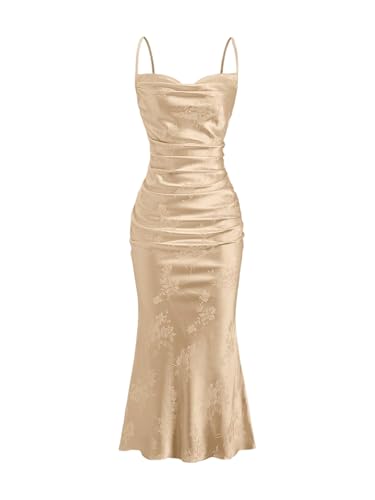
Champagne Cocktail Dress
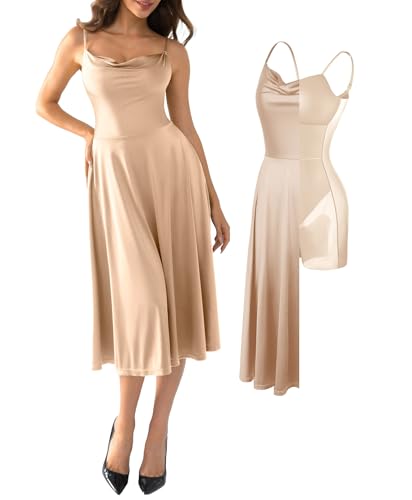
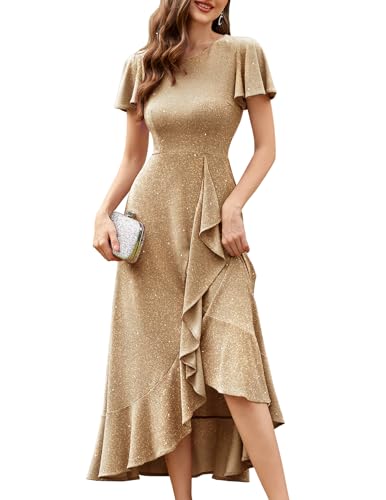
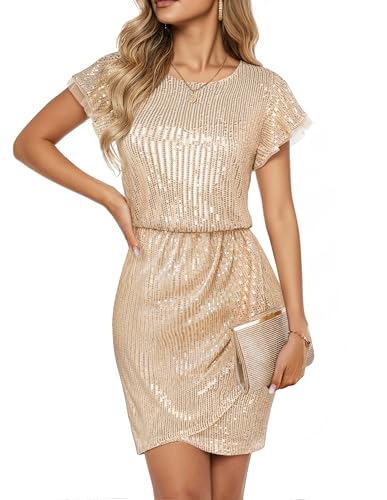
A champagne cocktail dress usually combines warm beige, pale gold, cream, and sometimes pink undertones. The color is named after a beverage, not a standardized textile shade. Depending on fabric and lighting, the same dress can look ivory, tan, blush, or metallic gold, which makes variation verification and wedding etiquette unusually important.Browse the products above to compare the currently indexed marketplace selection. The guide below focuses on evidence-based fit, construction, event suitability, care, and seller verification rather than promising that every product tagged to the category is an exact match.Affiliate shopping note: MotherBrideDress may earn a commission from qualifying purchases. MotherBrideDress is an affiliate discovery website and does not manufacture, stock, sell, ship, or accept returns for the products displayed. Amazon or the listed marketplace seller controls the current price, size and color availability, seller identity, shipping estimate, item condition, and return terms. Confirm the exact selected variation and seller information on the live product page before checkout.








Frequently Asked Questions About Champagne Cocktail Dress
What color is a champagne cocktail dress?
It is usually a warm beige, pale gold, cream, or pink-beige shade. Retailer definitions vary, so check the selected variation and customer photos.
Can a wedding guest wear champagne?
Sometimes, but pale champagne can look ivory or bridal in photographs. Use caution and follow the couple’s guidance.
What shoes work with champagne?
Gold, bronze, nude-to-you, burgundy, navy, black, and selected silver shoes can work depending on the undertone and event.
Is champagne the same as gold?
No. Champagne is generally lighter and more neutral, although metallic fabric can make it appear golden.
Why does champagne satin look white in photos?
Direct light and flash reflect from satin highlights, reducing visible color. Test the delivered dress in several lighting conditions.
What undergarments should I use?
Nude-to-you seamless options generally show less under pale fabric. Confirm opacity from front and back.
How should I store champagne satin?
Follow the care label, avoid tight folds and water exposure, and use a clean garment bag with adequate support.
Are prices on MotherBrideDress guaranteed?
No. Amazon or the listed seller controls current price, stock, shipping, and returns, and those details can change.
How to Choose Champagne Cocktail Dress with Better Evidence
Start with the real event, current measurements, planned shoes, undergarments, and outer layer. A category name helps discovery, but it does not establish fit, quality, or appropriateness.
Most important risk: The central risk is color ambiguity. A champagne dress may look safely beige in person but nearly white in bright photographs, or it may be much more metallic than expected. Shoppers also need to distinguish a polished warm neutral from thin, yellowed-looking fabric.
Identify the Type of Champagne Before Judging the Dress
Pale cream champagne
This is closest to ivory and carries the highest bridal-proximity risk. Compare it under daylight, flash, and beside true white before wearing it to a wedding. Use full-length front, side, and back views, then test the delivered garment while seated and moving. The category label cannot replace this evidence.
Beige champagne
A stronger beige base usually reads more clearly as a neutral. Texture, fit, and accessories determine whether it looks elegant or flat. Record the result instead of relying on memory. Small differences become easier to compare when several listings use similar photography and vague descriptions.
Golden champagne
Metallic thread, satin sheen, or sequins create a warmer gold cast. The finish may be appropriate for evening but too reflective for a conservative daytime event. Evaluate the actual selected variation, because a marketplace page may combine several colors, sizes, sellers, or related designs under one gallery.
Pink champagne
A rose or peach undertone overlaps with blush and rose gold. Confirm whether the listing’s selected swatch actually matches the product photographs. Consider both appearance and operation: comfort, support, closure, lining, and alteration feasibility affect whether the style works for a real event.
Taupe champagne
Gray-brown undertones produce a muted, modern effect. Low lighting can make this shade appear dull unless the fabric has deliberate texture. Do not let one attractive close-up outweigh weak information about the full silhouette, back view, or garment measurements.
Fit Details That Change the Result
Photographic color test
Take full-length photos in daylight, warm indoor light, and flash. Review whether the dress becomes white, yellow, gray, or strongly metallic. Do not let one attractive close-up outweigh weak information about the full silhouette, back view, or garment measurements.
Bust and neckline security
Light reflective colors draw attention to pulling and gaping. Check the neckline while sitting, reaching, and wearing the planned support. Use full-length front, side, and back views, then test the delivered garment while seated and moving. The category label cannot replace this evidence.
Waist placement
A champagne dress can lose definition when the seam and body tone are similar. Correct proportion, pleating, and texture matter. Record the result instead of relying on memory. Small differences become easier to compare when several listings use similar photography and vague descriptions.
Lining and underwear visibility
Confirm that the lining reaches all intended areas and does not stop at an awkward point. Use nude-to-you undergarments and test under strong light. Evaluate the actual selected variation, because a marketplace page may combine several colors, sizes, sellers, or related designs under one gallery.
Hem and cleanliness
Warm pale hems show handling marks and floor dirt. Inspect the garment immediately and keep tags attached during testing. Consider both appearance and operation: comfort, support, closure, lining, and alteration feasibility affect whether the style works for a real event.
Measurements, Ease, and Movement
Take current measurements
Measure bust, waist, high hip, full hip, and the vertical dimensions relevant to the neckline, sleeve, waist seam, and hem. Measure over the undergarments planned for the event. Do not order from a remembered U.S. size because marketplace charts are not standardized. Consider both appearance and operation: comfort, support, closure, lining, and alteration feasibility affect whether the style works for a real event.
Compare the garment, not only the body chart
When garment measurements are available, compare them with the body chart and consider intended ease. A fitted woven dress needs different room from a stretch sheath or full A-line. Ask the seller a precise question when the chart is incomplete. Do not let one attractive close-up outweigh weak information about the full silhouette, back view, or garment measurements.
Test the complete range of motion
Walk at normal pace, sit for several minutes, climb stairs, reach forward, raise the arms, turn, and enter or leave a car. Watch for rising hems, twisting seams, opening wraps, slipping necklines, narrow linings, pressure, or scratchiness. Use full-length front, side, and back views, then test the delivered garment while seated and moving. The category label cannot replace this evidence.
Wear the planned support and shoes
Bras, shapewear, hosiery, adhesive products, and heel height can change fit and hem position. Test them during the return window. A dress should not depend on painful support or unsafe footwear to look correct. Record the result instead of relying on memory. Small differences become easier to compare when several listings use similar photography and vague descriptions.
Keep alteration limits visible
Simple hems and straps may be manageable, while lace borders, beadwork, complex sleeves, boning, or unusual seams can make changes expensive. Confirm feasibility before ordering when tailoring is likely. Evaluate the actual selected variation, because a marketplace page may combine several colors, sizes, sellers, or related designs under one gallery.
Fabric, Lining, and Surface Behavior
Champagne satin
Satin produces bright highlights and deep folds. Check seam puckering, water marks, pressing instructions, and whether the surface looks refined outside studio light. Use full-length front, side, and back views, then test the delivered garment while seated and moving. The category label cannot replace this evidence.
Champagne chiffon
Layering can make the color richer and more opaque. Confirm the lining hue, edge finish, and whether static causes layers to cling. Record the result instead of relying on memory. Small differences become easier to compare when several listings use similar photography and vague descriptions.
Champagne lace
Lace may sit over beige, ivory, or pink lining. The combination controls bridal resemblance and motif visibility. Evaluate the actual selected variation, because a marketplace page may combine several colors, sizes, sellers, or related designs under one gallery.
Champagne sequins
Sequins can shift the dress toward gold or rose gold. Review scratch points, shedding, weight, and how much shine remains in normal room light. Consider both appearance and operation: comfort, support, closure, lining, and alteration feasibility affect whether the style works for a real event.
Champagne crepe
Matte crepe reduces glare and can make the color feel contemporary. Inspect opacity, stretch, and seam impressions. Do not let one attractive close-up outweigh weak information about the full silhouette, back view, or garment measurements.
Champagne Etiquette and Neutral-Color Control
Champagne can be elegant precisely because it is restrained, but that restraint makes small styling choices important. A warm beige base with dark shoes reads differently from the same dress with ivory heels, pearls, and a cream wrap. Judge the complete visual message rather than the dress in isolation.
At weddings, compare the dress not only with white but with ivory, cream, nude, and pale gold. Modern bridal gowns are not always bright white. A shade that seems clearly beige at home may become bridal beside dark suits and under flash.
Neutral dresses reveal quality through construction. Uneven lining, rippled zippers, puckered satin, and poor pressing have nowhere to hide behind print or strong color. Inspect large uninterrupted panels and side seams from several angles.
For repeat wear, choose a champagne base that can move between warm and cool accessories. A matte or softly lustrous dress often adapts more easily than a heavily themed metallic surface, although a statement finish may be the correct choice for one specific event.
Match the Dress to the Real Occasion
Wedding guest
Use caution. If the dress looks ivory, bridal, or matches the wedding party, choose another color unless the host approves it. Record the result instead of relying on memory. Small differences become easier to compare when several listings use similar photography and vague descriptions.
Anniversary dinner
Champagne can look elevated without a strong color statement. Ensure the fabric remains comfortable during seated wear. Evaluate the actual selected variation, because a marketplace page may combine several colors, sizes, sellers, or related designs under one gallery.
Holiday cocktail event
Golden champagne works with metallic or jewel-tone accents. Control shine for workplace events. Consider both appearance and operation: comfort, support, closure, lining, and alteration feasibility affect whether the style works for a real event.
Awards or gala reception
Structured satin, crepe, or controlled embellishment can suit the setting when the length and neckline match the invitation. Do not let one attractive close-up outweigh weak information about the full silhouette, back view, or garment measurements.
Daytime celebration
Matte or softly textured champagne is usually easier to wear than intense sequins in bright daylight. Use full-length front, side, and back views, then test the delivered garment while seated and moving. The category label cannot replace this evidence.
Accessories and Outfit Balance
Avoid accidental bridal styling
A pale dress with pearls, ivory shoes, and a delicate wrap may read bridal. Add deliberate contrast when appropriate. Evaluate the actual selected variation, because a marketplace page may combine several colors, sizes, sellers, or related designs under one gallery.
Choose one metallic direction
Gold, bronze, rose gold, or silver can work, but mixing several almost-matching metals may look unplanned. Consider both appearance and operation: comfort, support, closure, lining, and alteration feasibility affect whether the style works for a real event.
Use darker contrast
Navy, burgundy, chocolate, black, or emerald accessories can define the outfit and reduce bridal resemblance. Do not let one attractive close-up outweigh weak information about the full silhouette, back view, or garment measurements.
Match skin contrast thoughtfully
A shade close to the wearer’s skin can be elegant, but silhouette and texture need enough contrast to avoid a washed-out effect. Use full-length front, side, and back views, then test the delivered garment while seated and moving. The category label cannot replace this evidence.
Plan for photographs
Check the complete look against white backgrounds and under flash before the event. Record the result instead of relying on memory. Small differences become easier to compare when several listings use similar photography and vague descriptions.
How to Evaluate the Exact Marketplace Listing
Begin by selecting the intended size and color. Then reread the title, seller, condition, price, delivery estimate, material description, size chart, and return policy. Marketplace pages can change when the variation changes, so information seen before selection may not apply to the final item.
- Read the full color label and variation swatch, not only the product title.
- Compare customer photographs against white, beige, and gold objects when possible.
- Check whether the lining is ivory, beige, blush, or gold.
- Verify whether embellishment is sequins, glitter, metallic thread, or printed foil.
- Review wedding suitability independently from the category label.
- Confirm return eligibility before ordering a color that is difficult to judge online.
Reviews are most useful when they include body measurements, height, selected size, recent purchase date, photographs, movement comments, and seller-specific details. A short statement such as “beautiful” or “bad quality” is less diagnostic than repeated evidence about fit, fabric, color, closure, or returns.
Save screenshots of the selected variation and terms when the event date makes accuracy important. Do not assume a delivery estimate, sale price, or return window will remain unchanged.
Delivery Inspection and Return-Window Test
- Confirm that the delivered color, size, brand, seller information, and included pieces match the order.
- Inspect seams, zipper, hooks, lining, hem, embellishment, stains, odors, pulls, and signs of prior wear before trying the dress for an extended period.
- Test the dress in daylight, indoor light, and flash; take front, side, and back photographs at normal posture.
- Repeat sitting, walking, stairs, arm movement, and outerwear tests with the planned support and shoes.
- Keep tags, packaging, spare pieces, and order documentation until the dress passes every check and the return decision is complete.
Complete these checks promptly. Event clothing often fails because inspection is delayed until the exchange or alteration window has closed. A backup plan is reasonable when timing is tight or the listing has inconsistent reviews.
Alterations, Care, and Storage
Read the sewn-in care label and compare it with the listing. Do not assume all garments in the category can be washed, steamed, or pressed the same way. Test heat and stain treatment only when the label permits it, and use professional care when delicate fabric or embellishment requires it.
Ask a tailor before ordering when the likely alteration crosses a zipper, boning, lace motif, beaded area, shaped hem, sleeve, or complex lining. The total cost and risk may change which listing offers better value.
Store the accepted dress clean, fully dry, and protected from rough surfaces. Support heavy garments, avoid crushing velvet or embellishment, and leave enough space that the neckline, sleeves, and hem do not distort before the event.
Common Shopping Mistakes
- Assuming champagne is always darker than ivory.
- Ignoring how flash can bleach a pale metallic shade.
- Wearing champagne to a wedding without a photographic test.
- Pairing every accessory in a slightly different gold tone.
- Overlooking thin lining and underwear visibility.
- Choosing shine before checking comfort, seams, and movement.
A practical decision rule is to reject a dress that succeeds only in a still front photograph. Keep the option that fits the actual event, survives movement, coordinates with the planned outfit, arrives with workable seller terms, and requires no uncertain last-minute correction.
Final Shopping Checklist
- Confirm the exact category intent, selected variation, seller, and current return terms.
- Take current measurements and compare the correct chart rather than a familiar size label.
- Check neckline, shoulder, bust, waist, hip, sleeve, lining, and actual hem placement.
- Review fabric opacity, stretch, reflection, surface comfort, and care requirements.
- Test sitting, walking, stairs, reaching, dancing, shoes, support, and outerwear.
- Inspect the delivered condition and color in several lighting environments.
- Estimate tailoring, cleaning, accessory, and backup costs before final acceptance.
- Keep tags and packaging until the complete decision is finished.
Explore Related Dress Collections
Use these related MotherBrideDress category pages to change one shopping variable at a time. The internal links are intended to separate color, occasion, size, and formality rather than force every adjacent keyword onto one page.
Affiliate shopping note: MotherBrideDress may earn a commission from qualifying purchases. MotherBrideDress is an affiliate discovery website and does not manufacture, stock, sell, ship, or accept returns for the products displayed. Amazon or the listed marketplace seller controls the current price, size and color availability, seller identity, shipping estimate, item condition, and return terms. Confirm the exact selected variation and seller information on the live product page before checkout.