
Black and White Cocktail Dresses
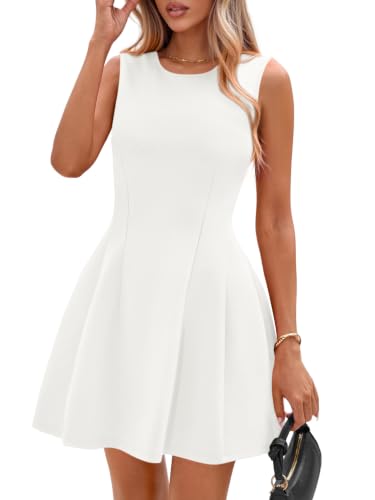
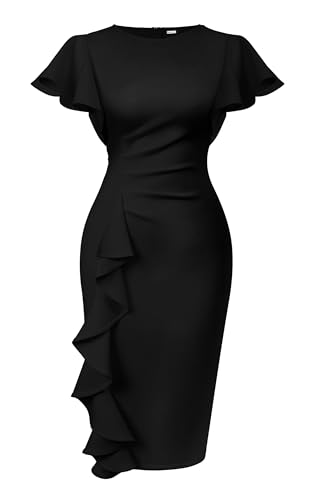
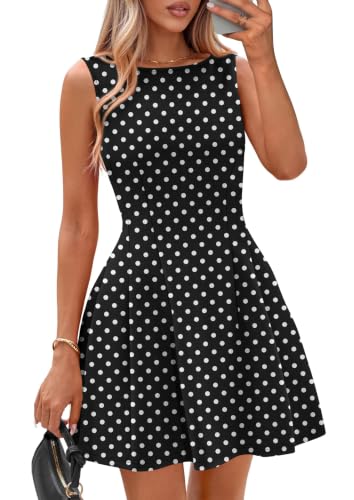
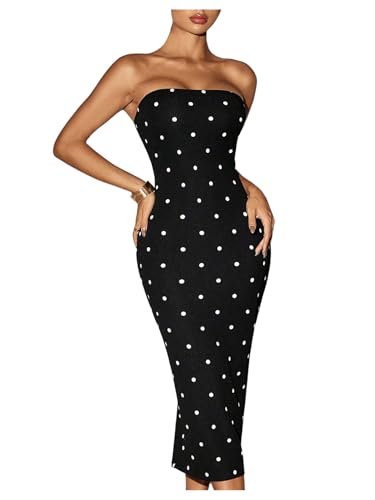
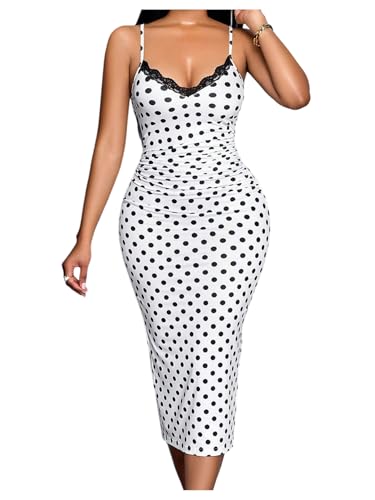
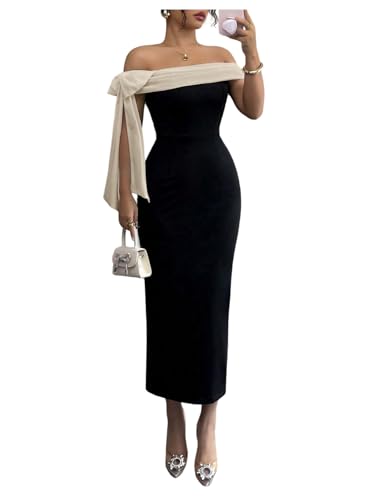
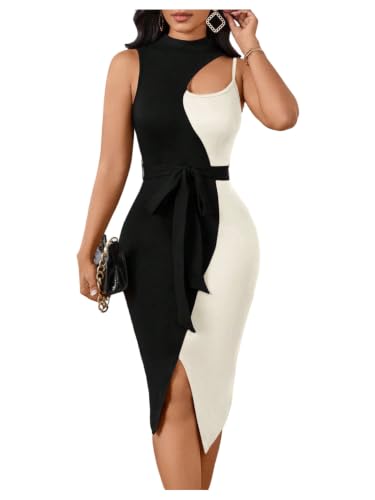
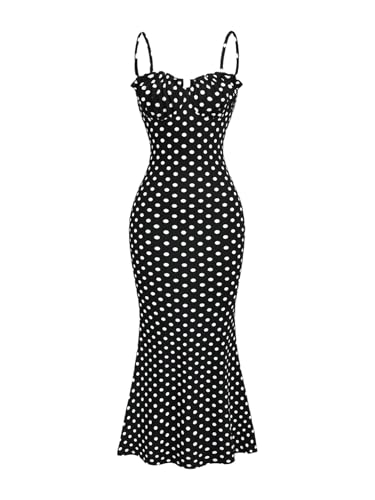
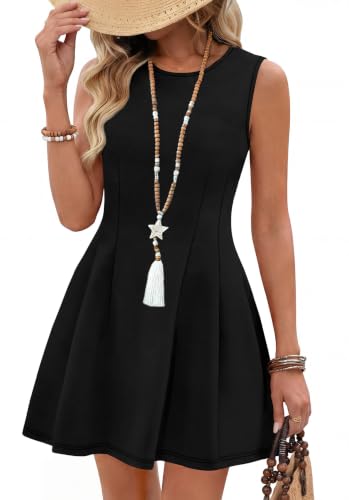
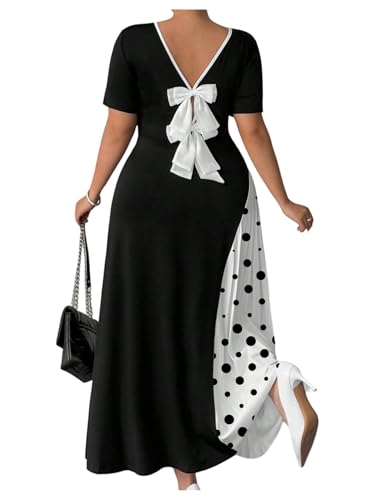
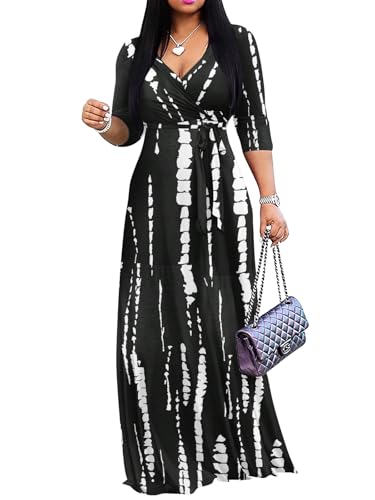
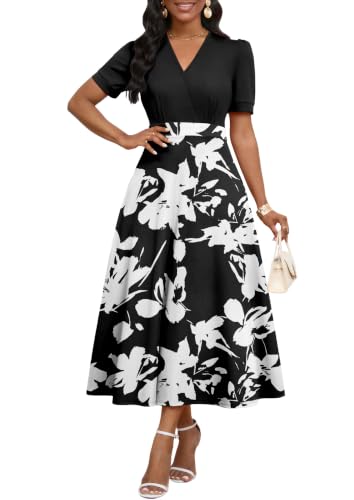
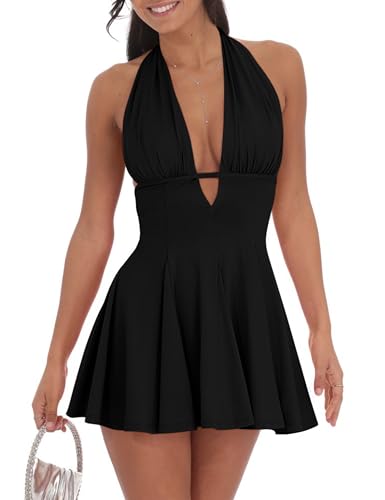
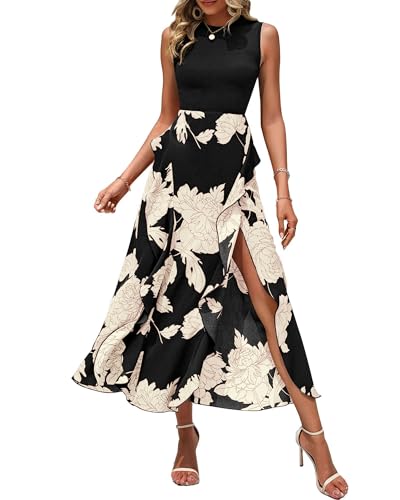
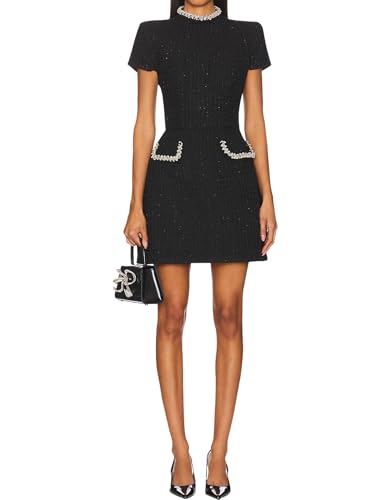
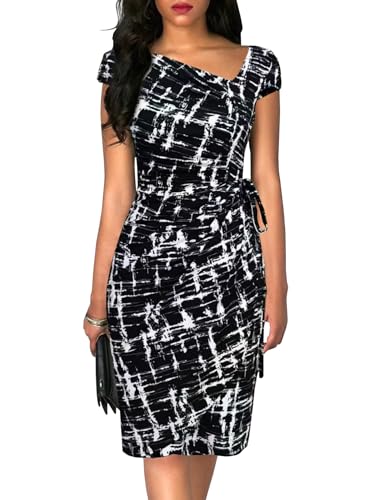
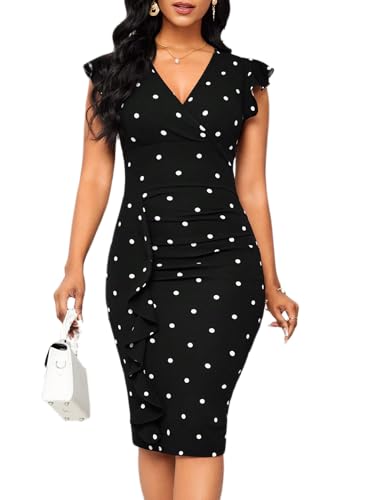
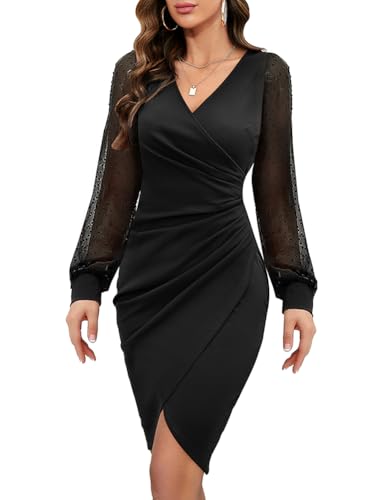
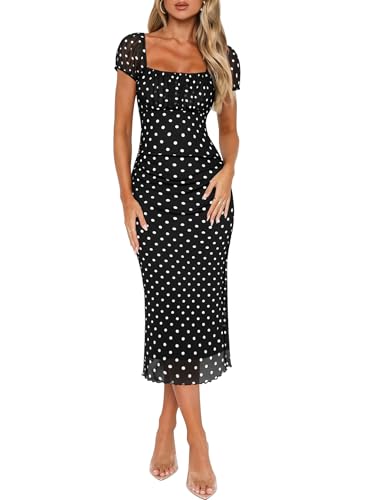
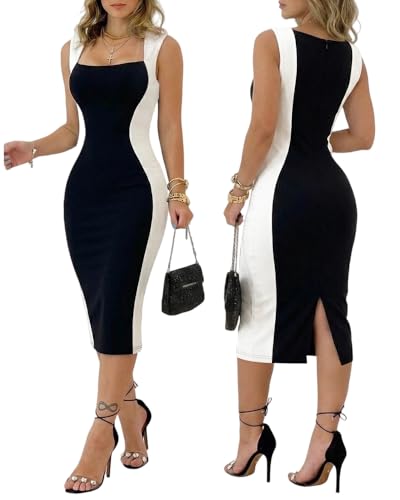
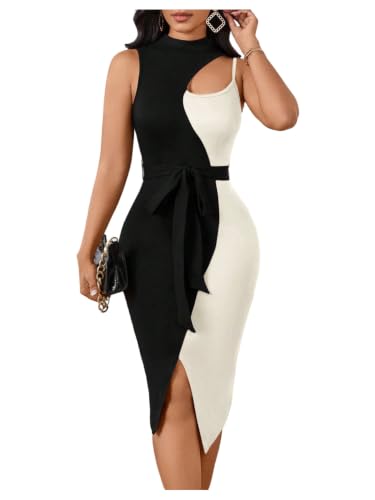
Black and white cocktail dresses use the highest-contrast neutral pairing through color blocking, prints, lace overlays, piping, panels, or separate-looking sections. Because the eye follows contrast boundaries, placement can change the perceived waist, shoulder, bust, hip, and hem proportions more strongly than a single-color dress. Browse the products above to compare the currently indexed marketplace selection. The guide below focuses on fit evidence, construction quality, event suitability, care, and seller verification rather than promising that every product tagged to the category is an exact match.
Affiliate shopping note: MotherBrideDress may earn a commission from qualifying purchases. MotherBrideDress does not manufacture, stock, sell, ship, or accept returns for the products displayed. Amazon or the listed marketplace seller controls the current price, size and color availability, seller identity, shipping estimate, item condition, and return terms. Confirm the exact selected variation and seller information on the live product page before checkout.



Frequently Asked Questions About Black and White Cocktail Dresses
Can I wear black and white to a wedding?
Often yes, but avoid a predominantly white or bridal-looking dress unless the couple approves it. Follow any stated color guidance.
What color shoes go with a black and white dress?
Black, white, metallic, nude-to-you, or one accent color can work. Match the shoe to the venue and dress formality.
How do I keep white panels from looking sheer?
Check lining, wear suitable undergarments, and test the dress in daylight and with flash before the event.
Are black and white cocktail dresses formal?
Some are, but color alone does not determine formality. Fabric, silhouette, length, coverage, and styling matter.
Can color-block dresses be altered?
Yes, but taking in seams or shortening borders can change panel proportions. Consult a tailor when the contrast design is central.
How do I add color without making the outfit busy?
Repeat one accent through one or two accessories, or use a single strong bag or shoe rather than several competing colors.
Why do black and white dresses photograph differently?
Cameras can overexpose white while losing detail in black. Fabric shine and flash make the contrast even stronger.
Who handles returns for products linked here?
Amazon or the listed seller handles returns according to the selected variation’s terms.
How to Choose Black and White Cocktail Dresses with Better Evidence
Shoppers usually want a graphic, versatile cocktail look for dinners, parties, graduations, and selected weddings. They need to distinguish modern contrast from server-uniform styling, assess white-fabric opacity, and avoid an overly bridal result at wedding events. Start with the real event, your current measurements, the planned shoes and undergarments, and the seller’s exact variation. Then compare construction and movement before deciding which listing deserves further attention.
Most important risk: The main risk is focusing on the abstract color combination instead of where the white and black actually land. A high-contrast panel can emphasize poor fit, twist at seams, or photograph differently from the front and side. A visually attractive listing is not enough evidence of fit, comfort, or event appropriateness. Use a repeatable comparison method so photography does not outweigh practical information.
Popular Constructions and What They Change
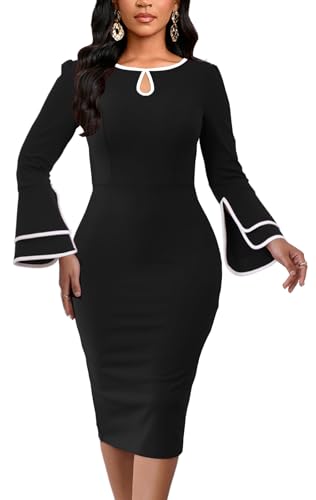
Black dress with white trim
Piping, collars, cuffs, or borders create a controlled graphic effect. Inspect whether trim is straight and whether it puckers after washing or steaming. Compare the description with full-length front, side, and back photographs. A category label describes intent, but seams, lining, closure, and surface treatment determine how the dress actually performs.
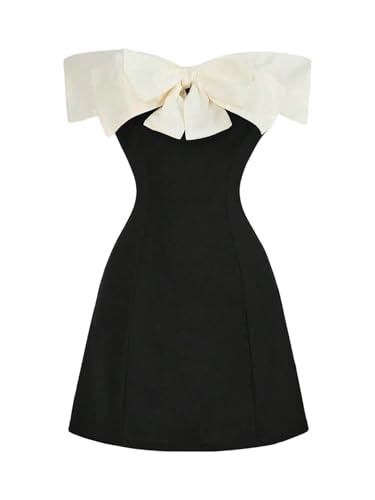
White bodice with black skirt
The horizontal division strongly defines the waist. Torso length must match so the color break sits at the intended point. Compare the description with full-length front, side, and back photographs. A category label describes intent, but seams, lining, closure, and surface treatment determine how the dress actually performs.
Black bodice with white skirt
A pale skirt needs dependable lining and stain planning. At weddings, determine whether the overall effect appears too bridal. Compare the description with full-length front, side, and back photographs. A category label describes intent, but seams, lining, closure, and surface treatment determine how the dress actually performs.
Color-block panels
Vertical side panels can create structure, but poor seam alignment becomes obvious. Check front, side, and back photos. Compare the description with full-length front, side, and back photographs. A category label describes intent, but seams, lining, closure, and surface treatment determine how the dress actually performs.
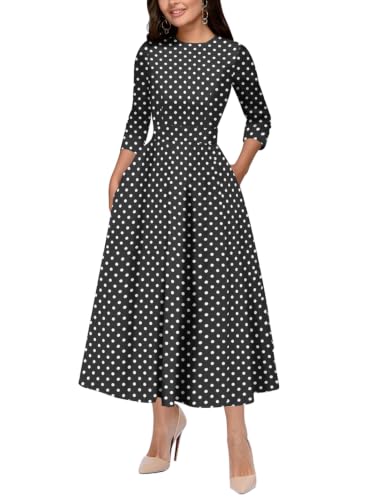
Polka dot or geometric print
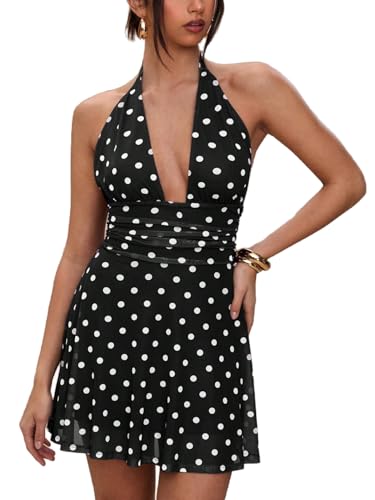
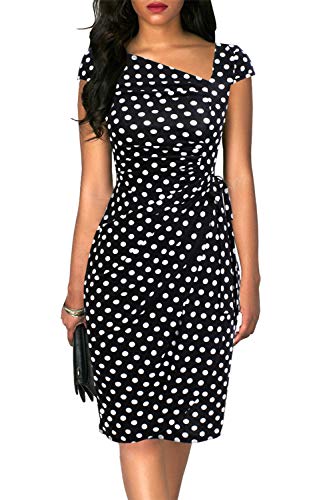
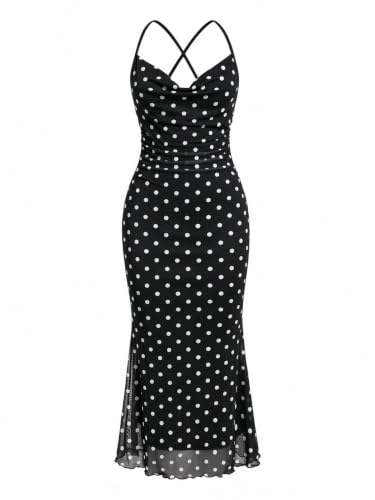
Repeated motifs can feel playful or retro. Print scale, spacing, and seam matching determine polish. Compare the description with full-length front, side, and back photographs. A category label describes intent, but seams, lining, closure, and surface treatment determine how the dress actually performs.
Black lace over white lining
High contrast reveals lace pattern clearly and can look formal. Inspect lining color, neckline transparency, and motif placement. Compare the description with full-length front, side, and back photographs. A category label describes intent, but seams, lining, closure, and surface treatment determine how the dress actually performs.
Abstract black-and-white print
Brushstroke, floral, or irregular motifs reduce uniformity. Review the exact cut because placement varies between garments. Compare the description with full-length front, side, and back photographs. A category label describes intent, but seams, lining, closure, and surface treatment determine how the dress actually performs.
Measurements and Proportion Checks
Take fresh measurements over the undergarments planned for the event. Do not rely on a familiar U.S. size number, a general brand reputation, or the size worn by a model. Marketplace listings may combine products, sellers, and charts. The least adjustable area should usually guide size selection, while planned tailoring should be confirmed before purchase.
Color break at waist
A seam or panel that sits too high or low changes the entire design. Measure torso length rather than choosing by width alone. Record the result rather than relying on memory. Repeat the check while seated and moving because a dress can look balanced in a still front view while failing at the side, back, or under normal activity.
Panel symmetry
Straight contrast edges should remain level when standing and sitting. Twisting often indicates fit or construction problems. Record the result rather than relying on memory. Repeat the check while seated and moving because a dress can look balanced in a still front view while failing at the side, back, or under normal activity.
White opacity
Test pale areas under daylight and flash, especially across the bust, seat, and pockets. Record the result rather than relying on memory. Repeat the check while seated and moving because a dress can look balanced in a still front view while failing at the side, back, or under normal activity.
Seam tension
Black and white boundaries make pulling and puckering obvious. Choose enough room through the least flexible area. Record the result rather than relying on memory. Repeat the check while seated and moving because a dress can look balanced in a still front view while failing at the side, back, or under normal activity.
Hem balance
Borders and horizontal bands can make shortening difficult. Decide length before purchase and consult a tailor when the border is central. Record the result rather than relying on memory. Repeat the check while seated and moving because a dress can look balanced in a still front view while failing at the side, back, or under normal activity.
Fabric, Lining, and Surface Quality
Crepe color blocking
Crepe supports clean panels and lower shine. Check seam pressing and whether black dye transfers to pale sections. Fiber names alone do not establish quality. Inspect opacity, lining, seam finish, zipper insertion, stretch recovery, edge treatment, and how the material behaves under ordinary light.
Satin
Contrast becomes glossy and formal. Satin also highlights wrinkles and may make white sections appear brighter under flash. Fiber names alone do not establish quality. Inspect opacity, lining, seam finish, zipper insertion, stretch recovery, edge treatment, and how the material behaves under ordinary light.
Lace
Black lace over white or nude lining creates strong texture. Inspect backing, scratch points, and whether the lace edge is secure. Fiber names alone do not establish quality. Inspect opacity, lining, seam finish, zipper insertion, stretch recovery, edge treatment, and how the material behaves under ordinary light.
Jacquard
Woven black-and-white motifs can look sophisticated without surface print. Pattern matching at seams is a quality signal. Fiber names alone do not establish quality. Inspect opacity, lining, seam finish, zipper insertion, stretch recovery, edge treatment, and how the material behaves under ordinary light.
Printed chiffon
Layering softens the contrast but may cause the pattern to overlap unpredictably. Check lining and transparency. Fiber names alone do not establish quality. Inspect opacity, lining, seam finish, zipper insertion, stretch recovery, edge treatment, and how the material behaves under ordinary light.
Movement and Long-Event Comfort
A cocktail dress should survive more than a mirror pose. Walk at normal and quick pace, sit for several minutes, climb stairs, reach forward, turn, and enter or leave a car. Watch for rising hems, opening wraps, twisting side seams, pulling linings, slipping necklines, scratch points, static, and pressure that develops gradually.
Test the complete outfit, including the planned bra or support solution, hosiery, shoes, bag, jewelry, and outer layer. Accessories can change fit and safety: a chain strap may snag, a coat may crush sleeves, or a heel may catch a hem. Comfort is a quality criterion, not a secondary luxury.
Matching the Dress to the Occasion
Cocktail party
Graphic black and white works naturally for modern venues. Accessory color can adjust the mood without changing the dress. Read the invitation and venue information before assuming that the product title establishes the dress code. Formality comes from length, fabric, silhouette, coverage, detail, styling, time, and setting together.
Wedding guest
Black-and-white can be appropriate, but avoid a predominantly white, bridal-looking design unless the couple approves it. Read the invitation and venue information before assuming that the product title establishes the dress code. Formality comes from length, fabric, silhouette, coverage, detail, styling, time, and setting together.
Work-related dinner
A structured sheath, A-line, or modest print can look professional. Check hem, neckline, and whether the design resembles a uniform. Read the invitation and venue information before assuming that the product title establishes the dress code. Formality comes from length, fabric, silhouette, coverage, detail, styling, time, and setting together.
Graduation or banquet
High contrast photographs clearly. Ensure the dress remains comfortable during long seated programs. Read the invitation and venue information before assuming that the product title establishes the dress code. Formality comes from length, fabric, silhouette, coverage, detail, styling, time, and setting together.
Retro-themed event
Polka dots, collars, and fit-and-flare shapes can support the theme without requiring costume-level accessories. Read the invitation and venue information before assuming that the product title establishes the dress code. Formality comes from length, fabric, silhouette, coverage, detail, styling, time, and setting together.
Accessories, Shoes, and Outfit Balance
Add one accent color
Red, emerald, cobalt, pink, metallic, or another chosen accent can work through shoes, bag, or earrings. One repeated accent is usually enough. Build the outfit after seeing the actual delivered garment, because screen color, texture, and proportion can differ from the listing.
Use texture instead of more color
Pearls, smooth metal, suede, or a structured bag can add depth while retaining the monochrome idea. Build the outfit after seeing the actual delivered garment, because screen color, texture, and proportion can differ from the listing.
Choose undergarments by the pale section
A nude-to-you undergarment is often less visible beneath white than a bright white garment. Build the outfit after seeing the actual delivered garment, because screen color, texture, and proportion can differ from the listing.
Review photo exposure
Phone cameras may overexpose white and lose black detail simultaneously. Test flash and indoor lighting. Build the outfit after seeing the actual delivered garment, because screen color, texture, and proportion can differ from the listing.
How to Evaluate a Marketplace Listing
Use seller photographs to identify the intended silhouette, then use current customer photos and detailed reviews to test whether the listing delivers it. Reviews are most useful when they include measurements, height, selected size, fabric comments, color evidence, movement, and seller-specific information. A review that only says “beautiful” or “bad” provides little diagnostic value.
- Verify front, side, and back contrast placement.
- Verify white-area lining and opacity.
- Verify pattern alignment at seams.
- Verify care instructions for dye transfer.
- Verify border placement and alteration feasibility.
- Verify wedding-guest suitability.
Before checkout, reselect the exact size and color, then confirm the seller, condition, current price, delivery estimate, and return eligibility. Save a screenshot when the event date makes variation accuracy important. Similar-looking listings can have different charts and terms.
What to Check Immediately After Delivery
- Inspect pale panels for marks on arrival.
- Test opacity with flash.
- Check whether contrast seams remain level while seated.
- Verify black dye has not transferred.
- Photograph the complete outfit before removing tags.
Complete the inspection early in the return window. Keep tags, packaging, spare pieces, and seller documentation until the dress has passed fit, movement, condition, color, and outfit tests. Do not wait until the event week to discover a construction or variation problem.
Alterations, Care, and Storage
Color-block seams may limit taking in or letting out without changing panel width.
A printed border or contrasting hem complicates shortening.
Lace overlays and piping require careful reconstruction, so ask a tailor before ordering when fit is uncertain.
Follow the care label rather than a generic fabric assumption. Test steam on a hidden area when appropriate, support heavy garments correctly, protect delicate surfaces from rough hangers and accessories, and avoid permanent changes until the seller’s return conditions are understood.
Common Shopping Mistakes
- Ignoring whether the dress is mostly white at a wedding.
- Choosing a color break that misses the natural waist.
- Using white undergarments beneath a thin white panel without testing.
- Adding several bright accent colors at once.
- Assuming every black-and-white dress is automatically formal.
Another mistake is assuming that a category with many products contains only exact matches. Affiliate and marketplace taxonomies can be broad, stale, or inaccurate. Judge each product against the category definition and skip listings that do not provide enough evidence for a responsible purchase decision.
Final Shopping Checklist
- Review contrast placement from every angle.
- Check the color break against torso length.
- Test white panels for opacity.
- Inspect pattern and seam alignment.
- Match fabric and hem to the event.
- Select one accessory strategy.
- Ask about border alterations.
- Confirm seller and return policy.
Explore Related Dress Collections
Use these related MotherBrideDress category pages to compare broader and narrower intents. Internal links should help shoppers change one decision variable at a time rather than forcing every color, length, fabric, and occasion onto one page.
Affiliate shopping note: MotherBrideDress may earn a commission from qualifying purchases. MotherBrideDress does not manufacture, stock, sell, ship, or accept returns for the products displayed. Amazon or the listed marketplace seller controls the current price, size and color availability, seller identity, shipping estimate, item condition, and return terms. Confirm the exact selected variation and seller information on the live product page before checkout.