
Tulle Bridesmaid Dresses for Weddings
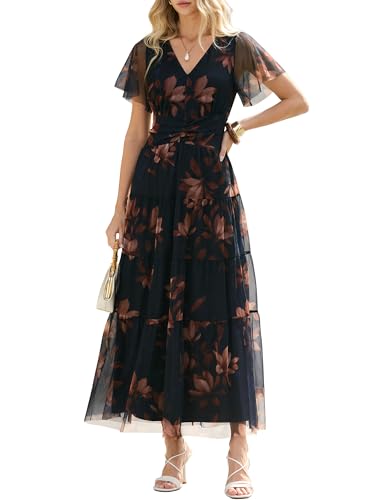
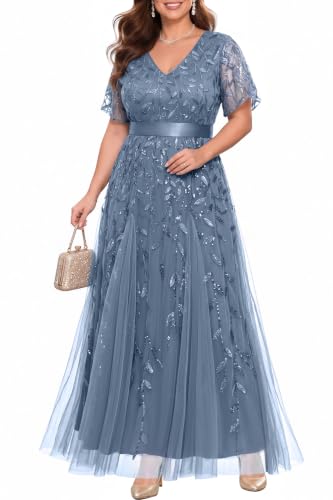
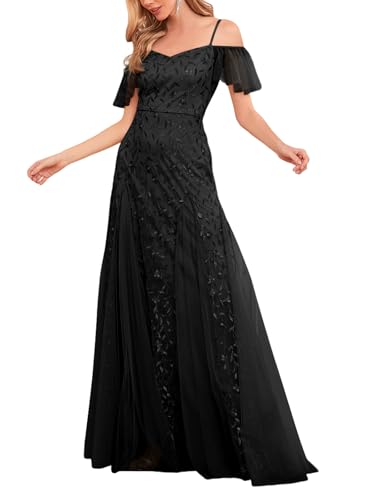
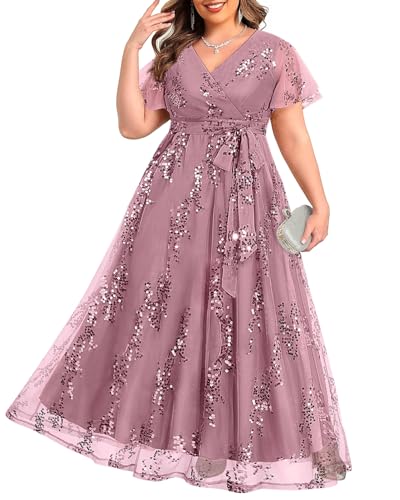
Tulle bridesmaid dresses create soft movement, layered volume, and a romantic finish for garden, formal, fairytale, church, ballroom, and destination weddings. The products below may include long A-line tulle gowns, tea-length dresses, convertible necklines, embroidered tulle, glitter tulle, junior bridesmaid styles, plus-size options, and mismatched colors.
Tulle can be soft and fluid or stiff and structured. Check the number of layers, lining, skirt volume, mesh texture, waist construction, static, and alteration needs before choosing a bridal-party style. A dress that appears weightless can still contain several warm or scratchy layers.
Compare the main bridesmaid dress collection, long bridesmaid dresses, and junior bridesmaid dresses when coordinating the full party. Verify swatches, sizing, seller, delivery, and returns on the final retailer page.








Frequently Asked Questions About Tulle Bridesmaid Dresses for Weddings
Is tulle a good fabric for bridesmaid dresses?
Yes. Tulle creates romantic movement and layered volume. Comfort depends on mesh softness, lining, layer count, and seam finishing.
Is all tulle stiff?
No. Soft tulle drapes, while stiffer tulle holds shape. Product photos and reviews can help show the difference.
Are tulle bridesmaid dresses hot?
They can be when they contain many skirt layers or heavy lining. Choose fewer layers and lighter construction for warm venues.
Can tulle bridesmaid dresses be altered?
Yes, but multi-layer hems, embroidery, glitter, scalloped edges, and horsehair trim can make alterations more complex and expensive.
How do I match tulle colors?
Order swatches in the exact fabric. Tulle can make a color look different from chiffon, satin, velvet, or crepe.
Can bridesmaids wear different tulle styles?
Yes. Keep color, fabric, length, or skirt volume consistent and approve the allowed necklines or silhouettes.
Does tulle work for plus-size bridesmaids?
Yes. Confirm the exact style and color are available in required sizes, then use individual measurements and evaluate bodice structure and comfort.
How should tulle dresses be transported?
Use individual garment bags, protect the mesh from zippers and jewelry, unpack early, and follow the care label for steaming or wrinkle removal.
What should I verify on the final retailer page?
Check seller, tulle softness, lining, layer count, size chart, color, delivery, return terms, care, and recent customer photos.
What Tulle Adds to a Bridesmaid Dress
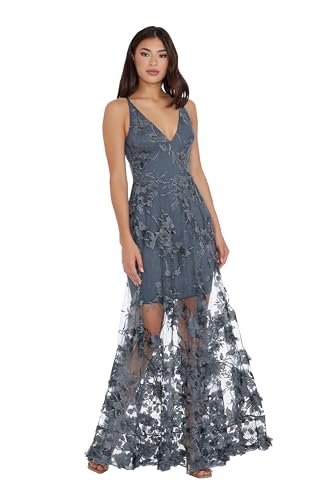
Tulle is a net-like fabric used to create movement, transparency, texture, and volume. In bridesmaid dresses it commonly appears in layered skirts, overlays, sleeves, necklines, or embroidered panels. The effect can range from soft and romantic to structured and dramatic.
Ask whether the wedding wants an airy A-line, a full princess skirt, a modern sheer detail, or a glitter finish. The word tulle alone does not define the weight or formality.
Soft Tulle Versus Stiff Tulle
Soft tulle drapes and moves with the wearer. Stiffer tulle holds shape and creates more volume. A product page may not state the difference clearly, so examine customer videos, skirt shape, and reviews.
Stiff layers can scratch the legs or catch on chairs. Full lining and smooth seam finishing are essential for a long event.
Layer Count and Skirt Volume
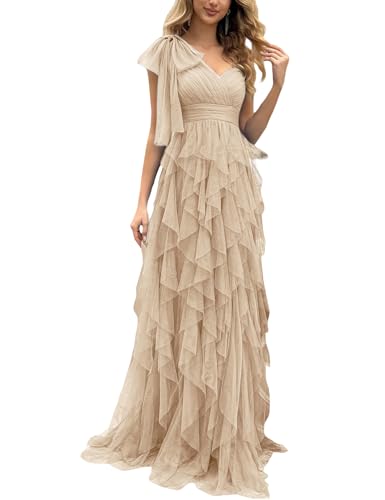
One overlay produces a light haze; several layers create a fuller skirt. More layers add warmth, weight, and alteration complexity. Bridesmaids should test sitting in ceremony and reception chairs.
For a coordinated party, decide whether every dress needs the same volume. Similar color and length can look inconsistent if one skirt is dramatically fuller.
Tulle A-Line Bridesmaid Dresses
A-line construction provides shape at the bodice and increasing room through the skirt. It is a common tulle choice because the fabric can move without requiring a hoop or rigid structure. Check the waist seam and number of gathers.
An A-line can support V, square, halter, scoop, one-shoulder, and off-shoulder necklines. Offer approved choices that meet different support needs.
Full and Ball-Gown Tulle Styles
Full tulle gowns suit grand ballrooms, formal evening weddings, and fairytale themes. They require more aisle space, larger chairs, and careful transport. Not every bridesmaid will be comfortable with substantial skirt volume.
Use fuller designs selectively, perhaps for the maid of honor, if the wedding wants dimension without making the entire party identical.
Tea-Length Tulle Bridesmaid Dresses
Tea length can suit vintage, garden, courthouse, and less formal weddings. It highlights shoes and reduces dragging. The hem position varies by height, so use actual garment measurements.
A shorter tulle skirt can stand outward more than expected. Review side photographs and seated behavior.
Embroidered, Floral, and Glitter Tulle
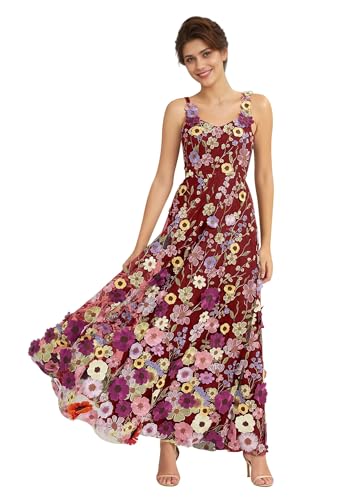
Embroidery and floral appliqués add texture and can connect the dresses to garden bouquets. Glitter tulle creates sparkle but may shed and feel rough. Check whether decoration is sewn, glued, or printed.
Dense decoration can complicate alterations and make the party visually busy. Coordinate bouquet size and jewelry accordingly.
Tulle Bridesmaid Dress Colors
Pale colors become soft and dimensional because the lining and overlay blend. Dark colors may show each layer more clearly. Order swatches in the exact fabric because chiffon, satin, and tulle versions of the same retailer color can differ.
Popular directions may include blush, dusty blue, sage, lavender, burgundy, navy, champagne, and black. Browse sage green bridesmaid dresses and rose gold bridesmaid dresses for related palettes.
Mismatched Tulle Bridesmaids
A mismatched party can use one tulle color with several necklines or several neighboring colors with the same skirt. Set clear rules for length, lining, volume, and decoration. Without guidance, the party may mix soft overlays with stiff glitter skirts that look unrelated.
Photograph all swatches and received dresses together before alterations.
Spring and Garden Weddings
Tulle supports spring flowers, pastel palettes, and outdoor movement. Soft layers photograph well among greenery, but grass and damp ground can collect on long hems. Choose proper length and stable shoes.
Wind can lift lightweight overlays. Confirm lining coverage and secure wrap panels or slits.
Summer and Destination Weddings
Multiple layers can trap heat. For warm venues, choose lighter mesh, fewer layers, breathable lining, and manageable skirts. Destination travel favors dresses that can be packed and safely steamed.
For beach settings, a chiffon or single-tulle overlay may work better than a full princess skirt.
Fall and Winter Tulle
Dark tulle, embroidered sleeves, velvet accents, burgundy, navy, black, and forest tones suit cooler seasons. Tulle itself provides little warmth, so plan real coats, wraps, or jackets.
Check whether outerwear crushes the skirt or catches appliqués.
Necklines and Support
Sheer tulle can create illusion necklines, backs, or sleeves. The visual effect may not provide bra coverage. Bridesmaids should test support and transparency under flash.
Offer neckline alternatives when the retailer carries the same tulle color across styles. A coordinated party does not require identical support needs.
Plus-Size Tulle Bridesmaid Dresses
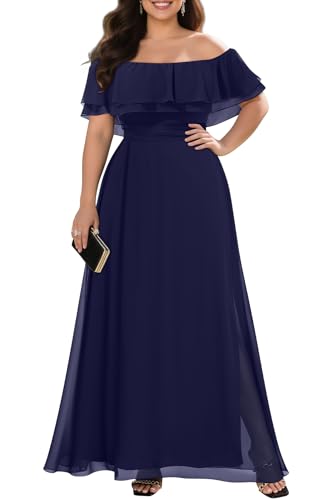
Confirm that the exact color and fabric are available through the required size range. Use each wearer’s measurements and the retailer chart. Check bodice structure, armhole, waist seam, and skirt volume.
A full tulle skirt may require more storage and seating space, but size alone should not determine whether someone can wear it. Construction and preference are the relevant factors.
Junior Bridesmaids
Junior attendants may need higher necklines, wider straps, shorter hems, and lighter skirts. The junior bridesmaid category can help identify age-appropriate proportions.
Coordinate through color and fabric rather than giving a younger attendant an adult cut.
Static, Snags, and Wrinkles
Tulle can develop static, cling to lining, and catch on jewelry, bouquet stems, rough chairs, or zippers. Use care methods approved by the garment label. Do not apply untested products before the wedding.
Hang the dress with room for the skirt to fall and protect it in an individual garment bag.
Alterations and Hemming
Multiple layers must be measured and cut evenly. Embroidery, horsehair braid, glitter, or scalloped edges increase complexity. Choose shoes before the final hem appointment.
Ask a tailor for a quote before the return period ends. A low-priced dress with several difficult layers may become expensive to alter.
Bridesmaid Comfort Test
Wear the dress with the intended bra and shoes. Sit, walk, climb stairs, raise the arms, hold the bouquet, and stand close to another bridesmaid. Check whether skirts overlap excessively or sleeves scratch.
Keep the dress on long enough to evaluate heat and waistband pressure.
Ordering the Bridal Party
Set an approved color, fabric, style range, order deadline, and alteration deadline. Track seller, size, delivery, and return dates. Ordering within a similar period may reduce dye-batch variation.
Have a backup style available in the same fabric if one size sells out.
Affiliate Shopping Verification
MotherBrideDress.com links to third-party retailers. Confirm current seller, exact tulle color, lining, number of layers, size chart, delivery, and return policy on the final page.
Read recent reviews for softness, static, glitter shedding, transparency, zipper quality, sizing, and customer photos.
Common Tulle Bridesmaid Mistakes
- Assuming all tulle is soft and lightweight.
- Ignoring the number of skirt layers.
- Matching color names across different fabrics without swatches.
- Selecting volume without checking chairs and aisle space.
- Using full skirts in hot outdoor venues.
- Leaving multi-layer hemming until late.
- Adding rough jewelry that catches the mesh.
- Ordering the party without size and stock verification.
Create a Cohesive Tulle Bridal Party
The right tulle bridesmaid dresses balance softness, color, skirt volume, support, weather, and alterations. Define the approved fabric and silhouette range before the group orders, then verify each dress under real movement and lighting.
Return to bridesmaid dresses or compare long, junior, blue, sage, and rose-gold collections for additional party options.
Tulle Bridesmaid Dresses and Ceremony Seating
Full skirts occupy more space than chiffon or crepe. Test the dress in chairs similar to the ceremony and reception seating. Bridesmaids should be able to sit without the bodice shifting or the skirt blocking an aisle. When the wedding party stands close together, large skirts may overlap in photographs.
Plan the processional order and bouquet position with the skirt volume in mind. A large bouquet can hide a detailed bodice, while a small bouquet may look out of scale with a dramatic gown.
Color Underlays and Two-Tone Tulle
Tulle often uses a lining or underlayer in a different shade. Blush mesh over nude, blue over gray, or ivory over champagne can create depth. Confirm both colors because the final effect may differ from the category label.
Ask whether the bridal party is allowed tonal variation. Two dresses labeled dusty blue may look different when one uses a beige lining and another uses blue.
Static Management
Dry weather, synthetic lining, and certain shoes can create static. Follow garment-approved methods and test them well before the wedding. Do not spray an untested household product onto pale tulle, glitter, or embroidery.
A smooth slip may improve movement when compatible with the design. Check that it does not change the opacity or waist fit.
Tulle and Bouquet Safety
Exposed floral wire, rough stems, pins, and unfinished ribbon edges can snag mesh. Ask the florist to wrap handles smoothly. Bridesmaids should avoid sharp bracelets, textured clutches, and hook-and-loop closures near the skirt.
Inspect the dress after the rehearsal and before the ceremony for small catches or pulled threads.
Rehearsal and Group Movement
Practice stairs, turns, line formation, and sitting with the complete dresses when possible. Tulle skirts move differently in groups than alone. A narrow aisle may require slower pacing and greater spacing.
Bridesmaids should know how to lift the skirt discreetly for stairs without pulling the bodice or exposing the lining.
Cleaning and Preservation
Follow the manufacturer’s instructions. Glitter, glued appliqués, embroidery, and multi-layer construction may require specialist care. Remove stains before long-term storage and protect the mesh from crushing.
If dresses may be donated or reworn, store each separately with the original size and care information.
Final Tulle Approval Before the Bridal Party Orders
Approve the exact swatch, lining, skirt volume, and decoration before multiple bridesmaids purchase. A single sample dress or try-on can reveal scratchy mesh, excessive layers, static, or a shade that differs from the online image. Document the approved retailer color and fabric so later orders can be compared consistently.
Each bridesmaid should inspect her dress promptly and test sitting, stairs, bouquet handling, and the intended shoes while returns remain possible.