
Lace bridesmaid dresses
Nine in ten listings here use lace, and just over a third combine it with chiffon, which tells you the dominant construction: a lace bodice over a chiffon skirt rather than lace throughout.Just over four in ten are floor length and around one in five is short. Sleeves appear in around a quarter of listings, with sleeveless styles at around one in eight.Around a third are prom styles, so filtering helps if you are dressing a bridal party. For other fabrics, see long chiffon bridesmaid dresses.
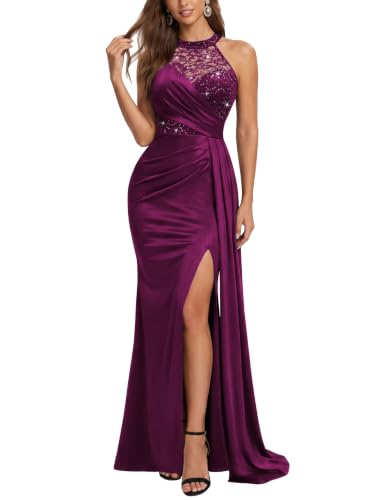
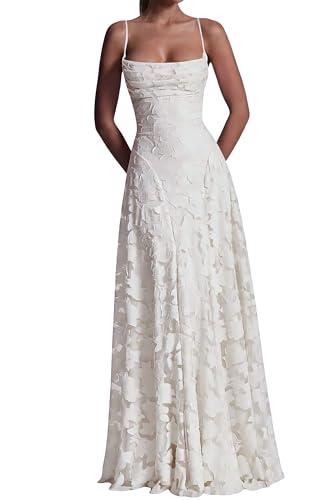
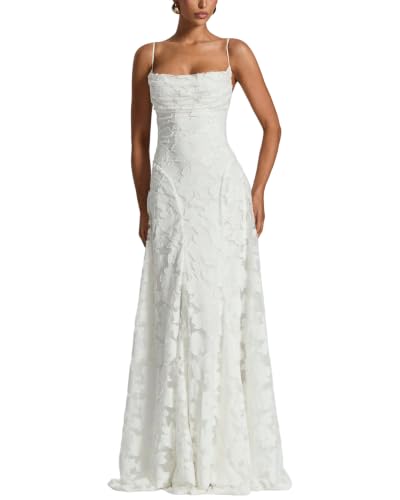
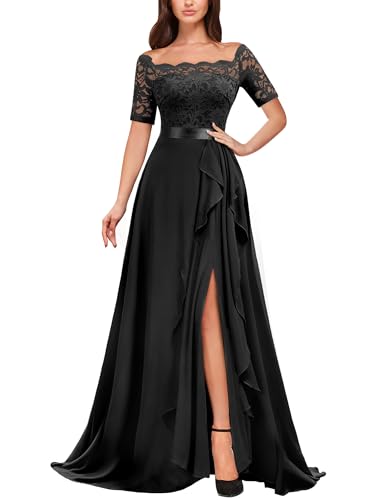



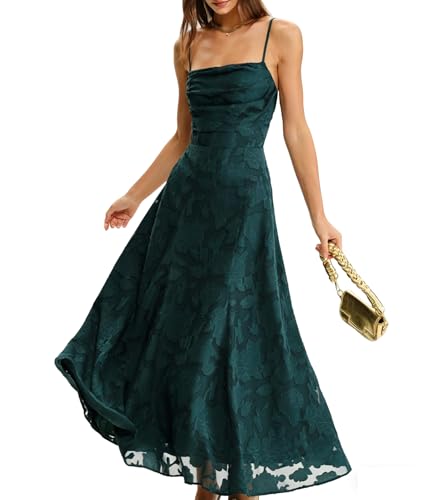

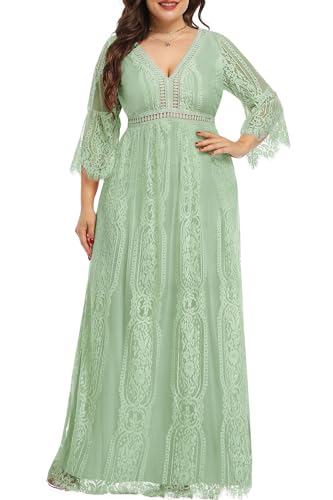

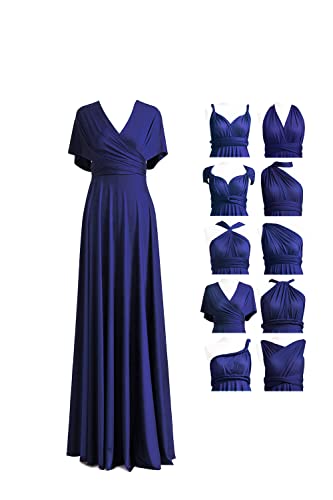


Lace Bridesmaid Dresses: Frequently Asked Questions
Are all laces the same?
No. Chantilly is fine and flat and drapes softly. Corded lace has a raised thread and holds shape better. Guipure has no net background and reads modern. Eyelash lace has a soft fringed edge. A close-up photograph shows which you are looking at.
Why do so many pair lace with chiffon?
Just over a third do. A full lace skirt is heavy, warm and expensive; a lace bodice over chiffon puts the lace where it shows most while keeping the skirt light. It also accommodates a wider range of hip measurements across a party.
Will the color match across the party?
Only if you order everything together. Lace and its lining are dyed separately and take dye differently, so the final shade depends on both. Two dresses in the same nominal shade can read differently if the linings differ.
Will lace match a satin dress in the same color?
Rarely exactly. Plan the palette around the difference rather than fighting it, since the layered lace-over-lining effect cannot be reproduced in a smooth fabric.
Is unlined lace uncomfortable?
It can be scratchy over a long day, particularly at the underarm and along any boning. Check whether the bodice is lined before ordering for a whole party.
Does lace snag easily?
Yes, and a pull cannot be repaired invisibly. Rings and bracelets, chair backs, other people's sequins, handbag zips and children's Velcro are the usual culprits.
How should the dresses be transported?
Hung, not folded. Lace creases within the pattern rather than across it, which makes those creases harder to steam out than in woven fabric.
How do I filter out the prom styles?
Around a third here are prom. Those tend to have a visible corset back, a sheer or cut-out bodice panel and a brighter color. Closure is the fastest filter: a lace-up back reads young and fits inconsistently across a group.
Can lace dresses be altered?
Less easily than plain ones. Lace has minimal stretch and minimal seam allowance, and taking in a side seam can interrupt the pattern visibly. Order to the largest measurement and take in.
Lace Is Several Different Fabrics
Listings say lace and mean any of these, and across a group of six dresses the difference is visible.
Chantilly is fine, soft and flat, with a delicate floral pattern and a scalloped edge. It drapes rather than holds shape and reads romantic.
Corded lace has a raised thread outlining the pattern, which gives it texture and body. It holds a bodice shape better than Chantilly and photographs with more depth.
Guipure or Venise lace has no net background; the motifs connect directly to each other. Heavier, more structured, and reads modern rather than traditional.
Eyelash lace has fine threads extending past the scalloped edge, giving a soft fringed border. Common at hems and sleeve ends.
You cannot always tell from a thumbnail, but a close-up photograph shows whether the pattern is raised, whether there is a net background, and how the edge is finished.
Why Lace Over Chiffon Is the Standard
Just over a third of this collection pairs the two, and the reason is practical rather than aesthetic.
A full-length lace skirt is heavy, warm and expensive. A lace bodice with a chiffon skirt gives the lace where it is seen most, at the top half in photographs, while keeping the skirt light enough to move and breathe.
It also solves a fit problem. Lace has little give, so a fully laced dress fits or does not. A chiffon skirt below a lace bodice accommodates a wider range of hip measurements, which matters when one style has to work across a party.
The construction to check is whether the lace bodice is lined. Unlined lace against skin is scratchy over a long day, particularly at the underarm and along any boning.
The Color Problem Specific to Lace
This catches parties out more than any other lace issue, and it is worth understanding before ordering.
Lace and its lining are dyed separately, and the two take dye differently. What you see is the lace color layered over the lining color, so the final shade depends on both.
That means two dresses in the same nominal shade can read differently if the linings differ, and it means a lace dress will rarely match a plain satin dress in the same color exactly.
Practical response: order the whole party from one listing in a single order, so lace and lining come from the same production run. If you are matching lace bridesmaids to a non-lace element elsewhere in the wedding, expect a visible difference and plan the palette around it rather than fighting it.
Snags and Care
Lace catches on things in a way smooth fabrics do not, and a pull cannot be repaired invisibly.
The usual culprits at a wedding: rings and bracelets, chair backs, other people's sequins, zips on handbags, and Velcro on children's clothing.
It is worth mentioning to the party, particularly anyone wearing a statement ring.
For transport, hang rather than fold. Lace creases differently from woven fabric and the creases sit in the pattern rather than across it, which makes them harder to steam out.
Length and Silhouette
Just over four in ten listings are floor length, around one in five is short, and maxi styles account for around one in six.
A-line appears in around one dress in nine and is the most forgiving cut across different body shapes, which makes it the practical choice for a group.
V-neck leads the necklines at around one in seven, with halter styles at around one in eight.
Around one dress in twelve has a slit. In a lace skirt a slit is more structural than it looks, since the lace edge has to be finished cleanly or it frays.
Filtering the Prom Styles
Around a third of this collection is prom wear, and lace is common in both categories, so the overlap is genuine.
The markers that separate them: a prom lace dress is more likely to have a visible corset back, a sheer or cut-out bodice panel, and a brighter color. A bridesmaid lace dress is more likely to be a solid muted shade with a conventional zip.
Closure is the fastest filter. A lace-up corset back reads young and is also harder to fit consistently across a group, since the amount of gap varies by wearer.
Ordering for a Party
Around one listing in eleven is plus size, which is modest coverage. Check the full range covers everyone before showing a style to the group.
Lace has minimal stretch and minimal seam allowance, so there is less room to alter than in a plain dress. Order to the largest measurement and have the dress taken in, and be aware that taking in a lace side seam can interrupt the pattern visibly.
Allow three to four months for a full party: sample, order, one return and replacement, then hemming. The US size chart covers conversions.
Related Collections
For lighter fabrics, see long chiffon bridesmaid dresses. For floor length across all fabrics, browse long bridesmaid dresses. For specific shades, see bridesmaid dresses.