
Grey bridesmaid dresses
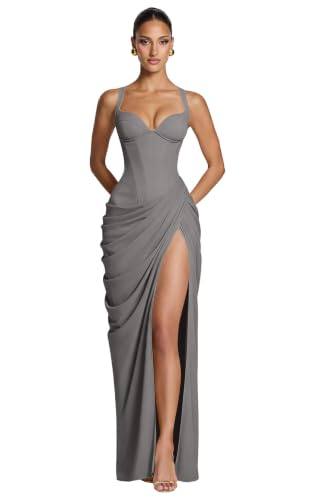
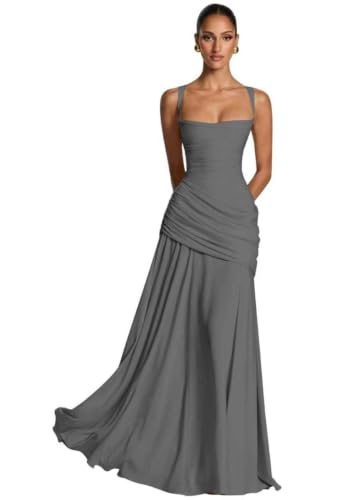
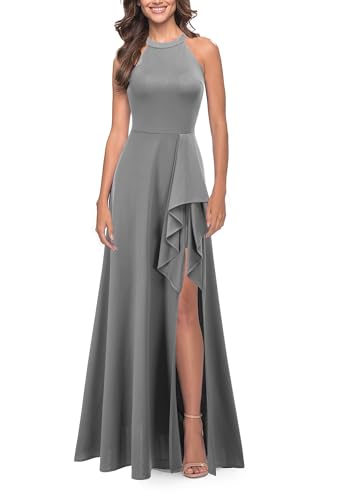
Grey has become one of the most requested bridesmaid colors precisely because it avoids the decisions other colors force. Bridesmaid styles account for just over eight in ten listings here, and formal wear for around half, so this is a focused collection.Chiffon leads the fabrics at just over a third, and just over half are floor length. Around a quarter have a slit, which is worth understanding before ordering.Around three in ten are prom styles, so filtering helps. For a lighter, warmer neutral, see lavender bridesmaid dresses.



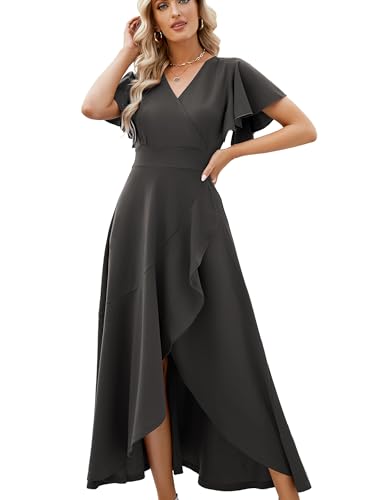


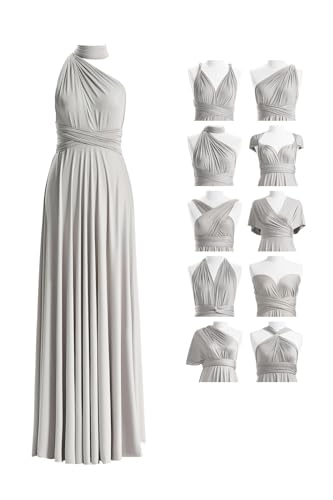


Grey Bridesmaid Dresses: Frequently Asked Questions
Why is grey such a popular bridesmaid choice?
It coordinates with almost any wedding palette without needing to be chosen to match one, and it photographs consistently against stone, wood and greenery, unlike a bright color that has to be selected around the venue and season.
What is the difference between warm and cool grey?
Cool grey leans blue and reads crisp and modern, pairing with silver and white. Warm grey, or greige, leans brown and pairs better with gold and blush. Check the shadows in a fabric photo: blue-grey shadows mean cool, brown-grey mean warm.
Is grey the same as silver?
No. Silver is metallic and reflects light, changing appearance under different sources and flaring under flash. Grey is matte and absorbs light, reading the same regardless of what is illuminating it, which is why it photographs more reliably.
Why do so many have slits?
Around a quarter do. A large uninterrupted area of one solid shade reads as a flat block at floor length, and a slit introduces a line and movement that breaks it up, the same pattern seen in other deep or solid wedding colors.
Which colors pair with grey?
Blush and dusty rose soften it and add warmth. Navy grounds it for an autumn or winter wedding. Burgundy creates a richer evening look. Sage suits a cool grey particularly well for a garden setting.
Which fabric suits grey best?
Chiffon, at just over a third of listings, diffuses the color and keeps a large expanse of neutral from reading stiff. Satin lifts it with sheen for a more formal look. Lace adds texture that stops a flat neutral reading plain.
Can the party mix fabrics?
Better not to. Grey chiffon and grey satin return light so differently that they read as two separate shades side by side, even from an identical dye lot.
How do I filter out the prom styles?
Around three in ten listings here are prom wear. Those lean toward corset backs, cut-out panels and higher slits. A bridesmaid dress is more likely to have a conventional zip and a more moderate slit.
Why order the whole party from one listing?
So the dye lot matches. A small variation between production runs is more visible against a neutral shade than it would be against a highly saturated color.
Why Grey Became the Default
Grey solves a coordination problem no other color solves as completely: it works with almost any wedding palette without needing to be chosen to match one.
A bright color has to be selected around the flowers, the season and the venue. Grey sits outside that decision. It photographs consistently against stone, wood, greenery and fabric backdrops of nearly any other color, which is why it has become the default choice for couples who have not settled on a full palette, or who want the bridesmaids to coordinate with a variety of accent colors worn by other members of the party.
Warm Grey and Cool Grey
Grey is a neutral, which means it takes on a cast from what is near it, and the underlying temperature is worth checking before ordering for a group.
Cool grey leans blue and reads crisp and modern. It pairs naturally with silver, white and other cool accents.
Warm grey, sometimes labeled greige, leans brown or taupe. Softer and closer to a true neutral, and pairs better with gold and blush.
Charcoal is dark enough to behave like black and carries the same level of formality.
Most listings do not specify which. The shadows in the fabric folds in a product photograph are the fastest check: blue-grey shadows mean cool, brown-grey shadows mean warm. Mixing warm and cool grey across a party, even in the same nominal shade, reads as a mismatch rather than a coordinated look.
Grey Is Not Silver
The two get confused constantly and behave in opposite ways under light.
Silver is metallic. It reflects light and changes appearance under different sources, flaring under flash and shifting between daylight, shade and reception lighting.
Grey is matte. It absorbs light and reads the same regardless of what is illuminating it, which is the practical reason it photographs so reliably across a wedding day that moves between outdoor ceremony light, indoor reception light and flash.
If a listing photograph shows visible shine or metallic thread, it is closer to silver than to grey, and it will behave differently in the album than a plain grey dress will.
Why the Slits
Around a quarter of these listings have one, which follows a pattern seen across every deep or solid-toned wedding color: a large uninterrupted area of one shade reads as a flat block at floor length, and a slit introduces a line and movement that breaks it up.
For a group, agree the slit height across the party before ordering rather than leaving it to whichever listing looks best, since it varies more than the thumbnails suggest.
What Grey Pairs With
Blush and dusty rose are the most common pairing, softening grey and giving the palette warmth without color competing for attention.
Navy grounds a grey palette and adds depth, particularly for an autumn or winter wedding.
Burgundy and deep red create a richer, more dramatic combination for a formal evening event.
Sage and eucalyptus give a soft, garden-appropriate palette, and both are cool-leaning shades that sit comfortably beside cool grey specifically.
Gold or rose gold accents warm the whole palette, particularly useful with a warm grey or greige.
Fabric
Chiffon, at just over a third, is the most common choice and the one that suits grey best: it diffuses the color slightly and moves well, which keeps a large expanse of neutral from reading as stiff.
Satin, at around one in seven, concentrates grey and lifts it with a sheen, producing the more formal, evening-appropriate version.
Lace, at around one in six, adds texture that stops a flat neutral color reading as plain, and works particularly well layered over a chiffon skirt.
Keep the whole party in one fabric. Grey chiffon and grey satin return light so differently that they read as two separate shades standing beside each other, even from an identical dye lot.
Filtering the Prom Styles
Around three in ten listings here are prom wear, and grey is common in both categories.
The markers that separate them: prom styles lean toward corset backs, cut-out bodice panels and higher slits. A bridesmaid dress is more likely to have a conventional zip closure and a more moderate slit.
Closure is the fastest filter, since a visible lace-up back reads younger and fits less consistently across a group of different measurements.
Sizing for a Party
Around one listing in twelve mentions plus sizing, which is thin coverage for a collection this size; confirm the full range before showing a style to the group.
Order the whole party from a single listing in one order, so the dye lot matches across everyone.
Just over half this collection is floor length, meaning individual hemming across a party spanning different heights. Book those fittings together rather than separately. Regular and plus sizing both appear on the US size chart.
Related Collections
For a warmer neutral, see lavender bridesmaid dresses. Lace across every shade sits in lace bridesmaid dresses. For the full bridesmaid range, see bridesmaid dresses.