
Regency Bridesmaid Dresses
Regency Bridesmaid Dresses focus on a vivid medium-to-deep purple commonly used as a bridesmaid color name, distinct from historical Regency-era dress styling. For a US wedding party, the useful starting point is not the seller’s color name alone: compare the exact selected swatch, fabric, lining, size chart, delivery date, and return terms before ordering several dresses. This color can appear in chiffon, satin, tulle, crepe, lace, and jersey, and each material changes saturation, shine, drape, and how the shade reads next to skin, flowers, suits, and venue lighting.
The closest color comparisons are royal purple, grape, violet, plum, wisteria, and eggplant. Regency purple can shift from blue-violet to warmer royal purple depending on white balance, so swatches and same-light comparisons are important. Order or request a physical swatch when possible, especially when bridesmaids are buying different silhouettes or fabrics. The live taxonomy should clarify ‘Regency Purple Bridesmaid Dresses’ because the word Regency can otherwise imply an early-19th-century empire-waist historical style. That distinction keeps the category useful for shoppers and prevents broad marketplace tagging from turning a specific color search into unrelated inventory.
Related shopping paths include purple bridesmaid dresses, wisteria bridesmaid dresses, lavender bridesmaid dresses, and bridesmaid dresses. Use those pages to move intentionally between a broader color family, a neighboring shade, a fabric or construction preference, and the main bridesmaid collection rather than treating every similar color label as interchangeable.




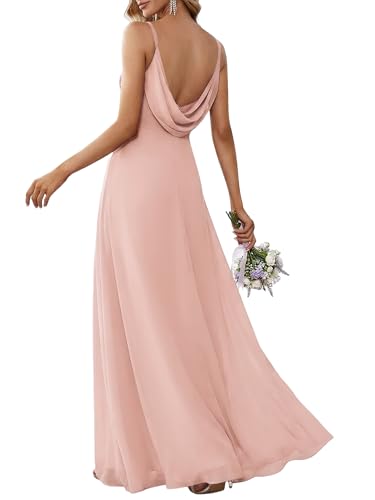


Xijun Women’s V-Neck Chiffon Bridesmaid Dresses Long A Line Bodices Petite Evening Dress Cap Sleeves Formal Wedding Guest Party Gowns US8 Regency
Original price was: $49.99.$45.99Current price is: $45.99.
Frequently Asked Questions About Regency Bridesmaid Dresses
What color counts as regency bridesmaid dresses?
Use the actual received fabric and a physical swatch when possible. The intended family is a vivid medium-to-deep purple commonly used as a bridesmaid color name, distinct from historical Regency-era dress styling; close labels such as royal purple, grape, violet, plum, wisteria, and eggplant can overlap but are not automatically identical.
Should all bridesmaids order the same fabric?
Not necessarily. Mixed fabrics can look intentional, but chiffon, satin, velvet, crepe, lace, and tulle reflect light differently. Approve cross-fabric swatches before a mixed-style group orders.
How can we keep the color consistent across the bridal party?
Use one approved reference swatch, record the seller and fabric for each dress, order within a similar time window when possible, and compare delivered dresses together before alteration deadlines pass.
Will the shade look different in wedding photos?
Yes. Regency purple can shift from blue-violet to warmer royal purple depending on white balance, so swatches and same-light comparisons are important. Test daylight, warm indoor light, and flash without filters.
How should a bridesmaid choose a size?
Measure bust, waist, hips, shoulders, torso, and dress length in the intended underlayers, then use the exact seller's current chart rather than a familiar US label size.
When should alterations be scheduled?
After the correct dress, shoes, and underlayers are available but early enough to preserve the return window when possible. Beading, lace, corsetry, layered skirts, and bias fabrics can increase tailoring time.
What should we verify before ordering?
Confirm the exact seller, selected color, fabric, lining, closure, size chart, delivery estimate, return eligibility, included pieces, and whether the dress works with the wedding's coverage and length requirements.
Define the Shade Before Comparing Dresses
Regency Bridesmaid Dresses should be filtered by the received fabric color, not by a keyword pasted into a marketplace title. The intended family here is a vivid medium-to-deep purple commonly used as a bridesmaid color name, distinct from historical Regency-era dress styling. Nearby names such as royal purple, grape, violet, plum, wisteria, and eggplant may overlap visually, but they do not always produce the same undertone in daylight or next to a white wedding dress. Put swatches side by side on a neutral surface and compare them in the same light instead of relying on separate phone screenshots.
For a coordinated bridal party, decide how much variation is acceptable before anyone orders. A tonal wedding can intentionally mix close shades, while a uniform color plan needs tighter control over seller, fabric, and dye batch. The live taxonomy should clarify 'Regency Purple Bridesmaid Dresses' because the word Regency can otherwise imply an early-19th-century empire-waist historical style. A category page is strongest when it helps a shopper make that boundary decision rather than simply repeating the target phrase.
Fabric Changes the Color More Than a Product Thumbnail Suggests
The same nominal shade behaves differently in chiffon, satin, tulle, crepe, lace, and jersey. Satin produces directional highlights and can look several shades lighter along folds; chiffon softens saturation through layers; velvet deepens color through pile direction; lace may expose a contrasting lining; and tulle can become lighter where layers separate. Compare the outer fabric, lining, straps, cups, zipper tape, and any mesh because mismatched components become obvious in wedding photographs.
When mixing dress styles, match fabric families deliberately. Two bridesmaids can order the same listed color and still look different if one chooses matte chiffon and another chooses glossy satin. That difference can be attractive when planned, but it should not be discovered at the rehearsal. Ask whether the retailer's color system is cross-fabric matched and keep swatches with the wedding-planning notes. Accessory decisions should follow the received swatch; compatible directions can include ivory, champagne, silver, gold, black, sage, gray, blush, and jewel-tone accents.
Use Swatches for Group Orders and Mixed Silhouettes
A swatch is most valuable when the bridal party is ordering from several sellers, using different fabrics, or purchasing weeks apart. Label each swatch with seller, color name, fabric, and date received. Compare every candidate against the same reference rather than saying that one dress 'looks close enough' on a screen. For regency bridesmaid dresses, even small shifts toward royal purple, grape, violet, plum, wisteria, and eggplant can change the palette once several people stand together.
If the group is intentionally mix-and-match, set a rule: one exact shade in several silhouettes, one fabric in several related shades, or a controlled tonal range. Avoid combining all three variables at once unless that is the design. Keep the bride's dress fabric, suit color, flowers, and major décor nearby when reviewing the swatches so the decision reflects the complete wedding scene. The live taxonomy should clarify 'Regency Purple Bridesmaid Dresses' because the word Regency can otherwise imply an early-19th-century empire-waist historical style
Check Daylight, Reception Light, and Flash
Regency purple can shift from blue-violet to warmer royal purple depending on white balance, so swatches and same-light comparisons are important. Photograph the swatch or delivered dress near a window, under the venue-like warm indoor light, and with phone flash. These three tests expose undertone changes, transparency, reflective hotspots, and differences between lining and outer fabric. Do not apply filters while evaluating color, and reduce automatic phone enhancement if possible so comparisons are not based on artificially boosted saturation.
Group photography creates another test because one reflective dress can appear brighter than neighboring matte dresses. Ask bridesmaids to stand together when practical, or photograph swatches in one frame. This is especially useful for darker jewel tones and very pale shades, where camera exposure can push the dress toward black or white and erase the nuance that motivated the color choice. This check is especially important across chiffon, satin, tulle, crepe, lace, and jersey.
Build the Wedding Palette Around the Actual Undertone
Possible companions include ivory, champagne, silver, gold, black, sage, gray, blush, and jewel-tone accents. Choose metals, flowers, ties, pocket squares, table linens, and stationery after the final dress swatch is approved. A color name cannot tell you whether silver or gold will look more coherent; the actual undertone and surface finish can. If the dress contains visible beadwork, zipper hardware, or metallic thread, treat that finish as part of the palette.
Avoid buying shoes and accessories from a retailer thumbnail before the dresses arrive. Nude, black, silver, gold, tonal, and clear footwear can all work depending on hem length and the wedding style. The most useful accessory choice is one that coordinates without creating snag risk, pressure, or a second competing color story. Accessory decisions should follow the received swatch; compatible directions can include ivory, champagne, silver, gold, black, sage, gray, blush, and jewel-tone accents.
Silhouette, Neckline, and Fabric Weight Still Control Comfort
Color does not determine whether an A-line, column, wrap, empire, fit-and-flare, one-shoulder, sleeved, or slit dress will work for a particular bridesmaid. Compare the garment's structure and the wearer's measurements first. In heavier satin or velvet, the shade may look rich but the skirt can feel warmer; in chiffon, the color can be airy but several layers and lining still affect weight and opacity. A category-specific fit review should include seller sizing, bodice support, fabric stretch, sleeve ease, lining, and whether the selected color variation is actually labeled Regency.
For any selected style, test bust support, back stability, straps, neckline, hip ease, and skirt movement. A mixed-style bridal party can look coordinated without forcing everyone into the same neckline. Keep one or two visual anchors—color, fabric family, or length—consistent, then allow silhouettes that fit different bodies and coverage preferences. The live taxonomy should clarify 'Regency Purple Bridesmaid Dresses' because the word Regency can otherwise imply an early-19th-century empire-waist historical style
Measure for the Exact Seller, Not a Familiar US Size
Record bust, waist, hips, shoulder width, torso length, and preferred dress length while wearing the intended underlayers. Add upper-arm circumference when sleeves are involved. Then use the exact seller's current chart; a US 8, 12, 18, or 2X is not a universal garment measurement. If measurements fall across sizes, prioritize the least flexible structured area and confirm what a tailor can safely take in. For regency bridesmaid dresses, keep a vivid medium-to-deep purple commonly used as a bridesmaid color name, distinct from historical Regency-era dress styling as the visual reference rather than allowing the grid to drift toward royal purple, grape, violet, plum, wisteria, and eggplant.
For this category, pay particular attention to seller sizing, bodice support, fabric stretch, sleeve ease, lining, and whether the selected color variation is actually labeled Regency. Reviews become more useful when they include body measurements, purchased size, fabric, and the exact color variation. A review for another color or another seller should not be treated as proof that the selected version has identical lining, stretch, or construction.
Plan for Season, Venue, and Wedding-Day Movement
Outdoor heat, cold arrivals, grass, gravel, stairs, church seating, ballroom floors, wind, and long photography sessions all affect the dress choice. Darker fabrics may absorb heat outdoors, pale skirts can show dirt sooner, and floor-length hems need different handling than midi styles. Evaluate the actual ceremony and reception schedule rather than assigning a color to a season by tradition alone. For this shade family, remember that regency purple can shift from blue-violet to warmer royal purple depending on white balance, so swatches and same-light comparisons are important.
Every bridesmaid should rehearse sitting, walking quickly, climbing a step, hugging, raising both arms, and dancing. Check the hem with final shoes and test the slit while seated. A dress that photographs beautifully while standing can still fail if it restricts stride, scratches under the arms, rides up, or requires constant neckline adjustment. Accessory decisions should follow the received swatch; compatible directions can include ivory, champagne, silver, gold, black, sage, gray, blush, and jewel-tone accents.
Coordinate Ordering Without Creating Dye-Lot Surprises
For a uniform bridal party, ordering within a similar time window can reduce the risk of color drift, discontinued sizes, or changing seller inventory. Save screenshots or records of the exact seller, style, color, fabric, size chart, estimated delivery, and return policy at checkout. When several bridesmaids order independently, one organizer should keep a simple list so substitutions are noticed early. A category-specific fit review should include seller sizing, bodice support, fabric stretch, sleeve ease, lining, and whether the selected color variation is actually labeled Regency.
Do not assume a marketplace product card represents one factory or one construction. Variations can change seller, material, lining, or fulfillment terms. If a replacement is needed, verify the exact variation again rather than clicking the same title months later. Order early enough for one failed option, exchange, tailoring, steaming, and a complete movement test. The live taxonomy should clarify 'Regency Purple Bridesmaid Dresses' because the word Regency can otherwise imply an early-19th-century empire-waist historical style
Alterations Can Change Both Fit and Color Presentation
Simple strap shortening or plain hems are usually easier than altering beaded borders, lace motifs, pleated chiffon, bias satin, corsetry, or layered tulle. A tailor may need to move appliqué, rebuild a neckline, or shorten several skirt layers separately. Get an estimate before the return window closes, especially if the dress misses more than one major body measurement. For regency bridesmaid dresses, keep a vivid medium-to-deep purple commonly used as a bridesmaid color name, distinct from historical Regency-era dress styling as the visual reference rather than allowing the grid to drift toward royal purple, grape, violet, plum, wisteria, and eggplant.
Alterations also affect how color is perceived. A lining that becomes exposed after hemming, a moved seam that catches light differently, or replacement fabric from another dye lot can interrupt an otherwise uniform look. Bring final shoes and underlayers to fittings, and keep any spare matching fabric if the seller provides it. This check is especially important across chiffon, satin, tulle, crepe, lace, and jersey.
Use Internal Links to Narrow, Not Cannibalize, the Search
Related shopping paths include purple bridesmaid dresses, wisteria bridesmaid dresses, lavender bridesmaid dresses, and bridesmaid dresses. The purpose of these links is to help a shopper move by a real decision dimension: neighboring shade, broader color family, fabric, sleeve or length requirement, or the parent bridesmaid collection. Internal anchors should describe the destination naturally instead of repeating the same exact-match keyword in every paragraph.
Keep this URL indexable only when it serves a distinct product set and search need. If two pages repeatedly show the same products and answer the same question, consolidating signals is stronger than creating two near-identical essays. The live taxonomy should clarify 'Regency Purple Bridesmaid Dresses' because the word Regency can otherwise imply an early-19th-century empire-waist historical style.
Inventory Relevance Matters as Much as Word Count
The live page showed 20 visible results during the August 13, 2026 verification. A product should remain in this category only when its selected variation actually matches a vivid medium-to-deep purple commonly used as a bridesmaid color name, distinct from historical Regency-era dress styling. Titles, thumbnails, and broad seller tags are not sufficient if the color picker or received product points elsewhere. Periodically sample the grid and remove unrelated formalwear, books, accessories, or adjacent shades that dilute shopping intent.
Long-form copy cannot repair a mismatched product set. Search engines and shoppers both benefit when the category title, products, internal links, canonical URL, and descriptive text all describe the same thing. Treat the content as decision support for verified inventory, not as a substitute for taxonomy maintenance. The live taxonomy should clarify 'Regency Purple Bridesmaid Dresses' because the word Regency can otherwise imply an early-19th-century empire-waist historical style
How to Shortlist Regency Bridesmaid Dresses
Start with a physical or trustworthy color reference, then filter by required length, fabric, neckline, sleeve coverage, size range, budget, and delivery date. Compare seller-specific measurements and return terms before ranking dresses by appearance. For a group, decide whether the priority is exact color uniformity or coordinated variation and document that rule before ordering. For regency bridesmaid dresses, keep a vivid medium-to-deep purple commonly used as a bridesmaid color name, distinct from historical Regency-era dress styling as the visual reference rather than allowing the grid to drift toward royal purple, grape, violet, plum, wisteria, and eggplant.
Keep a dress only when the received shade works in daylight and reception lighting, the lining and support are dependable, the hem and slit are manageable, and the wearer can sit, walk, hug, reach, and dance comfortably. That combination turns regency bridesmaid dresses from a color keyword into a practical wedding-party choice.