
Beach Bridesmaid Dresses
Beach bridesmaid dresses must perform in sun, heat, humidity, wind, sand, uneven ground, photographs, and a coordinated wedding party. “Beach” does not automatically mean casual: a resort ballroom, sunset ceremony, barefoot shoreline, and formal coastal venue require different fabric, length, structure, and shoes. The best choice starts with the exact location and timeline rather than a generic flowy-dress image.Browse the products above to compare the currently indexed marketplace selection. The guide below focuses on evidence-based fit, construction, event suitability, care, and seller verification rather than promising that every product tagged to the category is an exact match.Affiliate shopping note: MotherBrideDress may earn a commission from qualifying purchases. MotherBrideDress is an affiliate discovery website and does not manufacture, stock, sell, ship, or accept returns for the products displayed. Amazon or the listed marketplace seller controls the current price, size and color availability, seller identity, shipping estimate, item condition, and return terms. Confirm the exact selected variation and seller information on the live product page before checkout.





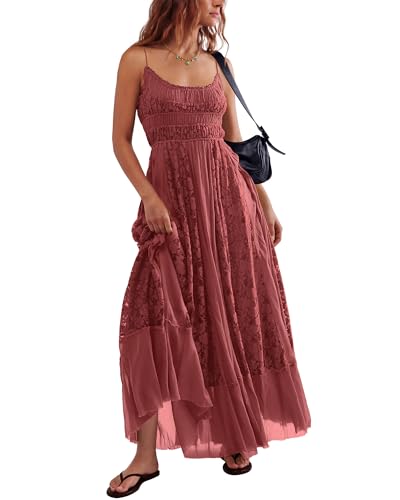




YMSHA Women’s A Line Bridesmaid Dresses with Pockets Long Chiffon Burnt Orange Formal Dress with Slit Pleated V Neck Evening Dresses 8
Original price was: $49.99.$42.99Current price is: $42.99.


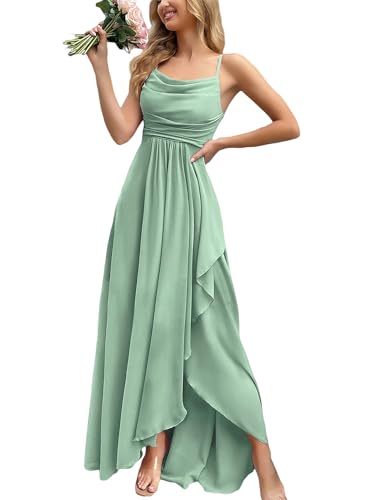
Raseal One Shoulder Chiffon Bridesmaid Dress with Ruched Bodice Elegant A Line Bridesmaid Dress Long for Women Sage Green 06
Original price was: $65.99.$52.99Current price is: $52.99.


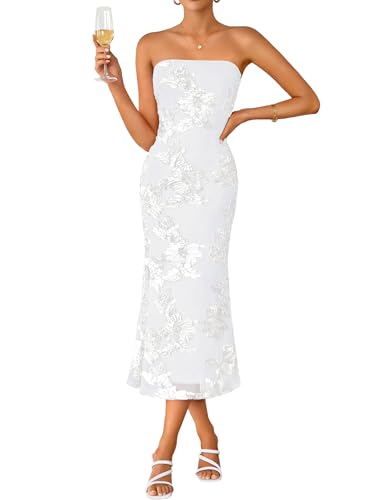
BeryLove Formal Dress for Women Wedding Guest Summer Beach Vacation Prom Dress for Teens Sleeveless Lace Chiffon Floral Bridesmaid Cocktail Homecoming High Low Elegant Midi Dress 35 Navy M
Original price was: $50.99.$40.94Current price is: $40.94.Frequently Asked Questions About Beach Bridesmaid Dresses
What fabric is best for beach bridesmaid dresses?
Chiffon, crepe, lightweight satin, linen blends, and selected lace can work. The best choice depends on wind, humidity, formality, lining, and group needs.
Should beach bridesmaid dresses be long or short?
Either can work. The hem should suit the wedding style and clear the actual sand, deck, or lawn safely.
Can bridesmaids wear heels on the beach?
Narrow heels are unstable in soft sand. Flats, sandals, wedges, block heels, or barefoot plans are usually more practical depending on the surface.
How do we keep chiffon from blowing open?
Choose adequate overlap and lining, test in wind, and use discreet garment-safe solutions only when they do not damage fabric or skin.
How early should a destination wedding party order?
Early enough for delivery, color comparison, exchanges, alterations, travel packing, and a backup. Seller lead times vary.
Will the same color look identical in chiffon and satin?
No. Fabric texture, sheen, layer count, lining, and dye can make the same named color appear different.
How do we test for beach backlighting?
Photograph the full dress toward a bright window or outdoor light while wearing the planned undergarments.
Who handles exchanges for linked dresses?
Amazon or the listed seller handles the order, shipping, and exchange or return terms for each variation.
How to Choose Beach Bridesmaid Dresses with Better Evidence
A disciplined comparison separates an attractive photograph from operational evidence. Confirm construction, measurements, condition, material, delivery, and return terms before relying on styling language.
Most important risk: lightweight fabric can become transparent, cling with humidity, blow upward, or reveal a short lining. A long hem can collect wet sand, while a heavy satin gown can trap heat and show water marks.
Map the Ceremony Conditions Before Selecting the Dress
Dry sand ceremony
Soft sand makes narrow heels unstable and increases effort while walking. Check hem clearance, shoe plan, and whether the skirt drags. Use full-length front, side, and back views, then test the delivered garment while seated and moving.
Boardwalk or deck
A stable surface allows more footwear options, but gaps, splinters, and wind still affect chiffon, lace, and trains. Record the result instead of relying on memory; small differences become clearer when several listings use similar descriptions.
Resort lawn or terrace
The setting may be beach-adjacent rather than on sand. Use the invitation and venue photographs to decide whether cocktail, semi-formal, or formal construction is needed. Evaluate the selected variation because one marketplace page may combine several colors, sizes, sellers, or related designs.
Tropical destination wedding
Heat, humidity, sudden rain, luggage limits, and local alteration access matter. Favor fabrics and packing methods that recover reliably. Consider appearance and operation together: support, closure, lining, comfort, and alteration feasibility determine real usability.
Cool coastal ceremony
Wind and lower evening temperature may require sleeves, a wrap, or a heavier fabric. Do not choose only for the midday forecast. Do not let one close photograph outweigh missing evidence about the full silhouette, interior, back view, or measurements.
Fit Details That Change the Result
Hem above the terrain
Floor length should clear sand and shoes without being held constantly. High-low, midi, or ankle lengths can be practical when approved by the wedding plan. Do not let one close photograph outweigh missing evidence about the full silhouette, interior, back view, or measurements.
Secure neckline in wind
Wrap fronts, loose cowls, and off-shoulder edges need movement testing. Use hidden snaps or tape only when safe and permitted. Use full-length front, side, and back views, then test the delivered garment while seated and moving.
Sleeve ventilation
Long sleeves can provide coverage but may trap heat. Evaluate lining, mesh, cuff tightness, and air flow. Record the result instead of relying on memory; small differences become clearer when several listings use similar descriptions.
Group sizing consistency
One style may fit different bodies unevenly. Compare individual measurements, offer approved alternatives, and keep color or fabric as the unifying element when possible. Evaluate the selected variation because one marketplace page may combine several colors, sizes, sellers, or related designs.
Seated and bouquet posture
Test the dress while holding a bouquet, standing in formation, sitting for dinner, and raising the arms for photographs. Consider appearance and operation together: support, closure, lining, comfort, and alteration feasibility determine real usability.
Measurements, Ease, and Movement
Take current body and vertical measurements
Measure bust, waist, high hip, full hip, shoulder width, torso length, sleeve dimensions, and the shoulder-to-hem length relevant to the garment. Measure over the undergarments planned for the event. Marketplace charts are not standardized, so a remembered U.S. size is not enough. Consider appearance and operation together: support, closure, lining, comfort, and alteration feasibility determine real usability.
Compare body and garment dimensions
When finished garment measurements are available, compare them with the body chart and the intended ease. A rigid woven bodice, stretch knit, full skirt, and bias-cut slip require different room. Do not let one close photograph outweigh missing evidence about the full silhouette, interior, back view, or measurements.
Test the complete range of motion
Walk, sit for several minutes, climb stairs, reach, raise the arms, turn, and enter or leave a car. Watch for rising hems, twisting seams, opening wraps, tight linings, pressure, slipping necklines, or scratchiness. Use full-length front, side, and back views, then test the delivered garment while seated and moving.
Use the planned shoes and support
Bras, shapewear, slips, hosiery, adhesive products, and heel height change fit and hem position. Test them during the return window rather than on the event day. Record the result instead of relying on memory; small differences become clearer when several listings use similar descriptions.
Price alteration limits before acceptance
Simple straps and plain hems may be manageable, while lace borders, beadwork, boning, print matching, trains, and unusual seams can make changes expensive or risky. Evaluate the selected variation because one marketplace page may combine several colors, sizes, sellers, or related designs.
Fabric, Lining, and Surface Behavior
Chiffon
Chiffon moves beautifully in coastal air but can fly, cling, and become transparent. Check layer count, static, and lining length. Use full-length front, side, and back views, then test the delivered garment while seated and moving.
Matte satin
Satin offers polish for a formal resort wedding but may show sweat, saltwater, and wrinkles. Choose weight and lining for the climate. Record the result instead of relying on memory; small differences become clearer when several listings use similar descriptions.
Crepe
Crepe can provide a clean drape with less shine. Verify thickness, stretch recovery, and whether it becomes heavy in humidity. Evaluate the selected variation because one marketplace page may combine several colors, sizes, sellers, or related designs.
Linen blend
A linen blend suits relaxed ceremonies but wrinkles visibly. Decide whether that texture matches the wedding aesthetic. Consider appearance and operation together: support, closure, lining, comfort, and alteration feasibility determine real usability.
Lace and crochet details
Open textures can look coastal but may snag, irritate, or reveal contrasting underlayers. Inspect edge finishing and backing. Do not let one close photograph outweigh missing evidence about the full silhouette, interior, back view, or measurements.
Group Ordering and Color-Control Plan
Order color swatches or one test garment when possible. Chiffon, satin, and lining can use the same color name while appearing different in daylight and sunset photographs.
Record each bridesmaid’s seller, selected color, size chart, and order date. Marketplace listings can combine multiple sellers or update variations, which increases inconsistency risk.
Build enough time for exchanges and alterations at the destination or before travel. A coordinated wedding party cannot rely on every first order fitting correctly.
When one cut does not serve the group, use a controlled mix-and-match system: one approved color and fabric family with several silhouettes. That is more honest than forcing every body into one poorly graded pattern.
Match the Dress to the Real Occasion
Barefoot shoreline ceremony
Choose a hem and underlayer that work without shoes and will not become dangerous on wet sand. Record the result instead of relying on memory; small differences become clearer when several listings use similar descriptions.
Formal resort wedding
Use refined fabric, coordinated accessories, and structured fit while still planning for outdoor heat and wind. Evaluate the selected variation because one marketplace page may combine several colors, sizes, sellers, or related designs.
Destination rehearsal and wedding
A versatile dress may serve only the ceremony; do not expect one delicate gown to cover every travel event. Consider appearance and operation together: support, closure, lining, comfort, and alteration feasibility determine real usability.
Sunset photography
Color and sheer layers change against strong backlight. Test opacity and undertone in similar light. Do not let one close photograph outweigh missing evidence about the full silhouette, interior, back view, or measurements.
Reception indoors
The dress must remain comfortable after moving from humidity into strong air conditioning. A coordinated wrap may be useful. Use full-length front, side, and back views, then test the delivered garment while seated and moving.
Accessories and Outfit Balance
Block heels, flats, or sandals
Match footwear to sand, deck, or lawn. The wedding party should know whether shoes will appear in formal photographs. Evaluate the selected variation because one marketplace page may combine several colors, sizes, sellers, or related designs.
Wind-secure hair
Use pins and styles that tolerate wind without hiding the neckline or requiring constant adjustment. Consider appearance and operation together: support, closure, lining, comfort, and alteration feasibility determine real usability.
Minimal snagging jewelry
Fine chiffon and lace need smooth earrings, bracelets, bags, and bouquet hardware. Do not let one close photograph outweigh missing evidence about the full silhouette, interior, back view, or measurements.
Sun and skin plan
Use sunscreen that dries cleanly and does not transfer to fabric. Apply early and test on a hidden garment area only when safe. Use full-length front, side, and back views, then test the delivered garment while seated and moving.
Coordinated outer layers
If temperatures drop, use approved wraps or jackets so the visual plan remains coherent. Record the result instead of relying on memory; small differences become clearer when several listings use similar descriptions.
How to Evaluate the Exact Marketplace Listing
Select the intended size and color first. Then reread the title, seller, brand, condition, price, delivery estimate, material, size chart, included pieces, and return policy. Marketplace information can change when the variation changes.
- Exact beach surface and ceremony time
- Expected temperature, humidity and wind
- Fabric opacity in backlight
- Hem measurement with selected shoes
- Color consistency across separate orders
- Seller and dye-lot variation
- Luggage and wrinkle recovery needs
- Return and replacement lead time
Reviews are useful when they provide body measurements, height, selected size, recent photographs, movement comments, and seller-specific evidence. A one-line opinion is less diagnostic than repeated detail about fit, fabric, color, condition, closure, shipping, or returns.
Save the selected variation and terms when timing or coordination matters. Do not assume that a delivery date, discount, seller, or return window will remain unchanged.
Delivery Inspection and Return-Window Test
- Confirm that the delivered color, size, brand, seller information, condition, and included pieces match the order.
- Inspect seams, zipper, hooks, lining, hem, surface detail, stains, odors, pulls, and signs of prior wear before a long try-on.
- Test the garment in daylight, indoor light, and phone flash; photograph front, side, and back at normal posture.
- Repeat sitting, walking, stairs, arm movement, shoes, support, outerwear, and event-specific tests.
- Keep tags, packaging, spare pieces, and order documentation until the garment passes every check and the return decision is complete.
Complete the inspection promptly. Event clothing often becomes a problem because the buyer waits until the exchange or alteration window has closed.
Alterations, Care, and Storage
Read the sewn-in care label and compare it with the listing. Do not assume that every garment in the category can be washed, steamed, pressed, or spot-treated in the same way. Use professional care when delicate fabric, age, dye, embellishment, or adhesive requires it.
Ask a tailor before ordering when the likely change crosses a zipper, boning, print, lace motif, beadwork, shaped hem, sleeve, train, or complex lining. Total cost and risk may make another listing the better value.
Store the accepted garment clean, fully dry, and protected from rough surfaces. Support heavy pieces, avoid crushing structured fabric or detail, and allow enough space that the neckline, sleeves, and hem do not distort.
Common Shopping Mistakes
- Assuming every beach wedding is casual
- Using stilettos on soft sand
- Choosing a train without a carrying plan
- Ignoring backlight transparency
- Ordering every bridesmaid from a generic size label
- Waiting too late to compare colors
- Using transfer-prone sunscreen or body makeup
- Forgetting a cold indoor reception
Reject a dress that succeeds only in a still front photograph. Keep the option that fits the actual event, survives movement, coordinates with the planned outfit, arrives with workable seller terms, and requires no uncertain last-minute correction.
Final Shopping Checklist
- Confirm the exact category intent, selected variation, seller, and current return terms.
- Take current measurements and compare the correct chart rather than a familiar size label.
- Check neckline, shoulder, bust, waist, hip, sleeve, lining, and actual hem placement.
- Review fabric opacity, stretch, reflection, surface comfort, and care requirements.
- Test sitting, walking, stairs, reaching, dancing, shoes, support, and outerwear.
- Inspect the delivered condition and color in several lighting environments.
- Estimate tailoring, cleaning, accessory, and backup costs before final acceptance.
- Keep tags and packaging until the complete decision is finished.
Explore Related Dress Collections
Use these related MotherBrideDress category pages to change one shopping variable at a time. The internal links separate color, occasion, size, construction, and formality rather than forcing every adjacent keyword onto one page.
Affiliate shopping note: MotherBrideDress may earn a commission from qualifying purchases. MotherBrideDress is an affiliate discovery website and does not manufacture, stock, sell, ship, or accept returns for the products displayed. Amazon or the listed marketplace seller controls the current price, size and color availability, seller identity, shipping estimate, item condition, and return terms. Confirm the exact selected variation and seller information on the live product page before checkout.