
Wedding Guest Attire Female
Wedding guest attire for women depends on four things: the dress code on the invitation, the time of day, the venue and the season. Once those are clear, choosing an outfit becomes much simpler. This page explains each dress code in plain terms and shows what women typically wear for each one, whether you prefer a dress, a jumpsuit or a suit.Browse the main collection of wedding guest dresses, or see dressy pant suits for wedding guests if you would rather not wear a dress.
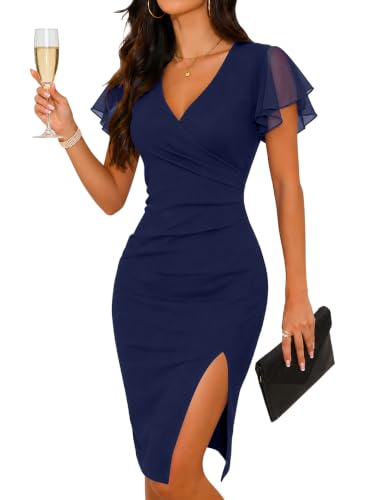
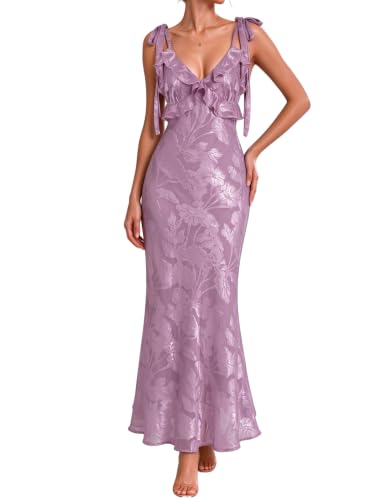
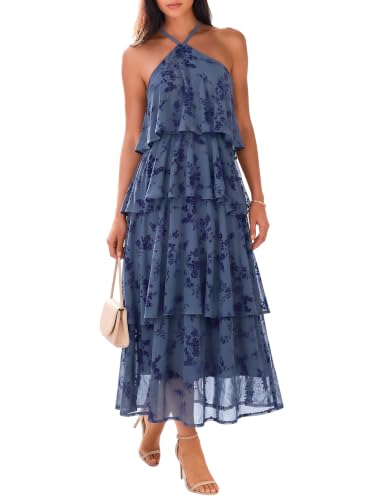
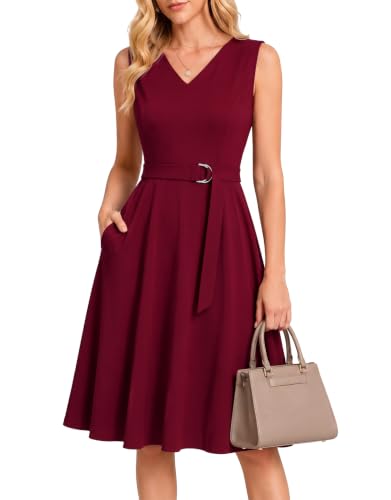
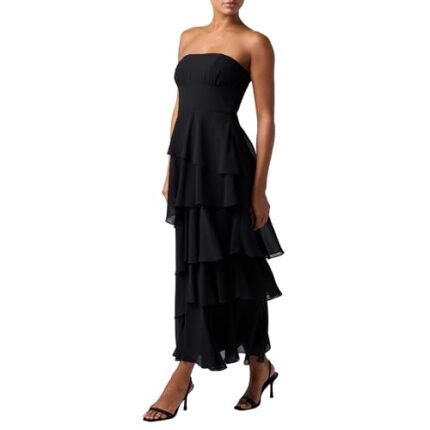
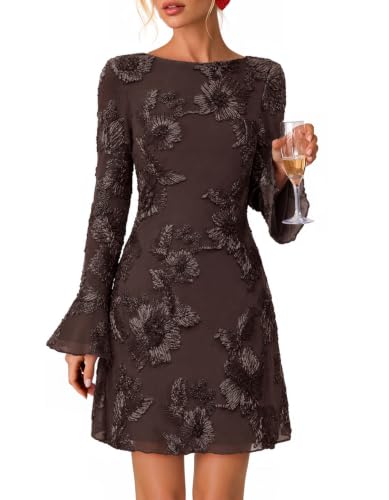
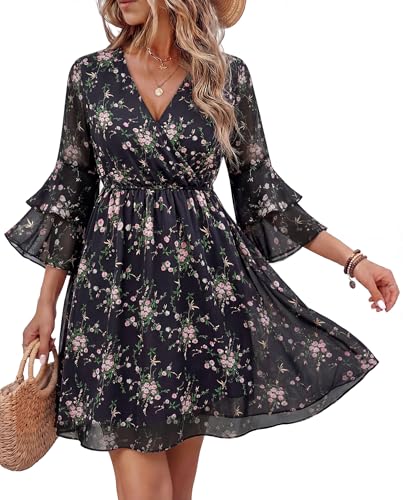
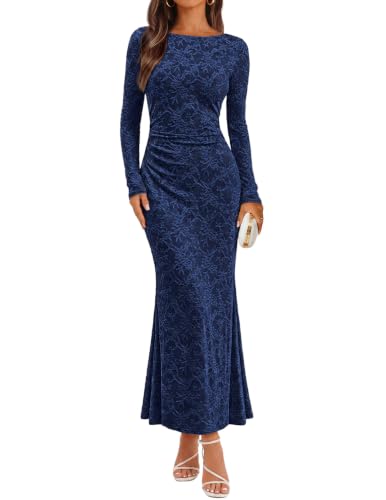
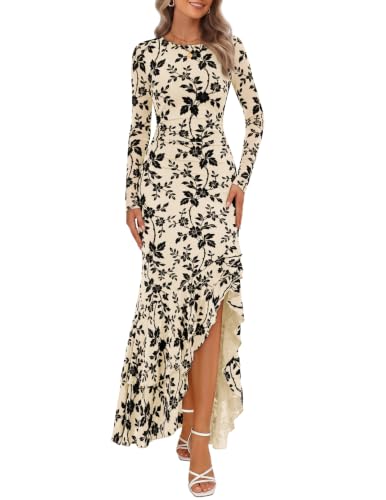
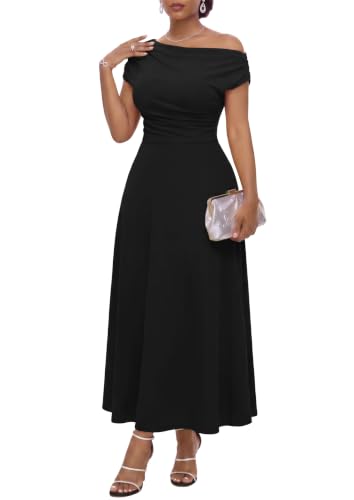
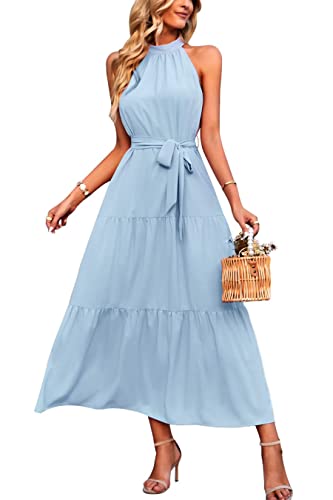
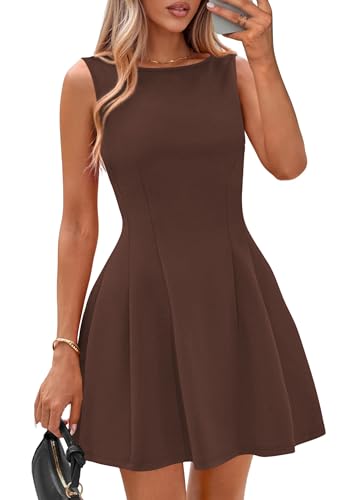
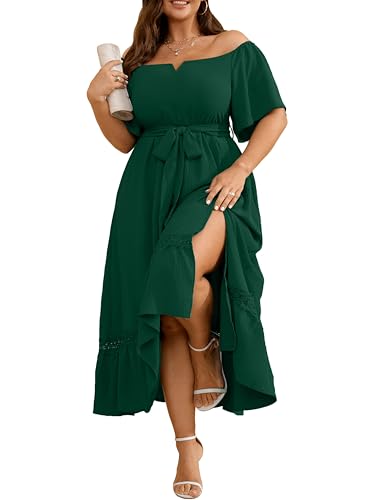
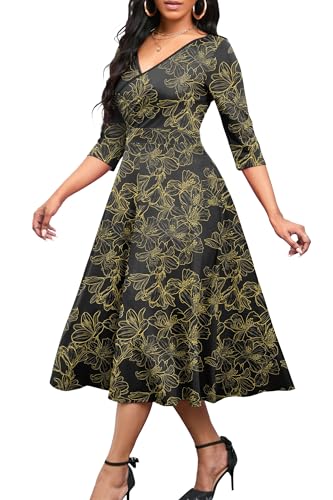
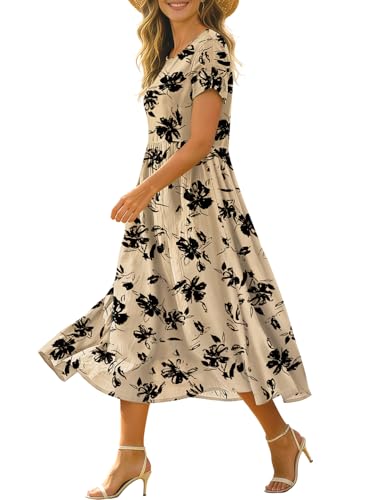
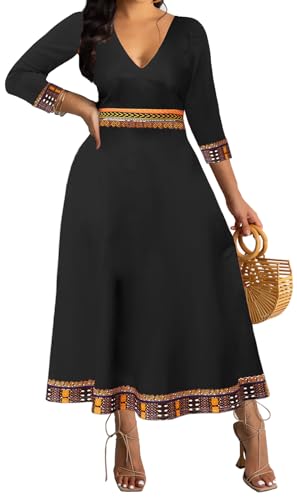
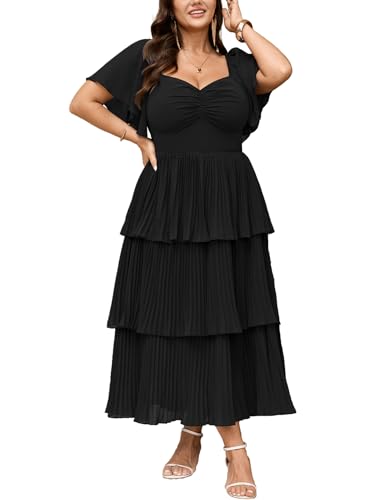
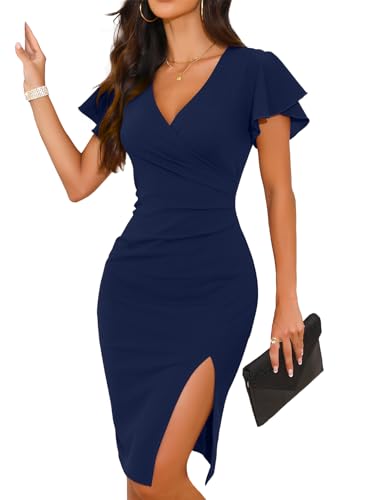
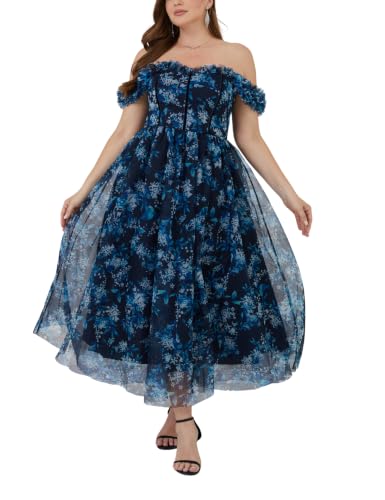
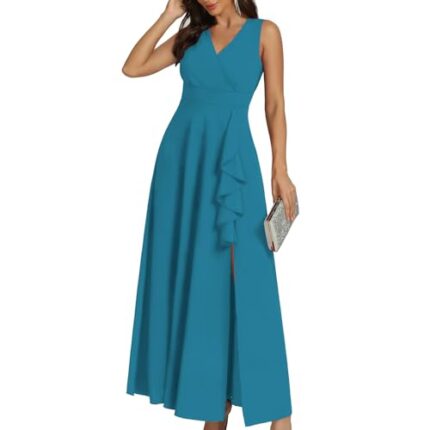



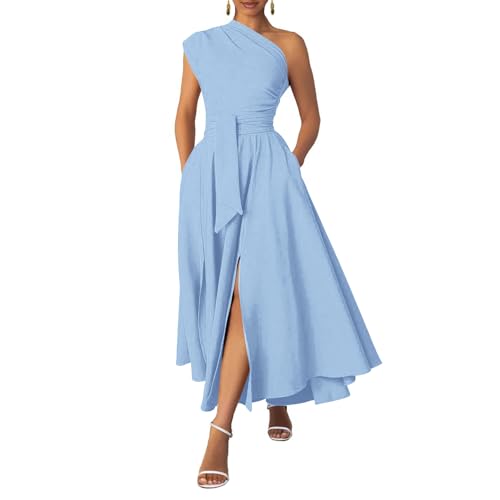
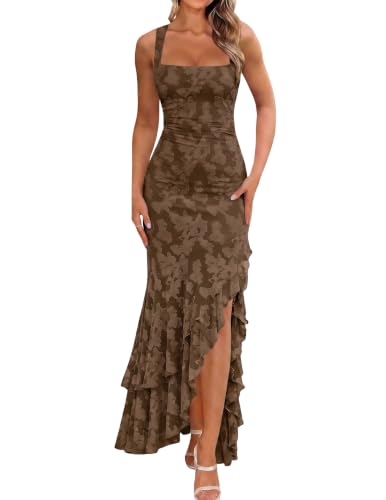


Wedding Guest Attire for Women: Frequently Asked Questions
What does black tie mean for women?
A formal evening dress code. A floor-length gown is the safest choice, though a very elegant cocktail dress may also be acceptable.
What is cocktail attire for a wedding?
A knee-length to midi dress, a dressy jumpsuit or a smart two-piece, in a refined fabric.
What should I wear if the invitation has no dress code?
Look at the time and venue, check the couple's website, or ask. A refined midi dress is the most versatile choice.
Can women wear pants to a wedding?
Yes. A tailored jumpsuit or trouser suit in a dressy fabric is appropriate at most weddings.
What colors should wedding guests avoid?
White, ivory, cream and very pale shades that could look bridal, plus the bridesmaid color if you know it.
Is black acceptable for a wedding guest?
Usually, especially at evening weddings, but check if the couple or their culture has a different view.
What should I wear to a church wedding?
Something with covered shoulders, or bring a wrap, and choose a length around or below the knee.
What shoes are best for an outdoor wedding?
Block heels, wedges or elegant flats, which will not sink into grass or sand.
How formal should a daytime wedding outfit be?
Usually semi-formal: a midi or knee-length dress in a lighter color or print, unless the invitation says otherwise.
Dress Codes Explained
White tie. The most formal dress code and quite rare. Women wear a full-length evening gown, often with long gloves and fine jewelry.
Black tie. A formal evening event. A floor-length gown is the safest choice; a very elegant cocktail dress or a dressy evening jumpsuit is sometimes acceptable. See long formal dresses.
Black tie optional or formal. A floor-length gown, an elegant midi or a polished cocktail dress all work. Choose rich fabrics and refined details.
Cocktail. A knee-length to midi dress, a dressy jumpsuit or a smart two-piece. See cocktail dresses.
Semi-formal or dressy casual. A midi or knee-length dress, an elegant skirt and top, or tailored trousers with a silk blouse.
Casual. A sundress, a simple midi or a smart jumpsuit. Even casual weddings call for something more polished than everyday clothing.
Beach. Light maxi or midi dresses in breathable fabrics, with flat sandals or wedges.
Themed or festive. Follow the couple's guidance. Ask if the wording is unclear.
When There Is No Dress Code
If the invitation does not say, look at the clues. An evening ceremony at a hotel or ballroom suggests formal or cocktail attire. An afternoon garden or barn wedding suggests semi-formal. The couple's wedding website often answers the question, and it is always fine to ask a member of the wedding party. When in doubt, a midi dress in a refined fabric is the most versatile choice, as it can be dressed up or down with accessories.
Time of Day and Season
Daytime weddings suit lighter colors, florals and fabrics such as chiffon, cotton blends and linen mixes. Evening weddings suit deeper colors and richer fabrics such as satin, velvet and crepe. Spring and summer favor pastels and bright prints; autumn and winter favor jewel tones and metallics. For winter events, see winter wedding guest dresses.
Venue Considerations
Religious venues may expect covered shoulders or knees. A dress with sleeves, a midi length or a wrap solves this. See wedding guest dresses with sleeves.
Gardens and lawns are hard on thin heels; choose block heels or wedges.
Beaches call for light fabrics and flat sandals.
Barns and rustic venues often mean uneven floors and changing temperatures.
Ballrooms and hotels usually mean the most formal end of the dress code.
The Rules That Almost Always Apply
- Avoid white, ivory and cream, along with very pale shades that may look white in photos, unless the couple asks for them.
- Avoid matching the bridesmaids if you know their color.
- Check before wearing black or red in cultures or families where these carry particular meaning.
- Dress for the whole day, including standing, sitting, eating and dancing.
Dresses, Jumpsuits and Suits
A dress is the classic choice, but women's wedding guest attire has broadened. A tailored jumpsuit in crepe or satin looks modern and polished. A matching trouser suit with a silk camisole works for daytime and city weddings. A dressy skirt and top set offers flexibility. Whatever you choose, match the formality of the fabric and finish to the dress code.
Plus Size and Petite Guests
The same dress code rules apply to every size; the difference is in fit. Plus size guests often find wrap dresses, A-lines and empire waists comfortable and flattering over a long day. See plus size wedding guest dresses. Petite guests can look for midi lengths that land below the knee rather than mid-calf, and V-necks that lengthen the line.
Accessories and Final Touches
Choose shoes that suit the venue and that you can wear for hours. Bring a light wrap for cooler evenings. A small clutch for a phone, lipstick and tissues is all you need. Match the formality of jewelry to the dress code: fine pieces for black tie, playful earrings for a garden wedding.
A Quick Checklist Before You Buy
- Read the invitation and the wedding website for the dress code.
- Note the time of the ceremony and whether the reception is indoors or outdoors.
- Check for any religious or cultural expectations at the venue.
- Avoid white, ivory and the bridesmaid color.
- Choose shoes that suit the ground and that you can wear for hours.
- Plan a layer for cooler evenings or air-conditioned rooms.