
Evening Wedding Guest Dresses
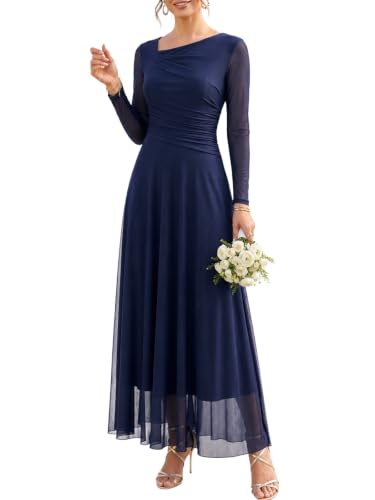
Evening wedding guest dresses should match the invitation’s dress code, the venue’s formality, and the time of celebration without competing with the couple. An evening event may call for cocktail, formal, black-tie optional, or black-tie attire, and those labels require different lengths, fabrics, and levels of polish. Browse the products above to compare midi, long, sequin, satin, lace, sleeved, fitted, A-line, and gown options. The guide below explains how to translate dress codes, select color and fabric, manage comfort, style accessories, and verify online seller terms. MotherBrideDress is an affiliate discovery website; the listed seller controls the final transaction.





Women’s Off The Shoulder Prom Dresses Long with Slit Mermaid Emerald Green Satin Ball Gown Formal Wedding Guest Evening Dresses Size 4
Original price was: $49.99.$45.99Current price is: $45.99.


Frequently Asked Questions About Evening Wedding Guest Dresses
Does an evening wedding require a long dress?
Not always. Cocktail attire often supports knee-length or midi dresses, while formal or black-tie events may favor a long gown. Follow the invitation’s exact dress code.
Can a wedding guest wear black in the evening?
Black is accepted at many modern evening weddings, but cultural and family expectations vary. Use the invitation, venue, and couple’s guidance.
What is the difference between cocktail and formal wedding attire?
Cocktail usually means a polished knee-length or midi dress. Formal or black-tie optional supports more elevated fabrics and may include a sophisticated midi, long gown, or formal jumpsuit.
Are sequins appropriate for an evening wedding guest?
They can be when the dress code and venue support them and the styling does not compete with the couple. Controlled embellishment is usually easier than costume-like sparkle.
What shoes should I wear to an evening wedding?
Choose polished shoes that match the formality and remain comfortable for standing and dancing. Consider stairs, grass, and the actual hem length.
Can I wear a jumpsuit to a formal evening wedding?
A tailored jumpsuit in a formal fabric can work for many formal or black-tie optional weddings. Black tie may require a particularly elevated design and styling.
How early should I order an evening guest dress?
Order early enough for delivery, exchange, hemming, and a full try-on with shoes and layers. Check the seller’s live estimate because lead times vary.
Who controls shipping and returns for products shown here?
Amazon or the listed third-party seller controls checkout, shipping, inventory, and returns. MotherBrideDress is an affiliate discovery website.
How to Shop Evening Wedding Guest Dresses with Confidence
“Evening wedding” describes timing, not a complete dress code. A 6 p.m. garden wedding marked cocktail is different from a ballroom wedding marked black tie. The invitation language, venue, ceremony type, and couple’s guidance determine how formal the guest dress should be. Evening generally supports richer colors, refined fabrics, metallic detail, and more polished accessories than a casual daytime event, but it does not automatically require a floor-length gown. Start with the stated dress code and use the evening timing as secondary context.
Start with the Event and Your Real Wearing Needs
Translate common labels carefully. Cocktail attire usually supports a polished knee-length or midi dress. Formal or black-tie optional can include a sophisticated midi, tea-length dress, jumpsuit, or long gown depending on venue and styling. Black tie generally favors a floor-length gown or highly formal alternative. Creative black tie allows more fashion expression within a formal standard. When the wording is unclear, review the wedding website or ask a close member of the wedding party rather than guessing from social media photos.
Popular Styles and What to Check
Cocktail midi dresses
These work for many evening weddings when fabric and finish are polished. Satin, crepe, lace, and structured silhouettes are common.
Floor-length guest gowns
Long gowns suit formal, black-tie optional, and black-tie events. They should be elegant without looking bridal or like a bridesmaid uniform.
Long-sleeve evening dresses
Sleeves add coverage and seasonal practicality. Check arm mobility, fabric warmth, and whether embellishment scratches.
Sequin and embellished dresses
Controlled shine can suit evening receptions, especially around holidays or ballroom venues. Keep the color and styling respectful.
Elegant jumpsuits and separates
A tailored formal jumpsuit or refined two-piece can be appropriate when the fabric, fit, and accessories match the dress code.
Fabric, Lining, and Construction
Evening-ready fabrics include satin, crepe, chiffon, velvet, lace, georgette, organza, tulle, and refined sequins or beadwork. The same fiber can look casual or formal depending on weight, construction, lining, and finish. Thin unlined jersey often looks too everyday, while structured stretch crepe can appear polished. Check how the fabric behaves under warm venue lighting and flash. Dark satin shows wrinkles and water marks; sequins add weight; velvet can be hot; chiffon requires enough lining.
Fit and Measurement Guide
The dress should remain secure through the ceremony, dinner, photographs, and dancing. Measure according to the seller chart and test the actual posture required: seated for a ceremony or meal, standing in reception lines, and moving on a dance floor. A neckline that looks fine standing may open while seated. A tight floor-length skirt can limit steps. Choose the size for the least adjustable area and allow time for hemming, strap adjustment, or minor tailoring.
Movement, Comfort, and Wearability
Evening events often last several hours. Test shoes and dress together, walk on stairs, sit for a full meal, and dance. Long hems should not fold underfoot; trains should be manageable; slits should remain controlled; strapless bodices should stay stable. Bring an appropriate layer for outdoor transitions, but avoid carrying a coat that overwhelms the outfit. A polished guest look depends partly on being able to move without visible discomfort.
Color, Finish, and Photography
White, ivory, cream, and bridal-looking pale shades should generally be avoided unless the couple approves them. Evening supports black, navy, emerald, burgundy, plum, cobalt, metallics, and sophisticated prints, but local tradition and the invitation matter. Black is widely accepted at many modern weddings, though cultural expectations vary. Consider wedding-party colors when known and avoid an exact match if it could make you appear part of the bridal party. The overall impression matters more than one isolated color swatch.
Neckline, Sleeves, Coverage, and Support
Formal timing does not require revealing clothing. Neckline, back, slit, and transparency should suit the ceremony, venue, family context, and dress code. A wrap, shawl, jacket, or bolero can add coverage for a religious ceremony or cold venue, but it should coordinate with the dress. Check illusion panels under bright light. Support and comfort are more important than choosing the lowest neckline or highest slit offered in a formal category.
Shoes, Jewelry, Bags, and Styling
Choose jewelry according to the surface of the dress. A minimalist satin gown can support statement earrings; a beaded or sequin dress usually needs simpler pieces. A small clutch or evening bag, polished shoes, and an intentional wrap complete the outfit. Metallic accessories do not need to match exactly. Hair and makeup can be elevated without imitating bridal styling. Keep fragrance moderate and accessories quiet enough for a seated ceremony.
Season, Venue, and Weather Planning
Summer evening weddings may still be hot outdoors, while air-conditioned ballrooms feel cold. Choose breathable lining and bring a light wrap. Fall supports richer colors and textures; winter works with velvet, long sleeves, and formal outerwear; spring suits lighter color and movement. Rain, snow, grass, and venue entrances affect hem and shoe choices. Formal outerwear should be planned rather than added at the last minute over the gown.
How to Compare Two Listings Side by Side
Compare two evening wedding guest dresses listings against the invitation, not against each other alone. Write down the stated dress code, ceremony setting, venue surface, start time, likely temperature, and any color or cultural guidance. Then compare garment length, fabric, lining, neckline, sleeves, slit, opacity, care, shoe compatibility, and whether the dress remains appropriate from ceremony through reception. A cocktail midi dresses and a floor-length guest gowns can both look attractive online while serving different levels of formality. Give priority to the option that fits the couple’s event and your real movement needs. The goal is a respectful, polished outfit—not the most dramatic dress in the category.
How to Read Product Photos and Reviews
Use seller photos to identify the intended silhouette, then use customer evidence to test whether the listing delivers it. Look for photos in daylight and indoor light, comments about color accuracy, fabric weight, transparency, neckline security, seated length, and washing or steaming. Reviews with height and measurements help interpret fit; reviews that only say “cute” or “bad” provide little diagnostic value. Check whether complaints concern the garment itself, a wrong variation, late delivery, or a particular seller. If several reviewers mention that a pale shade photographs white, a wrap opens in wind, or a maxi runs unusually long, treat that as a planning issue for a wedding setting.
How to Shop Online More Safely
Confirm the dress code before browsing. Then review length, fabric, lining, stretch, closure, built-in support, and care. Look at customer photos under indoor lighting and check whether the color is accurate. Confirm the model height and heel height for long dresses. Order early enough for exchanges and alterations. Save the selected seller and variation, and verify return terms at checkout. MotherBrideDress does not control third-party inventory or fulfillment.
What to Check Immediately After Delivery
When the dress arrives, evaluate it as a complete guest outfit. Try it with the planned bra, shoes, bag, jewelry, and layer. Sit for the length of a ceremony segment, walk on a surface similar to the venue, lean forward, raise the arms, and take flash photos. Confirm that the color does not look bridal, the hem works while seated, and the neckline remains secure. Review the invitation again before removing tags. Keep the return deadline visible and do not alter the dress until you are confident about formality, weather, and fit. An early, disciplined try-on is far less expensive than solving the wrong outfit during wedding week.
A Final Decision Rule Before You Keep the Dress
Use the invitation test before deciding to keep the dress. Ask whether the outfit clearly respects the dress code, whether it works at the ceremony venue, and whether it remains comfortable through the reception. Then apply the photograph test: the color should not read as bridal, the coverage should remain stable, and the styling should look intentional from every angle. Finally, apply the logistics test for shoes, weather, travel, and return timing. A dress that passes all three tests is more dependable than one chosen only because it is flattering in a standing mirror photo.
Alterations, Preparation, and Care
Prepare the dress several days before the event rather than steaming it an hour before departure. Follow the label, test heat, and protect embellishment. Travel with the dress in a garment bag and hang it promptly. Bring a lint roller or small stain tool where appropriate. After the wedding, treat food, makeup, or drink stains quickly. Formal dresses may require professional cleaning, especially when they contain velvet, beadwork, boning, or layered fabric.
Common Shopping Mistakes to Avoid
The biggest mistake is treating “evening” as a substitute for reading the dress code. Other errors include wearing a bridal-looking shade, choosing a floor-length gown for a casual restaurant wedding, wearing a thin casual dress to black tie, ignoring ceremony coverage, and selecting shoes unsuitable for several hours. Do not order so late that the return window or alteration schedule becomes impossible. Polished judgment matters more than maximum glamour.
Final Shopping Checklist
- Read the exact dress-code wording.
- Check venue, ceremony, and start time.
- Avoid bridal-looking colors unless approved.
- Match length and fabric to formality.
- Test the complete outfit while sitting and dancing.
- Plan formal outerwear and venue-safe shoes.
- Order early for hemming or exchanges.
- Verify live seller delivery and returns.
Explore Related Dress Collections
Use these related MotherBrideDress category pages to compare nearby search intents without forcing one page to answer every dress question. Compare the broader parent collection first, then narrow the choice by silhouette, color, length, occasion, or budget.
Affiliate shopping note: MotherBrideDress may earn a commission from qualifying purchases. Product names, prices, availability, shipping estimates, seller information, and return conditions can change. Always verify the selected size, color, current price, delivery date, and return policy on the live seller page before checkout.