
Petite Wedding Guest Dresses
Petite Wedding Guest Dresses should solve a specific wedding-guest decision rather than operate as a loose marketplace label. This category focuses on wedding guest dresses selected for shorter proportions, where bodice length, waist placement, sleeve length, rise of design details, and finished hem matter as much as the labeled size. For a U.S. shopper, start with the invitation and exact product variation, then compare the seller-specific size chart, fabric, lining, closure, delivery estimate, and return eligibility before ranking options by appearance.
Do not treat petite wedding guest dresses as interchangeable with regular-length dresses merely offered in a small numeric size, junior sizing, cropped styles that are not proportioned for petite frames, and long gowns that require major rebuilding to sit correctly. The most useful fit checks for this page are shoulder-to-waist length, bust point, waist placement, armhole depth, sleeve length, knee position, hem length, and whether decorative details land at the intended height. A realistic home test should confirm that you can sit, walk quickly, climb stairs, hug, raise both arms, dance, and step over the hem without the waist riding up, straps falling, or a long skirt swallowing the frame. Those details matter because a wedding combines photographs, sitting, walking, greetings, meals, and dancing, often across more than one room or surface.
Related shopping paths include cocktail dress for wedding guest, wedding guest dresses long, formal wedding guest dresses, and wedding guest dresses. Use those pages to change one decision at a time, such as formality, length, outfit type, season, or fit need, instead of opening a broad search and losing the requirements that already work. This check is especially important when comparing petite wedding guest dresses.
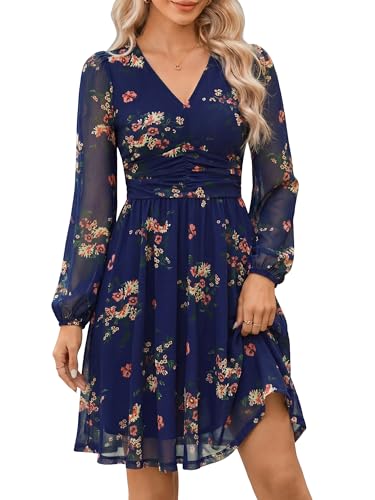


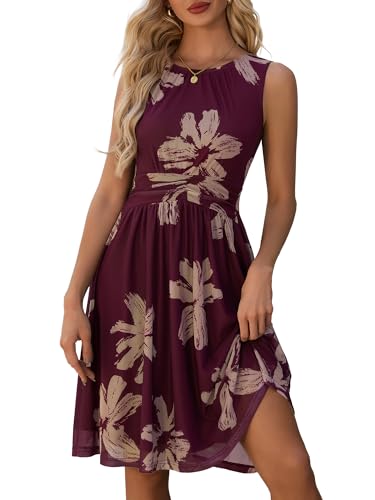


MEROKEETY Womens Elegant Long Lantern Sleeve V Neck Swiss Dot Ruffle Flowy Wedding Guest Dress,DustyPlum,XL
Original price was: $45.99.$33.99Current price is: $33.99.
S.L. Fashions Women’s Petite Long Satin Party Dress 3/4 Sleeve and Sleeveless has Pockets, Black and Silver, 8P
Original price was: $139.00.$111.20Current price is: $111.20.


IHOT Summer Dress for Women Ruffle Flared Short Sleeve Elegant Formal Black Cocktail Wedding Guest Dress Black XL
Original price was: $39.99.$35.99Current price is: $35.99.


MEROKEETY Women’s Sleeveless Formal Dress Cocktail Evening Bridesmaid Wedding Guest Midi Dress, GrayBlue, Small
Original price was: $69.99.$50.99Current price is: $50.99.


Bbonlinedress Hi Low Cocktail Formal Wedding Guest Lace Halter Prom Bridesmaid Teens Dress Navy L
Original price was: $41.99.$39.99Current price is: $39.99.


Frequently Asked Questions About Petite Wedding Guest Dresses
What qualifies as petite wedding guest dresses?
Petite Wedding Guest Dresses should match the actual category intent and the wedding invitation, not merely contain the phrase in a marketplace title. Verify the selected variation, construction, fabric, formality, and fit.
How should I choose a size for petite wedding guest dresses?
Measure bust, waist, hips, shoulders, torso, and preferred length, then add the category-specific checks: shoulder-to-waist length, bust point, waist placement, armhole depth, sleeve length, knee position, hem length, and whether decorative details land at the intended height. Use the exact seller chart instead of relying on a familiar U.S. size label. This check is especially important when comparing petite wedding guest dresses.
What movement should I test before wearing petite wedding guest dresses?
With tags attached, test whether you can sit, walk quickly, climb stairs, hug, raise both arms, dance, and step over the hem without the waist riding up, straps falling, or a long skirt swallowing the frame. The garment should return to place without repeated pulling or adjustment. This check is especially important when comparing petite wedding guest dresses.
Which fabrics work for petite wedding guest dresses?
Options can include crepe, chiffon, satin, stretch jersey, lace over lining, jacquard, georgette, and soft woven blends that can be tailored without destroying proportion. Choose by dress code, season, lining, stretch, opacity, comfort, and hours of wear rather than fabric name alone. This check is especially important when comparing petite wedding guest dresses.
What should I consider about the venue?
Plan for ballrooms, restaurants, gardens, hotels, churches, rooftops, and mixed indoor-outdoor venues where stair and hem control matters. Test the intended shoes, hem or trouser length, layers, and movement on surfaces similar to the wedding setting. This check is especially important when comparing petite wedding guest dresses.
Can petite wedding guest dresses be altered?
Often, but complexity depends on construction. Possible work includes hem shortening, strap reduction, sleeve shortening, waist repositioning, and bodice refinement; moving an entire waist seam or heavily embellished border can become expensive. Get an estimate before the return window closes if more than one major area needs correction. This check is especially important when comparing petite wedding guest dresses.
What should I verify before ordering petite wedding guest dresses online?
Confirm the exact seller, selected variation, current size chart, fabric, lining, closure, delivery estimate, return eligibility, included pieces, and reviews for the same version when available. This check is especially important when comparing petite wedding guest dresses.
Define the Category Before Comparing Products
Petite Wedding Guest Dresses are most useful when the product grid follows the category definition: wedding guest dresses selected for shorter proportions, where bodice length, waist placement, sleeve length, rise of design details, and finished hem matter as much as the labeled size. Product titles can combine many search terms, so inspect the selected variation, front and back images, fabric details, and size chart rather than trusting the title alone. A shopper should be able to explain why a dress belongs here without relying on a seller keyword.
Keep petite wedding guest dresses separate from regular-length dresses merely offered in a small numeric size, junior sizing, cropped styles that are not proportioned for petite frames, and long gowns that require major rebuilding to sit correctly. That boundary protects shopping relevance and makes comparison easier. If an item only partly matches the intent, move it to a neighboring collection rather than forcing it into this one. The goal is a shortlist where every product solves the same practical problem.
Start With the Invitation and Dress Code
Petite describes proportion, not formality. A petite midi can work for cocktail attire, while a proportioned long gown may suit formal or black-tie optional weddings when the invitation calls for it. Read the invitation language first, then consider time of day, venue, ceremony style, and any guidance from the couple. A color, sleeve, season, or length filter should refine the dress code rather than replace it. This check is especially important when comparing petite wedding guest dresses.
For petite wedding guest dresses, avoid choosing the most dramatic or casual option before checking the event level. Compare the dress against what you would reasonably expect at the ceremony and reception, not only against other marketplace thumbnails. When the invitation is unclear, the venue, start time, and couple’s stated style can help narrow the range without inventing a rule.
Measure the Areas That Control This Fit
For petite wedding guest dresses, record standard bust, waist, hips, shoulder width, torso length, and preferred garment length, then add the category-specific checks: shoulder-to-waist length, bust point, waist placement, armhole depth, sleeve length, knee position, hem length, and whether decorative details land at the intended height. Measure over the bra or base layer you plan to wear and compare those numbers with the exact current seller chart for the selected variation.
If measurements fall between sizes, identify the least flexible area before sizing down. Structured satin, non-stretch lace, boning, fitted sleeves, narrow hips, and tailored rises usually leave less room for error than chiffon skirts or soft jersey. A size label such as 8, 14, XL, or 2X is not a universal garment measurement. This check is especially important when comparing petite wedding guest dresses.
Compare Fabric, Lining, and Surface Finish
Common options for petite wedding guest dresses can include crepe, chiffon, satin, stretch jersey, lace over lining, jacquard, georgette, and soft woven blends that can be tailored without destroying proportion. Fabric changes drape, heat, shine, opacity, wrinkle behavior, stretch, and alteration difficulty. Check fiber content, outer fabric, lining, mesh, cups, zipper tape, and decorative layers because the product photograph may not show how the complete garment behaves.
Use bright window light and warm indoor light to evaluate petite wedding guest dresses. Satin and sequins can create hotspots, chiffon can reveal lining differences, lace can scratch, velvet changes with pile direction, and thin jersey may show seams or underlayers. The right fabric should support the event and remain comfortable for the number of hours you expect to wear it.
Run a Full Wedding-Day Movement Test
A standing mirror check is not enough for petite wedding guest dresses. With tags attached, test whether you can sit, walk quickly, climb stairs, hug, raise both arms, dance, and step over the hem without the waist riding up, straps falling, or a long skirt swallowing the frame. Repeat the test after ten to fifteen minutes because elastic, lining, straps, sleeves, and waist seams can shift as the garment warms and settles.
Also test car entry, restroom access, stairs, and carrying a small bag. Weddings create repeated transitions between sitting, walking, photographs, greetings, dinner, and dancing. A garment that looks perfect only when standing still is not a reliable event purchase. This check is especially important when comparing petite wedding guest dresses.
Check Color, Pattern, and Photography
Useful visual directions for petite wedding guest dresses include prints scaled to the wearer, vertical seams, clean waist definition, and colors that fit the event; very large motifs and misplaced waist seams deserve extra scrutiny because they can distort proportion. Compare the delivered garment in one unfiltered photo next to your shoes or planned layer. Strong daylight, warm ballroom bulbs, cool LEDs, and phone flash can all change color and reveal transparency or reflective strain that a retailer image hides.
Wedding etiquette is context dependent, but one safe process is to avoid white, ivory, or bridal-looking combinations unless the couple explicitly requests them, and avoid intentionally matching the bridal party if you know its color. For petite wedding guest dresses, the actual silhouette and fabric can matter as much as color because a long train, heavy tulle, or bridal lace can create the wrong visual signal even in another shade.
Plan Underlayers Before the Return Window Closes
For petite wedding guest dresses, practical underlayers may include bras with straps that align to the narrower shoulder position, cups that sit at the correct bust point, smooth slips, and shapewear that ends above the hem without pulling the waist downward. Test the complete setup before removing tags. The underlayer should improve comfort, support, or opacity without changing the neckline, pulling the waist, creating ridges, or making the garment noticeably hotter.
Photograph petite wedding guest dresses from front, side, and back in bright light. Check bra bands, cups, slip length, shapewear edges, seam show-through, and static. If a dress needs complex tape or constant readjustment to stay secure, the base fit is probably the real problem.
Choose Shoes and Hem for the Venue
The event may involve ballrooms, restaurants, gardens, hotels, churches, rooftops, and mixed indoor-outdoor venues where stair and hem control matters. Test petite wedding guest dresses with the exact shoe height you expect to wear. A hem that works on a smooth bedroom floor may drag on grass, catch on stairs, feel too short when sitting, or become unsafe after changing from heels to flats.
Walk several minutes in the full outfit. Check toe clearance, heel catching, slit movement, trouser or skirt sweep, and whether the shoes remain stable on the likely surface. Venue mechanics are part of fit, not an accessory decision left until the wedding morning. This check is especially important when comparing petite wedding guest dresses.
Prepare for Weather and Indoor Temperature
Petite Wedding Guest Dresses may need to handle spring and summer heat, cool reception rooms, windy terraces, and cold-weather layering that does not overwhelm a shorter silhouette. Choose layers early enough to test them with sleeves, shoulders, neckline, and overall proportion. A coat, wrap, jacket, or cardigan can change how the upper body fits and can snag lace, sequins, or delicate satin.
Plan for both the ceremony and reception. Outdoor heat may make dense fabric uncomfortable, while strong air conditioning can make a sleeveless dress feel impractical. Rain, wind, snow, or damp grass can change shoes and hem decisions even when most of the event is indoors. This check is especially important when comparing petite wedding guest dresses.
Estimate Alterations Before You Lose Return Eligibility
Common changes for petite wedding guest dresses can involve hem shortening, strap reduction, sleeve shortening, waist repositioning, and bodice refinement; moving an entire waist seam or heavily embellished border can become expensive. Ask for an estimate before the return window closes if the garment misses more than one major measurement. A small hem or strap fix is very different from rebuilding a bodice, moving a waist seam, changing a rise, or reconstructing embellishment.
Bring final shoes and underlayers to fittings for petite wedding guest dresses. After alterations, repeat the seated and movement tests. An alteration is not successful if it improves the standing photograph but reduces breathing room, arm movement, stride, restroom practicality, or comfort during dinner.
Verify the Exact Seller and Selected Variation
Online marketplace listings can change seller, color, fabric, size chart, fulfillment route, included pieces, or return terms while the main product title stays similar. For petite wedding guest dresses, save the exact selected variation, seller, size chart, fabric description, delivery estimate, and return policy at checkout.
Read reviews for the same version when possible. Reviews become much more useful when they include body measurements, purchased size, actual color, fabric, and event use. A review for another seller or another variation should not be treated as proof that your selected petite wedding guest dresses has identical lining, stretch, closure, or construction.
Compare Related Collections Without Losing the Brief
Related shopping paths include cocktail dress for wedding guest, wedding guest dresses long, formal wedding guest dresses, and wedding guest dresses. If petite wedding guest dresses fails for one clear reason, change only that variable first. Move to a different length if the hem is the problem, a formal collection if the dress code is wrong, or an outfit category if a one-piece dress does not suit your fit or mobility needs.
This controlled comparison prevents category hopping from turning into a new search. Keep the invitation, approved colors, budget, delivery deadline, and successful fit details in place while you change the one element that failed. This check is especially important when comparing petite wedding guest dresses.
Shortlist by Real Wedding Use, Not Thumbnail Appeal
To shortlist petite wedding guest dresses, remove any item outside the category boundary, then rank the rest by seller-specific measurements, fabric and lining, secure fit, movement, venue practicality, underlayer compatibility, delivery timing, return terms, and realistic alteration cost. A smaller verified shortlist is more useful than dozens of similar-looking product cards.
Keep a final petite wedding guest dresses option only when the actual garment works in daylight and indoor light, passes the full movement test, fits the invitation, and can be worn through ceremony, dinner, photographs, and dancing without repeated adjustment. That is the commercial decision this category should help a shopper make.