
Designer Dresses for Wedding Guests
Designer Dresses for Wedding Guests should be shortlisted around the wedding invitation first, then the exact construction of the garment. This collection focuses on wedding guest dresses where shoppers are paying for a named label, distinctive construction, fabric, finish, or design language and therefore need stronger verification of value, authenticity, fit, and returnability. For U.S. wedding shopping, verify the seller-specific size chart, selected variation, fabric, lining, closure, delivery estimate, and return eligibility before the outfit is treated as final.
Keep this category separate from generic marketplace dresses using “designer” as a keyword, counterfeit or unclear-brand listings, bridal gowns, prom gowns, and expensive pieces that do not match the wedding dress code. The most useful comparison is not which product title contains the right phrase, but whether the actual dress or outfit matches the intended formality and works through a full ceremony, dinner, photographs, and reception. Key fit checks include pattern consistency, bust and waist shaping, shoulder placement, seam balance, lining quality, zipper behavior, and whether the labeled size aligns with the current brand chart.
Related shopping paths include elegant wedding guest dress, formal wedding guest dresses, cocktail dress for wedding guest, and wedding guest dresses. Use these pages to move between a real decision dimension such as formality, venue, color, length, or outfit type instead of treating neighboring labels as interchangeable.
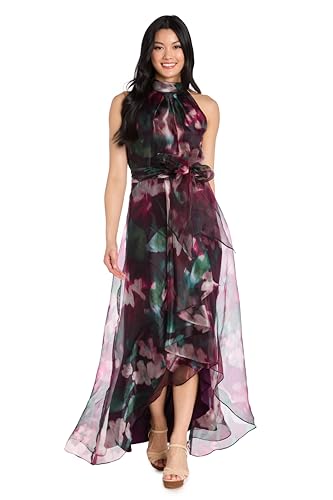

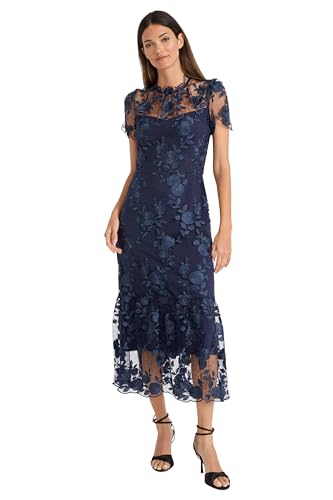
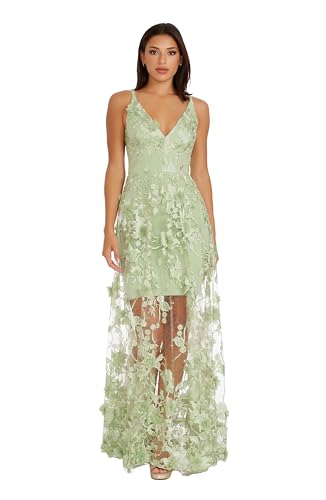

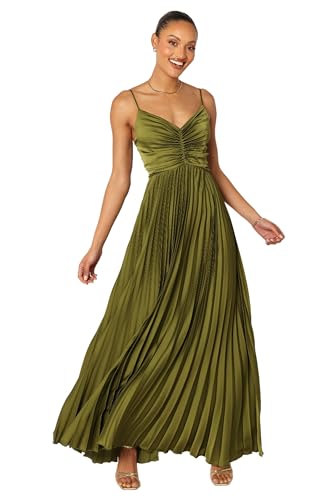
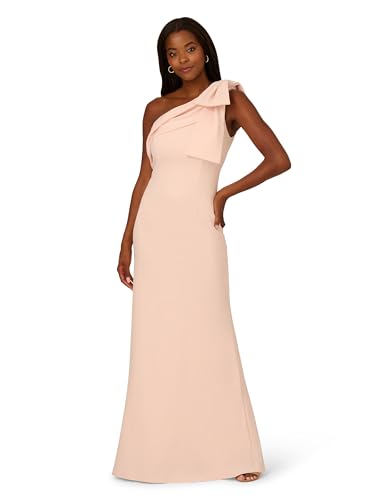
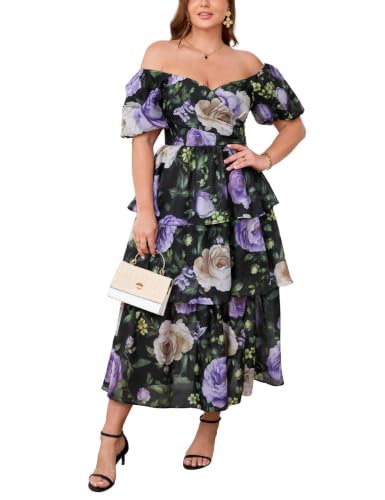
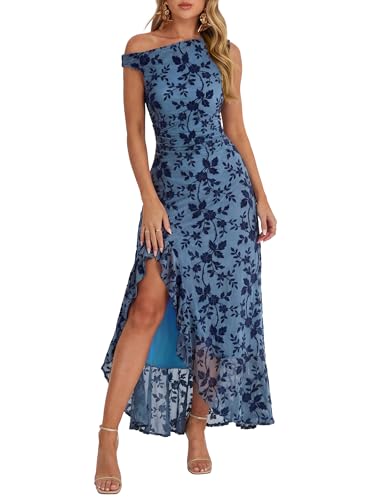
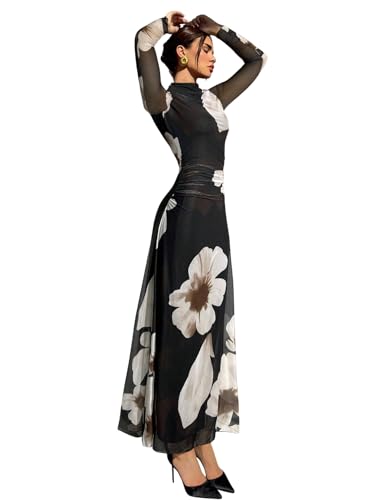
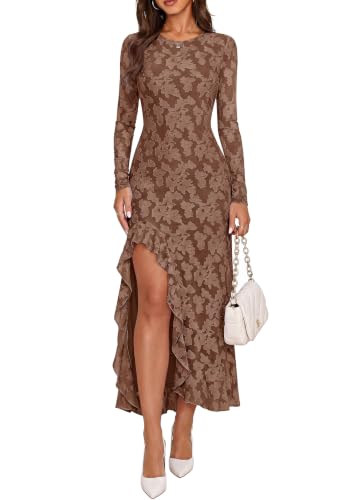



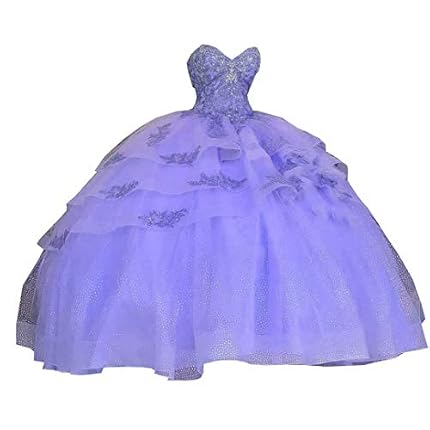


Adrianna Papell Women’s Short Sleeve Blouson Beaded Gown
Original price was: $209.00.$104.97Current price is: $104.97.


R&M Richards Women’s Plus Size Bell Wrap
Original price was: $59.55.$37.49Current price is: $37.49.Frequently Asked Questions About Designer Dresses for Wedding Guests
What qualifies as designer dresses for wedding guests?
Designer Dresses for Wedding Guests should match the actual shopping intent described by the category, not merely contain the words in a marketplace title. Start with the invitation, then verify construction, formality, fabric, fit, and the selected variation.
How should I choose a size for designer dresses for wedding guests?
Measure bust, waist, hips, shoulders, torso, and preferred length, then add the category-specific fit checks such as pattern consistency, bust and waist shaping, shoulder placement, seam balance, lining quality, zipper behavior, and whether the labeled size aligns with the current brand chart. Use the exact seller chart instead of relying on a familiar U.S. size label.
What movement should I test before wearing designer dresses for wedding guests to a wedding?
With tags attached, test whether you can sit for a ceremony and dinner, walk, hug, use stairs, raise the arms, and dance without delicate fabric pulling, embellishment scratching, or structured seams restricting movement. The outfit should return to position without repeated pulling, smoothing, or adjustment.
Which fabrics work well for designer dresses for wedding guests?
Options can include silk, satin, crepe, jacquard, chiffon, lace, velvet, embellished mesh, and structured woven fabrics where fiber content and finish should justify the price. Choose by dress code, weather, lining, stretch, texture, and hours of wear rather than by fabric name alone.
What should I check about the wedding venue?
Consider the actual surface and event flow, including luxury hotels, estates, galleries, restaurants, formal gardens, destination venues, and high-end receptions with mixed surfaces. Shoes, hem length, layers, and fabric should work for those conditions.
Can designer dresses for wedding guests be altered?
Usually, but difficulty depends on the construction. Designer garment alterations should preserve grain, drape, seam placement, motifs, hand finishing, embellishment, and original proportions; major reconstruction can erase the reason for buying the piece Ask for an estimate before the return window closes when the garment needs more than a small correction.
What should I verify before ordering designer dresses for wedding guests online?
Before ordering designer dresses for wedding guests, confirm the exact seller, selected variation, current size chart, fabric, lining, closure, delivery estimate, return eligibility, included pieces, and reviews for the same version when available.
Start With the Invitation and the Exact Category Boundary
Designer Dresses for Wedding Guests work best when the invitation establishes the level of formality before color, trend, or price takes over the decision. In this collection, the defining intent is wedding guest dresses where shoppers are paying for a named label, distinctive construction, fabric, finish, or design language and therefore need stronger verification of value, authenticity, fit, and returnability. That definition gives the page a practical boundary and prevents a search for designer dresses for wedding guests from turning into a mixture of unrelated products.
Before ordering, remove choices that fall into adjacent intent such as generic marketplace dresses using “designer” as a keyword, counterfeit or unclear-brand listings, bridal gowns, prom gowns, and expensive pieces that do not match the wedding dress code. Then compare the survivors by the actual selected variation, not the most flattering hero image. A marketplace title may combine several occasions, colors, and silhouettes; the product that arrives still needs to match the wedding you are attending.
Measure the Areas That Control This Particular Fit
Standard bust, waist, hips, shoulder width, torso length, and preferred hem length are a starting point, but designer dresses for wedding guests need more targeted checks: pattern consistency, bust and waist shaping, shoulder placement, seam balance, lining quality, zipper behavior, and whether the labeled size aligns with the current brand chart. Measure in the bra, base layer, or shapewear you plan to use, and compare those numbers with the current seller chart for the exact size and variation.
For designer dresses for wedding guests, if your measurements fall between sizes, identify the least flexible area rather than defaulting to your usual U.S. label. Structured seams, non-stretch lace, fitted sleeves, narrow hips, boning, or tailored waistbands leave less room for error than a fluid skirt. A tailor can often reduce extra room more safely than create space where the garment is already strained.
Run a Full Wedding-Day Movement Test
The mirror test is not enough for designer dresses for wedding guests. With tags attached, try to sit for a ceremony and dinner, walk, hug, use stairs, raise the arms, and dance without delicate fabric pulling, embellishment scratching, or structured seams restricting movement. Repeat the test after wearing the outfit for fifteen or twenty minutes because linings settle, waistbands become more noticeable, and necklines or sleeves may shift once the fabric warms and moves.
With designer dresses for wedding guests, also test vehicle entry, restroom access, a full seated meal posture, and the planned bag or wrap. Wedding clothing has to survive long periods of sitting followed by walking, photographs, greetings, and dancing. If the outfit needs repeated pulling, lifting, smoothing, or pinning during a home test, that problem is likely to feel bigger at the event.
Choose Fabric for the Venue and Hours of Wear
Common materials for this intent include silk, satin, crepe, jacquard, chiffon, lace, velvet, embellished mesh, and structured woven fabrics where fiber content and finish should justify the price. The fiber name alone does not predict comfort. Compare lining, stretch, surface texture, weight, breathability, wrinkle recovery, static, and how the fabric behaves at seams and closures. A dress that feels beautiful for five minutes can become hot, scratchy, or restrictive after several hours.
In designer dresses for wedding guests, fabric also changes how formal the same silhouette appears. Matte crepe and chiffon often read differently from glossy satin; velvet adds visual weight; lace and embroidery create texture; jersey can range from polished to very casual depending on density and construction. Judge the complete garment instead of assuming that one fabric keyword guarantees the right event level.
Match the Dress Code Without Letting One Feature Decide It
A designer label does not make a dress automatically appropriate. Judge length, fabric, neckline, embellishment, and silhouette against the invitation just as carefully as you would with a lower-priced option.
For designer dresses for wedding guests, use the invitation wording, venue, time of day, couple's instructions, and overall construction together. Length, sleeves, price, a dark color, or a designer label cannot carry the dress code on its own. When the invitation is ambiguous, a polished middle ground with dependable coverage, clean fit, and refined fabric is usually easier to style up or down than an extreme choice.
Check Color, Print, Texture, and Photography
For designer dresses for wedding guests, useful color directions can include signature prints, saturated color, metallic detail, black, jewel tones, pastels, and refined neutrals; evaluate whether distinctive design details photograph well without appearing bridal or overly theatrical. Review the delivered garment in window light, warm indoor light, and phone flash. Wedding photography can brighten pale backgrounds, deepen dark colors, exaggerate satin highlights, and make sheer or reflective areas more obvious than they looked on a product screen.
When evaluating designer dresses for wedding guests, keep the couple's palette and guest guidance in mind, but do not assume that every light color is prohibited or every dark color is automatically safe. What matters is whether the actual garment could read bridal, bridesmaid-specific, funereal, costume-like, or otherwise out of step with the celebration. When unsure, a quick photo test beside a neutral white object gives a more useful reference than memory.
Plan Support and Underlayers Before the Return Deadline
Underlayers for this category may include specialty bras, cups, slips, shapewear, fashion tape, or minimal-seam underlayers selected around the exact designer cut rather than purchased after the return window. Test them with the exact dress before tags come off. Built-in cups are helpful only when their position and width match the wearer; fashion tape can stabilize an already-correct neckline but should not be the only thing preventing a poorly fitted bodice from moving.
For designer dresses for wedding guests, photograph the finished setup from front, side, and back in strong light. Check bra edges, cup outlines, shapewear seams, slip length, static, and whether a base layer changes how the outer fabric hangs. The best underlayer solves a comfort or coverage problem without creating a new line, ridge, color contrast, or restriction.
Choose Shoes for the Real Surface, Not the Product Photo
The planned venue may involve luxury hotels, estates, galleries, restaurants, formal gardens, destination venues, and high-end receptions with mixed surfaces. Put on the intended shoes when checking hem, stride, and balance. A heel that works on a showroom floor may sink into grass, catch on decking, feel unstable on gravel, or become painful after a long walk from parking to the ceremony.
When designer dresses for wedding guests include long skirts or wide legs, confirm that the toe does not catch the front hem when stepping forward. For trousers, check the break and whether wide legs brush the ground. If a shoe change is planned for dancing, test the outfit with both heel heights; a dress or pant leg that becomes suddenly too long can turn into a tripping risk.
Plan for Weather, Layers, and Travel
This category may need to handle climate-controlled venues, destination heat, outdoor cocktail hours, winter arrivals, and travel where delicate fabrics may crease or require steaming. A wrap, cropped jacket, coat, scarf, or lightweight layer should complement the outfit without crushing sleeves, snagging embellishment, or making the neckline bunch. Consider the temperature during arrivals and outdoor photographs, not only the climate-controlled reception.
Travel can change the plan for designer dresses for wedding guests. Check whether the fabric wrinkles in a garment bag, whether steam is safe, and whether embellishment needs protection from zippers or jewelry. Destination and hotel weddings are easier when the outfit can recover from packing without emergency pressing or complicated care instructions on the day of the event.
Estimate Alterations Before You Give Up the Return Option
Common changes can involve designer garment alterations should preserve grain, drape, seam placement, motifs, hand finishing, embellishment, and original proportions; major reconstruction can erase the reason for buying the piece. Ask for a tailoring estimate before the return window closes when the dress misses more than one important measurement. A small local correction is different from rebuilding a bodice, moving sleeves, changing a rise, or reconstructing a decorated hem.
For designer dresses for wedding guests, bring the final shoes and underlayers to fittings, and keep any spare fabric or detachable pieces that arrive with the garment. After alterations, repeat the sitting and movement tests. A technically neat alteration is not successful if it improves the standing photograph but reduces breathing room, arm movement, stride, or comfort at dinner.
Verify the Exact Seller, Variation, Delivery, and Return Terms
Online listings can change seller, color, fabric, fulfillment route, included pieces, or size chart while the main title stays almost identical. Save the exact variation, seller name, selected size, fabric description, delivery estimate, and return policy at checkout. For designer dresses for wedding guests, screenshots are useful because the category depends on details that may not be obvious from the generic listing title.
For designer dresses for wedding guests, read reviews for the same variation when possible. Prioritize reviews that include measurements, purchased size, actual color, fabric, and event use. A review for another color or a different seller should not be treated as proof that your selected garment has the same lining, stretch, zipper, sleeve fit, or return conditions.
Use Related Collections to Compare One Decision at a Time
Related shopping paths include elegant wedding guest dress, formal wedding guest dresses, cocktail dress for wedding guest, and wedding guest dresses. These links are most useful when the current choice fails for a specific reason: dress code, venue, print, color, length, or outfit type. Moving one variable at a time makes it easier to preserve the features that already work.
With designer dresses for wedding guests, if the silhouette fits but the formality is wrong, compare a neighboring formal or cocktail collection before changing color and length at the same time. If the venue is the problem, move toward an outdoor, country, floral, or maxi path that solves the terrain or weather issue. This produces a more controlled shortlist than starting over with a broad search.
How to Shortlist Designer Dresses for Wedding Guests
To shortlist designer dresses for wedding guests, start with the invitation, then remove any option that falls outside this category's defining intent. Compare the remaining choices by seller-specific measurements, fabric and lining, secure fit, movement, venue practicality, underlayer compatibility, delivery timing, return terms, and realistic alteration cost. The best shortlist usually contains fewer dresses with verified details rather than many visually similar thumbnails.
Keep a final option only when you can wear it through the complete home rehearsal without repeated adjustment and when the actual garment looks appropriate in daylight, indoor light, and flash. That process turns designer dresses for wedding guests from a broad style label into a dependable wedding-day purchase that supports the event instead of creating another problem to manage.