
Casual Dresses for Wedding Guests
Casual dresses for wedding guests should feel relaxed without looking like ordinary errands, beach cover-ups, or gym wear. The right choice respects the couple, venue, season, and invitation while allowing comfortable movement from ceremony to reception. Browse the products above to compare floral, knee-length, midi, wrap, maxi, sleeved, outdoor, beach, and dressy-casual options. The guide below explains dress codes, color etiquette, fabrics, footwear, layers, fit, online shopping, and common mistakes. MotherBrideDress is an affiliate discovery website; Amazon or the listed seller controls price, availability, delivery, and returns.



Frequently Asked Questions About Casual Dresses for Wedding Guests
What does casual wedding attire mean for women?
It usually means a relaxed but polished dress or outfit appropriate for the venue and celebration. It does not automatically mean jeans, gym wear, flip-flops, or an everyday T-shirt dress.
Can I wear a sundress to a casual wedding?
Yes, when the sundress has suitable fabric, opacity, length, and styling for the venue. A refined cotton, linen blend, chiffon, or polished print is usually stronger than a beach cover-up style.
Can a wedding guest wear a maxi dress to a casual wedding?
Yes. Choose a relaxed maxi with manageable length and appropriate fabric. Avoid overly formal gowns or hems that drag through sand, grass, or mud.
What colors should a casual wedding guest avoid?
Avoid white, ivory, cream, or shades that photograph as bridal unless the couple approves them. Follow any requested color or cultural guidance on the invitation.
Are flats acceptable for a casual wedding?
Yes. Polished flats, dressy sandals, loafers, or low block heels can be appropriate and may be safer for outdoor terrain.
How can I make a simple dress wedding-ready?
Add intentional shoes, jewelry, a small bag, and a coordinated layer. The dress should already fit well and use a fabric suitable for a celebration.
What length is safest for a casual wedding guest dress?
Knee-length and midi dresses work for many casual weddings, while maxi styles can suit beach or outdoor events. The venue, ceremony, and invitation remain the best guide.
Does MotherBrideDress handle shipping or returns?
No. Amazon or the listed seller handles the sale, delivery, and return policy. Confirm current terms on the live product page before purchasing.
How to Shop Casual Dresses for Wedding Guests with Confidence
A casual wedding is still a wedding. “Casual” usually lowers the level of formality, but it does not automatically make denim, workout clothing, flip-flops, or an everyday T-shirt dress appropriate. A successful guest dress combines an easy silhouette with a polished fabric, neat fit, and intentional accessories. The invitation, venue, time, cultural context, and couple’s instructions take priority over generic rules. When the wording is unclear, it is safer to look slightly more polished than noticeably underdressed.
Start with the Event and Your Real Wearing Needs
Translate the event details into practical clothing requirements. A backyard afternoon wedding may call for a breathable floral midi and stable sandals. A courthouse or restaurant celebration may suit a wrap dress with flats or low heels. A beach ceremony needs fabric and shoes that handle wind and sand. A rustic barn may involve uneven ground and temperature changes. Start with the venue and schedule, then choose length, fabric, and footwear. This process is more reliable than selecting a dress from the word “casual” alone.
Popular Styles and What to Check
Floral midi dresses
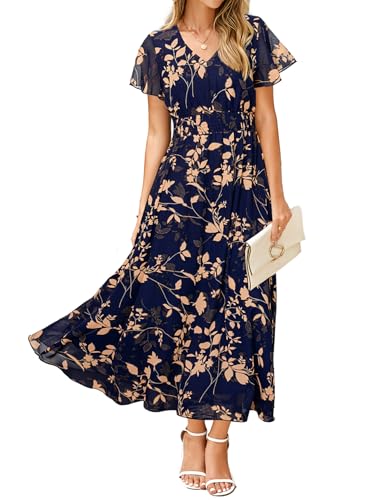
A refined print and moderate length work for many daytime, garden, and outdoor weddings. Choose a fabric that moves without looking like sleepwear.
Wrap and faux-wrap dresses
Adjustable shaping and a V-neck can feel polished and comfortable. Test neckline security and wind resistance.
Knee-length A-line dresses
These balance ease and occasion readiness and work well with flats, sandals, or block heels.
Relaxed maxi dresses
A simple maxi can suit beach or outdoor weddings when the fabric and finish are dressy enough. Avoid dragging hems and overly casual jersey.
Sleeved casual guest dresses
Flutter, short, three-quarter, or long sleeves add coverage and can reduce the need for a layer during the ceremony.
Fabric, Lining, and Construction
Fabric is what separates many wedding-ready casual dresses from everyday clothing. Chiffon, crepe, polished cotton, soft satin, lace, georgette, and refined prints can look celebratory. Linen and cotton blends work for warm outdoor events but should be pressed and intentionally styled. Thin T-shirt jersey, transparent fabric, beach cover-up material, or heavily distressed finishes may look too informal. Check lining, opacity, wrinkle behavior, and whether the fabric can handle sitting, travel, and several hours of wear.
Fit and Measurement Guide
A guest dress should fit smoothly without requiring constant adjustment. Measure against the seller chart and consider the ceremony posture: sitting, standing, greeting, eating, and dancing. The neckline should remain secure when leaning forward; the skirt should provide coverage when seated; sleeves should allow hugs and arm movement. Avoid buying a smaller size to create shape. A tailored but comfortable fit looks more polished than visible pulling or an oversized dress that collapses around the body.
Movement, Comfort, and Wearability
The event may include grass, gravel, stairs, photographs, dinner, and dancing. Walk in the planned shoes, sit for at least ten minutes, and test the dress with any shapewear or bra. Wrap skirts can open in wind, maxi hems can collect dirt, and narrow skirts can limit steps. Choose a bag that leaves hands free when needed and a layer that can be carried easily. Comfort is not separate from etiquette; a guest who can move naturally looks more composed.
Color, Finish, and Photography
Avoid white, ivory, cream, or very pale shades that may photograph as bridal unless the couple explicitly approves them. Also respect requested color palettes and cultural expectations. Beyond that, florals, jewel tones, soft colors, earthy shades, and classic neutrals can work. Consider the wedding party colors if known, but matching a bridesmaid exactly is not automatically prohibited unless it causes confusion. Prints with a small amount of white are usually different from an all-white dress, yet the overall impression matters.
Neckline, Sleeves, Coverage, and Support
Casual dress codes allow flexibility, but ceremony venue and family context still influence coverage. A church, mosque, temple, or traditional ceremony may require covered shoulders, a higher neckline, or a longer hem. Bring a wrap or jacket when uncertain. For outdoor wind, secure wrap necklines and skirts. Check cutouts, slits, sheer panels, and back exposure in daylight. The goal is not to erase personal style but to keep the outfit appropriate for a shared celebration.
Shoes, Jewelry, Bags, and Styling
Shoes should match the ground. Block heels, wedges, polished flats, or dressy sandals are safer on grass than narrow stilettos. Add simple jewelry, a small bag, and a light layer. A straw or woven bag can suit beach or garden settings when it looks refined; a structured clutch works for restaurants or evening receptions. Avoid accessories that make the look bridal or distractingly theatrical. Hair and makeup can be polished while remaining comfortable in weather and travel conditions.
Season, Venue, and Weather Planning
For spring and summer, prioritize breathable fabric, lining that does not trap heat, and sun or rain planning. For fall, consider richer colors, sleeves, and a jacket. Winter casual weddings may still require a polished coat, tights, and closed shoes. Outdoor temperature can change after sunset, so plan a layer that belongs with the outfit. Weather affects hem, fabric, footwear, and hairstyle. Checking the forecast close to the event is part of preparation, not a reason to ignore the stated dress code.
How to Compare Two Listings Side by Side
Compare two casual dresses for wedding guests listings against the invitation, not against each other alone. Write down the stated dress code, ceremony setting, venue surface, start time, likely temperature, and any color or cultural guidance. Then compare garment length, fabric, lining, neckline, sleeves, slit, opacity, care, shoe compatibility, and whether the dress remains appropriate from ceremony through reception. A floral midi dresses and a wrap and faux-wrap dresses can both look attractive online while serving different levels of formality. Give priority to the option that fits the couple’s event and your real movement needs. The goal is a respectful, polished outfit—not the most dramatic dress in the category.
How to Read Product Photos and Reviews
Use seller photos to identify the intended silhouette, then use customer evidence to test whether the listing delivers it. Look for photos in daylight and indoor light, comments about color accuracy, fabric weight, transparency, neckline security, seated length, and washing or steaming. Reviews with height and measurements help interpret fit; reviews that only say “cute” or “bad” provide little diagnostic value. Check whether complaints concern the garment itself, a wrong variation, late delivery, or a particular seller. If several reviewers mention that a pale shade photographs white, a wrap opens in wind, or a maxi runs unusually long, treat that as a planning issue for a wedding setting.
How to Shop Online More Safely
Read the invitation before shopping, then check the listing for fabric, lining, stretch, length, closure, and care. Review customer photos for color accuracy and transparency. Confirm the model height and garment length, especially for outdoor maxi or short styles. Order with enough time for exchanges. Save the selected size, color, seller, and delivery estimate. MotherBrideDress organizes affiliate products, but the live seller controls the purchase and can change price, stock, or policy.
What to Check Immediately After Delivery
When the dress arrives, evaluate it as a complete guest outfit. Try it with the planned bra, shoes, bag, jewelry, and layer. Sit for the length of a ceremony segment, walk on a surface similar to the venue, lean forward, raise the arms, and take flash photos. Confirm that the color does not look bridal, the hem works while seated, and the neckline remains secure. Review the invitation again before removing tags. Keep the return deadline visible and do not alter the dress until you are confident about formality, weather, and fit. An early, disciplined try-on is far less expensive than solving the wrong outfit during wedding week.
A Final Decision Rule Before You Keep the Dress
Use the invitation test before deciding to keep the dress. Ask whether the outfit clearly respects the dress code, whether it works at the ceremony venue, and whether it remains comfortable through the reception. Then apply the photograph test: the color should not read as bridal, the coverage should remain stable, and the styling should look intentional from every angle. Finally, apply the logistics test for shoes, weather, travel, and return timing. A dress that passes all three tests is more dependable than one chosen only because it is flattering in a standing mirror photo.
Alterations, Preparation, and Care
Steam or press the dress according to the label and pack it in a garment bag for travel. Test wrinkle-prone fabric before choosing it for a destination wedding. Bring a small stain wipe, fashion tape, safety pin, or lint roller when appropriate, but do not depend on emergency tools to fix a poor fit. After the event, clean stains promptly and follow care instructions. A versatile guest dress can be restyled for dinners, graduations, showers, and future celebrations.
Common Shopping Mistakes to Avoid
The two extremes are the biggest problems: treating casual as everyday clothing or overcorrecting with a black-tie gown. Other mistakes include wearing a near-white shade without checking, choosing shoes unsuitable for the terrain, ignoring wind, and ordering too late for returns. Do not rely on the product title “wedding guest” as proof of appropriateness. Evaluate the actual dress against the invitation and setting.
Final Shopping Checklist
- Read the invitation and venue details.
- Avoid bridal-looking colors unless approved.
- Choose polished fabric rather than everyday jersey.
- Test sitting, walking, wind, and dancing.
- Match shoes to grass, sand, gravel, or indoors.
- Bring an intentional layer for weather or ceremony.
- Order early and verify returns.
- Keep the final look respectful and comfortable.
Explore Related Dress Collections
Use these related MotherBrideDress category pages to compare nearby search intents without forcing one page to answer every dress question. Compare the broader parent collection first, then narrow the choice by silhouette, color, length, occasion, or budget.
Affiliate shopping note: MotherBrideDress may earn a commission from qualifying purchases. Product names, prices, availability, shipping estimates, seller information, and return conditions can change. Always verify the selected size, color, current price, delivery date, and return policy on the live seller page before checkout.