
Best Plus Size Wedding Guest Dresses
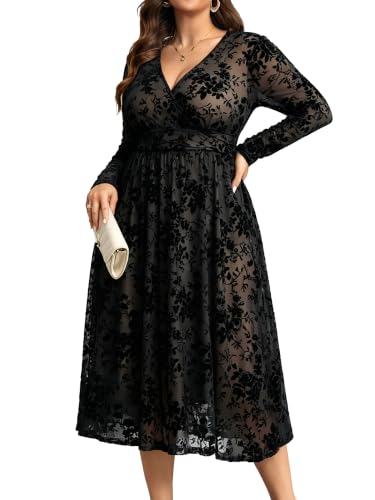
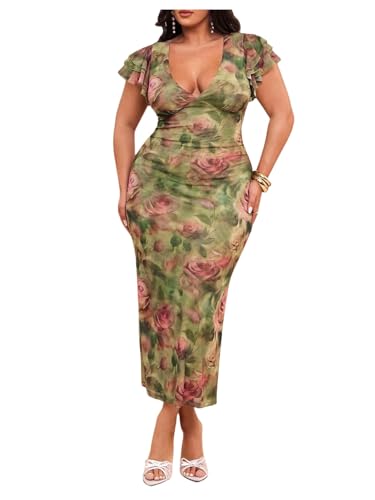
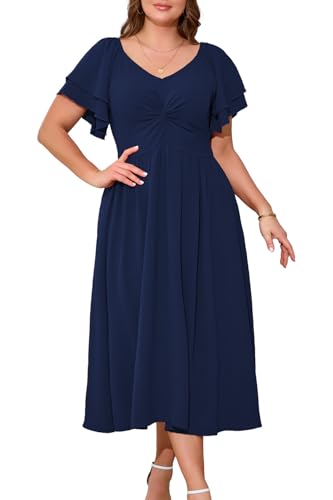
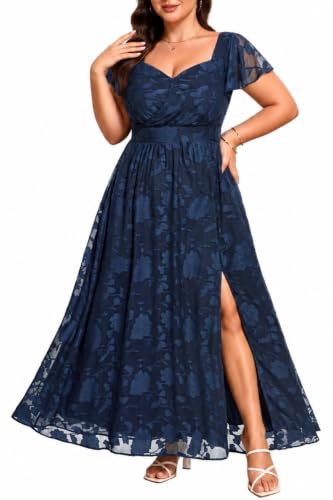
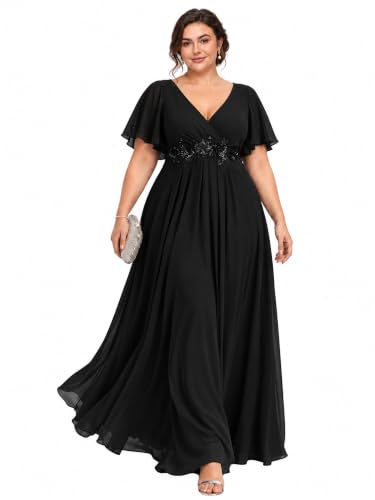
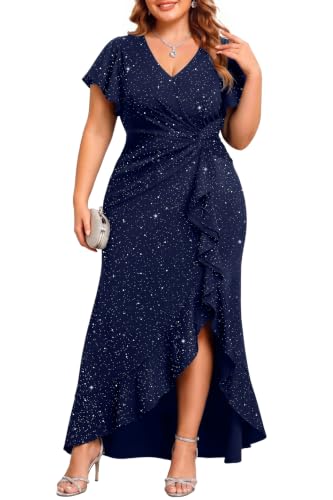
Best Plus Size Wedding Guest Dresses should be chosen from the invitation outward: dress code, venue, season, time of day, fit, and the exact selected garment all matter more than a broad marketplace title. This collection centers on plus-size wedding guest dresses shortlisted by fit range, support, movement, fabric behavior, dress-code suitability, and seller information rather than by a single “best” silhouette. For U.S. wedding shopping, compare seller-specific measurements, fabric, lining, closure, delivery estimate, and return terms before committing.
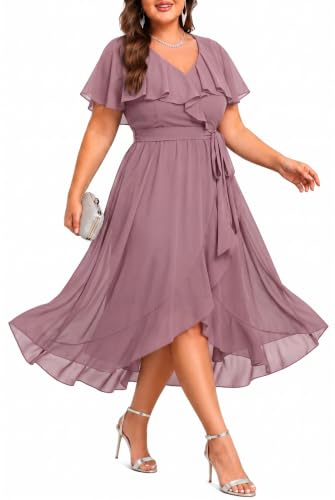
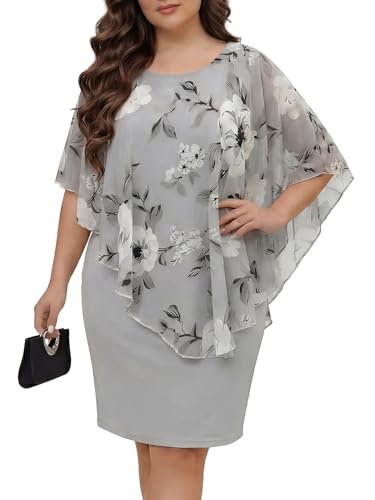
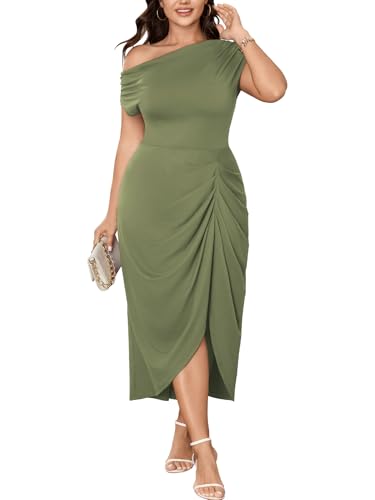
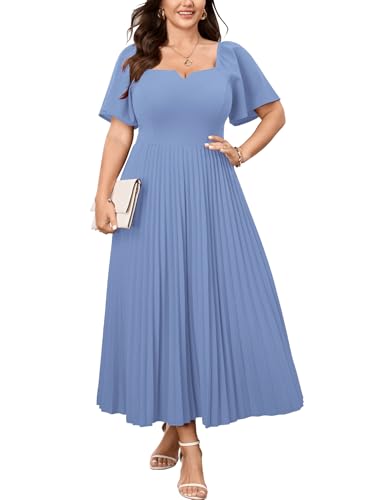
Keep this intent separate from straight-size dresses loosely tagged plus, shapewear-dependent designs that do not fit securely on their own, bridal or bridesmaid gowns, and product cards without usable garment measurements or size information. Useful constructions include stretch crepe, lined chiffon, jersey, lace over stretch lining, satin with adequate ease, mesh sleeves, ponte, structured knits, and woven fabrics with intentional shaping. The most important fit checks are full bust, high bust, waist, hips, torso length, back width, upper arm, sleeve opening, thigh and seat ease, strap placement, bust support, and whether the dress grading remains balanced in the selected size. The dress should work through ceremony seating, greetings, dinner, photographs, stairs, and dancing without turning the event into a series of neckline, slit, strap, or hem adjustments.
Related shopping paths include plus size wedding guest dresses, formal wedding guest dresses, cocktail dress for wedding guest, and wedding guest dresses. Use those pages to compare a real change in dress code, venue, color, size need, or silhouette instead of treating every wedding-guest keyword as interchangeable.
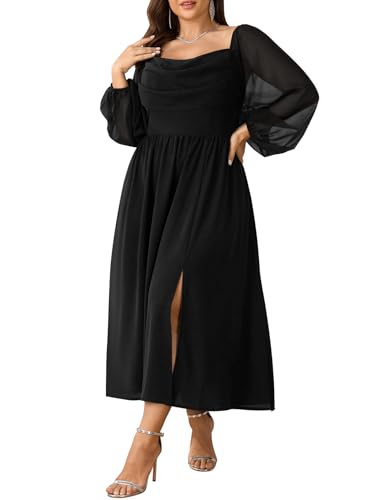
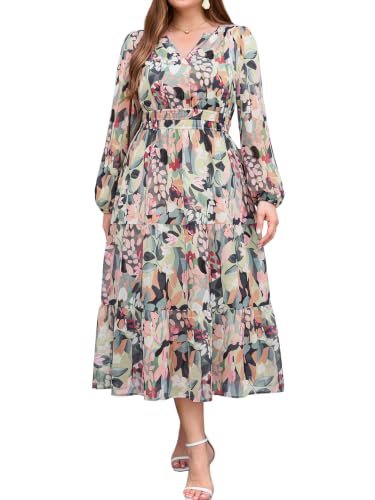
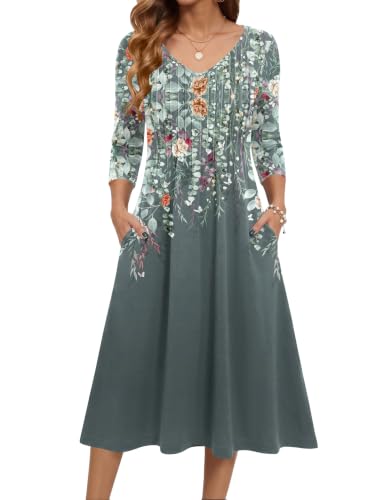
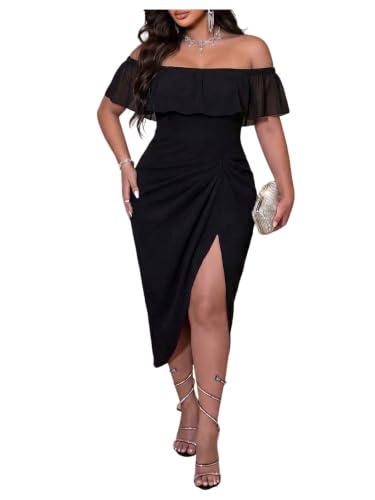
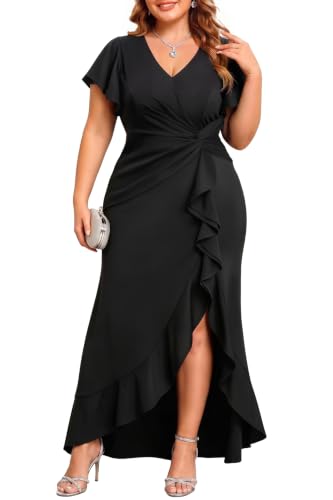
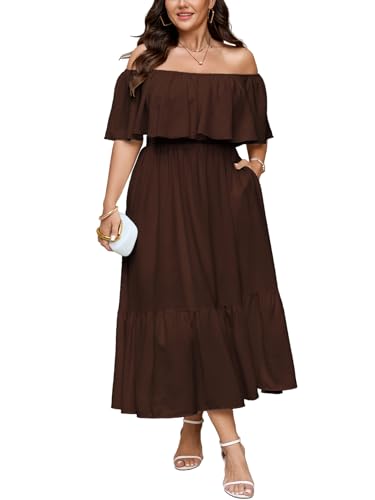
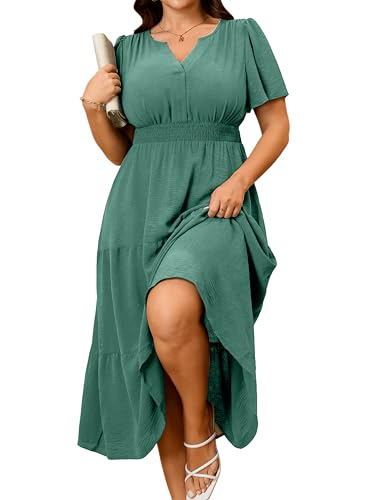
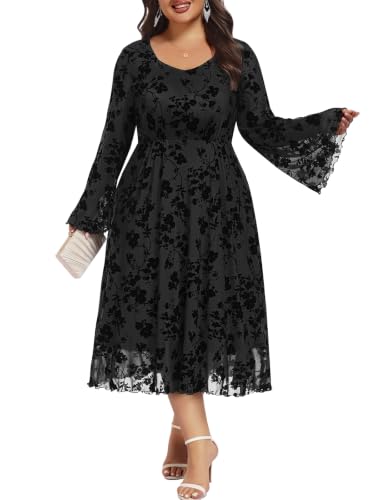
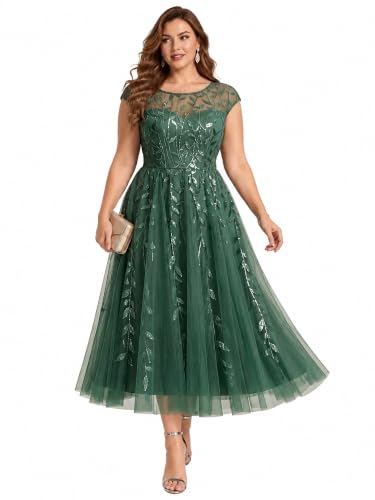
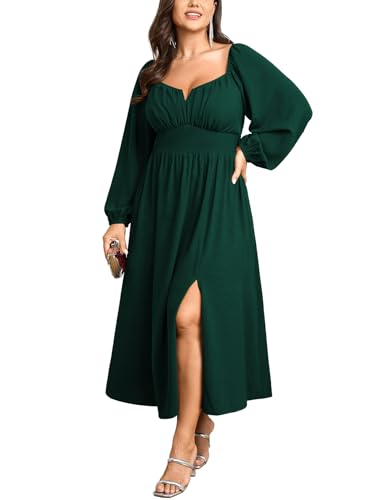
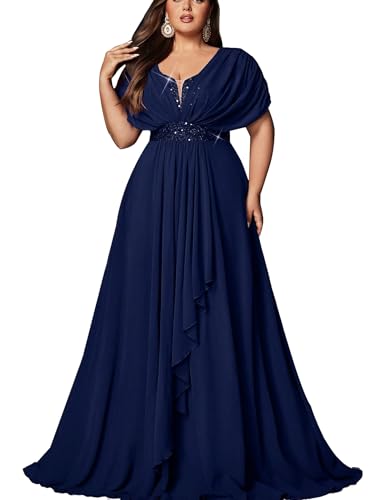
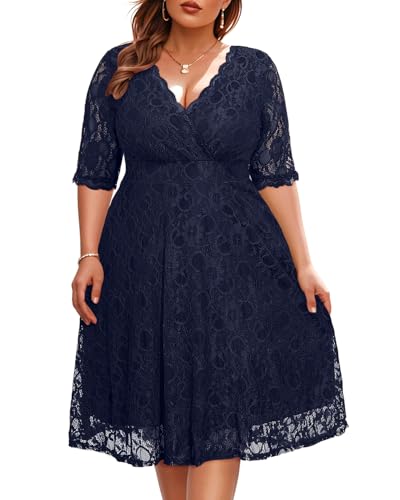
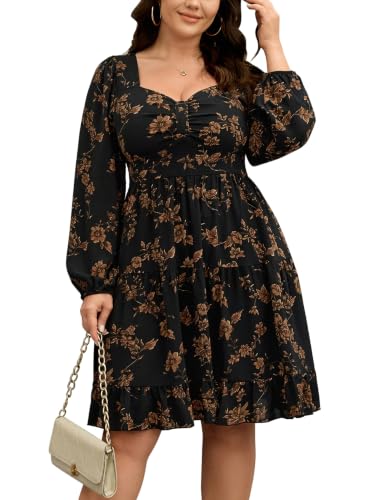
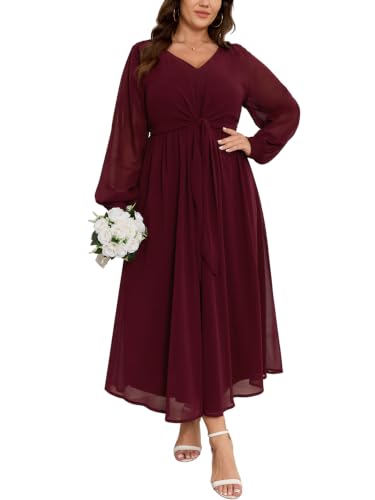
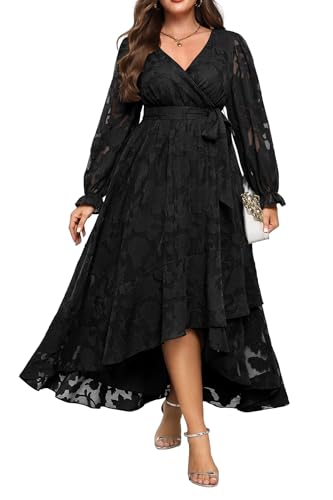
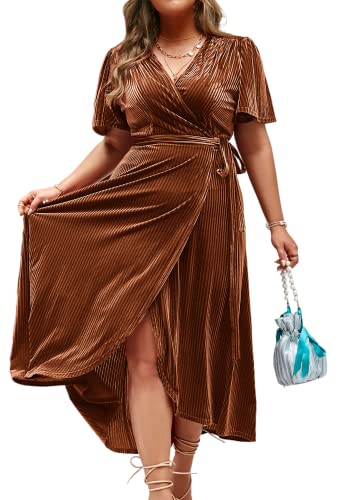
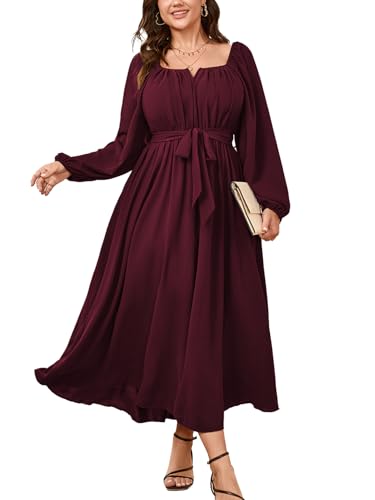
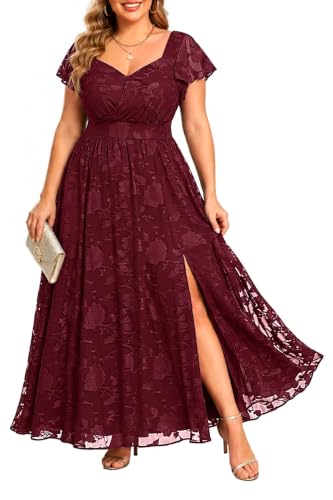
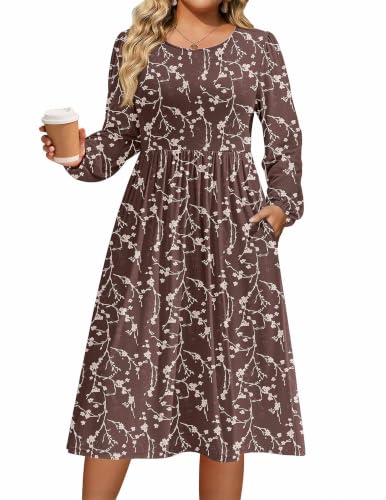
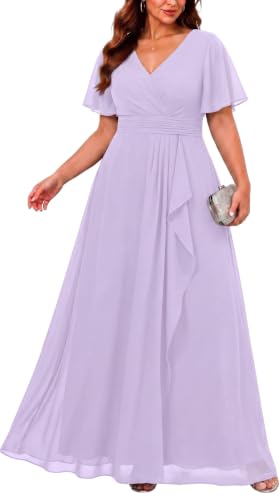
Frequently Asked Questions About Best Plus Size Wedding Guest Dresses
What qualifies as best Plus Size Wedding Guest Dresses?
The dress should match the actual shopping intent: plus-size wedding guest dresses shortlisted by fit range, support, movement, fabric behavior, dress-code suitability, and seller information rather than by a single “best” silhouette. Use the invitation, venue, exact garment construction, and seller measurements rather than the product title alone.
How should I choose a wedding guest dress size?
Measure bust, waist, hips, shoulders, torso, and dress length, then compare the exact seller chart. For this category pay extra attention to full bust, high bust, waist, hips, torso length, back width, upper arm, sleeve opening, thigh and seat ease, strap placement, bust support, and whether the dress grading remains balanced in the selected size.
How can I tell whether the dress is appropriate for the wedding?
Read the stated dress code first, then consider venue, season, start time, fabric, length, coverage, and whether the couple has reserved any colors for the wedding party. For plus-size fit, check bust projection, back width, upper-arm room, torso length, hip ease, and grading in the exact selected size.
How should I test the dress before alterations?
With tags attached and final shoes on, sit for twenty minutes, walk stairs, raise both arms, hug, bend, dance, and check the back and side views while confirming the neckline, armholes, waist, slit, and hem return to position. Add vehicle entry, restroom use, and at least fifteen minutes of continuous wear.
What should I avoid wearing as a wedding guest?
Avoid bridal-looking white or ivory unless the couple approves it, and avoid outfits that clearly miss the requested dress code. Also respect any colors the couple has specifically reserved or discouraged. For plus-size fit, check bust projection, back width, upper-arm room, torso length, hip ease, and grading in the exact selected size.
When should I order a wedding guest dress online?
Order early enough for shipping, one exchange, and minor tailoring. Check the seller’s current delivery and return terms rather than relying on an old review or a marketplace headline. For plus-size fit, check bust projection, back width, upper-arm room, torso length, hip ease, and grading in the exact selected size.
What should I verify before keeping the dress?
Confirm size, color, fabric, lining, closures, hem, neckline security, movement, underlayers, final shoes, delivery accuracy, and return eligibility before removing tags or making irreversible alterations. For plus-size fit, check bust projection, back width, upper-arm room, torso length, hip ease, and grading in the exact selected size.
Read the Invitation Before Filtering Dresses
Best Plus Size Wedding Guest Dresses only make sense after the wedding’s requested dress code, venue, time, and season are known. This page focuses on plus-size wedding guest dresses shortlisted by fit range, support, movement, fabric behavior, dress-code suitability, and seller information rather than by a single “best” silhouette. A cocktail hotel reception, casual garden ceremony, formal ballroom, beach resort, and black-tie optional evening can all require different levels of fabric, length, coverage, and shoe practicality.
Exclude straight-size dresses loosely tagged plus, shapewear-dependent designs that do not fit securely on their own, bridal or bridesmaid gowns, and product cards without usable garment measurements or size information. When the invitation is vague, use venue, start time, and the couple’s website as context. The goal is to look deliberate and celebratory without resembling the bride, ignoring a stated color request, or wearing a dress so casual or formal that it feels disconnected from the event.
Use Measurements Instead of Your Usual Size
Record bust, waist, hips, shoulder width, torso length, and shoulder-to-hem length in the planned bra or base layer. For best Plus Size Wedding Guest Dresses, also check full bust, high bust, waist, hips, torso length, back width, upper arm, sleeve opening, thigh and seat ease, strap placement, bust support, and whether the dress grading remains balanced in the selected size. Compare those numbers with the exact seller’s chart because a familiar U.S. size label can represent different garment measurements across brands and marketplaces.
When measurements span sizes, protect the least flexible area first. A structured bust, narrow sleeve, fitted hip, rigid waistband, or non-stretch lace panel has less forgiveness than a flowing skirt. Reviews are most useful when the writer provides body measurements and purchased size for the same variation you are considering. For plus-size fit, check bust projection, back width, upper-arm room, torso length, hip ease, and grading in the exact selected size.
Run a Ceremony-to-Dance-Floor Movement Test
Keep tags attached and rehearse the day: sit for twenty minutes, walk stairs, raise both arms, hug, bend, dance, and check the back and side views while confirming the neckline, armholes, waist, slit, and hem return to position. Wear the dress for at least fifteen minutes because straps, elastic, wrap fronts, linings, and waist seams can settle. A secure dress should return to position without repeated pulling, pinning, or tape.
Add vehicle entry, a full seated posture, restroom use, and the intended shoes. If the neckline opens, slit rotates, skirt rides up, armholes cut, or hem catches during ordinary movement, treat that as a garment-fit problem rather than planning to manage it throughout the wedding. For plus-size fit, check bust projection, back width, upper-arm room, torso length, hip ease, and grading in the exact selected size.
Match Fabric to Weather, Venue, and Hours of Wear
Common options here include stretch crepe, lined chiffon, jersey, lace over stretch lining, satin with adequate ease, mesh sleeves, ponte, structured knits, and woven fabrics with intentional shaping. Fabric controls heat, wrinkle recovery, shine, stretch, static, snag risk, and how polished the dress looks after travel. A lined chiffon dress behaves differently from unlined georgette, while satin can reveal seam tension and velvet can become warm indoors.
Read fiber and lining details where available. If the wedding includes outdoor photographs followed by an indoor reception, plan for both conditions. Breathability matters in heat, while a wrap or jacket should fit over the dress in cold weather without crushing sleeves or changing the neckline. For plus-size fit, check bust projection, back width, upper-arm room, torso length, hip ease, and grading in the exact selected size.
Check Dress-Code Boundaries, Not Just Length
Length alone does not define formality. A polished midi in structured crepe can look more appropriate than a flimsy floor-length dress, while a refined gown may be right for black-tie optional but excessive for a casual daytime ceremony. Evaluate fabric, construction, neckline, embellishment, shoes, and accessories together. For plus-size fit, check bust projection, back width, upper-arm room, torso length, hip ease, and grading in the exact selected size.
When in doubt, choose the more polished version that still matches the venue. Avoid bridal-looking white, ivory, cream, or very pale tones unless the couple explicitly approves them. Also check whether the couple has reserved a specific color for attendants or family before buying a dress that could look like part of the wedding party. For plus-size fit, check bust projection, back width, upper-arm room, torso length, hip ease, and grading in the exact selected size.
Judge Color in Daylight, Indoor Light, and Flash
There is no universal “best” plus-size wedding guest cut. A useful shortlist starts with the wearer’s measurements and the event, then compares support, ease, proportions, fabric stretch, sleeve room, and alteration difficulty in the exact seller size range. Photograph the delivered dress in daylight, warm indoor light, and flash without filters. This reveals undertone shifts, transparency, reflective hotspots, sweat visibility, and differences between outer fabric and lining.
Possible accessory directions include black, navy, blue, green, burgundy, plum, prints, metallics, and season-appropriate colors that respect the couple’s dress code and avoid bridal-looking whites unless requested. Wait until the dress arrives before finalizing shoes, jewelry, bag, and outer layer. A metallic or nude accessory that seems neutral online can look very different beside a cool blue satin, matte black crepe, tropical print, or warm-colored lace.
Plan Underlayers Before the Return Window Closes
Test the intended bra, cups, tape, shapewear, slip, seamless underwear, tights, or shorts with the exact dress. Underlayers should support a well-fitting garment, not act as structural engineering for a neckline or bodice that cannot stay in place during normal movement. For plus-size fit, check bust projection, back width, upper-arm room, torso length, hip ease, and grading in the exact selected size.
Check the front, side, and back in daylight and flash. Seams, bra edges, shapewear lines, and cups can become more visible when fabric stretches or reflects light. For pale, thin, or body-skimming materials, lining and underlayer tone deserve the same attention as the outer color. For plus-size fit, check bust projection, back width, upper-arm room, torso length, hip ease, and grading in the exact selected size.
Choose Shoes for the Actual Venue Surface
Shoe height changes posture, hem clearance, and the way a fitted or draped dress falls. Test the final shoes before deciding that the length is correct. Grass, gravel, sand, historic stairs, polished hotel floors, and long standing periods each favor different heel shapes and traction. For plus-size fit, check bust projection, back width, upper-arm room, torso length, hip ease, and grading in the exact selected size.
Carry a realistic event bag during the movement test so you know the dress still works when one hand is occupied. If the wedding involves significant walking, a second pair of polished flats or low heels can be more useful than tolerating painful shoes that change how you stand and walk in photographs. For plus-size fit, check bust projection, back width, upper-arm room, torso length, hip ease, and grading in the exact selected size.
Price the Entire Outfit and Alteration Risk
The purchase price is only one part of the decision. Consider shipping, tax, required underlayers, shoes, steaming, and alteration complexity before treating two dresses as equal value. Simple hems and strap shortening are usually more predictable than moving lace borders, rebuilding boning, shortening multiple layers, or resizing a heavily beaded bodice. For plus-size fit, check bust projection, back width, upper-arm room, torso length, hip ease, and grading in the exact selected size.
Get a tailoring estimate before the return window closes when the dress misses more than one major measurement. If shoulders, bust, waist, hip, and hem all need substantial work, another size or style may cost less and preserve the original design more cleanly. For plus-size fit, check bust projection, back width, upper-arm room, torso length, hip ease, and grading in the exact selected size.
Order Early Enough to Recover From One Bad Option
Save the exact seller, variation, color, size chart, delivery estimate, and return terms at checkout. Marketplace listings can change fabric, seller, color names, or fulfillment under the same product title. Order early enough for one exchange or replacement and enough time to test the complete outfit. For plus-size fit, check bust projection, back width, upper-arm room, torso length, hip ease, and grading in the exact selected size.
When the dress arrives, inspect seams, zipper, lining, color, hem, embellishment, and measurements before removing tags. Steam or press only according to the fabric instructions. Keep packaging and order details until you know the dress works with the final shoes and underlayers. For plus-size fit, check bust projection, back width, upper-arm room, torso length, hip ease, and grading in the exact selected size.
Use Internal Links to Narrow the Decision
Related paths include plus size wedding guest dresses, formal wedding guest dresses, cocktail dress for wedding guest, and wedding guest dresses. Each move should answer a specific question: Do you need a different dress code, venue solution, color family, or size-focused collection? The parent wedding guest page is the better reset point when several dimensions are still undecided.
For best Plus Size Wedding Guest Dresses, avoid browsing adjacent pages as if their labels were synonyms. A beach category should solve venue mechanics, a formal category should solve dress-code elevation, a color page should solve palette, and a plus-size page should solve fit range and proportions.
Check Product Relevance Before Trusting the Grid
The exact live result count for this URL could not be parsed reliably during the 2026-08-16 verification, so the total should be rechecked directly before publication. Sample items beyond the first row and verify the selected variation. Product titles can contain several occasions, colors, and body-size keywords, while the actual selected dress may not satisfy the category. For plus-size fit, check bust projection, back width, upper-arm room, torso length, hip ease, and grading in the exact selected size.
Keep the grid focused on the buyer’s stated job and remove bridal gowns, bridesmaid-only products, casual outliers, unrelated accessories, or neighboring color/occasion inventory. Useful commercial copy should support a relevant assortment, not try to explain away obvious taxonomy mismatches. For plus-size fit, check bust projection, back width, upper-arm room, torso length, hip ease, and grading in the exact selected size.
How to Shortlist Best Plus Size Wedding Guest Dresses
Start with the invitation and venue, then filter by measurements, fabric, coverage, length, color, weather, budget, delivery, and return terms. Keep only dresses that pass the seated, walking, and dance-floor tests with the actual shoes and underlayers. For plus-size fit, check bust projection, back width, upper-arm room, torso length, hip ease, and grading in the exact selected size.
The strongest best Plus Size Wedding Guest Dresses choice should look appropriate from ceremony through reception and remain comfortable after several hours. A reliable dress is one you can wear without constantly monitoring the neckline, straps, slit, hem, shapewear, or shoes.