
Elegant Ball Gown
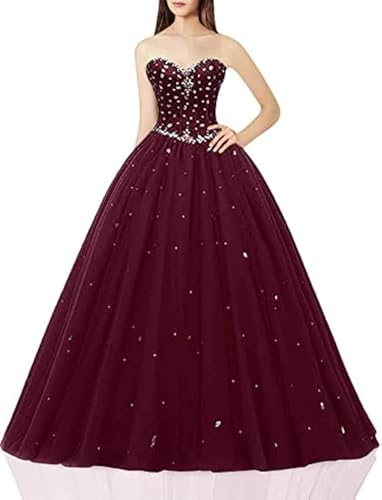
Elegant Ball Gown shopping should begin with the defining ball-gown structure: a fitted or shaped bodice paired with a deliberately full skirt. In the US formalwear market, “elegant” usually signals refined construction rather than one specific decoration, so satin, mikado, tulle, organza, jacquard, lace, beading, and restrained sequins can all qualify when the silhouette remains polished and formal. Compare skirt volume, bodice support, neckline, train length, fabric weight, and event dress code before deciding that a gown is right for a gala, prom, military ball, black-tie wedding, pageant, or other formal evening.
Use this collection to separate true ball gowns from mermaid, sheath, column, and ordinary A-line evening dresses. A useful shortlist should consider petticoat or crinoline structure, horsehair hems, corset boning, zipper or lace-up closure, floor clearance, seated skirt volume, and alteration complexity. Related paths include black ball gowns, red ball gowns, plus size ball gowns, and broader gowns for women.




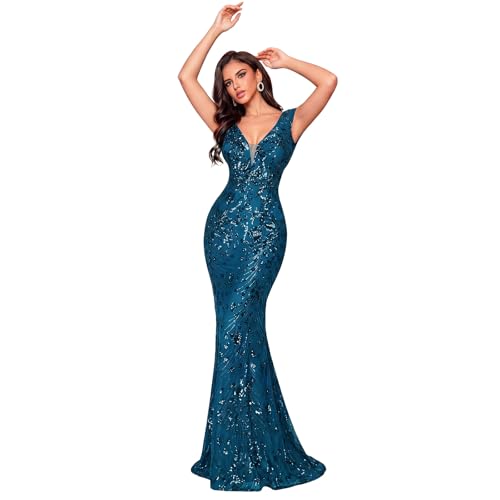
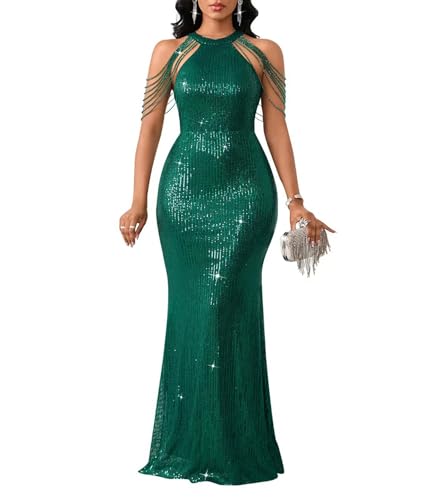

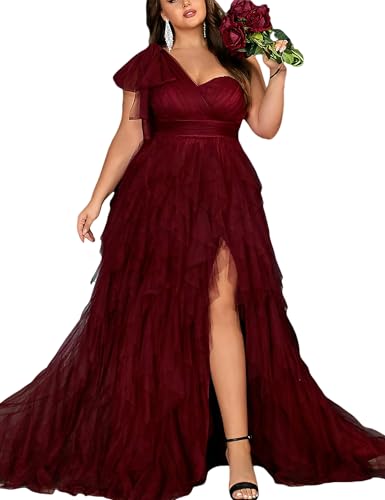


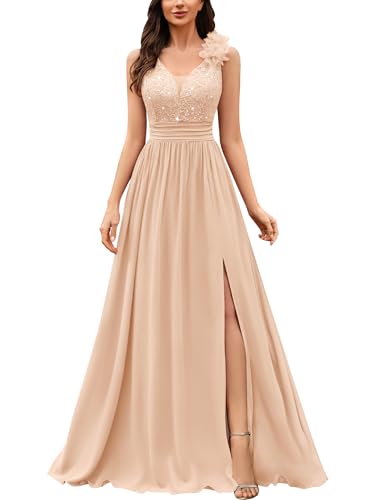
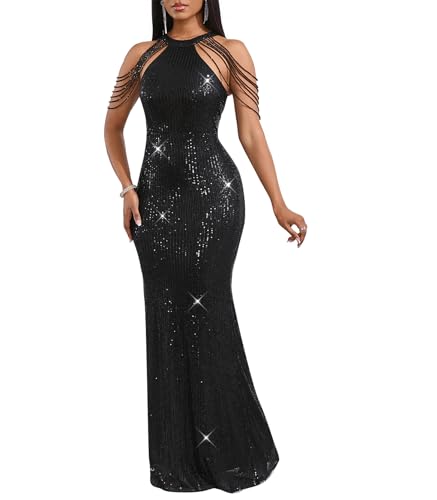
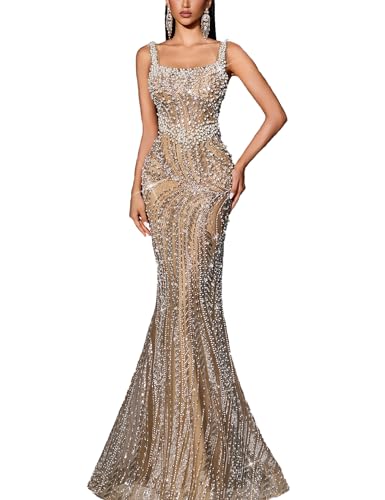


Ftupza Pink Puffy Tulle Mexican Quinceanera Dresses Off Shoulder Ball Gowns for Women Lace Appliques Sweet 16 Dresses vestido de 15 años 8
Original price was: $143.99.$103.99Current price is: $103.99.Frequently Asked Questions About Elegant Ball Gown
What is the difference between a ball gown and an A-line gown?
A ball gown has substantially more skirt volume, usually from gathers, pleats, tulle layers, crinoline, or structured fabric. An A-line widens more gradually from the waist or hip.
Do I need a petticoat under an elegant ball gown?
Not always. Some gowns have enough built-in structure, while others are photographed with a petticoat. Confirm whether any underskirt or hoop is included before ordering one separately.
Which fabrics create the most structured ball-gown shape?
Mikado, taffeta, brocade, jacquard, layered organza, and firm satin usually hold volume more strongly than soft chiffon or jersey.
How should a strapless ball-gown bodice fit?
It should stay secure without constant pulling, while allowing comfortable breathing and sitting. Accurate bust, underbust, waist, and torso measurements are important.
Are ball gowns difficult to alter?
They can be, especially with horsehair hems, multiple skirt layers, corsetry, appliqué, or beading. Get a tailoring estimate before the return window closes.
What shoes work with a floor-length ball gown?
Choose the final heel height before hemming. Stable shoes with enough traction are more practical when the skirt is wide or the event includes stairs and dancing.
What should I verify before buying online?
Confirm the true ball-gown silhouette, fabric, lining, bodice structure, skirt layers, train, size chart, seller, delivery timing, returns, and whether pictured underskirts are included.
What Makes an Elegant Ball Gown a Ball Gown
A true ball gown creates most of its visual volume below a defined waist or fitted bodice. The skirt may be supported by layered tulle, gathered satin, pleated mikado, organza, crinoline, horsehair braid, or an underskirt, but the key feature is intentional fullness rather than a narrow skirt that merely reaches the floor. This distinction matters for search relevance because product titles sometimes use “ball gown” as a synonym for any long formal dress.
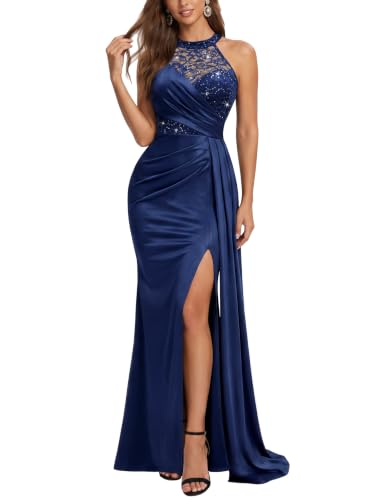
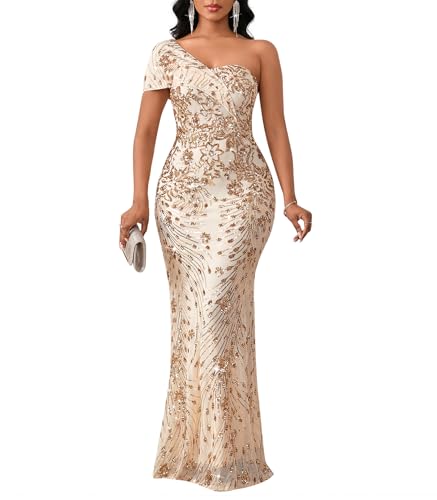
Look at the side view and hem circumference, not only the front photograph. A mermaid dress stays close through the hips and often the thighs before flaring; a sheath follows the body more directly; an A-line widens gradually. An elegant ball gown should create a noticeably fuller lower silhouette and enough interior space for walking without the skirt wrapping tightly around the legs.
Satin, Mikado, Tulle, Organza, and Jacquard
Fabric determines whether the skirt looks fluid, architectural, airy, or sculpted. Satin gives strong highlights and can range from soft charmeuse to firmer duchess satin. Mikado and taffeta hold folds and pleats, making them useful for crisp full skirts. Tulle and organza create lighter volume through multiple layers, while jacquard and brocade add pattern and stiffness without relying on heavy embellishment.
Weight is as important as appearance. A heavily beaded bodice combined with a large mikado skirt may feel substantial after several hours, while a multi-layer tulle skirt may be lighter but harder to manage in wind or on stairs. Check the lining, underskirt construction, and whether the gown uses horsehair at the hem to keep the skirt away from the feet.
Corset Bodices, Boning, Cups, and Waist Seams
Ball gowns place significant weight on the upper body, so bodice structure matters. Corset-inspired designs may use boning, molded cups, a lace-up back, internal elastic, or a firm waist stay. Strapless versions need especially accurate bust, underbust, and torso measurements because a loose bodice can slide while an overly tight one can cause gaping above the cup or pressure at the ribs.
The waist seam should land where the pattern intends. A natural-waist ball gown creates a different proportion from a basque, drop-waist, empire, or corset-point waist. If the seam sits too high or low, the entire skirt can look misplaced even when bust and waist circumference seem acceptable.
Skirt Volume, Petticoats, and Crinoline
Some full skirts achieve volume through built-in layers, while others photograph with a separate petticoat that may not be included. Verify whether a hoop skirt, crinoline, underskirt, or detachable overskirt is part of the purchase. Adding an aftermarket petticoat can change hem length, waist pressure, doorway clearance, and the way pleats fall.
For seated events, test how the skirt behaves in a dining chair and car seat. Very rigid petticoats can push upward when sitting, and wide hoops can be awkward at narrow tables. A softer tulle or organza build may compress more easily but can also bunch around the legs when standing.
Necklines That Keep a Formal Ball Gown Refined
Strapless sweetheart, straight-across, off-the-shoulder, square, portrait, bateau, high-neck, V-neck, and one-shoulder bodices can all work with a full skirt. The better question is whether the neckline remains secure during reaching, greeting, sitting, and dancing. A dramatic neckline should not depend on constant fashion-tape adjustment to stay in place.
When the bodice carries beading, appliqué, or heavy embroidery, inspect where embellishment ends near the underarm and side seam. Rough beading can rub the skin, while dense appliqué may make later bust or side-seam alterations more expensive.
Elegant Embellishment Without Overloading the Gown
Refined ball gowns often use one dominant surface treatment: floral appliqué, tonal embroidery, crystal beading, pearl detail, metallic jacquard, sequins, or a statement bow. When several treatments appear together, close-up photos become important because distant images can hide loose stones, visible glue, uneven motif placement, or a mismatch between bodice and skirt sheen.
Consider how embellishment affects accessories. A crystal-covered bodice may need simpler earrings and no necklace, while a clean satin gown can support a stronger jewelry choice. Bag hardware, bracelets, and rings should be smooth enough not to catch tulle or lace.
Floor Length, Trains, and Final Shoe Height
Ball-gown hems should be evaluated with the final shoes because skirt volume changes how fabric falls around the foot. A hem that looks correct barefoot may become too short with a platform heel, while a floor-skimming hem can become hazardous if the front catches under the shoe during stairs or dancing.
Trains add drama but increase management. Sweep and chapel-length trains can drag across venue floors, wet pavement, or outdoor photography areas. If the gown has a bustle, wrist loop, or detachable train, test it before the event rather than assuming the mechanism will be intuitive.
Movement Tests for a Full-Skirt Formal Dress
A standing mirror check is not enough for a ball gown. Walk at normal and fast pace, turn through a narrow doorway, climb several steps, sit for ten minutes, stand without assistance, and simulate dancing. The skirt should clear the shoes and recover its shape instead of twisting around the legs.
Also test restroom access. Multiple petticoat layers, hoop skirts, trains, and lace-up corsets can make solo management difficult. Knowing this in advance allows the wearer to choose a more practical gown or plan assistance.
Ball-Gown Alterations and Tailoring Cost
Common adjustments include hemming, taking in the bodice, shortening straps, changing cup placement, adding modesty panels, and refining the waist. Full skirts are not automatically easy to hem: horsehair braid, lace borders, appliqué, scallops, pleats, multiple tulle layers, and structured lining can multiply labor.
Ask a tailor for an estimate before the return deadline if the gown needs more than one major correction. A heavily decorated corset bodice or patterned jacquard may limit how far seams can move without disturbing symmetry.
Choosing an Elegant Ball Gown by Occasion
Black-tie galas, charity balls, military balls, prom, formal weddings, quinceañeras, and pageants can overlap in dress formality but have different practical expectations. A gala may involve seated dinner and long indoor wear; prom adds energetic dancing; a formal wedding requires attention to the couple’s dress code and color etiquette; pageant or quinceañera styling may intentionally favor greater skirt volume.
Use the invitation or written event guidance rather than relying on the word “formal” alone. Venue stairs, outdoor arrivals, coat checks, security lines, and transportation can all affect whether a very wide skirt is realistic.
Color, Photography, and Fabric Reflection
Black, navy, burgundy, emerald, red, champagne, metallics, blush, and jewel tones can all read elegant, but fabric finish changes them substantially. Satin creates hot spots under flash, velvet absorbs light, sequins produce sharp reflections, and tulle can make a saturated color look softer when layered over a pale lining.
Take test photos in daylight, warm indoor light, and flash. This reveals undertones, transparency, cup outlines, and whether metallic thread or beadwork shifts the apparent color.
How to Shop This Elegant Ball Gown Collection
Prioritize products whose actual silhouette supports the category intent. On a marketplace-style page, a product may contain the phrase “ball gown” even when the image shows a mermaid or narrow formal silhouette. Verify front, back, and side views, then compare the exact seller, selected color and size, size chart, included pieces, delivery estimate, and return terms.
Because this live category overlaps closely with broader ball-dress and ball-gown pages, the strongest SEO version is one that keeps only genuinely full-skirt formal gowns and uses “elegant” to describe refined construction rather than as a catch-all adjective for unrelated evening dresses.