
Gala Dresses for Plus Size
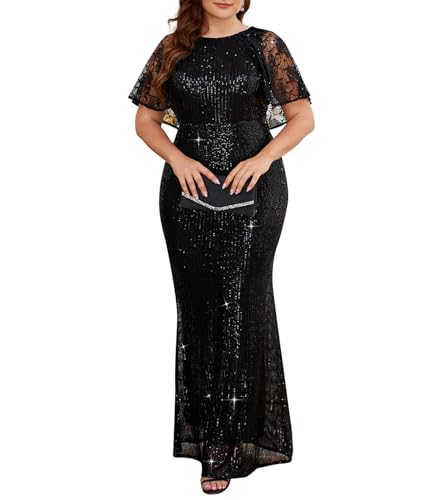
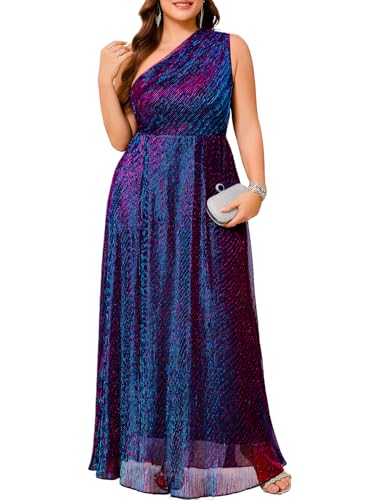
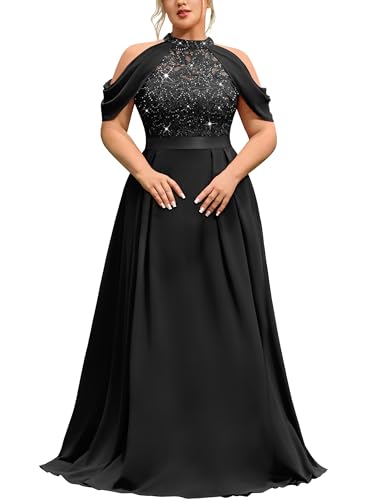
Gala Dresses for Plus Size shoppers should be selected around the event’s actual formality, the dress construction, and the wearer’s measurements—not around rules about hiding or minimizing a body. For a US black-tie gala, charity dinner, awards night, formal wedding, banquet, or fundraiser, useful options can include floor-length A-line gowns, stretch-crepe columns, sequined evening dresses, chiffon gowns, velvet formalwear, off-the-shoulder styles, cape gowns, and structured ball gowns. The best choice provides secure bust support, enough hip and upper-arm ease, reliable lining, and a hem that works with the final shoes and venue.
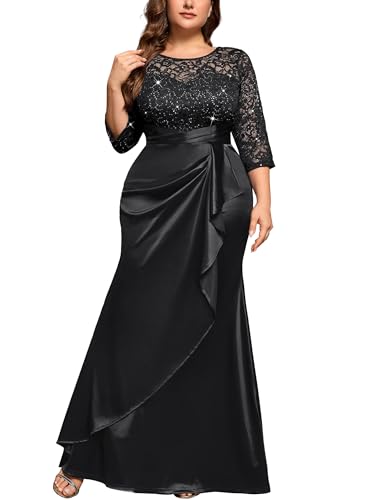
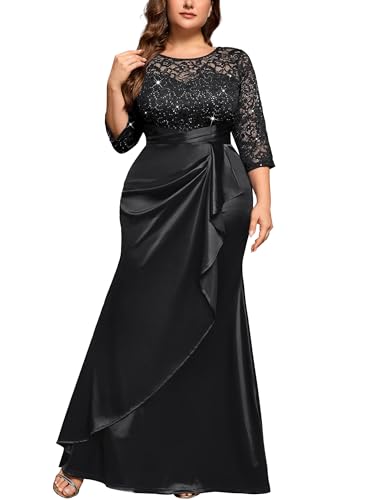
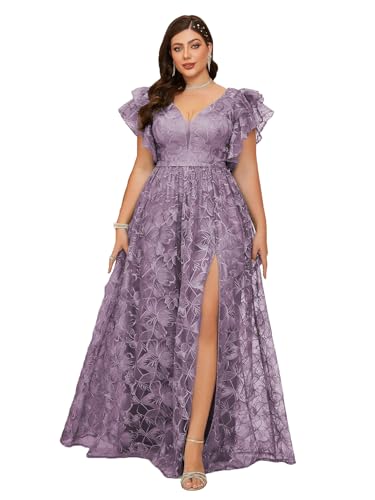
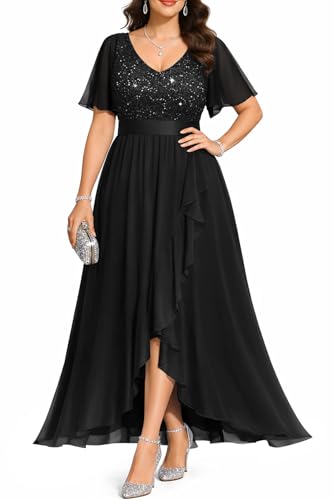
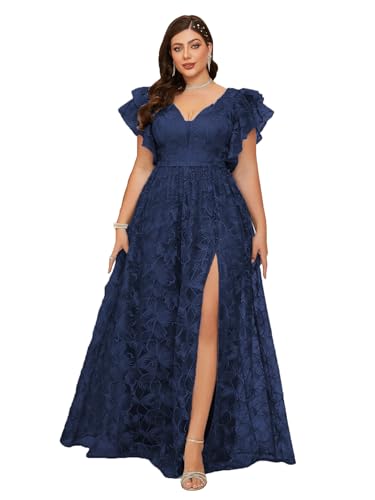
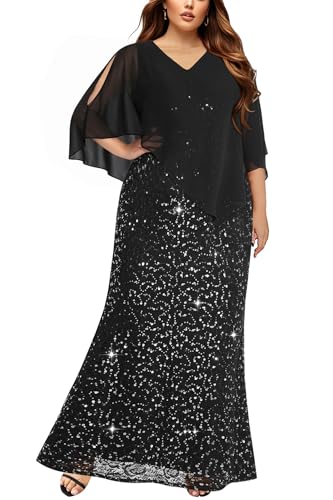
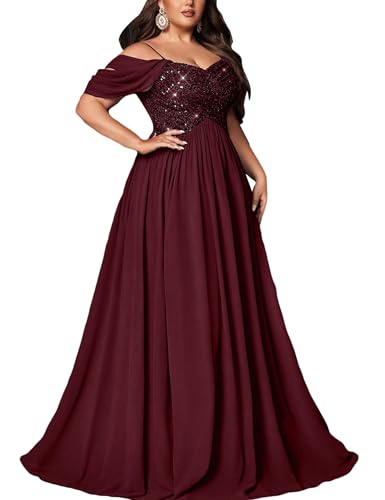
This category currently includes a mix of formal plus-size dresses rather than one single silhouette, so compare each product by neckline, sleeve, waist construction, stretch, closure, lining, and event dress code. Related shopping paths include plus size ball gowns, fancy plus size dresses, gowns for women, and jacket dresses for women.











Frequently Asked Questions About Gala Dresses for Plus Size
What should a plus size woman wear to a black-tie gala?
A floor-length formal gown is the most conventional choice, though the invitation controls the final dress code. Choose a silhouette and fabric that provide secure support and comfortable movement.
Is 2X the same as 20W?
Not necessarily. Alpha sizes and women’s plus numeric sizes vary by brand, so use the exact seller’s bust, waist, and hip chart.
Which measurements matter most for a gala gown?
Bust, waist, full hip, torso length, shoulder width, upper arm when sleeved, and the intended dress length with shoes are especially useful.
Are sequined gala dresses comfortable for long events?
They can be, but check underarm abrasion, weight, lining, stretch, and seated comfort. Dense sequins may add heat and make alterations harder.
Can a plus size gala dress be tailored?
Yes, but the difficulty depends on boning, sleeves, beadwork, lace, multiple layers, and seam allowance. Get an estimate before the return deadline.
What shoes work best with a floor-length gala dress?
Choose the shoes before hemming and prioritize stability for the venue. Formal flats, block heels, platforms, and stilettos can all work depending on the hem and floor surface.
What should I check before ordering online?
Verify seller-specific measurements, fabric stretch, lining, bust support, sleeve ease, dress code, delivery, return eligibility, and alteration timing.
What “Gala” Means in Plus Size Formalwear
Gala attire usually sits at the formal or black-tie end of event dressing, but invitations vary. A black-tie gala typically favors a floor-length evening gown or an equally formal alternative, while a “formal” fundraiser may allow a polished midi or tea-length dress. The venue, host, and written dress code should control the decision rather than a retailer’s use of the word gala.
For charity events, awards dinners, museum galas, corporate banquets, and benefit evenings, consider how much time will be spent seated, standing in reception lines, walking between spaces, and taking photos. A gown that feels comfortable only for a two-minute fitting may become restrictive during a four-hour program.
Plus Size Is Not One Standard Size System
US retailers may use 14W–30W, 1X–5X, or brand-specific numeric charts, and those systems are not interchangeable. A 2X from one seller can differ substantially from a size 20W elsewhere. Compare body measurements with the exact chart for the selected dress and identify whether the chart describes body measurements or finished garment measurements.
Bust, waist, full hip, torso length, shoulder width, upper-arm circumference, and desired hollow-to-hem length are particularly useful for formal gowns. For fitted or mermaid silhouettes, thigh and knee ease can matter too.
Structured Bodices and Bust Support
Gala gowns often use boning, cups, corset seams, ruching, waist stays, or stretch mesh to shape the bodice. Support should come from the garment structure and planned underlayers, not from an undersized dress. If cups sit too high, boning bends outward, or the neckline gaps while the waist feels tight, the pattern may not match the wearer’s proportions.
Check the back design before choosing a bra. Low backs, illusion mesh, lace-up closures, one-shoulder necklines, and off-the-shoulder bands each restrict undergarment options differently.
A-Line, Column, Ball Gown, and Mermaid Gala Silhouettes
A-line gowns create room through the hips and legs, columns offer a straighter formal line, ball gowns add significant skirt volume, and mermaid gowns contour the hips before flaring. None is universally more flattering; each simply distributes fabric and structure differently.
Choose according to movement and personal style. A fitted stretch-crepe gown can be easier to navigate than a huge skirt at a crowded dinner, while a full ball gown may suit a ceremonial event where dramatic entrance and photography matter more than compact seating.
Chiffon, Satin, Velvet, Crepe, Mesh, and Sequins
Fabric controls weight, stretch, shine, and heat. Chiffon is light but needs an opaque lining. Satin can emphasize seam tension through reflected light. Velvet offers depth and warmth but can feel heavy in a warm ballroom. Stretch crepe follows the body with less glare, while mesh and sequins can add structure or scratch at the underarm.
Read fiber content and care information when available. “Stretch” in a product title does not guarantee that every panel, sleeve, lining, or waistband stretches equally.
Upper-Arm and Sleeve Fit
Formal sleeves deserve their own measurements. Lace, sequin mesh, satin, and lined chiffon can fit more tightly than the bodice, especially when a design has cap sleeves, fitted long sleeves, or an off-the-shoulder band. Measure the fullest upper arm and test reaching forward, raising the arms, and sitting with elbows bent.
A cape sleeve or flutter sleeve may provide more ease, but heavy embellishment can still pull at the shoulder seam. Avoid sizing down solely to make the waist appear smaller if the result restricts the arms or bust.
Waist Placement, Ruching, and Draping
Ruching, pleats, wrap fronts, empire seams, natural-waist seams, and asymmetric draping affect how a gown moves and where fabric tension appears. Strategic draping can be visually interesting, but it should lie smoothly rather than twist toward a zipper or pull across the stomach when seated.
Check the gown after ten minutes of wear. If the waist rolls, side seams migrate, or a wrap panel opens farther with movement, the issue may be construction or size rather than styling.
Length, Shoes, and Gala Venue Logistics
Floor-length gowns need final shoe height before hemming. A stable heel, block heel, platform, or formal flat may be more practical than a narrow stiletto for large venues, hotel carpeting, outdoor arrivals, or long cocktail hours. The front hem should clear the shoe enough for a normal stride.
Trains, high slits, and layered skirts add other decisions. Test a slit while seated, and verify whether a train has a bustle or wrist loop if the event includes dancing.
Black Tie Color and Surface Finish
Black, navy, burgundy, emerald, plum, metallics, deep blue, red, and jewel tones are common formal choices, but a gala does not require dark colors unless the host specifies them. Surface finish can create more formality than color alone: matte crepe, glossy satin, sequins, jacquard, and velvet all photograph differently.
Use flash and warm indoor light to check whether sequins create harsh hotspots or whether satin reveals lining edges and seam strain.
Alterations for Plus Size Gala Dresses
Plan alterations early because formal-gown work can involve more than hemming. Bust reshaping, strap changes, sleeve adjustment, waist refinement, zipper replacement, and adding bra support may require experienced tailoring. Beading, lace motifs, sequins, corsetry, and multiple skirt layers increase labor.
If a gown fits the largest measurement but is roomy elsewhere, ask whether the extra areas can be safely reduced before returning it. Buying for the least flexible area often creates a better tailoring starting point than forcing a smaller size.
Comfort Through Dinner, Photos, and Dancing
Complete a realistic rehearsal: sit at a dining-height chair, cross the room at normal pace, raise both arms, bend to retrieve a bag, and stay in the dress for at least fifteen minutes. Check zipper pressure, thigh restriction, underarm abrasion, strap movement, and whether shapewear rolls or creates visible lines.
Comfort is not separate from elegance. A gown that stays aligned without constant adjustment will usually look more polished in candid photos than one that requires the wearer to manage the neckline or waist all evening.
Shopping the Live Gala Plus Size Collection
That is useful breadth, but the strongest SEO and shopping experience comes from keeping only genuinely formal plus-size inventory and removing casual or low-formality products that happen to carry broad marketplace keywords.
Before checkout, save the exact seller, selected color, size chart, product images, delivery estimate, and return policy. Marketplace availability can change, and the category page should not imply that every seller uses the same US sizing, shipping time, or return rules.