
Ball Dresses
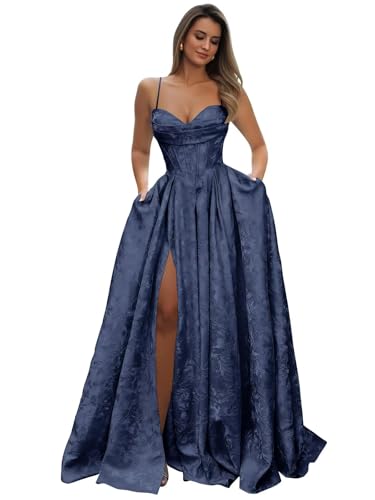
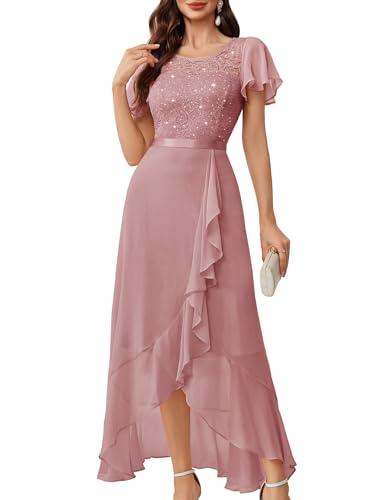
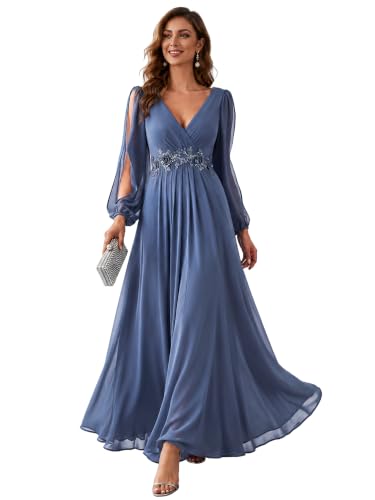
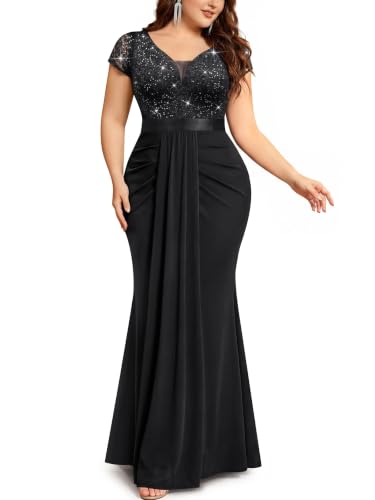
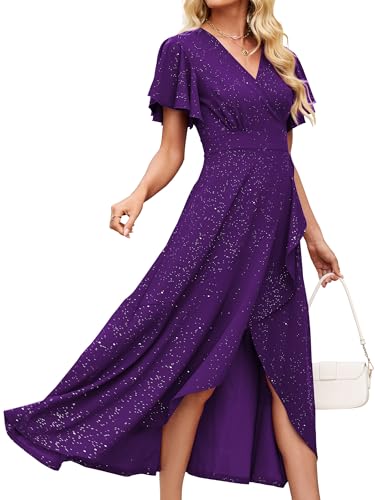
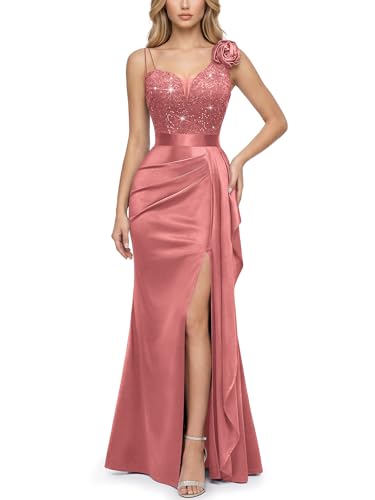
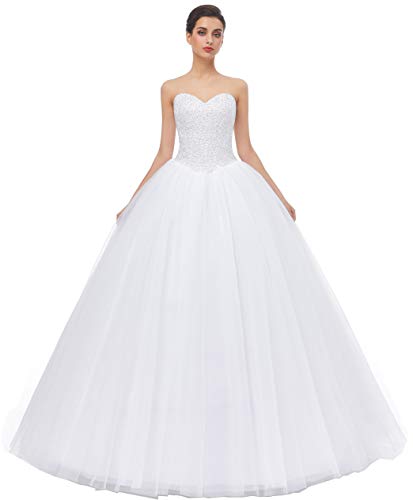
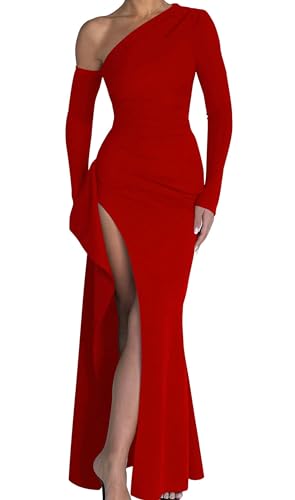
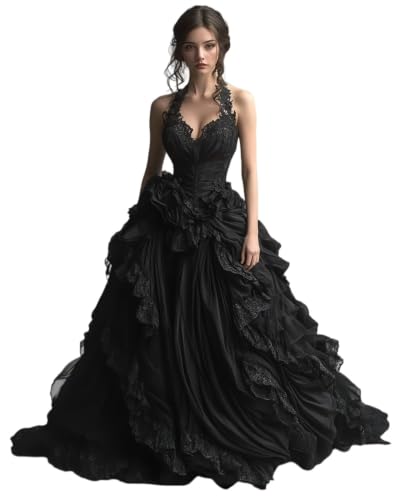
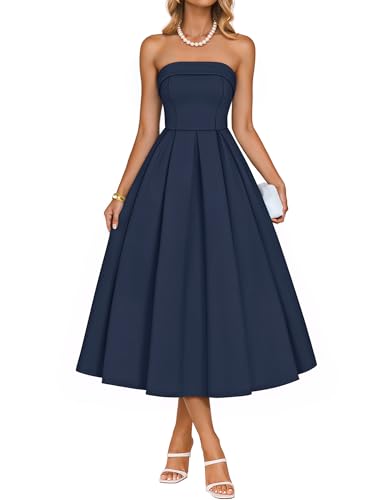
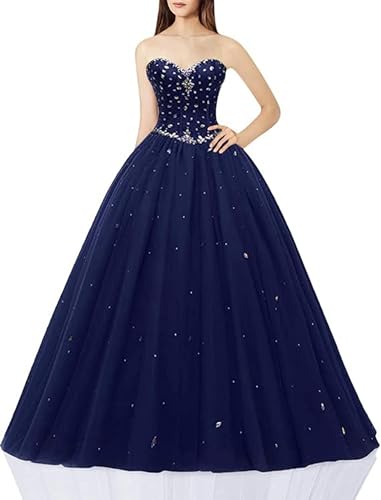
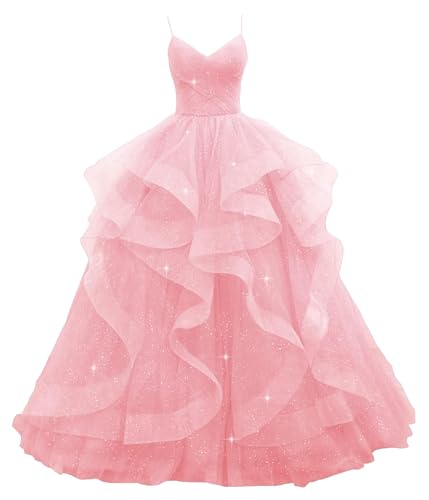
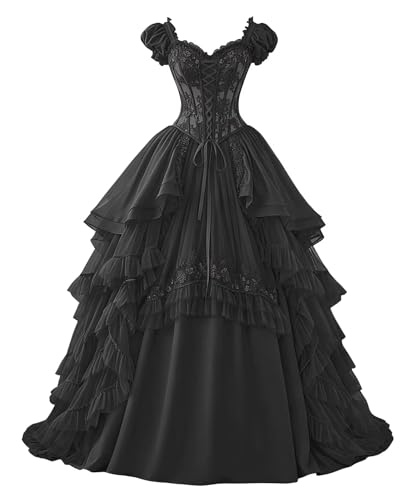
Ball Dresses should represent formal dresses built around the dramatic proportions associated with balls, galas, black-tie events, formal dances, pageants, and other occasions where a full or statement skirt is appropriate. The strongest product set includes true ball-gown construction—structured bodices, defined waists, voluminous skirts, layered tulle, organza, satin, jacquard, mikado, or other fabrics that can hold shape—rather than every long evening dress. Silhouette accuracy matters because a column, mermaid, or simple maxi is not automatically a ball dress.
This page has substantial inventory but overlaps strongly with the existing ball gowns for women category. Until one URL is selected as the primary SEO destination, both pages should avoid near-identical copy and product tagging. Shoppers can also use the styles of dresses hub, black ball gowns, and formal dresses to narrow color, silhouette, and occasion intent.






Frequently Asked Questions About Ball Dresses
What makes a dress a ball gown?
A ball gown typically has a fitted or structured bodice and a dramatically full skirt created with gathered fabric, tulle, organza, crinoline, pleats, or other volume-building construction.
How is a ball gown different from an A-line?
An A-line widens gradually, while a ball gown usually creates much more volume from the waist and a stronger fitted-bodice/full-skirt contrast.
Do ball dresses need a petticoat?
Some have built-in volume and others are photographed with separate petticoats. Check whether any understructure is included.
Are ball gowns comfortable for dancing?
They can be, but skirt weight, heat, train length, petticoat stiffness, and floor space affect movement.
Which measurements matter most?
Bust, waist, shoulders, torso, and shoulder-to-floor length are important; check hip measurements when the lining or bodice extends over the hip.
Are ball gowns expensive to alter?
They can be because multiple skirt layers, horsehair, lace borders, beadwork, corsetry, and trains add labor.
Should Ball Dresses and Ball Gowns for Women be separate pages?
The intents overlap heavily. The site should use search and conversion data to choose one primary canonical destination if both pages serve essentially the same products.
What Defines a Ball Dress
A classic ball dress combines a more fitted or structured upper body with significant skirt volume. The fullness may begin at the natural waist, basque waist, or slightly dropped seam, but it should create a clearly fuller shape than an A-line or straight evening gown. Layers of tulle, crinoline, organza, gathered satin, pleats, or structured jacquard can produce that volume.
Product titles often use “ball gown” loosely, so inspect front and side photos. If the skirt falls close to the legs or flares only at the knee, the dress belongs more naturally in another silhouette category.
Ball Gown vs A-Line vs Mermaid
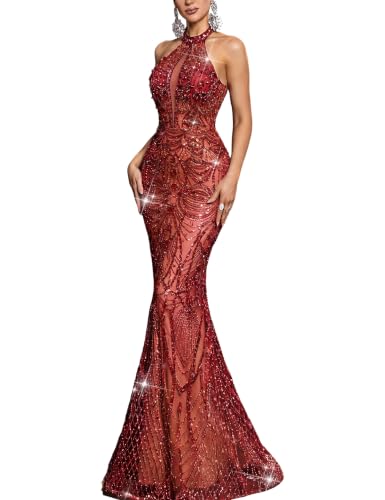
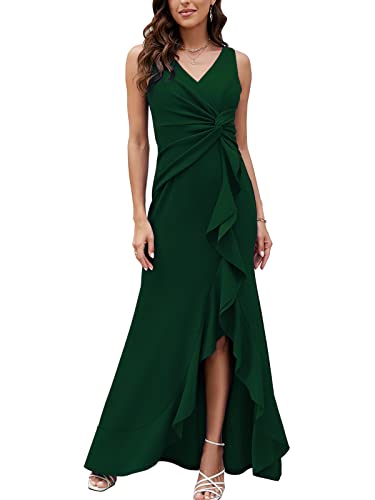
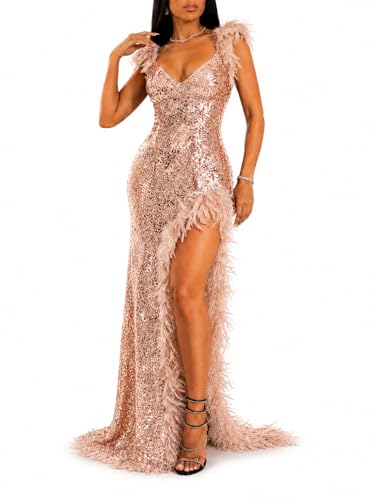
An A-line widens gradually from the waist and can be formal without the dramatic volume of a ball gown. A mermaid follows the body through the hip and thigh before flaring lower. A true ball gown creates the strongest waist-to-skirt contrast and usually occupies more physical space. These differences affect movement, transportation, seating, and the level of formality.
For shoppers who want drama without maximum volume, an A-line may be easier. For a fitted look, a mermaid is more appropriate. The category should not blur those silhouettes simply to increase product count.
Skirt Volume: Tulle, Crinoline, Horsehair, and Petticoats
Ball-dress volume can come from multiple tulle layers, attached crinoline, stiff net, horsehair braid at the hem, pleated satin, or a separate petticoat. Confirm whether the photographed fullness is built into the dress or created with styling accessories that are not included. A product can look dramatically fuller on a model if a petticoat is used for the shoot.
Volume changes weight and heat. Sit in the gown, test stairs, and confirm that skirt layers settle back into shape after being compressed in a chair or car.
Structured Bodices, Corsets, and Waist Support
Because a ball skirt can be heavy, the bodice needs enough structure to carry it. Look for boning, stable cups, waist stays, strong side seams, straps, lace-up backs, or secure zippers. A strapless ball gown should not depend on friction alone. Corset styling is useful only when the internal structure matches the wearer’s torso and bust.
Test the bodice after ten minutes of sitting and moving. If the skirt pulls the bodice downward, the waist seam twists, or the wearer must repeatedly lift the dress, the structure is insufficient or the fit is wrong.
Necklines and Sleeve Options
Strapless, sweetheart, off-the-shoulder, square, V-neck, halter, one-shoulder, high-neck, cap-sleeve, and long-sleeve bodices can all appear on ball dresses. Neckline choice affects support and dress-code compliance more than skirt volume does. Off-shoulder bands should allow arm movement, while strapless bodices need firm internal support.
Long sleeves and high necklines can balance a dramatic skirt but add heat. Sheer illusion sleeves should be checked for stretch and abrasion around the armhole.
Ball Dresses for Galas, Black Tie, Prom, and Pageants
Ball dresses are appropriate when the event supports a high level of formality or theatricality. Galas, charity balls, formal dances, pageants, quinceañeras, and some proms can accommodate dramatic volume. A black-tie wedding may support a sophisticated ball gown, but guest attire should still respect the couple’s dress code and avoid bridal-looking colors or construction when inappropriate.
Use the venue as a practical filter. Narrow staircases, crowded restaurants, outdoor lawns, or small dance floors can make an extremely full skirt difficult.
Fabrics That Hold a Ball-Gown Shape
Mikado, taffeta, satin, brocade, jacquard, organza, and layered tulle can hold architectural volume. Chiffon usually creates a softer, more floating skirt and may need substantial understructure to read as a true ball gown. Velvet adds weight and depth but can be warm. Sequins and beadwork increase both surface impact and overall mass.
Check how the skirt is supported under the outer fabric. A heavy satin ball gown without enough internal structure may collapse into a less defined shape after sitting.
Pockets, Slits, and Modern Ball-Gown Details
Modern ball dresses may include pockets, thigh slits, asymmetrical necklines, corset transparency, bows, rosettes, 3D flowers, detachable overskirts, or two-piece effects. Pockets are useful but should lie flat without pulling the side seam. Slits can improve movement but should be tested while sitting because a full skirt can shift and expose more than expected.
Detachable overskirts need secure attachment points. Confirm whether accessories shown in photos are included before purchase.
Measuring a Ball Dress
Bust, waist, shoulders, torso length, and shoulder-to-floor length are especially important. Full hip can matter less in a very full skirt, but it still matters when the lining, petticoat, or bodice extends over the hip. Waist placement is critical because it controls where the skirt volume begins.
Measure in the intended undergarments and shoes. If the dress has a corset, confirm the lace-up range and modesty panel coverage at the wearer’s actual measurements.
Hems, Trains, and Alteration Cost
Ball-gown hems can involve several layers of lining, tulle, crinoline, horsehair, lace borders, sequins, or scalloped details. Shortening every layer while preserving shape is more labor-intensive than hemming a single-layer dress. Trains add further work and may require a bustle or wrist loop depending on the event.
Get a tailoring estimate before the return deadline. Bring final shoes and confirm that the outer skirt and hidden layers all clear the floor safely.
Transportation, Seating, and Dance-Floor Management
Volume is part of the appeal, but it creates logistics. Test entering and exiting a car, sitting at a table, walking through doorways, climbing stairs, and using a restroom. Very full skirts can trap heat and take up more chair width. A train or stiff petticoat may need to be gathered carefully when moving through crowds.
If the event includes long periods of dancing, balance visual drama with realistic weight and mobility.
Online Product Accuracy
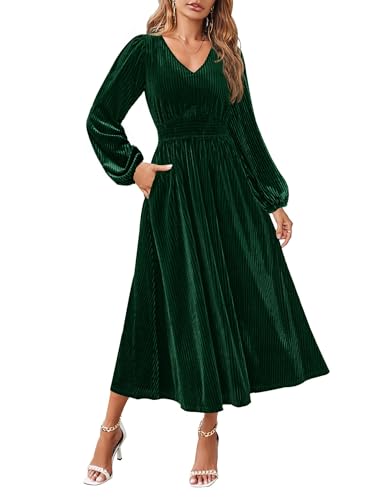
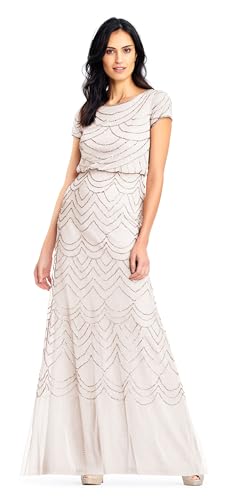
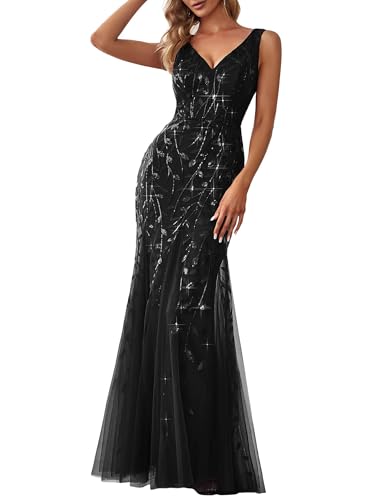
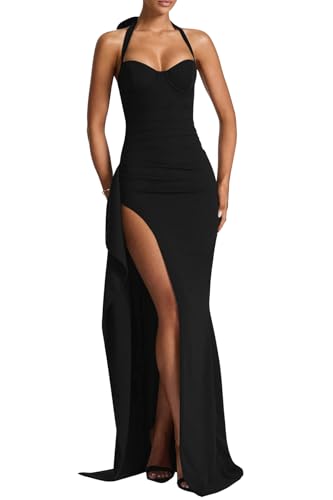
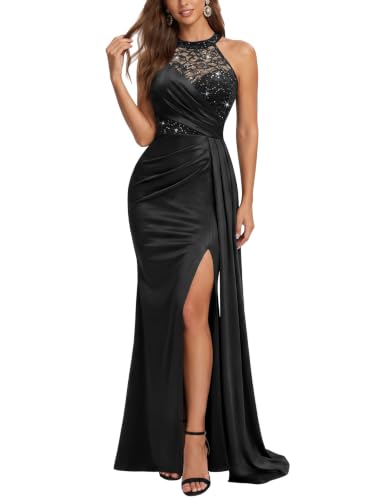
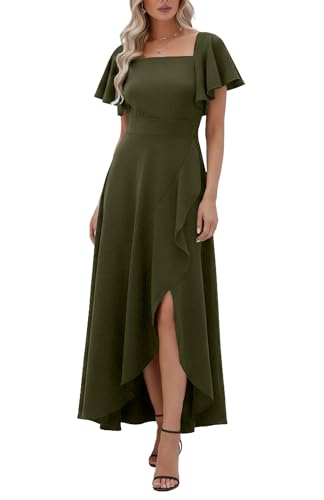
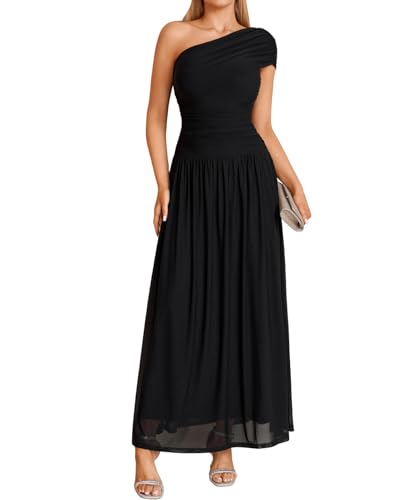
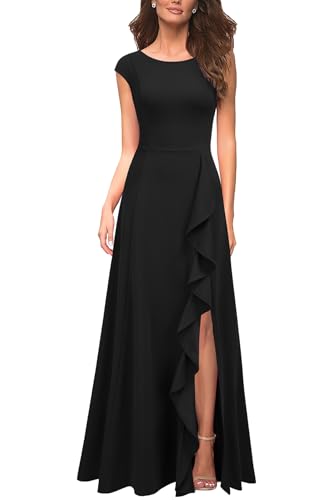
The current live category contains products that do not all appear to be true ball gowns, so taxonomy needs active review. A formal maxi, mermaid gown, or narrow evening dress should not be included merely because the title uses “gown.” Category relevance is an SEO quality signal and a shopper-experience issue.
For affiliate listings, verify the selected size, color, seller, actual skirt construction, included petticoat or overskirt, delivery timing, and return terms.
Ball Dresses vs Ball Gowns for Women: Cannibalization Control
MotherBrideDress currently has both this URL and a separate ball gowns for women page. The search intent is highly overlapping. Keeping both indexable with similar product sets and text can split internal links and ranking signals. Use search-console data, backlinks, conversions, and inventory mapping to select one primary URL, then canonicalize or redirect the weaker duplicate.
Until consolidation is decided, keep this page narrowly centered on “ball dresses” and avoid duplicating the other page’s title, headings, FAQ set, and internal anchor strategy.