
Black Ball Gown
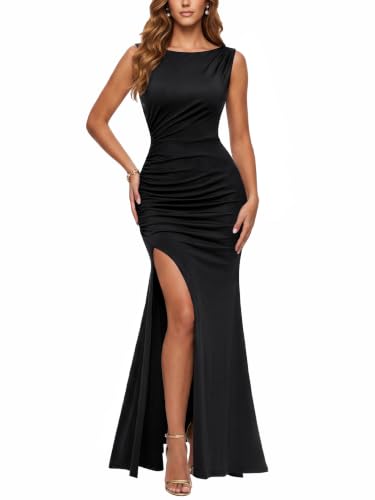
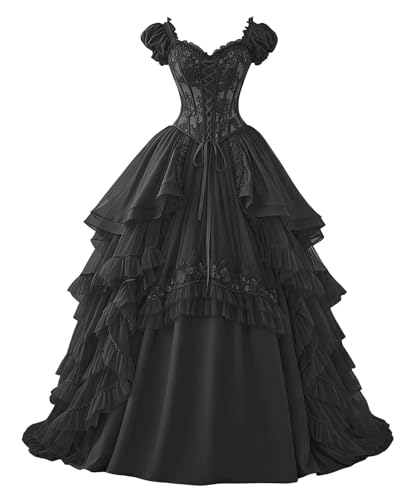
Black Ball Gown styles combine the high-formality impact of a full ball-gown silhouette with the versatility of black. The category should prioritize dresses that are both genuinely black and genuinely ball-gown shaped: a defined or structured bodice with a substantially full skirt. Black mermaids, narrow columns, sheath dresses, and simple maxi gowns may be formal, but they do not automatically belong in a black ball gown collection. Accurate classification helps shoppers compare the right proportions, fabrics, skirt volume, and event logistics.
Use this page for black gala gowns, formal dance dresses, dramatic prom ball gowns, and black-tie styles where volume is intentional. For broader silhouette shopping, see ball dresses and ball gowns for women; for fabric-led formalwear, compare formal dresses. The styles of dresses hub can help move to less voluminous alternatives.






Frequently Asked Questions About Black Ball Gown
What makes a black dress a ball gown?
It should combine a black colorway with a fitted or structured bodice and a substantially full skirt, usually created with tulle, crinoline, gathered satin, organza, mikado, or similar construction.
Is every black formal gown a ball gown?
No. Mermaid, column, sheath, bodycon, and simple A-line gowns may be formal but are different silhouettes.
Which fabrics work well for black ball gowns?
Satin, mikado, tulle, organza, velvet, jacquard, lace, and embellished fabrics can all work, with different weight, shine, and structure.
How do I keep a black gown looking clean in photos?
Check for lint, makeup, deodorant, dust, and uneven shine; test the gown in flash and venue-like lighting.
Do black ball gowns need strong bodice support?
Often, especially when the skirt is heavy. Check boning, cups, waist support, straps or lace-up construction.
Can black ball gowns be altered?
Yes, but multi-layer skirts, horsehair, corsetry, lace, sequins, and matching black fabric can increase complexity.
What should I verify before ordering?
Confirm the selected variation is black and truly ball-gown shaped, then check size chart, support, skirt layers, seller, delivery, returns, and alterations.
What Qualifies as a Black Ball Gown
The defining features are color and silhouette together. The dress should read as black in the selected variation and use enough skirt volume to distinguish it from an A-line, mermaid, column, or straight evening gown. Volume may come from tulle, organza, crinoline, gathered satin, mikado, jacquard, pleats, or a structured overskirt.
Product titles can be unreliable. Inspect the selected color swatch and front/side photos rather than assuming every black formal gown in the feed is a ball gown.
Black Fabric Is Not Visually Flat
Black satin reflects bright highlights, velvet absorbs light and appears deeper, tulle creates layered transparency, lace introduces texture, and sequins can read silver, gunmetal, or rainbow under flash. Jacquard and brocade reveal patterns through texture rather than color contrast. These differences matter because black formalwear often relies on surface detail for dimension.
Test the dress in daylight and flash. Dense black can hide construction in dark venues, while reflective fabric can reveal wrinkles, seams, or hotspots in photography.
Classic Satin and Mikado Black Ball Gowns
Satin and mikado are common for architectural black ball gowns because they can support pleats, bows, boxy folds, and full skirts. Mikado usually feels more substantial; softer satin can drape more. Check whether the skirt is lined and whether internal net or crinoline creates the photographed shape.
These fabrics can show pressure creases after sitting. Steam according to the care label and avoid direct high heat. For travel, allow time for the skirt to hang and recover before the event.
Black Tulle Ball Gowns
Tulle creates lighter visual volume and can support glitter, flocking, embroidery, appliqué, or layered transparency. Count the visible layers when possible and inspect the lining color. Nude lining creates a different effect from full black lining, especially through corset panels or skirts.
Tulle can snag on jewelry, bag hardware, rough walls, and chair edges. Horsehair at the hem helps maintain shape but increases alteration work. Test static before the event, especially in dry indoor environments.
Corset, Strapless, and Off-Shoulder Bodices
Black ball gowns often use structured bodices because the skirt can be heavy. Strapless and corset styles should include support through boning, cups, waist stay, side seams, lace-up back, or another stable system. Off-shoulder bands should not prevent raising the arms or force the bodice downward.
After putting on the dress, sit and move for at least ten minutes. If the neckline drops, back closure strains, or the skirt pulls the bodice out of position, the fit or structure is insufficient.
Sleeves, High Necks, and Formal Coverage
Long-sleeve black ball gowns can look especially formal, but sleeve construction matters. Lace or mesh sleeves need enough upper-arm and elbow ease, while velvet or woven sleeves can feel restrictive. High-neck or illusion bodices should lie flat without wrinkling or cutting into the neck.
For school dances or conservative venues, increased front coverage does not automatically mean the back, slit, or sheer panels meet the dress code. Review the entire garment.
Black Ball Gowns for Galas and Black Tie
Black is a natural choice for black-tie events, but the ball-gown silhouette is more formal than many long dresses. It works well for galas, charity events, formal dances, pageants, some proms, and weddings where the dress code supports dramatic evening attire. For cocktail or semi-formal events, the volume may be excessive.
Consider venue size, seating, stairs, and coat-check logistics. A dramatic gown should still be manageable for the actual event schedule.
Jewelry and Accessory Contrast
Black creates a neutral base for gold, silver, crystal, pearl, colored stones, or tonal accessories. Use visible dress hardware as a guide: silver rhinestones, gold embroidery, pearl details, or gunmetal sequins can establish the primary metal family. High-impact necklaces may compete with beaded or high-neck bodices; statement earrings can work better with strapless or off-shoulder styles.
Avoid rough clutches or bracelets that can snag tulle and lace. Shoes should be selected before final hemming even when mostly hidden.
Skirt Volume and Movement
Full black skirts can be visually dramatic but physically demanding. Test turning, sitting, stairs, fast walking, and dancing. Crinoline and stiff net can press against the legs; multiple layers trap heat; trains require floor awareness. A full skirt should spring back after being compressed in a chair instead of remaining flattened on one side.
If mobility is a priority, compare a controlled A-line or lighter tulle ball gown rather than the heaviest satin construction.
Measurements and Waist Placement
Bust, waist, shoulders, torso length, and shoulder-to-floor length are the main fit points. Hip measurements still matter when the lining, bodice, or fitted upper skirt extends below the waist. Correct waist placement is essential because it determines where the volume begins and whether the skirt pulls downward.
For lace-up backs, check the usable adjustment range and modesty panel. For zippers, look for smooth closure without horizontal pulling or rippling.
Photography: Detail in a Dark Dress
Black can lose surface detail in low-light phone photos. Texture from lace, satin folds, velvet pile, sequins, or appliqué may require side lighting to remain visible. Test flash because it can expose nude mesh, lint, deodorant marks, dust, or uneven shine that is subtle to the eye.
Carry a lint roller or lint-safe cloth. Black formal fabrics show pale lint, powder, pet hair, and makeup transfer quickly.
Alterations and Black Matching
Black may seem easy to match, but different blacks can have blue, brown, green, or charcoal undertones and different surface sheen. Adding fabric to a satin or velvet gown can therefore be visible. Multi-layer hems, horsehair, lace borders, sequins, and corset bodices add tailoring labor.
Get alteration advice before the return deadline. Bring final shoes and check each hidden layer after hemming.
Category Accuracy and Product Relevance
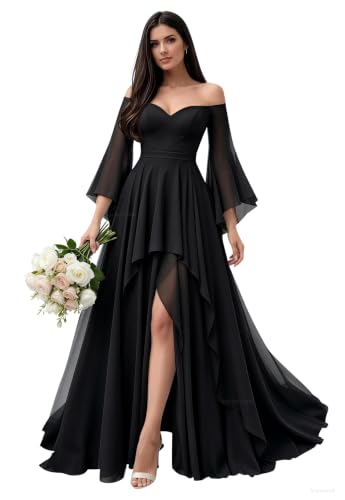
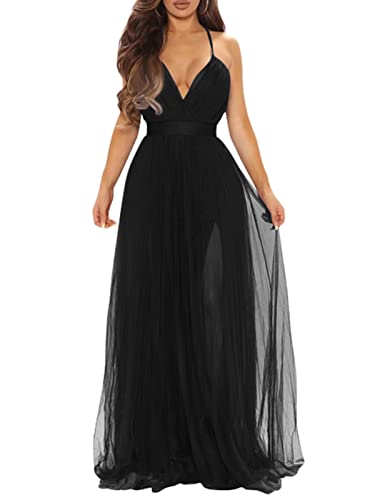
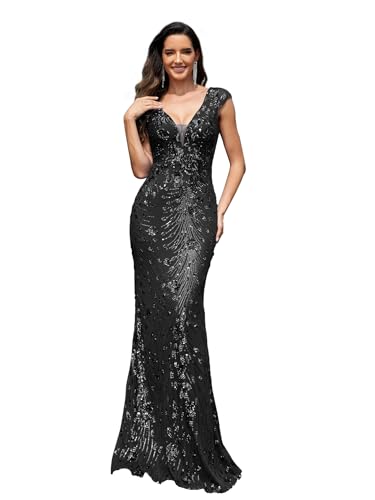
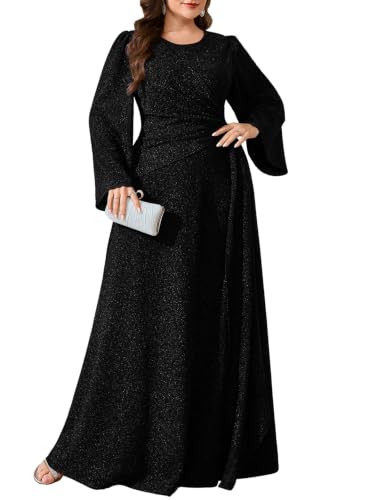
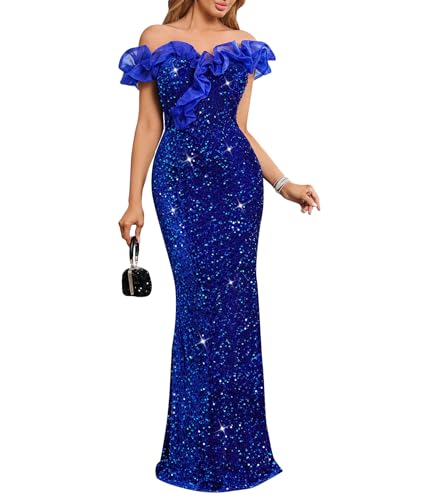
The live page shows many formal black dresses, but several visible listings appear to be mermaid, bodycon, or straight gowns rather than full ball gowns. That weakens the category’s intent. Retag products by actual silhouette and keep this page focused on substantial skirt volume.
For broader black evening inventory, a black formal-dress category would be more appropriate. This page should win on specificity: black + ball-gown construction, not black + any long dress.
How to Choose a Black Ball Gown
Start with event formality and true skirt volume. Then compare fabric, bodice structure, neckline, sleeve mobility, waist placement, weight, train, photography, and alteration needs. Use ball dresses for other colors and formal dresses when a less voluminous black silhouette would suit the event better.
The best black ball gown should look dramatic because of construction and proportion, not because the category label is broad enough to include every black maxi.