
Gowns for Women
Gowns for Women covers a broad formalwear intent, so the most useful way to shop is by occasion, silhouette, fabric, and construction rather than by length alone. In US retail, “gown” commonly describes a floor-length or highly formal dress for black-tie weddings, galas, prom, formal dinners, awards events, military balls, pageants, and other special occasions. A satin column, chiffon A-line, sequined evening gown, velvet wrap gown, mikado ball gown, and embellished mermaid dress can all belong in the category, but they solve very different fit and movement needs.
Use this page as a formalwear hub: start with the invitation or event rules, then narrow by neckline, sleeve, skirt shape, support, fabric weight, and final shoe height. Related collections include elegant ball gowns, plus size gala dresses, jacket dresses, and chiffon dresses for women.
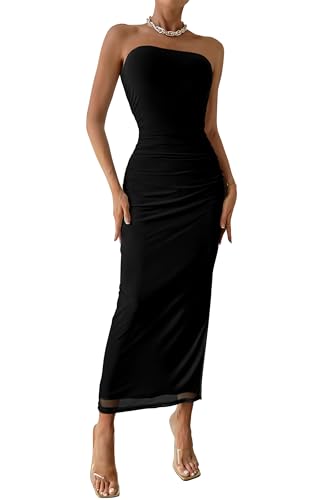





BOLENSYE Women’s A Line Satin Burgundy Bridesmaid Dresses Prom Dress Formal Wedding Guest Gowns US12
Original price was: $69.99.$64.99Current price is: $64.99.


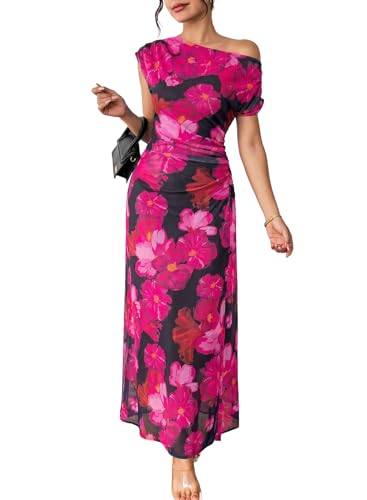
Women’s Off The Shoulder Long Prom Dress Slit Lace up Evening Gowns Blush 16 DR0005
Original price was: $79.88.$75.88Current price is: $75.88.
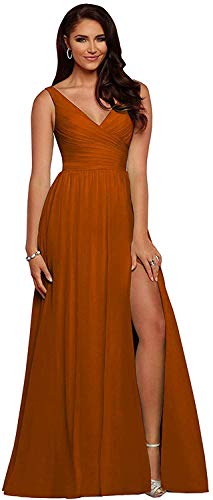
King Noiva Bridesmaid Dresses Long Chiffon Wedding Guest Dress Pleated V Neck High Slit Backless Prom Formal Gown COO2
Original price was: $58.99.$54.00Current price is: $54.00.


Frequently Asked Questions About Gowns for Women
What is considered a gown?
In US fashion retail, a gown is usually a highly formal dress and is often floor length, though exact terminology varies by retailer and occasion.
Is every maxi dress a formal gown?
No. Maxi describes length, while a gown implies greater formality and usually more structured or occasion-specific construction.
Which gown silhouette is easiest to move in?
Many A-line and softly draped gowns provide generous stride, but actual movement depends on lining, fabric, slit placement, and hem length.
How do I choose a gown for black tie?
Use the invitation first, then prioritize formal fabric, polished construction, appropriate length, secure support, and an event-ready silhouette.
When should I buy shoes for a floor-length gown?
Before final hemming. Heel height changes floor clearance and can alter how the skirt hangs.
Can formal gowns be altered?
Most can be adjusted, but corsetry, beadwork, lace, bias satin, trains, and layered skirts can increase cost and limit possible changes.
What should I verify when shopping online?
Check the exact seller, size chart, fabric, lining, support, closure, length, train or slit, delivery timing, return policy, and alteration window.
Evening Gown, Formal Gown, Ball Gown, and Maxi Dress
These terms overlap but are not identical. An evening gown is usually formal and often floor length; a ball gown is a specific full-skirt silhouette; a formal gown can include columns, mermaids, A-lines, and ball gowns; a maxi dress simply describes long length and may be casual. Keeping those distinctions clear helps shoppers avoid selecting a lightweight vacation maxi when the event requires black-tie formality.
Look at fabric, structure, lining, and dress code. A jersey maxi with minimal support may be appropriate for a resort dinner but not equivalent to a boned satin gown for a formal gala.
Match the Gown to the Dress Code
Black tie generally supports floor-length evening gowns, while formal dress codes can allow some polished midi or tea-length options. Prom and pageant rules vary by school or event, and weddings add color-etiquette considerations. Military balls and ceremonial events may have written guidance on formality, trains, or coverage.
Always use the host’s instructions when available. Retailer labels are merchandising terms, not event authorities.
A-Line Gowns for Movement and Versatility
A-line gowns fit through the bodice and widen gradually, making them one of the most adaptable formal silhouettes. The skirt can be chiffon, satin, tulle, crepe, or lace, and the shape works with strapless, sleeved, halter, square-neck, and V-neck bodices.
Check where the waist seam lands and whether the lining allows a full stride. A generous outer skirt can still feel restrictive if the lining is cut too narrowly through the hips.
Column and Sheath Gowns for a Straighter Line
Column and sheath gowns create a narrower profile from shoulder to hem. They can look minimalist in crepe or satin, or highly formal with sequins and beadwork. Because there is less skirt volume, hip, thigh, and back-vent ease become more important.
Test sitting and stairs. A column gown that fits while standing may ride upward or restrict stride if the lining and outer fabric do not stretch together.
Mermaid and Trumpet Gowns
Mermaid and trumpet styles contour the torso and hips before flaring. The flare point changes movement: a lower flare near the knee produces a more dramatic fitted line but can reduce stride, while a higher trumpet flare generally allows more room.
Accurate waist, hip, thigh, and torso measurements matter. Also inspect where sequins, lace motifs, or boning cross alteration seams because fit changes can become expensive.
Ball Gowns and Full-Skirt Formal Styles
Ball gowns use a fitted bodice with substantial skirt volume created by pleats, gathers, tulle, crinoline, organza, mikado, or structured satin. They produce strong formal impact but require more floor space, hem management, and sometimes assistance with stairs or restroom access.
Verify whether the photographed fullness comes from an included underskirt. An additional petticoat can change the silhouette and finished length.
Formal Fabrics: Satin, Chiffon, Crepe, Velvet, and Tulle
Satin reflects light and shows fold direction; chiffon is airy but depends on opaque lining; crepe tends to be matte and fluid; velvet adds depth and warmth; tulle builds volume; mikado and taffeta hold architectural shapes. The fabric should match both the desired silhouette and the venue climate.
For warm indoor events, heavy velvet or dense sequins can feel hot. For outdoor arrivals, lightweight chiffon may need careful handling in wind.
Neckline and Back Construction
Strapless, sweetheart, square, halter, one-shoulder, bateau, high-neck, V-neck, and off-the-shoulder designs change bra options and support. Backless or illusion-back gowns may rely on cups, boning, side panels, or adhesive underlayers, while higher backs can accommodate conventional bras more easily.
Raise both arms and sit for ten minutes. Necklines that gap, slide, cut into the underarm, or require repeated adjustment usually need a different size or alteration.
Sleeves, Capes, and Formal Coverage
Long sleeves, flutter sleeves, cape sleeves, three-quarter sleeves, and jacket-style layers can add coverage without reducing formality. However, sleeve fabric is often less forgiving than the skirt, especially with lace, beaded mesh, satin, or lined chiffon.
Measure upper arms when relevant and check that embellishment does not scratch at the elbow or underarm during extended wear.
Length, Trains, Slits, and Shoes
Choose the final shoes before hemming a floor-length gown. The hem should clear the front of the shoe without exposing more ankle than intended. Trains add formal drama but require venue awareness, while slits can increase stride and ventilation.
Test slit height while seated because fabric can open higher than it appears when standing. For trains, look for a bustle, wrist loop, or detachable construction if dancing is expected.
Formal-Gown Alterations
Hemming is only one possible adjustment. Bodice reshaping, cup repositioning, strap shortening, sleeve changes, zipper work, and waist alterations are common. Bias-cut satin, beaded mesh, lace borders, corsetry, and multiple tulle layers demand more specialized labor.
Order with enough time for at least one fitting after shoes and underlayers are selected. Rush tailoring can cost more than the dress itself on complicated construction.
How to Compare Gowns Online
The live category currently shows 35 products and functions best as a broad formalwear hub. Because marketplace titles often combine “formal,” “prom,” “bridesmaid,” “wedding guest,” and “evening gown,” classify products by the actual garment rather than by every keyword in the title.
Before buying, verify exact seller, selected color and size, measurements, fabric, lining, closure, front and back views, delivery estimate, and return terms. A broad gowns page should help the shopper move into a more precise silhouette, fabric, size, or occasion category once the initial preferences are clear.