
Fancy Plus Size Dresses
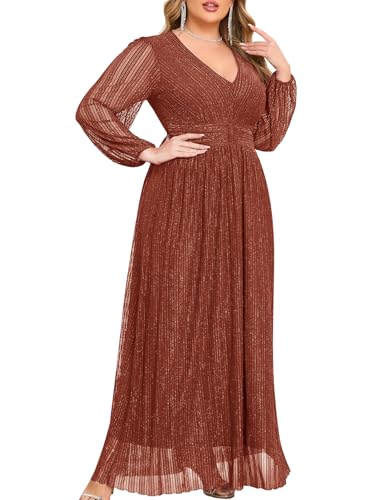
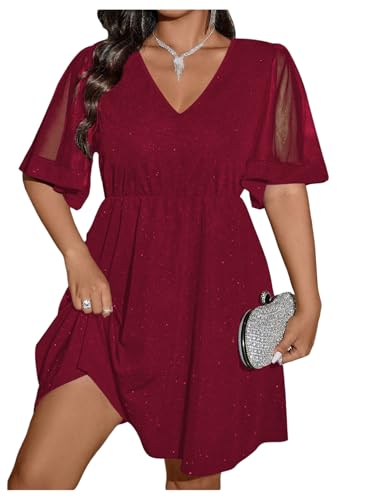
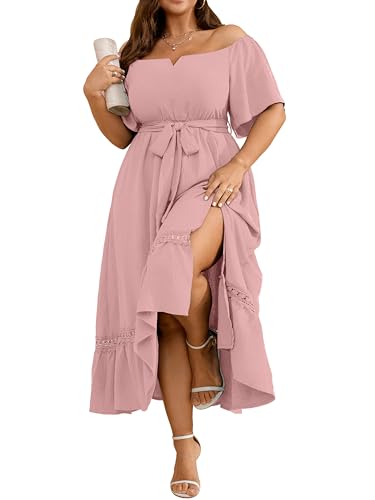
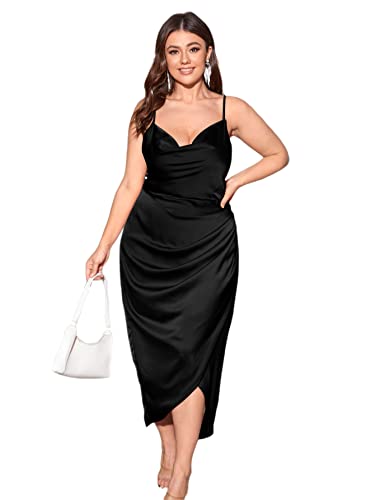
Fancy Plus Size Dresses should help shoppers find elevated occasion dresses in extended sizing, not simply any garment labeled “plus.” In US shopping language, “fancy” usually signals a dressier level of finish for weddings, cocktail parties, galas, formal dinners, holiday events, receptions, celebrations, and other occasions where fabric, construction, embellishment, and polish matter. The most useful comparison points are dress code, actual measurements, size system, bodice support, stretch and recovery, lining, hem length, sleeve or arm fit, and the amount of sitting, walking, dancing, or standing the event requires.
This collection currently has a relatively small live assortment, so relevance matters more than volume. Compare each listing against the broader plus size dresses hub, the specific size 26 dresses collection, XXX large dresses, and all dresses by size. A product belongs here when its sizing and occasion-level construction both support the intent.






Frequently Asked Questions About Fancy Plus Size Dresses
What counts as a fancy plus size dress?
Use occasion and construction, not the word “fancy” alone. Formal gowns, polished cocktail dresses, embellished midi dresses, satin, chiffon, lace, sequin, cape, and structured special-event styles can fit the intent.
Are 2X, 3X, 22W, and 24W equivalent across brands?
No. Alpha and numeric plus-size systems vary by brand and seller. Always compare your measurements with the exact product chart.
Which measurements matter most?
Full bust, waist, high and full hip, shoulders, upper arms, torso length, and garment length are especially useful for occasion dresses.
How should a formal plus size bodice fit?
It should stay secure while sitting, reaching, bending, and dancing without gaping, riding up, digging in, or depending on constant adjustment.
Are stretch fabrics always easier to fit?
Not necessarily. Stretch percentage and recovery matter; some fabrics stretch but do not recover well, while structured fabrics need more precise sizing.
Can embellished plus size dresses be altered?
Often, but beading, sequins, lace motifs, corsetry, and layered skirts can make alterations more expensive and time-consuming.
What should I verify before ordering?
Check the seller-specific chart, exact measurements, fabric, lining, support, event dress code, delivery timing, return terms, and alteration window.
What “Fancy” Means in a Plus Size Dress Category
“Fancy” is not a standardized apparel construction term. For this page, it should describe dresses with an elevated occasion purpose or finish: formal gowns, polished cocktail dresses, embellished midi dresses, satin or chiffon occasion styles, lace dresses, sequin looks, cape dresses, structured party dresses, or special-event sets. Casual T-shirt dresses, beach coverups, basic jersey maxis, and everyday sundresses dilute the category even if they happen to be available in a plus size.
A strong fancy plus size collection should therefore be curated by both size relevance and dress-code relevance. That distinction helps US shoppers who are specifically looking for wedding guest attire, black-tie options, gala dresses, cocktail dresses, holiday party looks, or formal evening wear.
Plus Size Labels Are Not One Universal System
1X, 2X, 3X, XL, XXL, 18W, 20W, 22W, 24W, 26W, and brand-specific extended sizes are not automatically equivalent. Some brands use misses grading, others use women’s or plus-size pattern blocks, and marketplace sellers may map alpha sizes to different body measurements. Treat the product-specific chart as the deciding source, not the category label.
Record full bust, waist, high hip, full hip, shoulder width, upper arm, torso length, and preferred garment length. If the dress is structured, also pay attention to cup placement, back width, and waist seam position because those points determine whether the gown sits correctly.
Formal Dress Codes: Cocktail, Formal, Black Tie, and Gala
Fancy plus size dresses cover more than one level of formality. Cocktail attire often supports knee, midi, or polished high-low lengths; formal and black-tie events usually call for longer or more elaborate dresses; galas may support dramatic ball gowns, sequins, metallic fabrics, capes, or statement sleeves. Wedding-guest rules may also restrict white, ivory, or overly bridal styling.
Use the invitation and venue as the first filter. A crystal-trim floor-length gown can be perfect for a hotel ballroom and excessive for a daytime restaurant shower. Category copy should help shoppers identify that difference instead of labeling every embellished dress “formal.”
Bodice Structure and Bust Support
For extended sizes, support needs to come from construction rather than from a vague “flattering” claim. Look for stable side seams, appropriate cup depth, boning where relevant, secure straps, a back closure that lies flat, and enough fabric coverage to prevent the wearer from repeatedly adjusting the neckline. A deep V or strapless bodice may require more precise torso and bust measurements than an empire or wrap style.
Test the dress with intended undergarments. Sit, raise both arms, bend, hug, and turn. If the bodice rides up, cups sit too high, straps dig in, or side seams pull forward, the size or pattern block is not working.
Sleeves, Upper Arms, and Shoulder Mobility
Sleeves are a frequent fit point that broad size charts do not explain well. Lace, chiffon, mesh, and stretch knit sleeves can have very different upper-arm ease. Flutter and cape sleeves provide movement without close fit, while fitted long sleeves, cap sleeves, and structured shoulders require accurate arm and shoulder measurements.
Check whether the armhole cuts into the front or back of the arm and whether the dress can accommodate reaching forward, dancing, and putting on outerwear. A dress that fits the bust and waist can still fail because of restrictive sleeves or narrow shoulders.
Waist Placement, Ruching, Wraps, and Seaming
Waist placement changes the entire proportion of an occasion dress. Natural-waist A-lines, empire seams, basque waists, dropped waists, faux-wrap fronts, and ruched midsections each distribute fabric differently. Choose based on where the seam actually lands on the wearer, not on claims that one waistline “flatters every body.”
Ruching can add visual texture and fit tolerance, but it cannot correct a dress that is too small. Wrap and faux-wrap styles need enough overlap and bust coverage when seated. Princess seams and paneled bodices can be useful for tailoring if seam allowances and embellishment permit changes.
Fabrics: Stretch, Recovery, Drape, and Weight
Scuba crepe, stretch jersey, satin, chiffon, lace, tulle, velvet, sequined mesh, and metallic knits behave differently in extended sizes. Stretch is helpful only when the fabric recovers instead of bagging at the seat, elbows, or waist. Structured satin may need more exact measurements, while chiffon usually depends on a fitted lining underneath for shape and opacity.
Heavy beading and dense sequins add weight. Check whether straps, side seams, and zippers can support that weight for several hours. Lightweight chiffon can be comfortable in warm venues but may cling or become static without the right lining.
Length, Heels, and Floor Clearance
Plus size gowns are not automatically cut longer or shorter in a predictable way. Model height and sample-size photography can make hem placement difficult to judge. Use garment-length information when available and test the final shoes before hemming. Floor-length dresses should clear the toe enough for walking while still maintaining the intended formal line.
For high-low, midi, and tea-length dresses, check where the hem lands on the actual wearer. For full skirts or trains, rehearse stairs, crowded seating, restroom access, and getting into a car.
Embellishment Without Irritation or Snagging
Fancy dresses often use sequins, crystals, metallic thread, beaded lace, 3D flowers, glitter mesh, or appliqué. Those details can increase abrasion at the underarm, neckline, and side seam. They also change alteration difficulty because a tailor may need to remove and reapply decoration before moving a seam.
Wear the dress long enough at home to test for scratching, heat, and weight. Use smooth jewelry and a bag without exposed prongs or rough hardware when the dress has open lace or beaded mesh.
Undergarments, Shapewear, and Bra Compatibility
The dress should be evaluated with the base layers intended for the event. A low back, illusion panel, one-shoulder neckline, or plunging V can limit bra options. Shapewear is optional and should not be treated as a requirement for a plus size dress to fit; if it is used, remeasure while wearing it because compression can change waist and hip measurements.
Check whether closures remain smooth, the lining stays in place, and the neckline remains secure after sitting. Built-in cups are useful only when they align with the wearer’s bust position and depth.
Wedding Guest, Mother-of-the-Occasion, and Party Use
“Fancy” shoppers often overlap wedding guest, mother of the bride or groom, formal party, anniversary, cruise dinner, and holiday-event intent. Those occasions can favor different features. A mother-of-the-occasion dress may prioritize sleeves, a jacket, cape, or coordinated set; a cocktail party may favor midi length and easier movement; a gala may justify a full-length gown or dramatic embellishment.
Internal merchandising should therefore connect size intent with occasion intent instead of forcing every shopper through one broad plus-size page.
Returns, Seller Charts, and Marketplace Variation
Because this site features affiliate inventory, two dresses in the same category can have completely different sellers, measurements, fabrics, delivery dates, and return conditions. Save the product title, seller, selected size, chart, color, and return window before ordering. Reviews are most useful when they include body measurements, purchased size, and comments about stretch, bust, arms, and length.
If the event date is fixed, order early enough for a second option. Special-occasion clothing often needs more fit precision than everyday knitwear, and rushed purchases remove the safest exchange and alteration options.
How to Build a Strong Fancy Plus Size Shortlist
First filter by dress code and exact body measurements. Then compare bodice support, sleeve and arm mobility, fabric behavior, lining, length, and alteration feasibility. Finally evaluate the seller and return terms. Avoid choosing solely from a product title that says “plus size formal” because the actual construction may be casual, unlined, poorly supported, or inconsistent with the event.
For broader inventory, use plus size dresses for women. For a numeric size target, compare size 26 dresses; for alpha-size browsing, see XXX large dresses while still checking each seller chart.