
XXX Large Dresses
XXX Large Dresses covers dresses labeled XXXL or 3XL by their sellers, but those labels require careful verification in the US market. XXXL, 3XL, 3X, and 3X Plus are not automatically the same size, and some marketplace sellers use international conversions that differ from US plus-size charts. This page should function as an alpha-size filter while teaching shoppers to confirm bust, waist, hip, shoulder, upper-arm, torso, and garment measurements for the exact product.
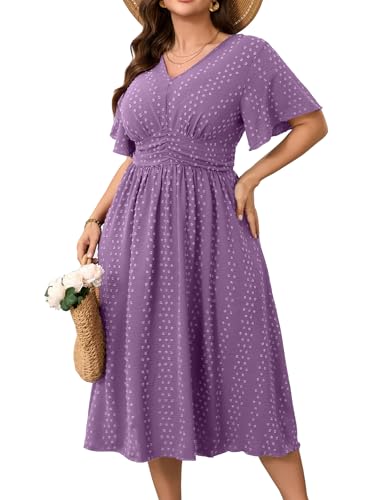
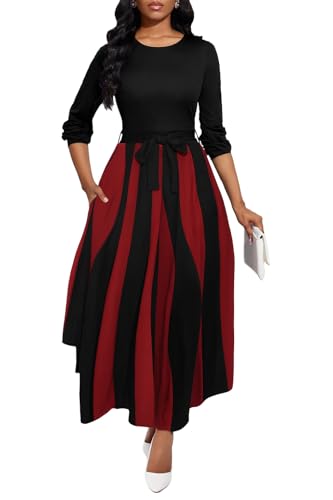
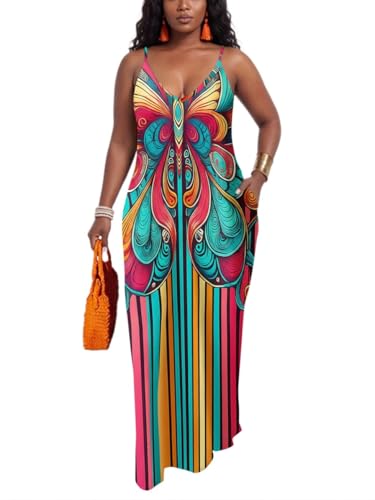
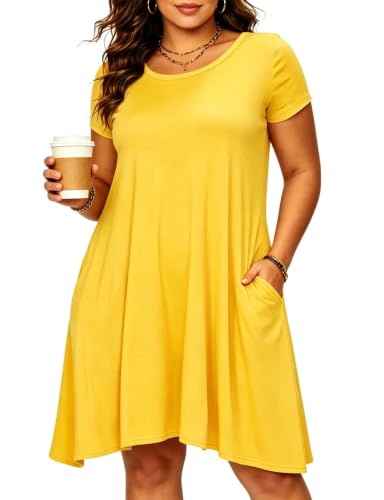
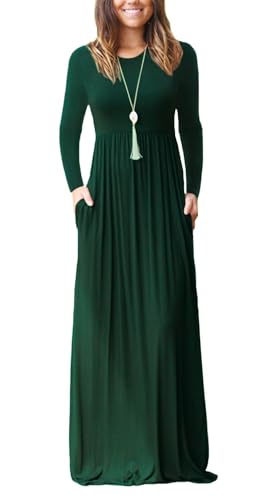
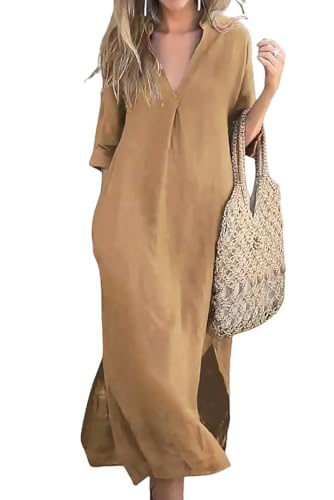
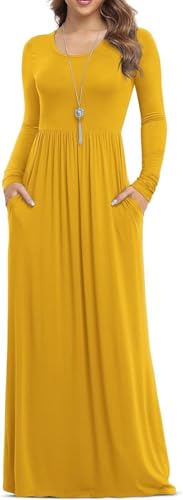
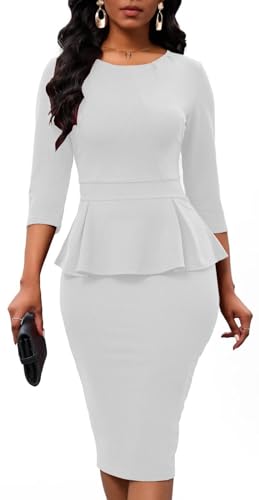
The live category currently mixes casual, maxi, formal, lace, chiffon, and occasion styles. Compare the broader plus size dresses hub, specific size 26 dresses, fancy plus size dresses, and all dresses by size. The category should not imply a fixed XXXL-to-numeric conversion unless the seller’s own chart supports it.
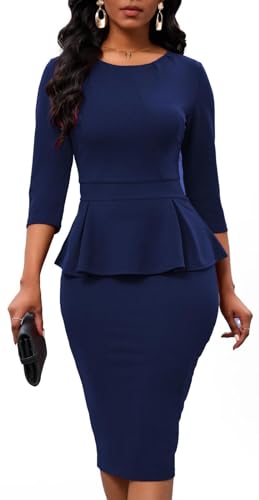
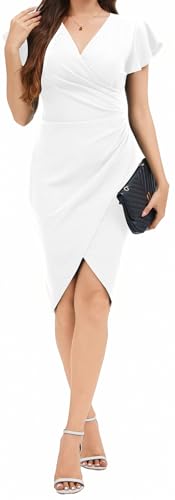
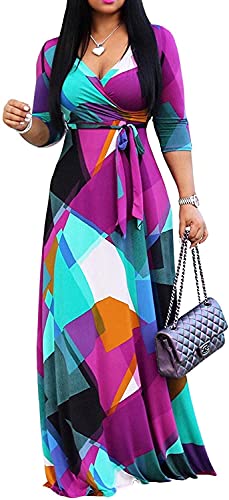
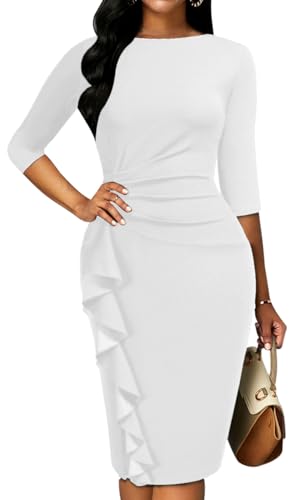


Frequently Asked Questions About XXX Large Dresses
Is XXXL the same as 3XL?
They are often used similarly, but sellers can define them differently. Check the exact measurement chart.
Is 3XL the same as 3X Plus?
Not always. Some brands use different pattern blocks or measurements for 3XL and 3X Plus.
Is XXXL equal to size 26W?
There is no universal conversion. Compare the seller’s bust, waist, and hip measurements for both labels.
What measurements should I take?
Measure bust, waist, high and full hip, shoulders, upper arms, torso for structured dresses, and preferred garment length.
Are stretch 3XL dresses easier to fit?
They can be more flexible, but stretch direction, recovery, lining, waistbands, and closures still matter.
Can XXXL formal dresses be altered?
Often, but beadwork, lace, corsetry, sleeves, layered skirts, and limited seam allowance can restrict alterations.
What should I verify before ordering?
Confirm XXXL/3XL is selectable and check the exact chart, seller, fabric, stretch, delivery, returns, and fit reviews.
XXXL, 3XL, and 3X Are Labels, Not Universal Measurements
Sellers may write XXXL, 3XL, or 3X for different measurement ranges. Some use straight-size alpha grading, some use plus-size blocks, and some convert Asian or European labels into US-facing terms. Even within one marketplace, two 3XL dresses can differ by several inches at the bust or hip.
Treat the label as a search shortcut only. Open the chart for the exact listing and verify whether it is based on body measurements, garment measurements, or a conversion table.
XXXL vs Size 26W
Generic conversion tables may place XXXL near a particular US numeric size, but that relationship is not reliable enough for a purchase decision. A size 26W dress may have different bust, waist, hip, armhole, and torso proportions than an XXXL dress from a straight-size line. Use the size 26 collection only as a cross-shopping path, then compare measurements product by product.
If the seller gives both alpha and numeric labels, follow that seller’s own mapping.
Measurements for XXX Large Dresses
Measure full bust, natural waist, high hip, full hip, shoulders, upper arms, and preferred dress length. For structured dresses, add torso and back width. If a dress is fitted through the thigh, record thigh circumference as well. Use the undergarments planned for the occasion because bras, slips, and shapewear can change the fit of bodices and waist seams.
Compare your measurements with the chart and consider intended ease. A loose maxi and a bodycon dress should not fit the body with the same amount of room.
Casual 3XL and XXXL Dresses
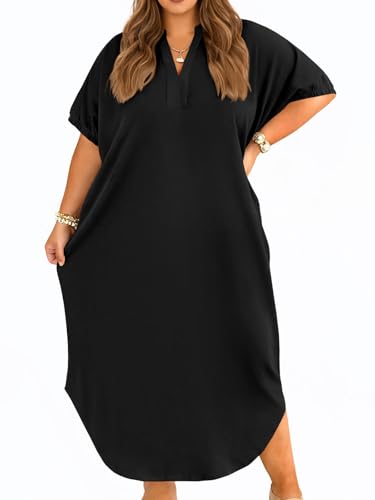
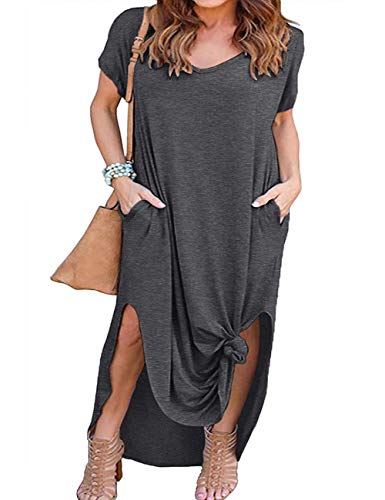
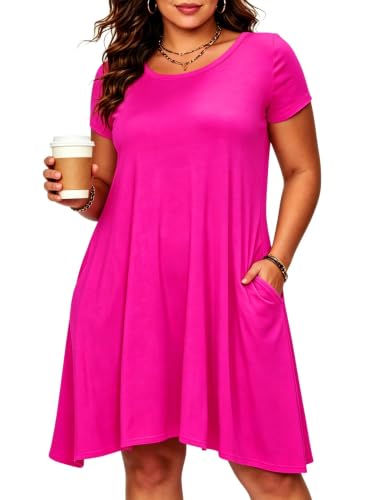
Casual inventory often includes knit maxis, T-shirt dresses, swing dresses, floral A-lines, boho styles, hooded dresses, and loose shirt dresses. These may look forgiving, but armholes, sleeve openings, necklines, and fabric recovery still determine comfort. A wide body with a tight sleeve is not a successful plus-size fit.
Check whether “oversized” is intentional design ease or simply marketing. For pockets, verify that they lie flat and do not pull the side seam forward.
Formal XXXL Dresses
Formal satin, lace, chiffon, sequins, fitted crepe, and embellished gowns need more exact sizing than casual stretch knits. Check the lining because it often controls the true hip and bust ease. For strapless or structured bodices, look at cup depth, boning, back closure, and how the waist seam aligns.
If the goal is gala, black tie, or polished occasionwear, compare fancy plus size dresses and verify that the desired design is actually offered in XXXL/3XL.
3XL vs 3X Plus Pattern Blocks
Some brands distinguish 3XL from 3X Plus, with the plus line using a different grading system or proportions. Others do not. Do not assume one is larger merely because the wording includes “plus.” The seller chart is the only reliable source for that product.
When reviews say a dress runs small or large, look for the reviewer’s measurements and purchased size. Without those details, the comment may reflect a different expectation of ease rather than an objective size mismatch.
Stretch and Recovery in Alpha-Size Dresses
Jersey, rib knit, smocking, stretch lace, and elastane blends can make a 3XL dress adaptable, but the amount and direction of stretch vary. A woven lining, zipper panel, waistband, or embroidered section may not stretch at all. Check whether the dress stretches horizontally, vertically, or both.
After sitting for ten minutes, see whether the fabric recovers. Bagging at the seat or elbows can be a quality and fit concern even when initial comfort is good.
Sleeves, Armholes, and Shoulder Width
Upper-arm circumference is especially useful when shopping XXXL dresses with fitted sleeves. Mesh, lace, and woven sleeves may have less stretch than the bodice. Armholes that are too small can limit reaching; armholes that are too deep can expose undergarments and destabilize the bodice.
Check shoulder seam placement and back width. Raising both arms should not pull the entire dress sharply upward or create severe tension across the back.
Maxi Length, Floor Length, and Height
XXXL does not imply tall or long proportions. A shopper can need 3XL petite, regular, or tall depending on the brand and body proportions. Maxi dresses should be checked against height and footwear, while formal floor-length gowns should be evaluated in the final shoes before hemming.
For asymmetrical or high-low dresses, test front clearance and rear train length separately. A full skirt can also require extra room in cars, chairs, and restrooms.
Necklines and Bust Support
V-necks, wrap fronts, strapless bodices, square necks, and off-shoulder styles require enough depth and side coverage for the wearer’s bust. A larger alpha size does not guarantee proportional cup placement. Check whether the neckline stays flat while sitting, reaching, and turning.
For formal dresses, internal support should come from cups, boning, straps, side seams, or back construction rather than fashion tape alone. If the dress shifts constantly, the cut is not working.
Alterations and Seam Allowance
Plain knit and simple woven dresses may be relatively easy to hem or take in, but letting out depends on seam allowance. Formal XXXL gowns with lace, beadwork, sequins, lining, zippers, sleeves, and structured bodices can be expensive to modify. Ask a tailor before the return deadline if a major area is wrong.
Do not buy a smaller dress expecting it to be “opened up” later unless the tailor has inspected the exact garment.
Affiliate Seller Verification
This category may include products from different marketplaces and international sellers. Confirm that XXXL/3XL is actually selectable, not merely mentioned in a title range. Save the seller, chart, material, selected size, delivery date, and return terms. Be cautious with listings that provide only height-and-weight suggestions without bust, waist, and hip measurements.
For a fixed event date, favor sellers with clear charts and return protection over ambiguous size claims.
How to Shop XXX Large Dresses
Filter by XXXL or 3XL, then verify the exact measurements, intended ease, fabric stretch, lining, sleeves, shoulders, bust support, and length. Cross-shop plus size dresses when you want a broader selection, and use size 26 dresses only when the brand chart confirms a compatible numeric option.
A strong XXX large dress page should reduce label confusion, not reinforce it. Measurement accuracy is more valuable than a universal conversion that does not exist.