
Sparkly Homecoming Dresses
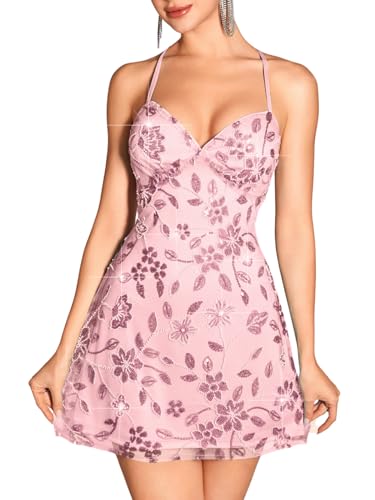
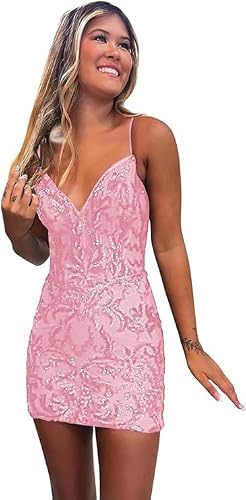
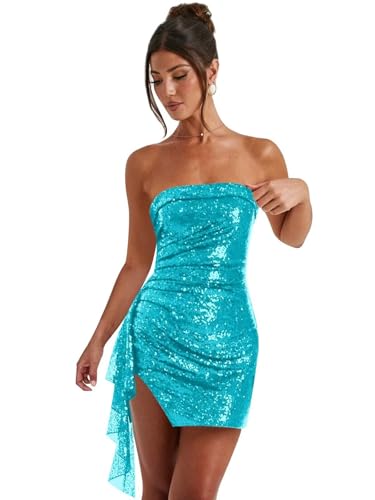
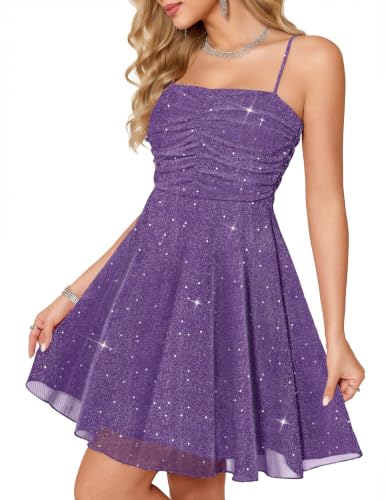
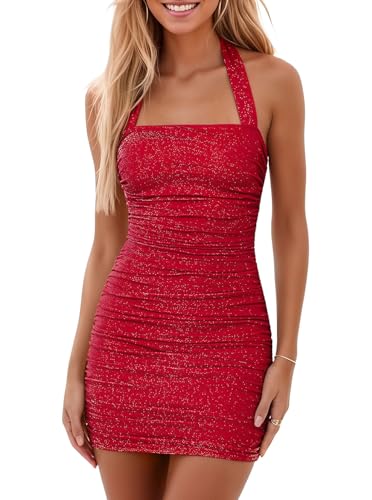
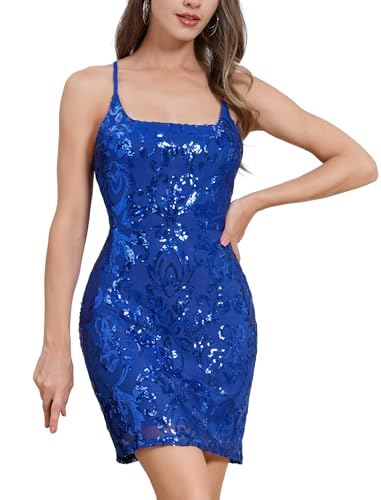
sparkly homecoming dresses cover homecoming dresses that use sequins, glitter knit, rhinestones, crystals, metallic thread, beads, shimmer mesh, or reflective satin. The product grid may contain sequin minis, glitter corset dresses, rhinestone bodycon styles, beaded A-lines, metallic fit-and-flare dresses, shimmer long gowns, sparkle sleeves, and plus-size options. Filter first by the school or organizer’s actual dress code, wearer, garment type, and required hem; then compare the selected seller, current measurements, fabric, lining, closure, delivery estimate, and return eligibility.This page separates its exact shopping intent from nearby homecoming, prom, cocktail, formal, and party categories. It should avoid treating every reflective finish as the same, ignoring shedding or snagging, choosing by flash photographs alone, and assuming embellishment guarantees quality. The article uses garment construction, length, coverage, movement, age or size context, venue, and wearer role so the category does not become a list of interchangeable dress terms.Related paths include homecoming dresses, red homecoming dresses, royal blue homecoming dresses, and lace homecoming dresses. Each link answers a different shopping question and helps the shopper move between the broad homecoming hub and a more specific color, hem, fit, fabric, retailer, or styling decision.








Alex Evenings Women’s Long Cold Shoulder Dress (Petite and Regular Sizes)
Original price was: $159.00.$127.20Current price is: $127.20.


Frequently Asked Questions About Sparkly Homecoming Dresses
What counts as a sparkly homecoming dress?
Sequins, glitter knit, rhinestones, crystals, metallic thread, beads, shimmer mesh, and reflective satin can create sparkle.
Are sequins and glitter the same?
No. Sequins are attached discs, while glitter may be woven, bonded, or printed onto fabric.
How can I check whether sparkle will shed?
Rub a hidden area lightly, inspect packaging after handling, and review the care and construction details.
Do sparkly dresses photograph differently under flash?
Yes. Reflective surfaces can look much brighter and may reveal cups, seams, lining, or color shifts.
Can a sparkly dress be comfortable for dancing?
Yes when underarms are smooth, lining protects the skin, the weight is supported, and movement remains unrestricted.
Are sparkly dresses difficult to alter?
They can be because sequins, beads, stones, and metallic finishes may cross seams and hems.
What jewelry works with a sparkly dress?
Use restrained pieces that match visible hardware and do not compete with the main surface.
How should embellishment be inspected?
Check for loose threads, missing stones, exposed glue, sharp edges, color gaps, and strain near closures.
What should be verified before ordering?
Check embellishment type, lining, stretch, seller, measurements, delivery, returns, and school rules.
What Counts in This Category
Sparkly Homecoming Dresses cover homecoming dresses that use sequins, glitter knit, rhinestones, crystals, metallic thread, beads, shimmer mesh, or reflective satin. The assortment may include sequin minis, glitter corset dresses, rhinestone bodycon styles, beaded A-lines, metallic fit-and-flare dresses, shimmer long gowns, sparkle sleeves, and plus-size options. The category is useful only when the selected garment supports the label through its actual length, fabric, lining, construction, coverage, and fit rather than through a retailer title alone.
This page should exclude treating every reflective finish as the same, ignoring shedding or snagging, choosing by flash photographs alone, and assuming embellishment guarantees quality. Treat sparkly homecoming dresses as a commercial comparison category with a defined homecoming purpose. The goal is to help a U.S. shopper remove unsuitable styles early, then compare the remaining options by measurements, dance performance, school rules, seller, delivery, and return eligibility.
Homecoming, Prom, Semi-Formal, and Party Intent
Homecoming is commonly a school or community semi-formal event, but traditions vary by district, region, grade level, and venue. Compared with prom, homecoming often supports shorter hems, lighter construction, and easier movement. Sparkle can appear on short, midi, high-low, or long options when the complete garment fits local homecoming practice.
Use the invitation or ticket wording, the school or organizer’s written policy, and local examples from prior events when available. A retailer label cannot make a beach dress, club-only mini, bridal gown, pageant dress, or black-tie gown appropriate for a different event. Choose the least casual interpretation that still matches the actual homecoming setting.
Where These Dresses Are Worn
Typical settings include homecoming dances, school semi-formals, fall parties, banquets, and photo-heavy youth events where shine and the garment’s coverage meet the rules. Each setting can change the acceptable hem, exposure, sleeve, shoe, and fabric. A school gym may be hot and crowded, a hotel ballroom may permit stronger evening styling, and a religious-school event may require more coverage.
Match the garment to the longest and most restrictive part of the schedule. Transportation, check-in, photographs, seated announcements, dinner, stairs, dancing, restroom use, and outdoor waiting can reveal problems hidden by a catalog pose. The right option remains secure and manageable from arrival through departure.
Silhouettes, Proportion, and Body Movement
Common options include A-line, fit-and-flare, bodycon, sheath, corset, skater, high-low, long column, and embellished two-piece silhouettes. These shapes distribute ease differently. A fitted skirt needs seated hip room, an A-line needs a stable waist and bodice, a wrap requires reliable overlap, and a corset or fixed-cup design depends on correct torso and bust placement.
Inspect the dress from front, side, and back after sitting for ten minutes. Horizontal pull lines, zipper waves, a climbing waist seam, twisting side seams, opening wrap edges, or a skirt that rides upward indicate a pattern mismatch. Jewelry, shapewear, and fashion tape cannot correct the underlying cut.
Hem Length, Slits, and School Rules
Sparkle appears at mini, knee, midi, high-low, and long lengths; reflective surfaces make uneven hems, exposed linings, and shifting slits visible.
Compare the listed garment measurement with a dress already owned, then repeat the check while seated and with both arms raised. Read school policies literally and confirm borderline hems, slits, backs, cutouts, or midriff exposure before alteration. Choose the final shoes before approving a hem.
Fabrics, Lining, and Surface Finish
Sequined mesh, glitter knit, rhinestone jersey, beaded tulle, metallic jacquard, lurex-like knits, shimmer satin, and crystal-trimmed crepe have different weight and abrasion risks.
Inspect daylight and flash photographs for transparency, cling, static, shedding, pilling, scratchy edges, seam strain, and exaggerated shine. The final product page should identify the fabric, lining, care instructions, and exact color or size variation. Reject an option when the lining is shorter, tighter, or less mobile than the outer layer.
Closures, Support, and Construction Quality
Embellishment needs secure stitching or attachment, a protective lining, reinforced straps, stable zippers, finished underarms, and seams that can support the added weight.
Test every zipper, hook, snap, button, tie, and strap before removing tags. Check cup alignment, slit reinforcement, seam finishing, bead security, and whether skirt weight pulls the bodice downward. A low listing price loses its advantage when emergency repair, replacement, or extensive tailoring is required.
Necklines, Backs, and Bra Planning
Strapless, sweetheart, square, halter, one-shoulder, cowl, and open-back sparkle dresses need enough structure to prevent heavy embellishment from pulling the neckline down.
Fit the dress with the intended bra, cups, tape, or base layer. Examine the neckline from side and back views and confirm that straps or adhesive wings remain concealed. Fashion tape is a finishing aid, not the main structure holding a wrong-size bodice in place.
Sleeves, Straps, and Arm Mobility
The assortment may include sleeveless, cap, flutter, puff, sheer mesh, lace, three-quarter, and long sleeves. Sleeve and strap comfort depends on shoulder width, armhole depth, upper-arm circumference, elbow movement, cuff opening, and whether the lining stretches with the outer fabric.
Reach forward, cross the arms, lift a bag, raise both hands, and try the planned coat or jacket. Tight outerwear can move an off-shoulder neckline, crush texture, or catch embellishment. Return a dress with restricted movement rather than assuming delicate mesh, lace, or sequined fabric will loosen safely.
Sizing and Measurements
Sequin and beaded dresses may have less stretch than the base fabric suggests, so the shopper should size from the rigid embellished area, lining, waistband, or sleeve.
Record current body measurements in the planned undergarments and compare them with the exact seller chart. Choose from the least flexible area—a rigid bodice, fixed waistband, lined sleeve, fitted hip, or molded cup—rather than from a generous skirt. Reviews are most useful when they include height, measurements, purchased size, and the exact variation.
Color, Undertone, and Event Photography
Silver, gold, rose gold, red, royal blue, black, pink, purple, green, and multicolor sparkle can shift sharply under flash and colored dance-floor lighting.
Compare the selected swatch with customer photographs and inspect the received dress in daylight, warm indoor light, and flash. Check whether cups, seams, lining, or undergarments become visible. Coordinate shoes, jewelry, corsages, makeup, and outerwear with the actual fabric rather than the category name.
Season, Venue, Transportation, and Outerwear
Homecoming season can combine warm dance floors with cool evening arrivals, rain, wind, grass, gravel, long walks from parking, strong air conditioning, or crowded coat areas. Fabric weight and coverage should be chosen for the complete route rather than the calendar alone.
Plan an outer layer that fits over sleeves, bows, corsetry, sequins, or textured fabric without moving the neckline. Confirm coat storage and whether the layer can be carried easily. Shoes and hems must work across every surface from parking and photographs to the dance floor.
The Fifteen-Minute Movement Test
Homecoming involves more than standing for photographs. Walking, stairs, check-in, seated announcements, dining, dancing, reaching, restroom use, and transportation expose problems that a quick mirror fitting can miss.
Wear the complete outfit for at least fifteen minutes. Sit, bend, step up, turn, raise both arms, walk quickly, and practice realistic dance movements. Reject repeated adjustment, restricted breathing, unstable straps, exposed lining, a climbing skirt, or a hem that cannot be managed safely.
Bras, Slips, Shorts, and Shapewear
The correct base layer depends on the exact neckline, fabric, hem, and wearer preference. Bras, slips, camisoles, dance shorts, hosiery, or shapewear should solve a defined need such as support, opacity, friction, or comfort rather than follow a universal rule.
Use skin-tone layers when invisibility is required and test them under daylight and flash. Sit long enough to see whether bands roll, seams mark the dress, or compression restricts breathing and restroom access. Do not size down or use shapewear to force an incorrect bodice, waist, sleeve, or hip pattern to fit.
Shoes, Bags, Jewelry, and Corsages
Block heels, low heels, dress flats, secure sandals, pumps, and stable platforms can all work when matched to the venue surface and garment length. A compact bag should hold a phone, ID, ticket, and essentials without snagging lace, sequins, or beading.
Match metal finishes to visible hardware, beadwork, or embellishment and avoid jewelry that competes with a detailed neckline. Practice walking in the shoes before the event. Accessories should complete the outfit, not conceal an unsuitable hem, weak support, or uncomfortable construction.
Petite, Tall, Plus, Junior, and Adaptive Fit
Homecoming options should be evaluated through actual proportions and access needs rather than body-type rules. Petite, tall, plus, junior, junior-plus, maternity, and adaptive shoppers may need different torso lengths, sleeve positions, closure access, hem measurements, and mobility clearance in the same visual style.
Look for size-specific photographs and garment dimensions when available. Consider sensory comfort, mobility devices, independent dressing, and restroom access. Select the pattern block that starts closest to the wearer’s shoulders, torso, arms, waist, and seat instead of budgeting to rebuild several landmarks.
Alterations and Decoration Limits
Plain hems, straps, and limited side-seam changes are usually more manageable than lace borders, sequins, corset seams, cups, boning, sleeves, high-low layers, velvet, bias satin, and beaded mesh. Decoration can cross the exact seam or hem that needs adjustment.
Get a tailoring estimate before the return deadline and bring the final shoes and base layers to every fitting. Return a dress that misses several structural measurements. Rebuilding the bust, moving the waist, enlarging sleeves, or shortening a decorated hem can cost more than choosing a better starting style.
Seller, Delivery, Returns, and Total Cost
A category page can combine marketplace sellers with different fabrics, size charts, delivery estimates, and return rules. Current price is only one part of value; shipping, tax, return fees, alterations, undergarments, shoes, steaming, cleaning, and replacement risk determine the actual cost.
Save the selected seller, color, size chart, delivery estimate, and policy at checkout. Order early enough for inspection, exchange, policy review, and one failed option. Final-sale purchases require verified measurements and acceptable color risk; a discount is not useful when the dress arrives late or cannot be returned after a failed fitting.
Sequins, Glitter, Rhinestones, and Beading
Sequins are stitched discs, glitter can be woven, bonded, or printed, rhinestones may be sewn or glued, and beads add weight and texture. These finishes differ in durability, stretch, scratch level, care, and alteration difficulty.
Inspect close-up images and the received dress for loose threads, missing stones, bare adhesive, sharp edges, shedding, and color gaps. Rub a hidden area lightly and test the underarms against bare skin or the planned layer before removing tags.
Flash, Dance-Floor Light, and Photo Control
Reflective dresses can look very different under phone flash, gym lighting, colored LEDs, and daylight. Silver may appear white, black sequins may reflect blue or green, and a glitter fabric can reveal cups, seams, or lining that were not visible in the catalog image.
Photograph the dress from front, side, and back in daylight and flash. Turn slightly to see how the surface changes, and check group-photo contrast. Choose jewelry that does not create a second competing sparkle pattern.
Final Homecoming Dress Checklist
Before ordering from sparkly homecoming dresses, confirm the event wording, school rules, venue, date, wearer role, current measurements, garment length, fabric, lining, closure, support plan, seller, delivery date, return terms, and likely alteration work. Remove styles that fail a non-negotiable requirement before comparing trend details.
After arrival, inspect the selected dress in daylight and flash, test every closure, and rehearse sitting, walking, stairs, reaching, dancing, restroom use, transportation, and outerwear. Keep it only when it stays secure without repeated adjustment and satisfies the specific homecoming purpose described on this page.