
Modest Homecoming Dresses
modest homecoming dresses cover homecoming dresses chosen for intentional coverage, secure movement, school rules, religious preferences, or personal comfort. The product grid may contain knee and midi A-lines, high-neck dresses, short- and long-sleeve lace styles, opaque chiffon, jacket dresses, modest maxis, higher backs, and controlled slits. Filter first by the school or organizer’s actual dress code, wearer, garment type, and required hem; then compare the selected seller, current measurements, fabric, lining, closure, delivery estimate, and return eligibility.This page is designed to separate its exact shopping intent from nearby homecoming, prom, cocktail, formal, and party categories. It should avoid treating modest as one universal hemline, relying on casual cover-ups, or using product labels instead of actual measurements and opacity. The article uses garment construction, length, coverage, movement, age or size context, venue, and wearer role so the category does not become a list of interchangeable dress terms.Related paths include homecoming dresses, long-sleeve homecoming dresses, long homecoming dresses, and lace homecoming dresses. Each link answers a different shopping question and helps the shopper move between the broad homecoming hub and a more specific fit, fabric, sleeve, length, or color decision.
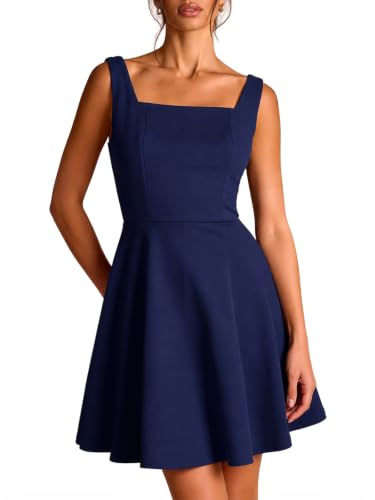
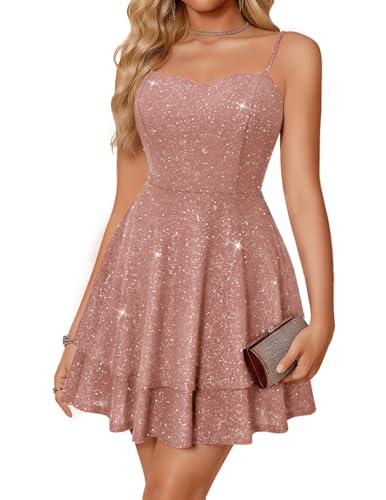
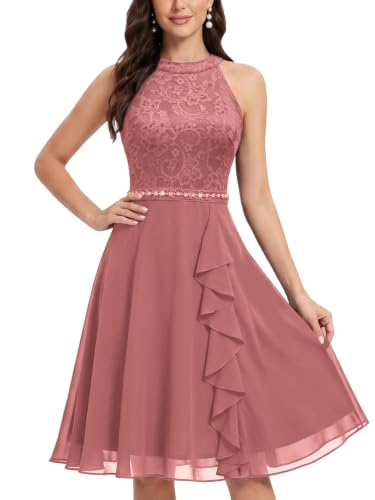

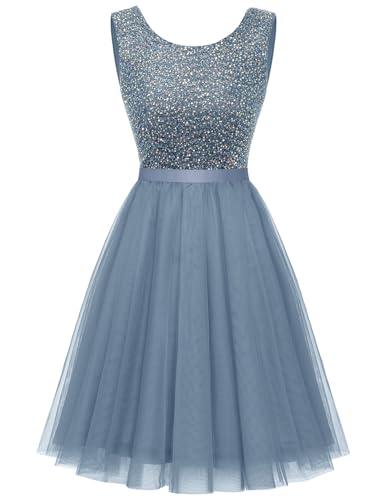



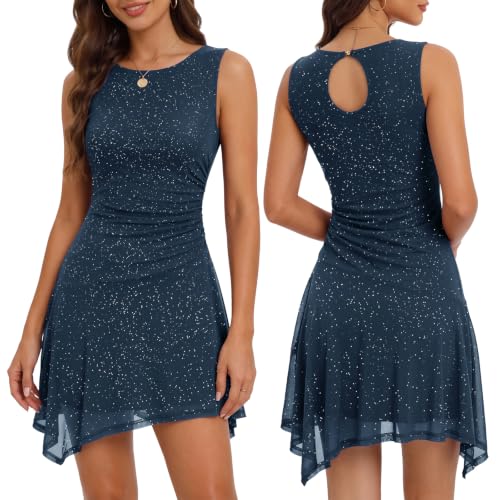


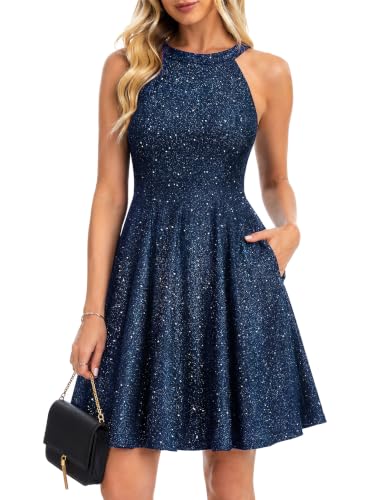
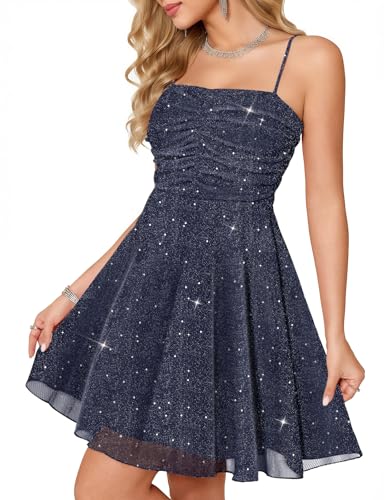


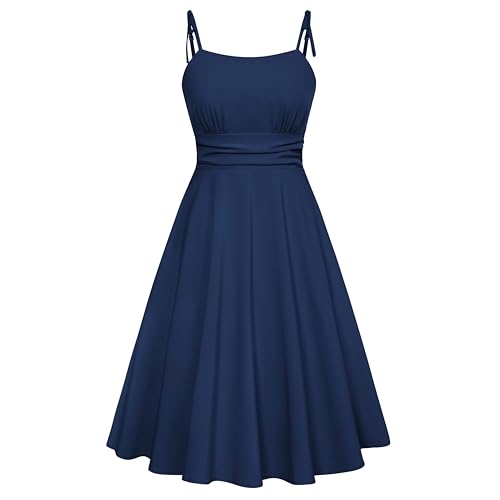
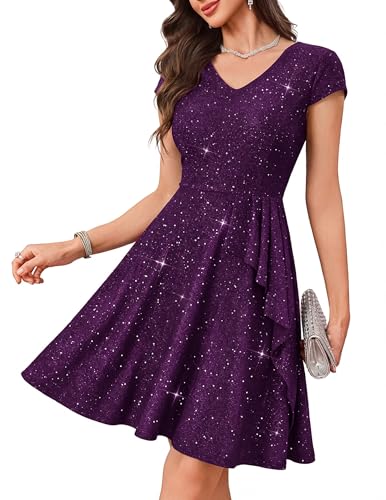

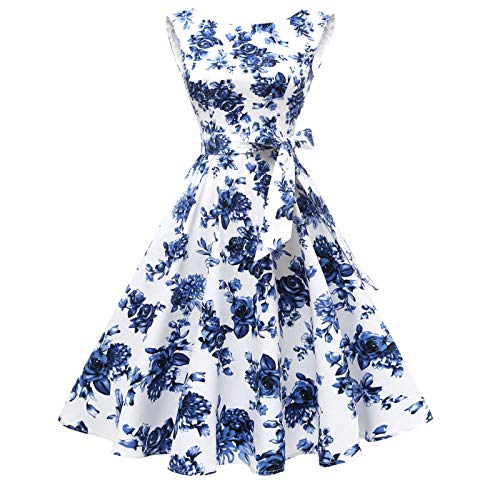


Frequently Asked Questions About Modest Homecoming Dresses
What makes a homecoming dress modest?
The answer depends on the wearer, family, faith, and school; define measurable hem, neckline, back, sleeve, slit, and opacity requirements.
Can a modest homecoming dress be short?
Yes when the hem and seated coverage meet the wearer’s requirements and the event rules.
Do modest homecoming dresses need sleeves?
Not always. Coverage may come from neckline, back, hem, opaque panels, or an intentional formal layer.
Can a long dress be modest but still homecoming-appropriate?
Yes when it is manageable and not constructed like an oversized prom, bridal, or pageant gown.
How should school rules be checked?
Measure the received dress on the wearer while standing, seated, bending, and raising both arms.
Can a jacket or bolero add coverage?
Yes when it looks intentional, stays in place, and does not make the outfit too hot or move the neckline.
How should opacity be tested?
Photograph the dress in daylight and flash and check the lining, cups, side panels, and undergarments.
Can modest dresses be altered?
Many can, but adding fabric, sleeves, or panels is often harder than shortening straps or a plain hem.
What should be verified before purchase?
Check the exact coverage rules, seller, measurements, fabric, lining, hem, delivery, returns, and alterations.
What Counts in This Category
Modest Homecoming Dresses cover homecoming dresses chosen for intentional coverage, secure mobility, school rules, religious preferences, or personal comfort. The listing grid may include knee and midi A-lines, high-neck dresses, short- and long-sleeve lace styles, opaque chiffon, jacket dresses, modest maxis, higher backs, and controlled slits. The category is useful only when the selected garment supports the label through its actual length, fabric, lining, construction, coverage, and fit rather than through a retailer title alone.
This page should exclude treating modest as one universal hemline, relying on casual cover-ups, or using listing labels instead of actual measurements and opacity. Treat modest homecoming dresses as a commercial comparison category with a defined homecoming purpose. The goal is to help a U.S. shopper remove unsuitable listings early, then compare the remaining options by measurements, mobility, school rules, retailer, delivery, and return eligibility.
Homecoming, Prom, Semi-Formal, and Party Dresses
Homecoming is commonly a school or community semi-formal event, but traditions vary by district, region, grade level, and venue. Compared with prom, homecoming often supports shorter hems, lighter construction, and easier dance mobility; however, homecoming dresses chosen for intentional coverage, secure mobility, school rules, religious preferences, or personal comfort can include polished midi or long options when local practice permits them.
Use three pieces of evidence: the invitation or ticket wording, the school or organizer’s written rules, and photographs or examples from prior events when available. A dress cannot be made homecoming-appropriate by accessories if its construction is clearly beach-casual, club-only, bridal, pageant-level, or black-tie. Narrow to the least casual interpretation that still fits the actual event.
Where These Dresses Are Worn
Typical settings include school dances, religious-school events, youth banquets, family celebrations, alumni functions, and homecoming traditions with specific coverage expectations. Each setting can change the acceptable hem, exposure, sleeve, shoe, and fabric. A school gym may be hot and crowded, a hotel ballroom may permit stronger evening styling, and a religious-school event may require more coverage.
Match the garment to the longest and most restrictive part of the schedule. Transportation, check-in, photographs, seated announcements, dinner, stairs, dancing, restroom use, and outdoor waiting can reveal problems hidden by a listing pose. The correct dress should remain secure and manageable through the complete route.
Silhouettes and Body Movement
Common options include A-line, fit-and-flare, sheath, wrap, empire, tea-length, high-low, jacket dress, and controlled maxi. These shapes distribute ease differently. A fitted skirt needs seated hip room, an A-line needs a stable waist and bodice, a wrap requires reliable overlap, and a corset or fixed-cup design depends on correct torso and bust placement.
Assess the selected outfit from front, side, and back after sitting for ten minutes. Zipper waves, horizontal pull lines, a waist seam that climbs, twisting side seams, a wrap edge that opens, or a skirt that rides up indicate a pattern mismatch. Jewelry, shapewear, and fashion tape cannot correct the underlying cut.
Homecoming Hem Length and School Rules
The category can include knee, below-the-knee, midi, tea, high-low, ankle, and floor lengths. Length labels are not standardized: a listed mini, midi, or maxi can land differently according to wearer height, torso length, skirt construction, and the selected size. Slits, wrap fronts, curved hems, and ruffles also change coverage in motion.
Measure shoulder-to-hem or waist-to-hem against a dress already owned, then repeat the check while seated and with both arms raised. Read school policies literally and confirm borderline slits, backs, or hems before alteration. Narrow to the final shoes before approving a hem, especially for stairs, grass, bleachers, and dance floors.
Fabrics, Lining, and Surface Finish
Relevant fabrics include opaque crepe, chiffon with full lining, lace, satin, velvet, jacquard, ponte, georgette, and refined jersey. Their suitability depends on density, lining, recovery, texture, and finish rather than the fiber name alone. Satin can expose seam tension, chiffon may hide a tight lining, stretch velvet can have rigid sleeves, and sequins can scratch the underarm or snag outerwear.
Inspect daylight and flash photographs for transparency, cling, static, pilling, shedding, seam strain, and exaggerated shine. The exact retailer page should identify material, lining, care, and the chosen color or size variation. Select another garment when the lining is shorter, tighter, or less mobile than the outer layer.
Closures, Support, and Construction Quality
Useful construction details include higher backs, stable necklines, opaque panels, secure sleeves, reinforced slits, full linings, covered zippers, and controlled waist seams. These features determine whether the selected outfit performs through several hours of mobility. Decorative boning may not provide support, a lace-up back may still need correct torso length, and stretch fabric does not guarantee a strong zipper or stable neckline.
Test every zipper, hook, snap, button, tie, and strap before removing tags. Check slit reinforcement, cup alignment, seam finishing, bead security, and whether skirt weight pulls the bodice downward. A low listing price loses its advantage when emergency repair, replacement, or extensive tailoring is required.
Necklines and Bra Planning
Common necklines include crew, jewel, bateau, square, modest V-neck, scoop, high neck, illusion with opaque backing, and wrap. Each requires different bust depth, side coverage, back height, shoulder pressure, and support. A neckline that appears controlled on a pinned model can spread, roll, gape, or drop when the student sits, hugs, or raises both arms.
Fit the selected outfit with the intended bra, cups, tape, or base layer. Assess the neckline from side and back views and confirm that straps or wings remain concealed. Fashion tape is a finishing aid, not the main structure holding a wrong-size bodice in place.
Sleeves, Straps, and Arm Mobility
The assortment may include cap, short, flutter, elbow, three-quarter, lace, mesh with lining, and long sleeves. Sleeve and strap comfort depends on shoulder width, armhole depth, upper-arm circumference, elbow mobility, cuff opening, and whether the lining stretches with the outer fabric.
Reach forward, cross the arms, lift a bag, raise both hands, and try the planned coat or jacket. Tight outerwear can move an off-shoulder neckline, crush texture, or catch embellishment. Select another garment with restricted mobility rather than assuming delicate mesh, lace, or sequined fabric will loosen safely.
Sizing and Measurements
Important measurements include shoulder-to-hem, seated hem, neckline depth, back height, sleeve circumference, torso, bust, waist, hips, and slit height. Numerical, alpha, juniors, junior-plus, women’s-plus, petite, tall, and marketplace sizes use different pattern blocks. The familiar number on a label is less reliable than the exact retailer chart and the garment’s least flexible area.
Record current body measurements in the planned undergarments. Choose from a rigid bodice, fixed waistband, lined sleeve, fitted hip, or fixed cup rather than from a generous skirt. Reviews are most useful when they identify height, body measurements, purchased size, and the exact listing variation.
Color, Undertone, and Event Photography
Color options can include black, navy, burgundy, emerald, purple, pink, blue, floral, metallic accents, and other school-approved shades. Shade names and online images are not standardized, and satin shine, velvet pile, sequins, lining, and camera processing can alter the result. School colors, themed events, team traditions, and coordinated groups may also reserve certain shades.
Compare the selected swatch with customer photographs and inspect the received dress in daylight, warm indoor light, and flash. Check whether cups, seams, lining, or undergarments become visible. Coordinate shoes, jewelry, corsages, and outerwear with the actual fabric rather than the category label.
Season, Venue, and Outerwear
Homecoming season can combine warm dance floors with cool evening arrivals, rain, wind, grass, gravel, salted sidewalks, strong air conditioning, or long walks from parking. Fabric weight and coverage should be chosen for the complete route rather than the calendar alone.
Plan an outer layer that fits over sleeves, bows, corsetry, sequins, or textured fabric without moving the neckline. Confirm coat storage and whether the layer can be carried easily. Shoes and hems must work on every surface from arrival through departure.
The Fifteen-Minute Movement Test
Homecoming involves more than standing for photographs. Walking, stairs, check-in, seated announcements, dining, dancing, reaching, restroom use, and transportation expose problems that a quick mirror fitting can miss.
Wear the complete outfit for at least fifteen minutes. Sit, bend, step up, turn, raise both arms, walk quickly, and practice dance mobility. Reject repeated adjustment, restricted breathing, unstable straps, exposed lining, a climbing skirt, or a hem that cannot be managed safely.
Bras, Slips, Shorts, and Shapewear
The correct base layer depends on the exact neckline, fabric, hem, and wearer preference. Bras, slips, camisoles, dance shorts, hosiery, or shapewear should solve a defined need such as support, opacity, friction, or comfort rather than follow a universal rule.
Use skin-tone layers when invisibility is required and test them under daylight and flash. Sit long enough to see whether bands roll, seams mark the selected outfit, or compression restricts breathing and restroom access. Do not size down or use shapewear to force an incorrect bodice, waist, sleeve, or hip pattern to fit.
Shoes, Bags, Jewelry, and Corsages
Block heels, low heels, dress flats, secure sandals, pumps, and stable platforms can all work when matched to the venue surface and the selected outfit length. A compact bag should hold a phone, ID, ticket, and essentials without snagging lace or sequins.
Match metal finishes to visible hardware, beadwork, or embellishment and avoid jewelry that competes with a detailed neckline. Practice walking in the shoes before the event. Accessories should complete the outfit, not conceal an unsuitable hem, weak support, or uncomfortable construction.
Petite, Tall, Plus, Junior, and Adaptive Fit
Homecoming options should be evaluated through actual proportions and access needs rather than body-type rules. Petite, tall, plus, junior, junior-plus, maternity, and adaptive shoppers may need different torso lengths, sleeve positions, closure access, hem measurements, and mobility clearance in the same visual style.
Look for size-specific photographs and garment dimensions when available. Consider sensory comfort, mobility devices, independent dressing, and restroom access. Select the pattern block that starts closest to the student’s shoulders, torso, arms, waist, and seat instead of budgeting to rebuild several landmarks.
Alterations and Decoration Limits
Plain hems, straps, and limited side-seam changes are usually more manageable than lace borders, sequins, corset seams, cups, boning, sleeves, high-low layers, velvet, bias satin, and beaded mesh. Decoration can cross the exact seam or hem that needs adjustment.
Get a tailoring estimate before the return deadline and bring the final shoes and base layers to every fitting. Select another garment that misses several structural measurements. Rebuilding the bust, moving the waist, enlarging sleeves, and shortening a decorated hem can cost more than choosing a better starting style.
Seller, Delivery, Returns, and Total Cost
The category page can combine marketplace retailers with different fabrics, size charts, delivery estimates, and return rules. Current price is only one part of value; shipping, tax, return fees, alterations, undergarments, shoes, steaming, cleaning, and replacement risk determine the actual cost.
Save the selected retailer, color, size chart, delivery estimate, and policy at checkout. Order early enough for inspection, exchange, policy review, and one failed option. Final-sale purchases require verified measurements and acceptable color risk; a discount is not useful when the selected outfit arrives late or cannot be returned after a failed fitting.
Modest Is a Set of Measurable Requirements
Modest can mean different things to a student, family, faith community, or school. Translate the preference into measurable requirements such as minimum hem, maximum neckline depth, covered shoulders, sleeve length, back height, opaque midriff, and slit position. A listing title alone cannot establish compliance.
Measure the received dress on the student in the event footwear and undergarments. Check front, side, and back views while standing, seated, bending, and raising both arms. A dress that meets the rule only when standing still is not a reliable homecoming option.
Layering Without Making the Outfit Accidental
A fitted mesh underlayer, formal bolero, tailored jacket, dressy shawl, or opaque slip can add coverage when it looks intentional and remains comfortable. A casual cardigan, visible T-shirt, or emergency safety pin may lower the selected outfit code or shift during dancing.
Approve the base dress and the layer as one outfit. Test whether the layer changes the neckline, bunches at the waist, catches lace, or causes overheating. When a dress requires several improvised fixes to meet the rule, choosing a better starting garment is usually safer and more polished.
Final Homecoming Dress Checklist
Before ordering from modest homecoming dresses, confirm the event wording, school rules, venue, date, wearer role, current measurements, garment length, fabric, lining, closure, support plan, retailer, delivery date, return terms, and likely alteration work. Remove listings that fail a non-negotiable requirement before comparing trend details.
When the order arrives, inspect the modest homecoming dresses option in daylight and flash, test every closure, and rehearse sitting, walking, stairs, reaching, dancing, restroom use, transportation, and outerwear. Keep it only when it stays secure without repeated adjustment and satisfies the specific homecoming purpose described on this page.