
Petite mother of the bride gowns
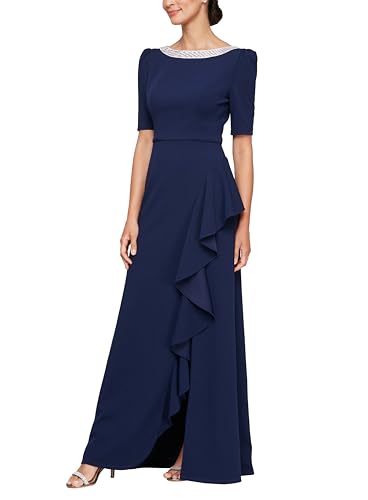
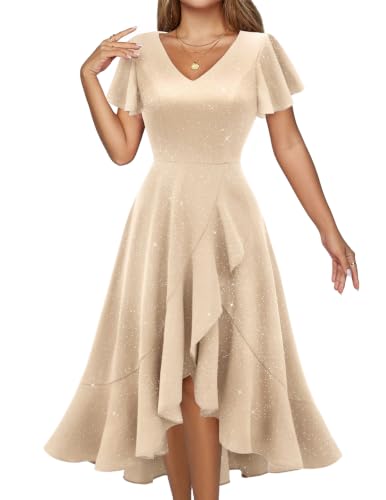
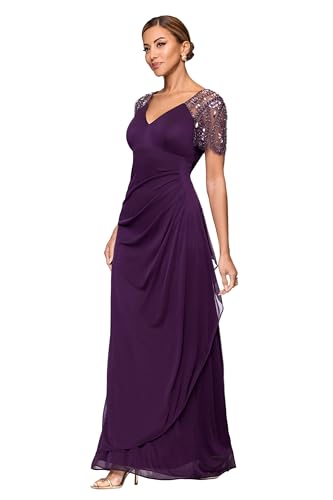
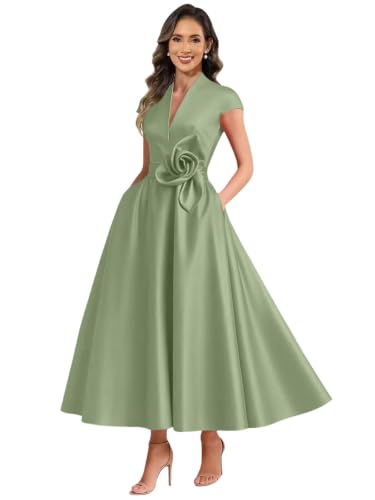
Shop elegant petite mother of the bride gowns for formal weddings, black-tie celebrations, evening receptions, ballroom ceremonies, and traditional family occasions. Explore floor-length and ankle-length gowns in petite proportions, including chiffon, lace, crepe, satin, beaded, sleeved, cape, jacketed, A-line, column, and fit-and-flare styles.
A true petite gown should offer more than a shorter hem. The shoulders, bodice, waist, sleeves, decorative details, and skirt proportions should also suit a shorter frame. Check the selected size, garment measurements, fabric, delivery date, and return terms before ordering. For midi, tea-length, cocktail, and less formal options, browse our broader petite mother of the bride dresses.





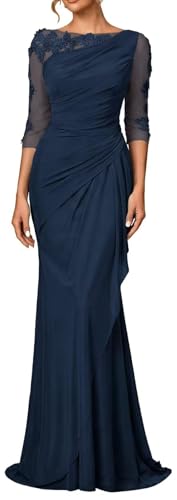
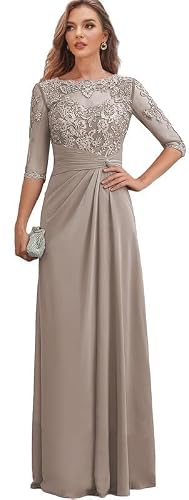





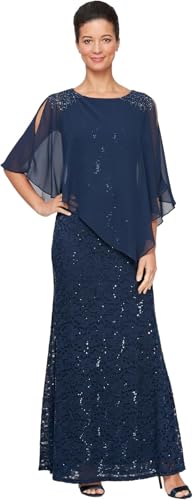


Petite Mother of the Bride Gowns: Frequently Asked Questions
What is a petite mother of the bride gown?
A petite mother of the bride gown is a formal, usually floor-length or ankle-length dress proportioned for a shorter frame. A genuine petite gown may adjust the bodice, waist, sleeves, armholes, skirt, and hem rather than simply shortening the bottom.
What is the difference between a petite gown and a petite dress?
Petite dresses include multiple lengths and dress codes, such as knee-length, midi, tea-length, cocktail, and long styles. Petite gowns are the more formal group and are usually floor length or near floor length for evening, black-tie, and formal weddings.
What height is petite sizing usually designed for?
Many brands create petite sizing for women around 5 feet 4 inches and under, but brand standards vary. Height alone does not determine fit, so compare your bodice, sleeve, waist-to-floor, and other measurements with the product size chart.
Is a regular size 4 the same as a petite size 4P?
No. The bust, waist, and hip measurements may be similar, but a 4P should have shorter and differently positioned vertical proportions through areas such as the bodice, waist, sleeves, and skirt.
Can a petite mother of the bride wear a floor-length gown?
Yes. A floor-length gown can look elegant on a petite frame when the bodice, waist, skirt volume, decorative placement, and hem are correctly proportioned. Professional hemming may still be necessary.
Can a petite gown be worn to a black-tie wedding?
Yes. A full-length petite gown in chiffon, crepe, satin, lace, velvet, tulle, or another elevated fabric can be appropriate for a black-tie or formal wedding when its color and styling match the event.
What gown silhouettes work for petite mothers of the bride?
A-line, column, sheath, empire-waist, wrap, fit-and-flare, trumpet, and properly proportioned mermaid gowns can all work. Correct waist, knee, flare, and hem placement matter more than following one universal silhouette rule.
Can petite mother of the bride gowns have sleeves?
Yes. Petite gowns are available with cap, short, flutter, three-quarter, long, lace, mesh, chiffon, and cape sleeves. Check both sleeve length and upper-arm measurements before ordering.
What fabric is best for a petite formal gown?
Chiffon and georgette provide soft movement, crepe creates clean lines, lace adds traditional detail, satin offers a polished evening finish, and beaded mesh creates formal sparkle. The best fabric depends on the season, venue, silhouette, and desired structure.
Are petite plus-size mother of the bride gowns available?
Some brands offer petite-plus or extended petite sizes. Petite and plus size describe different fit needs, so confirm that the gown provides both sufficient circumference and shorter vertical proportions.
Will a petite formal gown still require alterations?
It may. Petite sizing can reduce alteration needs, but hemming, sleeve shortening, waist shaping, strap adjustment, or neckline securing may still be necessary for an individual fit.
What colors work for a petite mother of the bride gown?
Navy, dusty blue, teal, emerald, plum, mauve, burgundy, silver, pewter, champagne, taupe, charcoal, and other colors that complement the wedding palette can work. Avoid bridal-looking shades unless the couple approves them.
Can the mother of the bride wear a black petite gown?
Yes. A black petite gown can look sophisticated for a formal or evening wedding. Since family and cultural preferences differ, confirm the color with the bride or couple.
What shoes should be worn with a petite formal gown?
Pumps, block heels, formal sandals, low heels, and dressy flats can all work. Choose the shoes before the final hem fitting so the gown is altered to the correct finished length.
How can I confirm that an online gown is genuinely petite?
Check for a petite size designation such as P, review the petite-specific size chart, compare the bodice and gown lengths, and read the manufacturer’s sizing information. The word petite in a product title is not sufficient by itself.
How early should a petite mother of the bride gown be ordered?
Order early enough to allow time for delivery, a complete try-on, exchanges, and professional alterations. Gowns with beadwork, lace, trains, or structured bodices may require additional tailoring time.
Elegant Petite Mother of the Bride Gowns for Formal Weddings
A formal gown can create a graceful and memorable wedding-day look for a petite mother of the bride when every part of the design is correctly proportioned. The best petite gown should not merely be a regular evening dress with several inches removed from the hem. Its shoulders, bodice, waist, sleeves, skirt, flare, embellishment, and overall scale should work together for a shorter frame.
This collection is intended for formal petite mother of the bride gowns, including floor-length and ankle-length styles for black-tie weddings, evening receptions, ballroom celebrations, church ceremonies, gala-style events, and other highly polished occasions.
Possible designs include flowing chiffon A-line gowns, softly tailored crepe columns, lace dresses with sleeves, beaded evening gowns, cape styles, one-shoulder gowns, jacketed formal outfits, empire-waist dresses, and controlled fit-and-flare silhouettes.
Start with the wedding dress code and venue. Then compare the gown’s genuine petite availability, bodice length, waist placement, sleeve measurements, skirt length, fabric, lining, color, delivery time, and alteration requirements.
What Qualifies as a Petite Mother of the Bride Gown?
For this category, a gown should normally be floor length, near-floor length, or formal ankle length. It should also be offered in genuine petite sizing or include reliable petite-specific measurements and proportions.
A product belongs in this collection when it meets both of these conditions:
- Formal gown intent: The style is appropriate for an evening, black-tie, formal, ballroom, gala, or traditional wedding.
- Petite fit intent: The garment is offered in petite sizing or is specifically proportioned for a shorter frame.
A size 0, 2, 4, or XS is not automatically petite. Those labels describe circumference, while petite sizing relates primarily to vertical proportions. A regular small gown can still be too long through the shoulders, torso, sleeves, waist, and skirt.
Likewise, a product title containing the word “petite” is not enough by itself. Confirm the selected variation, manufacturer sizing, size chart, garment length, or other reliable measurements.
Petite Gown vs. Petite Dress
“Petite mother of the bride dresses” is the broader category. It can include knee-length, midi, tea-length, ankle-length, and floor-length outfits for casual through formal weddings.
“Petite mother of the bride gowns” should describe the narrower formal collection. These are generally long evening styles intended for formal ceremonies, black-tie events, ballroom receptions, and elevated wedding dress codes.
Use this gown collection when you want:
- A floor-length or near-floor-length silhouette
- A formal evening appearance
- Black-tie or black-tie-optional styling
- Chiffon, crepe, lace, satin, velvet, tulle, or beaded formal fabric
- A refined gown for a ballroom, hotel, church, estate, or evening venue
- Petite proportions through more than the hem
For shorter dresses, cocktail styles, midi lengths, and tea-length outfits, visit the complete petite mother of the bride dresses collection.
What Does Petite Sizing Change in a Formal Gown?
Petite gown construction may adjust several areas of the garment. The exact changes vary by brand and design, so shoppers should always consult the individual size chart.
Shoulder and Bodice Length
A petite bodice is generally shorter between the shoulder and waist. This can help the neckline, bust shaping, waist seam, darts, and decorative details sit closer to their intended positions.
When a regular gown is too long through the bodice, the neckline may appear too low, the waist may fall near the upper hip, and the back or shoulders may wrinkle. Hemming the skirt will not correct those problems.
Waist Placement
The gown’s waist should sit where the designer intended. A natural-waist gown should meet your natural waist, while an empire seam should rest beneath the bust rather than across it.
Incorrect waist placement can change the shape of an A-line skirt, disrupt ruching, misplace embellishment, and make a fit-and-flare design begin too low.
Sleeve and Armhole Proportions
Petite sleeves may be shortened and the armholes may be adjusted. Three-quarter sleeves should end near the intended part of the forearm, and long sleeves should not cover the hands.
Check upper-arm circumference as well as sleeve length. A sleeve may be the correct length but still feel narrow or restrictive.
Skirt and Hem Length
A petite gown normally has a shorter hollow-to-hem or waist-to-floor measurement. However, the required finished length still depends on your height, body proportions, shoe height, and the shape of the skirt.
Even a genuine petite gown may need professional hemming. Petite sizing should reduce excessive alteration, not guarantee that every gown reaches exactly the correct point.
Placement of Decorative Details
Beading, lace appliqué, pleats, draping, ruching, slits, tier seams, mermaid flares, and overskirts should appear at deliberate points on the body. When a regular gown is shortened only from the bottom, these design details may remain positioned too low.
How to Measure for a Petite Formal Gown
Take fresh measurements rather than relying on the size you usually wear. Use the undergarments you expect to wear beneath the gown, and ask someone to help keep the measuring tape level.
Important measurements include:
- Full bust: Around the fullest part of the bust.
- Natural waist: Around the narrowest comfortable part of the torso.
- Full hip: Around the fullest part of the hips and seat.
- Shoulder width: Across the back between the natural shoulder points.
- Shoulder to waist: From the shoulder, over the bust, to the natural waist.
- Hollow to floor: From the hollow at the base of the neck to the floor.
- Waist to floor: From the natural waist to the floor.
- Upper-arm circumference: Around the fullest part of the upper arm.
- Sleeve length: From the shoulder point to the desired sleeve ending.
- Preferred finished length: Measured while wearing the intended shoes.
If the gown is highly fitted, also review the thigh, knee, and lower-skirt measurements. These are particularly important for sheath, mermaid, trumpet, and fitted column styles.
How a Petite Formal Gown Should Fit
The Neckline Should Remain Secure
Test the neckline while standing, sitting, leaning forward, and raising your arms. It should remain in place without revealing undergarments or requiring constant adjustment.
If a neckline appears deeper than shown on the model, the bodice may be too long for your frame. A discreet snap, fashion tape, or professional alteration may help, but structural neckline changes can be difficult on beaded or lace gowns.
The Shoulders Should Lie Smoothly
Shoulder seams should sit near the natural shoulder points. Fabric should not collapse, extend down the arm, or create excessive folds near the neckline and upper back.
This is especially important for gowns with cap sleeves, fitted sleeves, illusion panels, structured shoulders, or cape construction.
The Waist Should Sit Correctly
The waist seam, belt, ruching, or decorative waistband should align with the intended part of your torso. An incorrectly placed waist can make the entire skirt look unbalanced.
The Skirt Should Allow Movement
Walk, sit, climb a step, and turn while wearing the gown. A formal dress should create an elegant silhouette without preventing normal wedding-day movement.
Fitted skirts may require a slit, stretch fabric, or sufficient room through the knees. Full skirts should not contain so much fabric that they become difficult to control.
The Hem Should Be Safe
The finished hem should coordinate with your shoes and remain clear enough for safe walking. Practice walking forward, turning, and using stairs before the wedding.
Petite Gowns for Black-Tie Weddings
A black-tie wedding usually calls for a full-length formal gown or an equally elevated alternative. Petite women can wear dramatic evening styles, but the gown’s design should remain balanced and correctly positioned.
Black-tie details may include:
- Full-length A-line or column skirts
- Beaded bodices
- Sequined or metallic fabric
- Lace appliqué
- One-shoulder or asymmetric necklines
- Cape sleeves
- Formal draping or pleating
- Controlled mermaid or trumpet hems
- Elegant long sleeves
- Rich jewel tones or refined neutrals
A petite gown does not need to be plain. The key is to select embellishment, skirt volume, and decorative scale that support the overall silhouette rather than obscuring it.
For additional elevated designs across multiple size ranges, compare this collection with our formal mother of the bride dresses.
Petite Evening Gowns for the Mother of the Bride
Evening weddings allow deeper colors, richer fabrics, subtle shine, beading, long sleeves, and more dramatic silhouettes. Navy, charcoal, plum, burgundy, emerald, dark teal, silver, and other formal colors often work well under ballroom or reception lighting.
An evening gown should still coordinate with the wedding palette and the level of formality chosen by the couple. The mother of the bride does not need to match the bridesmaids exactly, but the outfit should feel connected to the overall celebration.
Explore further evening-focused options in our mother of the bride evening dresses.
Best Petite Gown Silhouettes
No single silhouette works for every petite woman. The best choice depends on your measurements, proportions, preferred structure, wedding dress code, and comfort.
A-Line Petite Gowns
An A-line gown follows the upper body and gradually widens toward the hem. It can provide formal movement without the full volume of a ball gown.
Check that the waist seam and skirt flare begin at the correct point. A-line chiffon, crepe, lace, and satin gowns can all work when the bodice and length are proportioned correctly.
Column and Sheath Gowns
A column or sheath gown creates a long, uninterrupted line. This can suit modern, formal, city, evening, and minimalist weddings.
The skirt should provide enough room through the hips and knees for sitting and walking. Stretch, a slit, or carefully placed seams can improve movement.
Fit-and-Flare Gowns
A fit-and-flare gown follows the body through the upper portion and expands lower in the skirt. On a petite frame, the point where the skirt begins to widen is especially important.
If the flare starts too low, the gown can look like a regular-length design that has not been properly proportioned.
Mermaid and Trumpet Gowns
Petite women can wear mermaid and trumpet gowns. The knee and flare must sit correctly, and the skirt must allow sufficient movement.
These styles can require more complex alteration than an A-line gown because changing the length may affect the flare, lace motifs, panels, or hem construction.
Empire-Waist Gowns
An empire-waist gown has a seam beneath the bust, allowing the skirt to fall from a higher point. Chiffon and georgette versions can create soft vertical movement.
The seam should rest beneath the bust rather than cutting across it. Compare the shoulder-to-underbust measurement whenever possible.
Wrap and Faux-Wrap Gowns
A wrap-style neckline can create soft definition through the bodice. Genuine wrap gowns may offer some adjustability, while faux-wrap gowns provide a fixed construction.
Test the neckline while moving and sitting. Secure it professionally if it opens more than intended.
One-Shoulder and Asymmetric Gowns
An asymmetric neckline can create a strong formal focal point without requiring heavy embellishment. The single shoulder and bodice should remain stable without twisting or slipping.
Cape Gowns
A cape or draped overlay can provide arm coverage and formal movement. Make sure the cape is proportioned to your height and does not interfere with your hands, chair, handbag, or walking.
Petite Mother of the Bride Gowns With Sleeves
Sleeves can provide coverage, seasonal warmth, and decorative interest. Petite construction matters because a regular sleeve may be too long even when the gown fits elsewhere.
Cap and Short Sleeves
Cap and short sleeves can work for spring, summer, formal daytime, and indoor evening weddings. Check the sleeve opening and shoulder position to ensure comfortable movement.
Flutter Sleeves
Flutter sleeves create soft movement and usually fit less closely around the upper arm. They are common on chiffon and romantic A-line gowns.
Three-Quarter Sleeves
Three-quarter sleeves offer coverage while leaving the wrist visible. On a petite gown, they should not extend so far that they appear full length.
Long Sleeves
Long lace, mesh, chiffon, crepe, or velvet sleeves can suit evening, fall, winter, church, and black-tie weddings. Check the sleeve length, cuff, shoulder, and upper-arm measurements.
Browse more coverage-focused styles in our long-sleeve mother of the bride dresses, then confirm petite sizing on the individual product.
Illusion Sleeves
Illusion mesh with lace appliqué or beadwork can provide visual coverage while keeping the gown lighter than a solid sleeve. Check the color and softness of the mesh against your skin.
Petite Gowns With Jackets, Shawls and Overlays
A jacket, bolero, cape, wrap, shawl, or chiffon duster can make a formal gown more adaptable. The layer may be worn during the ceremony, religious service, outdoor photographs, or cooler evening portions of the celebration.
Check:
- Whether the layer is included
- Shoulder width
- Sleeve length
- Upper-arm circumference
- Jacket or overlay length
- Closure position
- Whether the fabric and embellishment match the gown
A short bolero can preserve visible waist definition, while a properly proportioned long jacket can create a continuous vertical line. Either may work when the scale fits the wearer.
Best Fabrics for Petite Formal Gowns
Chiffon
Chiffon creates soft movement and is frequently used for A-line skirts, sleeves, capes, jackets, and overlays. It can provide formal length without the visual weight of a highly structured fabric.
Check the lining because chiffon is usually sheer. Multiple lining and skirt layers may add more weight than expected.
Crepe
Crepe works well for modern columns, sheaths, one-shoulder gowns, wrap styles, and clean A-line silhouettes. Different crepes vary in weight, texture, and stretch.
Lace
Lace can add traditional wedding detail to the bodice, sleeves, jacket, overlay, or full gown. Consider the scale and placement of the lace motifs.
Allover lace or appliqué near the hem may make alterations more complex. Explore more designs in our lace mother of the bride dresses.
Satin
Satin provides a smooth, luminous surface suitable for formal and evening weddings. Lightweight satin can drape softly, while heavier satin creates more structure.
Because it reflects light, satin may reveal wrinkles, seams, and areas where the gown is too tight.
Georgette
Georgette creates flowing movement with a slightly more textured appearance than chiffon. It can work well for formal skirts, sleeves, and layered designs.
Beaded Mesh
Beaded mesh creates evening sparkle and texture. Review the weight of the embellishment and whether beadwork extends into areas that may require alteration.
Velvet
Velvet can create a rich appearance for fall, winter, holiday, and evening weddings. It may feel too warm for an outdoor summer celebration, so consider the venue temperature.
Tulle
Soft tulle may be used for overlays, sleeves, skirts, and embellished bodices. Several layers can create formal volume, but excessive fullness may require careful proportional balance.
Choosing the Best Color
Ask the bride or couple about the wedding palette, bridesmaid colors, dress code, and any shades they would prefer you to avoid. The mother of the bride usually does not need to match the wedding party exactly.
Navy and Midnight Blue
Navy is a versatile formal color for daytime, evening, ballroom, church, and black-tie weddings. It coordinates with many palettes and can look softer than black.
Browse further options in our navy blue mother of the bride dresses.
Dusty Blue and Slate Blue
Soft blue shades can suit spring, summer, garden, coastal, and romantic weddings while still appearing polished in a long gown.
Emerald, Teal and Green
Emerald, dark teal, sage, and forest green can work with botanical, jewel-tone, fall, winter, and evening wedding palettes.
Plum, Purple and Mauve
Plum, eggplant, lavender, violet, and mauve offer options ranging from soft daytime color to rich evening depth.
Burgundy and Wine
Burgundy, wine, berry, and cranberry can create a formal appearance for evening, autumn, and winter weddings.
Silver, Pewter and Charcoal
Silver and pewter gowns can look refined under evening lighting, particularly with beadwork, lace, or metallic thread.
Champagne, Taupe and Soft Gold
Warm neutrals can look elegant, but very pale champagne or gold may appear close to ivory under bright lighting. Confirm these shades with the bride before ordering.
Black
A black petite evening gown can look sophisticated for a formal wedding. Family and cultural preferences vary, so ask before selecting an all-black outfit.
White, Ivory and Cream
Avoid bridal-looking shades unless the couple has specifically approved them. Photography and natural light can make pale colors appear lighter than expected.
Petite Plus-Size Formal Gowns
Petite and plus size describe different fit needs. Petite relates mainly to vertical proportion, while plus size generally relates to body circumference. A shopper may require both.
A genuine petite-plus gown should provide sufficient room through the bust, waist, hips, upper arms, and shoulders while also shortening and repositioning the bodice, waist, sleeves, skirt, and decorative details.
Do not add a regular 20W, 22W, or 24W gown to this petite category unless the product is genuinely offered in petite-plus sizing or provides reliable petite proportions.
Alterations for Petite Evening Gowns
Even a petite gown may require tailoring. Common alterations include:
- Hemming the skirt
- Shortening sleeves
- Shortening straps
- Taking in the side seams
- Adjusting the waist
- Securing a wrap neckline
- Adding discreet snaps or hooks
- Adjusting a jacket or cape
- Creating a bustle for a train
More difficult alterations may include:
- Shortening the entire bodice
- Moving the waist seam
- Changing structured shoulders
- Repositioning a mermaid flare
- Shortening an allover beaded skirt
- Moving lace appliqué
- Changing a heavily constructed neckline
Choose a gown that fits the shoulders, bodice, waist, and hips as closely as possible. Ask a formalwear tailor about complex alterations before the return period expires.
How to Style a Petite Mother of the Bride Gown
Choose the Shoes Before Hemming
Select the wedding shoes before the final fitting. Pumps, block heels, formal sandals, low heels, and dressy flats can all work.
Very high heels are not required. The gown should be altered for the shoes you can wear safely and comfortably through the ceremony and reception.
Balance the Jewelry
A gown with beadwork, sequins, lace, a dramatic neckline, or cape detail may require only earrings and a bracelet. A minimalist crepe or chiffon gown can support a necklace, brooch, or more noticeable earrings.
Keep the Handbag Formal and Practical
A compact clutch or small structured evening bag usually complements a gown better than a large everyday handbag. Make sure it can hold essential items without becoming difficult to manage.
Test the Complete Outfit
Try the gown with the intended shoes, bra, shapewear, hosiery, wrap, jacket, jewelry, and handbag. Walk, sit, raise your arms, and use stairs before the wedding.
Shopping for Petite Mother of the Bride Gowns Online
Before ordering, confirm:
- Whether the selected variation is genuinely petite
- The petite-specific size chart
- Bust, waist, and hip measurements
- Shoulder-to-waist measurement
- Hollow-to-hem or gown length
- Sleeve and upper-arm measurements
- Fabric composition
- Stretch information
- Lining and closure details
- The number of layers
- Whether a jacket, shawl, or accessory is included
- Customer reviews and photographs
- Estimated delivery date
- Return and exchange terms
- Whether the gown is ready to ship or made to order
Order early enough to allow time for delivery, a full try-on, an exchange if necessary, and professional alterations. Formal gowns with beadwork, lace, trains, or structured bodices may require more tailoring time than simple dresses.
Can the Mother of the Groom Wear These Gowns?
Yes. These petite formal gowns may also suit the mother of the groom, a grandmother, or another close family member. The label describes the shopping category rather than an exclusive rule about who may wear the garment.
The mothers of the bride and groom do not need to match, but their outfits should generally feel similar in formality. Communicating with the couple can prevent identical colors, conflicting outfits, or a major difference in dress code.
Shop Petite Mother of the Bride Gowns With Confidence
The right petite mother of the bride gown should provide a formal wedding-day appearance while placing the shoulders, bodice, waist, sleeves, decorative details, skirt, and hem in balanced proportion.
Begin with the wedding dress code and venue. Then compare silhouette, fabric, sleeve coverage, color, genuine petite sizing, garment measurements, delivery information, and alteration requirements.
Browse the collection above to compare petite evening gowns, black-tie dresses, floor-length chiffon gowns, lace styles, sleeved designs, beaded gowns, cape dresses, jacketed outfits, A-line gowns, columns, and fit-and-flare silhouettes.
For petite midi, tea-length, cocktail, and less formal wedding outfits, visit our petite mother of the bride dresses. To compare all colors, sizes, and silhouettes, return to the main mother of the bride dresses collection.