
Mother of the bride suits
Shop elegant mother of the bride suits created for weddings, receptions, rehearsal dinners, and formal family celebrations. This collection brings together polished pant suits, dress-and-jacket sets, skirt suits, three-piece outfits, and coordinated wedding separates for mothers who want a sophisticated alternative to a traditional gown.
Explore tailored jackets, flowing chiffon layers, lace details, dressy trousers, flattering sleeves, and coordinated sets in formal colors for daytime and evening weddings. When choosing your outfit, consider the wedding dress code, venue, season, color palette, and the amount of coverage you prefer. For trouser-focused options, browse our mother of the bride pant suits, or continue below to compare all types of elegant mother of the bride suit outfits.

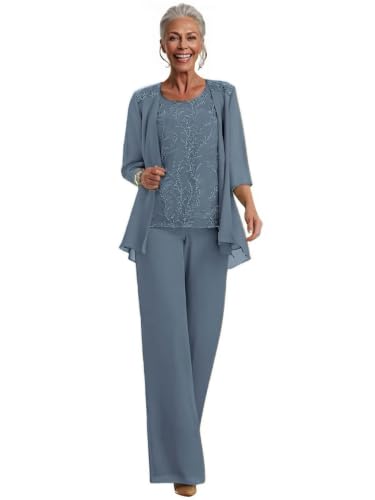
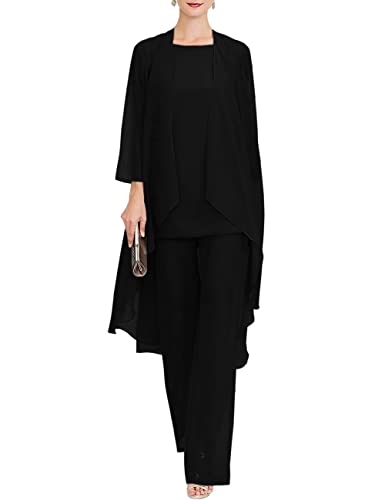

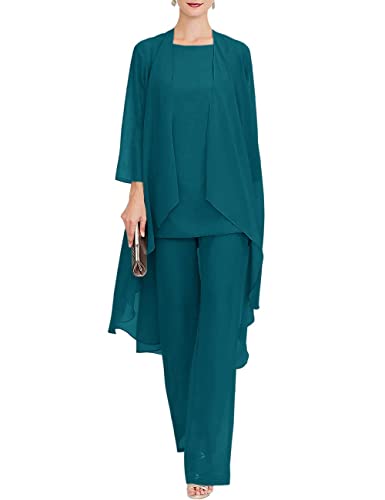


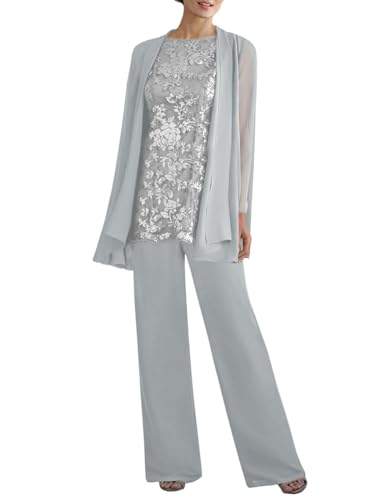


R&M Richards womens 3 Pce Laced Duster Jacket Shell and Solid Pant Formal Night Out Dress, navy, 10 US
Original price was: $76.31.$65.50Current price is: $65.50.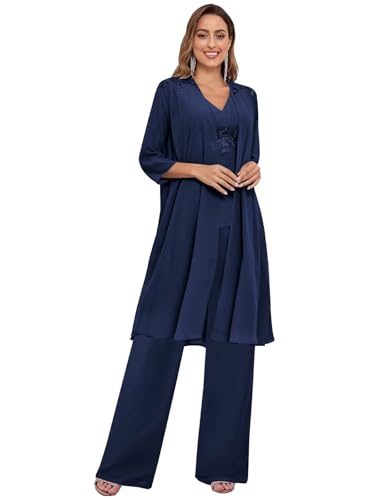



Mother of the Bride Suits: Frequently Asked Questions
Is a suit appropriate for the mother of the bride?
Yes. A formal suit can be an elegant and wedding-appropriate alternative to a traditional dress or gown. Choose elevated fabric, polished construction, and a style that matches the wedding dress code, venue, and season.
What does a mother of the bride suit include?
A mother of the bride suit may include a jacket and trousers, a dress with a matching jacket, a skirt and coordinated top, or a three-piece set with trousers, a top, and a jacket. Read the product description to confirm exactly which garments are included.
Can the mother of the bride wear a pantsuit?
Yes. A formal pantsuit is a sophisticated choice for a mother who feels more comfortable in trousers. Chiffon, crepe, satin, lace, and embellished designs can make a pantsuit suitable for daytime, evening, semi-formal, and formal weddings.
Can the mother of the bride wear a suit to a black-tie wedding?
Yes, provided the suit matches the level of formality. Choose an elevated fabric, full-length trousers or skirt, refined tailoring, and formal details such as beadwork, lace, satin, velvet, metallic accents, or a long jacket.
What color suit should the mother of the bride wear?
Navy, dusty blue, teal, emerald, plum, burgundy, mauve, charcoal, silver, champagne, taupe, and soft metallic shades are popular choices. The color should complement the wedding palette without appearing bridal or matching the bridesmaids unless the couple requests it.
Can the mother of the bride wear a black suit?
A black suit can look elegant at an evening or formal wedding. Because preferences differ among couples, families, and cultures, confirm the color with the bride or couple before ordering.
Should the mother of the bride wear the same color as the bridesmaids?
Not necessarily. The mother of the bride can wear a complementary color or another shade from the wedding palette. Exact matching is usually unnecessary unless the couple specifically requests a coordinated look.
What is the difference between a mother of the bride suit and a pantsuit?
A mother of the bride suit is a broad category that may include trousers, a skirt, a dress, a jacket, or coordinated separates. A pantsuit specifically includes trousers with a matching top, jacket, blouse, or tunic.
What is the difference between a pantsuit and a jumpsuit?
A pantsuit contains separate garments, such as trousers with a top and jacket. A jumpsuit is normally one garment in which the bodice and trousers are connected.
Are mother of the bride suits available in plus sizes?
Yes. Plus-size options include pant suits, dress-and-jacket sets, three-piece chiffon outfits, skirt suits, lace sets, and wide-leg trouser designs. Compare your measurements with the size chart for every individual product.
Can petite mothers of the bride wear suits?
Yes. Petite shoppers should pay attention to jacket length, shoulder width, sleeve length, waist placement, trouser rise, inseam, and the scale of embellishments. Alterations can improve the final proportions when the main garment fits correctly through the shoulders and torso.
What fabric is best for a mother of the bride suit?
Crepe provides clean structure, chiffon and georgette offer soft movement, satin creates a polished evening finish, lace adds traditional detail, and velvet or brocade can work well for cooler formal weddings. Choose the fabric according to the season, venue, and dress code.
What shoes should be worn with a mother of the bride suit?
Pumps, block heels, formal sandals, low heels, and dressy flats can all work. Select the shoes before altering trousers or a long skirt so the final hem length is correct.
How early should a mother of the bride suit be ordered?
Order early enough to allow time for delivery, trying on every piece, exchanging sizes if necessary, and completing professional alterations. The exact timeline depends on availability, shipping, return conditions, and whether the suit is made to order.
Can the mother of the groom wear a mother of the bride suit?
Yes. These suits can also be appropriate for the mother of the groom, grandmothers, and close family members. The two mothers do not need to match, but their outfits should coordinate in formality and avoid clashing colors.
Elegant Mother of the Bride Suits for Every Wedding Style
A mother of the bride suit can create a confident, sophisticated wedding-day look while providing the comfort, coverage, and flexibility of coordinated pieces. Instead of limiting your search to one traditional silhouette, you can choose from formal pant suits, dress-and-jacket sets, skirt suits, three-piece outfits, and elegant separates designed for ceremonies, photographs, dinner, and dancing.
The best suit should reflect the importance of the occasion without making you feel uncomfortable or unlike yourself. Some mothers prefer a structured blazer with dressy trousers, while others feel more confident in a softly draped jacket over a matching dress or skirt. Chiffon layers, lace sleeves, beaded details, metallic fabrics, and flowing wide-leg pants can make a suit feel appropriate for a wedding rather than an office or everyday event.
Begin by considering the wedding dress code, season, venue, and color palette. Then compare the number of pieces included, fabric, sleeve length, jacket construction, sizing, and alteration requirements. A carefully selected outfit should coordinate with the celebration while remaining comfortable enough to wear throughout the entire wedding day.
What Is Considered a Mother of the Bride Suit?
The term “mother of the bride suit” can describe several types of coordinated formal outfits. It does not refer only to a traditional blazer and trousers. In wedding fashion, a suit may include a dress with a matching jacket, a skirt with a coordinating top, a two-piece pantsuit, a three-piece trouser set, or tailored separates designed to be worn together.
Understanding these differences can help you choose the correct outfit and confirm exactly what is included before purchasing.
Mother of the Bride Pant Suits
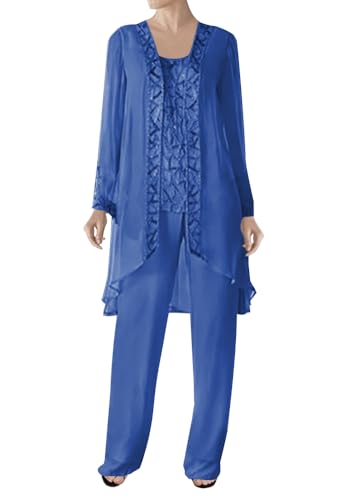
A pant suit normally includes coordinated trousers and a top, jacket, tunic, or blouse. Some formal sets contain two pieces, while others include three separate pieces such as trousers, a sleeveless top, and a matching jacket.
Pant suits are a practical option for mothers who prefer trousers, want more leg coverage, or need an outfit that allows easy movement. Flowing chiffon pants can create the graceful appearance of a skirt, while tailored straight-leg or wide-leg trousers provide a cleaner and more structured look.
For a collection focused specifically on trouser outfits, visit our mother of the bride pant suits.
Dress-and-Jacket Suits
A dress-and-jacket suit combines a coordinated dress with a removable jacket, bolero, shrug, cape, or chiffon coat. This type of outfit offers the traditional appearance of a mother of the bride dress while adding upper-arm coverage, warmth, and styling flexibility.
The jacket can be worn during the ceremony, religious service, outdoor photographs, or formal family introductions. It may then be removed during dinner or dancing. Dress-and-jacket sets are particularly useful for weddings that move between locations or take place in venues with changing temperatures.
Skirt Suits
A mother of the bride skirt suit may include a formal skirt with a coordinated jacket, blouse, or structured top. Skirt suits can appear classic and polished, particularly for church ceremonies, daytime weddings, courthouse celebrations, and traditional formal events.
The skirt may be straight, A-line, pleated, tea length, midi, or floor length. A longer skirt in an elevated fabric can feel similar to a formal gown, while a knee-length or midi skirt offers easier movement for daytime and semi-formal weddings.
Three-Piece Mother of the Bride Suits
Three-piece suits often include trousers or a skirt, a coordinating top, and a removable jacket. This arrangement provides greater control over coverage and temperature throughout the day.
Before ordering, read the product description carefully. Product photographs may show jewelry, camisoles, wraps, belts, or jackets that are not included. Confirm the exact number of garments included in the listed price.
Tailored Wedding Separates
Some mothers create a suit by combining individually purchased pieces, such as a formal blazer, silk or chiffon blouse, and coordinating trousers or skirt. Separates can be helpful when different sizes are needed for the upper and lower body.
The pieces do not always need to match exactly. A printed or embellished jacket can be paired with solid-colored trousers, while a satin blouse can soften a structured suit. The final outfit should still look intentional and formal enough for the wedding.
Why Choose a Suit for the Mother of the Bride?
A suit can be an excellent alternative for mothers who do not want to wear a conventional gown. It offers structure, coverage, and the ability to adjust individual layers during a long celebration.
A mother of the bride suit may be a suitable choice when:
- You feel more confident in tailored clothing than in a traditional gown.
- You prefer trousers, a skirt, or coordinated separates.
- You want a removable jacket for additional arm or shoulder coverage.
- The ceremony requires a modest or covered outfit.
- The wedding takes place during a cooler season or in an air-conditioned venue.
- You want pieces that may be worn separately after the wedding.
- You need different sizes for the top and bottom of your outfit.
- You want a polished outfit that provides comfortable movement.
The suit should still feel festive. Office-style fabric, plain business tailoring, or overly casual separates can appear underdressed unless they are elevated with appropriate color, texture, accessories, and formal styling.
How to Match a Suit to the Wedding Dress Code
Black-Tie and Formal Weddings
For a black-tie, formal, or evening wedding, choose an outfit made from an elevated fabric such as satin, silk, crepe, chiffon, georgette, velvet, lace, or brocade. Deep colors, jewel tones, metallic finishes, and refined embellishment can make the suit feel more suitable for an evening celebration.
Formal suit details may include:
- Beaded or sequined jackets
- Lace sleeves or overlays
- Full-length wide-leg trousers
- Long chiffon jackets or dusters
- Satin lapels or structured tailoring
- Embellished necklines
- Metallic thread or subtle shimmer
- Floor-length skirts
A highly formal wedding may still call for a gown depending on the couple’s expectations. Compare suit options with our formal mother of the bride dresses before making the final decision.
Semi-Formal and Cocktail Weddings
A semi-formal wedding allows more flexibility. A softly tailored pantsuit, tea-length dress-and-jacket set, midi skirt suit, or elegant three-piece chiffon outfit may all be appropriate.
The suit should look more celebratory than professional. Consider a distinctive color, lace jacket, flowing fabric, decorative neckline, formal blouse, elegant jewelry, and wedding-appropriate shoes. Avoid combining a plain work blazer with ordinary office trousers unless the pieces have been styled deliberately for the occasion.
Daytime and Church Weddings
A dress-and-jacket set, skirt suit, or softly structured pantsuit can work beautifully for a traditional daytime or church ceremony. Sleeves, jackets, higher necklines, and longer hemlines can provide suitable coverage while maintaining an elegant appearance.
If the ceremony has specific religious or cultural expectations, ask the bride or couple whether shoulders, arms, or the neckline should be covered. A removable jacket or wrap can make the outfit adaptable without requiring you to remain fully covered throughout the reception.
Outdoor, Garden and Destination Weddings
For a garden, beach, vineyard, backyard, or destination wedding, consider lighter fabrics and less rigid tailoring. Chiffon, georgette, lightweight crepe, silk blends, and breathable formal fabrics can feel more comfortable in warm weather.
Very long jackets, loose palazzo trousers, or floor-length skirts may be difficult to manage on grass, sand, gravel, or uneven ground. Check the venue surface before choosing the final length and select supportive shoes that will not sink into soft ground.
For more warm-weather ideas, compare the fabrics and silhouettes in our mother of the bride summer dresses collection.
Mother of the Bride Suits With Jackets
Jackets are one of the most useful features of a mother of the bride suit. They provide coverage, add structure, and allow the outfit to change between the ceremony and reception.
Common jacket styles include:
- Bolero jackets: Short jackets that cover the shoulders and upper arms without hiding the waistline.
- Chiffon jackets: Lightweight layers that add movement and soft coverage.
- Lace jackets: Decorative layers that introduce texture and traditional wedding detail.
- Structured blazers: Tailored jackets that create a clean, contemporary silhouette.
- Waterfall jackets: Soft, open-front layers that drape over the body.
- Long dusters: Extended jackets that create vertical movement and may coordinate with wide-leg trousers.
- Cape jackets: Draped shoulder coverings that create formal impact without fitted sleeves.
Check whether the jacket closes at the front or is intended to remain open. A closed jacket may create a more structured appearance, while an open chiffon or lace layer can reveal an embellished top underneath.
Make sure the jacket fits comfortably across the shoulders and upper arms. You should be able to lift your arms, sit, embrace family members, and move naturally without the fabric pulling across the back.
Choosing a Flattering Suit Silhouette
The best silhouette depends on your measurements, proportions, personal style, and the level of structure you prefer. Rather than following a general rule about which body types should wear particular styles, focus on balance, correct fit, and comfortable movement.
Structured Suits
A structured blazer can define the shoulders and create a clean outline. It may work particularly well with straight-leg trousers, a pencil skirt, or a simple dress.
Look for smooth lapels, correctly positioned shoulder seams, and a jacket that closes without pulling. The jacket should not create sharp horizontal folds across the back, bust, or waist.
Soft and Flowing Suits
Chiffon jackets, layered tops, wide-leg trousers, and draped fabrics create a softer silhouette. These styles can move gracefully in photographs and may feel less restrictive than highly structured tailoring.
Flowing does not need to mean oversized. The shoulders, neckline, waist, and trouser length should still fit correctly so the outfit looks intentional rather than shapeless.
Defined-Waist Suits
A belted jacket, shaped seam, fitted top, or high-waisted trouser can create definition through the center of the body. The waist should sit at a comfortable and natural point rather than cutting across the torso or creating pressure when seated.
Long-Line Jackets
A long jacket or duster can create a continuous vertical line and provide coverage through the hips. It should be proportioned carefully, especially for petite shoppers, because an excessively long or wide jacket may overwhelm the outfit.
How to Find the Correct Suit Size
Do not select a formal suit only by your usual retail size. Sizing can vary between brands, designers, and manufacturers. Compare your current body measurements with the specific size chart provided for each item.
Useful measurements include:
- Full bust
- Natural waist
- Fullest part of the hips
- Shoulder width
- Upper-arm circumference
- Jacket length
- Skirt length
- Front and back rise for trousers
- Inseam
- Preferred finished trouser length
For a dress-and-jacket set, check the measurements of both garments. A dress may fit correctly while the coordinating jacket feels tight across the shoulders or arms. For three-piece pant suits, make sure the trousers, top, and jacket all accommodate your measurements.
When trying on the suit, wear the undergarments and shoes you plan to use at the wedding. Sit, walk, lift your arms, bend slightly, and fasten the jacket. The outfit should remain comfortable without pulling, shifting, or restricting movement.
Plus-Size Mother of the Bride Suits
Plus-size mother of the bride suits are available in structured, flowing, jacketed, sleeved, two-piece, and three-piece designs. The most important considerations are accurate measurements, fabric quality, garment construction, and how comfortably each piece fits together.
Useful features may include:
- Comfortable stretch through the waist and shoulders
- Wide-leg trousers that fall smoothly from the hip
- Supportive lining
- Longer tops or jackets
- Secure necklines and arm openings
- Softly defined waistlines
- Adjustable or open-front jackets
- Multiple pieces that can be sized or altered separately
Avoid choosing an outfit only because it is described as “slimming.” The goal is to find a suit that fits your measurements, supports comfortable movement, and reflects your personal style.
For trouser sets in extended sizes, browse our plus-size mother of the bride pant suits. You can also compare gowns and dress sets in the plus-size mother of the bride dresses collection.
Petite Mother of the Bride Suits
Petite shoppers should consider more than the trouser or skirt length. Jacket length, shoulder width, sleeve length, waist position, rise, and the scale of decorative details all affect the overall proportion of a suit.
A petite-friendly outfit may include:
- A correctly positioned natural waist
- Narrower lapels
- Bracelet-length or properly shortened sleeves
- A jacket that does not extend too far below the hip
- Controlled trouser width
- Vertical seams or a monochromatic color
- Smaller-scale lace, prints, and embellishment
Hemming trousers or a skirt is often straightforward, but shortening a highly detailed jacket or changing its shoulder construction can be more complicated. Select a suit that fits through the shoulders and torso before focusing on the final hem length.
Browse additional outfits designed for shorter proportions in our petite mother of the bride dresses collection.
Best Fabrics for a Mother of the Bride Suit
Crepe
Crepe offers a clean, polished surface and enough structure for tailored jackets, straight-leg trousers, wide-leg trousers, skirts, and minimalist formal suits. It can work for both daytime and evening weddings depending on the color and styling.
Chiffon
Chiffon is lightweight and flowing. It is commonly used for jackets, overlays, wide-leg trousers, layered tops, and sleeves. Check whether chiffon garments are fully lined because the fabric may be sheer.
Lace
Lace can add traditional wedding detail to jackets, sleeves, bodices, and coordinated tops. It may be used across an entire garment or combined with chiffon, satin, crepe, or jersey.
For more outfits featuring this fabric, explore our lace mother of the bride dresses.
Satin
Satin creates a smooth, luminous appearance suitable for evening and formal weddings. Because it reflects light, satin may emphasize seams, wrinkles, or areas where the garment is too tight. Correct fit and appropriate undergarments are especially important.
Georgette
Georgette offers soft movement with slightly more texture than chiffon. It works well for flowing jackets, trousers, overlays, and layered three-piece outfits.
Brocade and Jacquard
Brocade and jacquard fabrics contain woven patterns that can give a jacket or skirt suit a formal, structured appearance. Because these materials may be heavier, they are often better suited to indoor, fall, winter, or evening celebrations.
Velvet
Velvet provides richness and warmth for cool-weather weddings. A velvet blazer with coordinated trousers or a long skirt can create a refined evening look, but the fabric may feel too heavy for warm venues.
Choosing the Best Color for a Mother of the Bride Suit
The mother of the bride does not normally need to match the bridesmaids exactly. Her outfit should coordinate with the wedding palette while allowing her to appear distinctive in family photographs.
Popular formal suit colors include:
- Navy and midnight blue
- Dusty blue and slate blue
- Teal
- Emerald and dark green
- Plum and purple
- Burgundy and wine
- Champagne and taupe
- Silver and pewter
- Charcoal
- Mauve and dusty rose
- Sage green
- Soft metallic shades
Navy is versatile for daytime, evening, indoor, and outdoor weddings. It coordinates with many palettes and can appear softer than black while retaining a formal look. Browse our navy blue mother of the bride outfits for additional inspiration.
Green shades can work particularly well for garden, spring, summer, fall, and jewel-tone wedding palettes. Compare sage, emerald, olive, and dark green options in our green mother of the bride collection.
Avoid white, ivory, cream, or any shade that may appear bridal in photographs unless the bride or couple has specifically approved it. Black can be sophisticated for an evening wedding, but family traditions and preferences vary, so confirm the color before ordering.
Mother of the Bride Suits With Sleeves and Added Coverage
Sleeves and layered jackets can provide coverage without making an outfit look heavy or outdated. The best option depends on the season, venue temperature, ceremony requirements, and your personal comfort.
Common choices include:
- Cap sleeves
- Flutter sleeves
- Elbow-length sleeves
- Three-quarter sleeves
- Long lace sleeves
- Chiffon sleeves
- Bell sleeves
- Cape sleeves
- Removable jackets and boleros
Check the upper-arm measurement rather than assuming that a loose-looking sleeve will fit. Lace and non-stretch formal fabric can feel restrictive if the sleeve is too narrow.
If full arm coverage is a priority, compare the designs in our long-sleeve mother of the bride collection.
How to Style a Mother of the Bride Suit
Select Wedding-Appropriate Shoes
Choose shoes before the final trouser or skirt alteration. Pumps, block heels, dressy flats, formal sandals, and low heels can all work depending on the venue and outfit.
Comfort is particularly important for the mother of the bride, who may spend many hours standing, greeting guests, participating in photographs, and dancing. Test the shoes indoors before the wedding and consider the ceremony surface when choosing the heel shape.
Coordinate Jewelry With the Neckline
An embellished jacket or lace neckline may require only earrings and a bracelet. A simpler suit can support a statement necklace, decorative brooch, or more noticeable earrings.
Avoid placing a necklace directly over heavy beadwork or an elaborate collar. The accessories and garment details should complement one another rather than compete.
Add a Formal Clutch
A small clutch or structured evening bag can hold essentials without making the outfit look casual. Neutral, metallic, satin, beaded, or coordinated bags can all work.
Consider a Brooch or Decorative Closure
A brooch can add personality to a plain jacket or help create visual focus. Make sure the garment fabric can support the weight without pulling or leaving a visible hole.
Plan Undergarments Before the Final Fitting
Try the full suit with the bra, camisole, shapewear, hosiery, or other foundation garments you plan to wear. Check that straps and seams remain concealed and that the undergarments do not interfere with the waist, rise, or jacket closure.
Mother of the Bride Suit, Pant Suit or Jumpsuit?
A mother of the bride suit is the broadest term and may include trousers, a skirt, a dress, a jacket, or coordinated separates. A pant suit specifically includes trousers with one or more matching pieces. A jumpsuit is normally a single garment in which the bodice and trousers are connected.
Choose a suit when you want layering and coordinated pieces. Choose a pantsuit when trousers are essential to your preferred outfit. Choose a jumpsuit when you want one continuous silhouette with fewer separate garments.
For a modern one-piece alternative, explore our mother of the bride jumpsuits.
Can the Mother of the Groom Wear These Suits?
Yes. Many mother of the bride suits are also appropriate for the mother of the groom, a grandmother of the bride or groom, or another close family member. The role does not require a completely different style of clothing.
The mothers of the bride and groom do not need to match, but their outfits should generally feel similar in formality. Communication between the couple and both mothers can prevent clashing colors, identical outfits, or one outfit appearing significantly more formal than the other.
Important Details to Check Before Ordering
Before buying a suit online, review the complete product description and confirm:
- How many pieces are included
- Whether the top or camisole is included
- Whether the jacket is removable
- The fabric composition
- Whether the fabric stretches
- Whether each piece is lined
- The closure type
- The sleeve and jacket measurements
- The skirt length or trouser inseam
- The available colors and sizes
- The estimated delivery date
- Whether the item is ready to ship or made to order
- The return and exchange policy
- Whether alterations are practical
Order early enough to allow time for delivery, trying on every piece, exchanging the outfit if necessary, and completing professional alterations. Bring your intended shoes and undergarments to the final fitting.
Shop Mother of the Bride Suits With Confidence
The right mother of the bride suit should look polished, coordinate with the wedding, fit correctly, and remain comfortable from the ceremony through the final dance. Begin with the dress code and venue, then narrow your options by outfit type, fabric, color, jacket style, sleeve length, size availability, and alteration requirements.
Choose a pant suit if you prefer trousers, a dress-and-jacket set for classic flexibility, a skirt suit for a traditional tailored silhouette, or a three-piece set when adaptable coverage is important. Whatever style you select, prioritize accurate measurements, quality construction, and an outfit that makes you feel confident during this important family celebration.
Browse the collection above to compare formal mother of the bride suits, wedding pantsuits, jacket outfits, dress suits, skirt sets, three-piece ensembles, plus-size options, and elegant coordinated separates.
For additional gowns, colors, sizes, and wedding silhouettes, return to the complete mother of the bride dresses collection.