
Work Dresses for Women Office
Work Dresses for Women Office should be filtered by the actual workday, not by a broad “office” keyword. This category focuses on a broad office-dress collection covering professional, business-casual, client-facing, hybrid, creative, and everyday workplace needs, with the office setting and schedule used as the first filters. For a U.S. shopper, compare the current seller size chart, fabric, opacity, care requirements, closure, delivery estimate, and return terms before judging a dress by color or styling alone.
Keep work dresses for women office separate from party dresses, vacation dresses, lounge wear, beach styles, prom or formal event gowns, and casual pieces that fail seated comfort, opacity, or professional movement tests. The most useful fit checks are shoulder and bust fit, waist and hip ease, seated hem, neckline stability, sleeve range, pocket placement, and how the dress recovers after hours in a chair. A realistic work test should confirm that you can sit, stand, reach, carry a tote or laptop bag, commute, use stairs, walk to meetings, and transition to lunch or after-work plans without constant adjustment. Workwear has to survive long sitting, standing, commuting, bags, layers, and repeat wear in a way that a short try-on or product photo does not reveal.
Related shopping paths include women’s work dresses professional, casual work dresses, career dresses, and women’s work dresses. Use those pages to narrow by a real work variable such as formality, season, budget, size range, or practical feature instead of treating every office-related phrase as interchangeable. This check is especially important when comparing work dresses for women office.


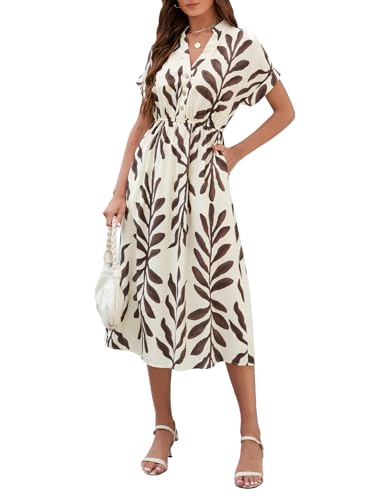


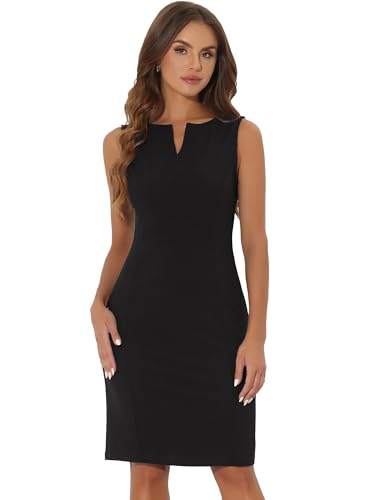
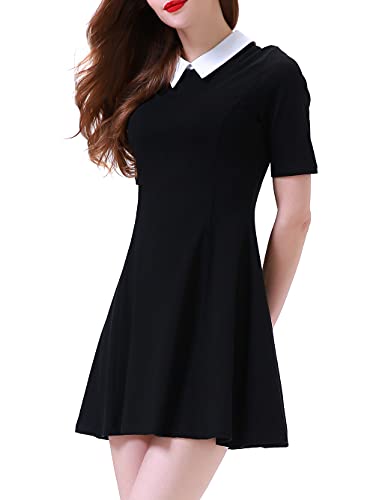


Ezbelle Womens Solid Color Off The Shoulder Short Sleeve Ribbed Work Office Business Cocktail Party Bodycon Pencil Dress Green,8-10
Original price was: $58.99.$31.98Current price is: $31.98.


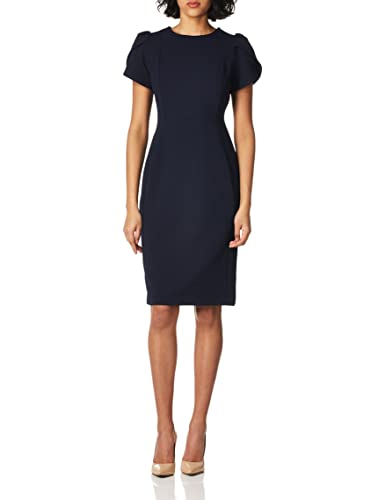


Knitee Women’s Vintage Ruffle Sleeve V-Neck Bodycon Evening Party Cocktail Pencil Sheath Dress (A-Navy Blue, Small)
Original price was: $45.99.$39.99Current price is: $39.99.
Miusol Women’s Retro 1950s Style Half Collar Ruffle Cocktail Pencil Dress (Medium,A-Navy Blue)
Original price was: $38.99.$35.99Current price is: $35.99.


Frequently Asked Questions About Work Dresses for Women Office
What qualifies as work dresses for women office?
Work Dresses for Women Office should match the stated work use and the real workplace dress code, not simply contain “work” or “office” in the seller title. Verify fit, fabric, opacity, care, and the selected variation.
How should work dresses for women office fit?
Check standard measurements plus shoulder and bust fit, waist and hip ease, seated hem, neckline stability, sleeve range, pocket placement, and how the dress recovers after hours in a chair. The dress should remain comfortable while seated and should not pull, gap, ride up, or restrict normal work movement. This check is especially important when comparing work dresses for women office.
What movement should I test in work dresses for women office?
With tags attached, test whether you can sit, stand, reach, carry a tote or laptop bag, commute, use stairs, walk to meetings, and transition to lunch or after-work plans without constant adjustment. Repeat common desk, commute, reach, and layering motions before deciding to keep it. This check is especially important when comparing work dresses for women office.
Which fabrics are practical for work dresses for women office?
Useful options can include ponte, crepe, cotton blends, poplin, polished jersey, knit suiting, linen blends, twill, fine knits, and lined woven fabrics suited to repeated weekday wear. Compare breathability, wrinkle recovery, opacity, stretch, pilling, shrinkage, and care needs for your actual work schedule. This check is especially important when comparing work dresses for women office.
How do I know if work dresses for women office are appropriate for my office?
Use your written dress code, client exposure, workplace norms, and daily tasks. Office dress codes range from conservative corporate to relaxed creative environments. Start with your workplace norms and client exposure, then choose silhouette, fabric, color, and coverage. This check is especially important when comparing work dresses for women office.
Can work dresses for women office be altered?
Usually, but cost depends on construction. Possible work includes hem, sleeve, bust, waist, shoulder, and pocket refinements; a broad office staple should remain easy to care for and economical to adjust. Compare tailoring cost with exchange or replacement before the return window closes. This check is especially important when comparing work dresses for women office.
What should I verify before ordering work dresses for women office online?
Confirm the exact seller, current size chart, fabric, lining, care instructions, selected color, delivery estimate, return terms, and reviews for the same variation. This check is especially important when comparing work dresses for women office.
Define the Work Use Before Comparing Dresses
Work Dresses for Women Office should represent a broad office-dress collection covering professional, business-casual, client-facing, hybrid, creative, and everyday workplace needs, with the office setting and schedule used as the first filters. Start with the real schedule: client exposure, meeting load, commute, movement, workplace norms, and how long the dress must stay presentable. A marketplace title that contains “work” does not prove that the selected variation is opaque, stable, comfortable, or appropriate for your office.
Keep work dresses for women office separate from party dresses, vacation dresses, lounge wear, beach styles, prom or formal event gowns, and casual pieces that fail seated comfort, opacity, or professional movement tests. A useful work category solves one workplace need consistently. If a product would require a blazer, slip, constant hem adjustment, or special styling just to become acceptable, include that extra effort in the buying decision rather than treating the base dress as office-ready.
Match the Dress to the Actual Workplace
Office dress codes range from conservative corporate to relaxed creative environments. Start with your workplace norms and client exposure, then choose silhouette, fabric, color, and coverage. Consider written policies when they exist, but also observe client contact, management expectations, safety needs, and how coworkers dress in similar roles. A creative office and a conservative professional-services office can use the same word “business casual” very differently. This check is especially important when comparing work dresses for women office.
For work dresses for women office, aim for a dress that looks intentional without demanding attention throughout the day. Stable necklines, controlled hems, appropriate opacity, and fabric that recovers after sitting matter more than a trend label. The best choice should let you focus on work rather than clothing management.
Take Measurements for Seated and Standing Fit
For work dresses for women office, record bust, waist, hips, shoulder width, torso length, and preferred length, then add shoulder and bust fit, waist and hip ease, seated hem, neckline stability, sleeve range, pocket placement, and how the dress recovers after hours in a chair. Measure over the bra or base layer used at work. Compare with the exact seller chart because U.S. numeric and alpha sizes vary across brands and marketplace sellers.
Fit must be evaluated while seated as well as standing. A waist can feel comfortable in the mirror but press after two hours at a desk; a knee-length hem can climb; pockets can gape; sleeves can bind while typing. Choose the least flexible area first and verify that tailoring can correct the rest economically. This check is especially important when comparing work dresses for women office.
Choose Fabric for Hours of Wear and Repeat Care
Useful fabrics for work dresses for women office can include ponte, crepe, cotton blends, poplin, polished jersey, knit suiting, linen blends, twill, fine knits, and lined woven fabrics suited to repeated weekday wear. Compare stretch, breathability, wrinkle recovery, pilling risk, opacity, lining, shrinkage, and care instructions. A beautiful work dress that requires difficult cleaning after every wear may have poor practical value for a weekly rotation.
Perform a simple recovery test: sit for fifteen minutes, stand, smooth the dress once, and see whether deep creases, knee bags, seat shine, or stretched seams remain. Also inspect bright-light opacity and whether the fabric attracts lint. These details affect how polished work dresses for women office look at 3 PM, not just at 8 AM.
Run a Full Workday Movement Test
With tags attached, test whether you can sit, stand, reach, carry a tote or laptop bag, commute, use stairs, walk to meetings, and transition to lunch or after-work plans without constant adjustment. Repeat common motions such as typing, reaching, putting on a jacket, sitting in a low chair, and walking briskly. The dress should return to place without repeated pulling at the neckline, waist, sleeve, or hem. This check is especially important when comparing work dresses for women office.
Workwear also has to interact with equipment and personal items. Check desk edges, office chairs, lanyards, tote straps, laptop bags, seat belts, and coat sleeves. For work dresses for women office, friction and repeated movement can reveal problems that a formalwear-style mirror pose never shows.
Check Color, Pattern, and Rewear Value
Practical visual directions for work dresses for women office include navy, black, brown, gray, green, blue, refined prints, stripes, checks, and controlled seasonal color that works with repeat shoes and layers. Evaluate how the dress coordinates with shoes, blazer, cardigan, coat, bag, belt, and hosiery already in your wardrobe. A dress that creates several complete work outfits usually offers better value than one that needs a new accessory system.
Pattern scale and contrast can affect formality. Small prints and quiet color blocking often repeat easily, while large motifs or very bright contrasts may be perfect in creative settings but harder in conservative ones. The right choice is the one that matches your real workplace, not a universal office-color rule. This check is especially important when comparing work dresses for women office.
Plan Underlayers and Coverage in Office Lighting
For work dresses for women office, useful underlayers may include comfortable bras, slips, camisoles, hosiery, and light shaping selected for the specific neckline and fabric rather than added automatically. Test in bright daylight and under cool indoor lighting. Thin knits, pale colors, stretch crepe, and unlined woven fabrics can reveal bra edges, pocket bags, or underwear lines differently under office LEDs than at home.
Underlayers should improve support or opacity without overheating the outfit, rolling at the waist, or restricting breathing while seated. If a dress needs several corrective layers just to become wearable at work, compare the total comfort and cost with a better-lined alternative. This check is especially important when comparing work dresses for women office.
Consider Commute, Shoes, and Workplace Surfaces
Work Dresses for Women Office may be worn across corporate offices, coworking spaces, classrooms, clinics, studios, agencies, professional services, hybrid schedules, and business travel. Test the dress with the actual commute shoes and the shoes worn at work if they differ. Check stairs, walking speed, vehicle entry, public transit, and whether the hem catches when carrying a bag.
For long commutes or standing roles, footwear can change posture and hem position. A pencil dress may feel different with flats than heels, and a long skirt can become unsafe on escalators or wet sidewalks. Practical workwear begins before you reach the desk. This check is especially important when comparing work dresses for women office.
Plan for Temperature and Seasonal Layers
Work Dresses for Women Office may need to handle all-season commutes, office air conditioning or heating, rain, summer heat, winter outerwear, and after-work transitions. Test blazers, cardigans, coats, or light layers with the dress before the return deadline. Sleeve circumference, shoulder ease, collar height, and fabric friction determine whether the layer sits cleanly or bunches the dress underneath.
Office temperatures can differ sharply from the commute. A summer dress may need a breathable cardigan inside; a winter knit can overheat in a warm building. The strongest work dresses for women office allow temperature adjustment without destroying the intended silhouette.
Check Care, Wrinkles, and Long-Term Maintenance
Before buying work dresses for women office, read the exact care label and compare it with how often you expect to wear the dress. Machine wash, hand wash, dry clean, steam tolerance, ironing temperature, pilling, shrinkage, and color transfer can all change the real cost of ownership.
For a rotation piece, consider how the fabric looks after sitting, carrying a bag, and traveling in a car. Dresses that require professional pressing after every commute may be poor choices for frequent office use even when the initial fit is excellent. This check is especially important when comparing work dresses for women office.
Estimate Alterations Against the Dress Value
Common alterations for work dresses for women office can involve hem, sleeve, bust, waist, shoulder, and pocket refinements; a broad office staple should remain easy to care for and economical to adjust. Get an estimate before the return window closes. A simple hem or sleeve change can be sensible, while rebuilding shoulders, bust, waist, and hips at the same time may cost more than choosing a better pattern.
Bring the intended work shoes and underlayers to fittings. After alteration, sit at a desk and repeat the movement test. A work dress must remain comfortable in the posture you use for hours, not only stand smoothly in the tailoring mirror. This check is especially important when comparing work dresses for women office.
Verify Seller, Size Chart, Price, and Return Terms
Marketplace listings can change seller, selected color, fabric, size chart, delivery, or return conditions while the title stays similar. For work dresses for women office, save the exact variation and chart at checkout, especially when the page combines regular, petite, plus, or multiple fabric versions.
Read reviews that include body measurements, office use, fabric, and purchased size. Prioritize information about opacity, shrinkage, wrinkles, sleeve fit, zipper quality, and length. A review for a different seller or variation should not be treated as proof that your chosen dress behaves the same way. This check is especially important when comparing work dresses for women office.
Use Related Work Collections to Solve One Problem
Related shopping paths include women’s work dresses professional, casual work dresses, career dresses, and women’s work dresses. If work dresses for women office fail because of heat, move toward summer work dresses; if the workplace is more conservative, compare professional styles; if price is the constraint, use the budget collection. Keep successful fit and fabric requirements while changing the one variable that failed.
This method avoids replacing a nearly correct dress with a completely different problem. A controlled shortlist based on actual workplace needs is more efficient than browsing broad fashion categories after every fit issue. This check is especially important when comparing work dresses for women office.
Shortlist for the Full Workday
To shortlist work dresses for women office, remove any dress outside the category boundary, then rank the rest by seller-specific measurements, workplace fit, fabric recovery, seated comfort, opacity, movement, layering, care, delivery, return terms, and realistic alteration cost. Repeat-wear value should matter more than one attractive product image.
Keep a final work dresses for women office option only when it stays comfortable and neat through sitting, walking, reaching, commuting, and layering, and when the actual fabric works under office lighting. That combination turns the category into practical workwear rather than another broad clothing label.