
Mother of the groom long dresses
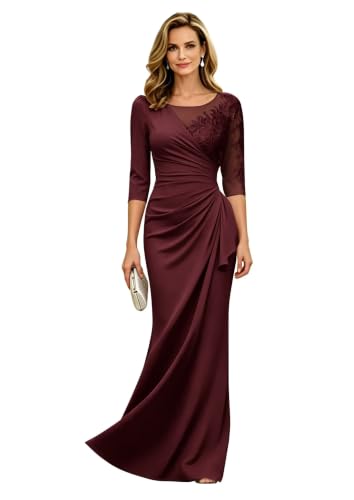
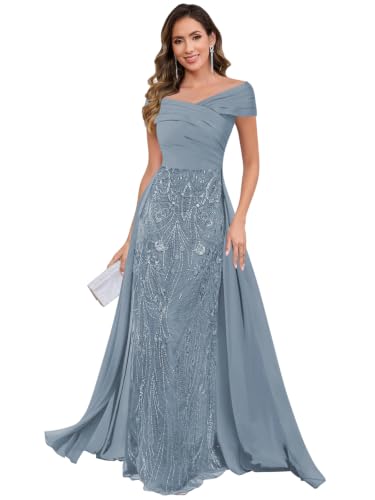
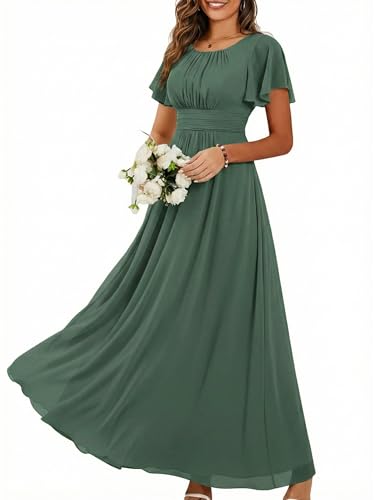
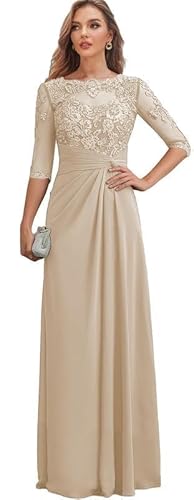
Length is one of the clearest ways a mother of the groom signals the formality she is matching, and this collection is built entirely around the floor-length end of that choice. Sleeve coverage runs high at just over half the listings, and evening styles account for a similar share.Lace appears in around a third and sequin in around one in six. Petite sizing accounts for around one in seven, notably higher than most collections on the site.Established occasion houses dominate the brand list here, including Alex Evenings, J Kara and Adrianna Papell. For shorter options, see casual mother of the groom dresses.








Mother of the Groom Long Dresses: Frequently Asked Questions
Should I choose floor length or something shorter?
Match the mother of the bride's level of formality. If she is in a shorter cocktail-length dress, a floor-length choice can read as overdressed by comparison, even in an appropriate gown. Check what she has chosen before deciding.
Why do so many of these have sleeves?
Just over half do, which is high for formal wear and reflects what this customer typically wants: coverage for a religious ceremony and warmth through an evening reception that a strapless gown would not provide.
Which sleeve length photographs best?
One ending below the elbow or running to the wrist, rather than stopping at the widest part of the upper arm. Cap and short sleeves suit warmer venues or daytime ceremonies instead.
Why does petite sizing matter more in this collection?
Around one in seven listings is cut for it, higher than most collections here. A floor-length gown not cut for petite proportions puts the waist seam and any structural detail in the wrong place, beyond just the hem being long.
Which fabric should I choose?
Lace is the most versatile, dressing up a simple silhouette without sequin's weight. Sequin suits an evening wedding and low reception lighting. Chiffon is lightest and suits a warmer venue or summer evening.
What color should I wear?
Coordinate with, rather than match, the mother of the bride. Navy, deep green, burgundy and champagne are the most requested shades. Avoid white, ivory, cream, and anything close to the bridesmaid palette.
How do I know if I need an evening or daytime style?
Check the reception time. Evening styles here tend toward richer fabric, more bodice structure and jewel or metallic color. Daytime versions in the same length are lighter and softer in color.
Does the shoe matter for a long dress?
Yes. The hem is finished to a specific heel height, so decide the shoes before the final hemming rather than after, and expect to sit and move carefully on stairs through the day.
Which measurement matters most for sleeved styles?
Upper arm, since a fitted sleeve cannot be let out. Take bust, underbust, waist, hip and height alongside it, and read each brand's own chart rather than assuming consistency.
Why Length Is the First Decision, Not the Last
Convention holds that the mother of the groom takes her lead from the mother of the bride, landing at a similar level of formality rather than trying to match or exceed it. Length is the fastest way that formality reads, before anyone examines fabric or detail.
Floor length signals the same formal register as a traditional evening wedding: a fitted or A-line gown, sleeves at the level this collection carries, and a finish suited to photographs taken throughout a long evening.
If the mother of the bride is in a shorter cocktail-length dress, a floor-length choice for the mother of the groom can read as overdressed by comparison, even in a perfectly appropriate gown. A quick check on what the mother of the bride has chosen saves this entirely.
The Sleeve Share Reflects the Demographic
Just over half these listings have sleeves, which is high compared with most formal collections and consistent with what this specific customer tends to want.
Three-quarter and long sleeves dominate, and they solve two things at once: coverage for a religious ceremony, and warmth through an evening reception that a strapless gown would not provide.
The sleeve shapes that photograph best in evening formal wear end below the elbow or run to the wrist, rather than stopping at the widest part of the upper arm.
Cap sleeves and short sleeves exist in this collection too, for warmer venues or daytime ceremonies, but the long-sleeve share here is a clear signal about what this specific customer searches for.
Petite Sizing Matters More Here
Around one listing in seven is cut for petite, meaningfully higher than most collections on the site, and it reflects the age range this category serves.
A floor-length gown not cut for petite proportions puts the waist seam, empire line and any structural detail in the wrong place on a shorter frame, in addition to the hem being too long.
If a petite cut is not available in a style you want, budget for hemming as standard rather than an exception, since a floor-length gown almost always needs it on a petite frame.
Fabric and Finish
Lace, at around a third of listings, is the most common and the most versatile: it dresses up a simple silhouette without adding the weight or shine of sequin.
Sequin, at around one in six, suits an evening wedding specifically and photographs well under low reception lighting, though it brings the weight and shedding that any sequined fabric does.
Chiffon, at just over a quarter, is the lightest option and suits a warmer venue or a summer evening wedding, moving well across a long day.
A jacket or wrap in a matching or coordinating fabric is common across this price point and solves the same coverage-versus-warmth question that sleeves do, with the advantage of coming off for the reception.
Color
Convention for the mother of the groom is to coordinate with, rather than match, the mother of the bride, and to check with the wedding party before choosing.
Navy, deep green, burgundy and champagne are the most requested shades in this category, and each reads as formal evening color without competing with the bridal party's palette.
What to avoid: white, ivory and cream, and any color close to the bridesmaid palette, since either reads as an attempt to join a group the dress is not part of.
Evening Versus Daytime
Just over half this collection is styled for evening, and the distinction is worth understanding since it changes more than the obvious.
Evening formal wear in this category tends toward richer fabric, more structure through the bodice, and metallic or jewel-toned color.
Daytime versions in the same length are lighter in fabric and softer in color, and suit an early ceremony followed by an afternoon reception.
Checking the reception time before choosing avoids arriving in an evening gown to a lunchtime event, or the reverse.
What a Long Dress Asks of the Day
A floor-length gown needs a shoe height decided in advance, since the hem is cut to a specific heel and changing footwear on the day changes how the dress sits on the floor.
It also needs a plan for sitting through a ceremony and a meal without the hem creasing or catching underfoot, particularly on stairs.
None of this is a reason to avoid the length. It simply means deciding the shoes early and having the hem finished to match them, rather than adjusting either at the last minute.
Sizing
Take bust, underbust, waist, hip and height, and add upper arm for any sleeved style, since a fitted sleeve cannot be let out.
Occasion houses such as Alex Evenings and Adrianna Papell run reasonably close to standard US sizing, which makes this collection more predictable than most.
Plus sizing appears at around one in six listings. Read each listing's own chart rather than assuming consistency across brands. Regular, plus and petite numbering are all laid out on the US size chart.
Related Collections
For shorter, more casual options, see casual mother of the groom dresses. For gold and metallic evening styles, browse gold mother of the groom dresses. For the mother of the bride equivalent, see mother of the bride dresses.