
Plus Size 28 Dresses for Women
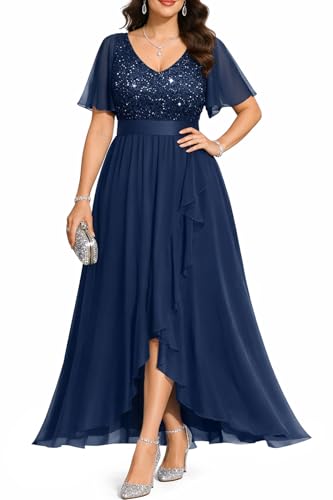
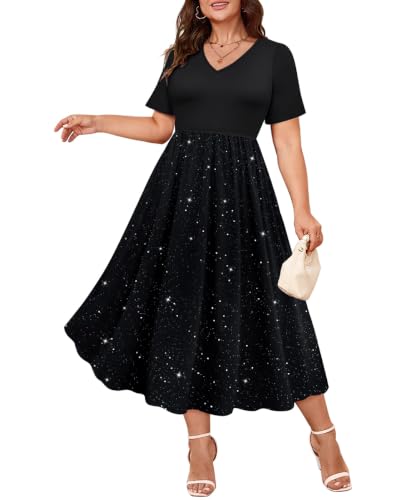
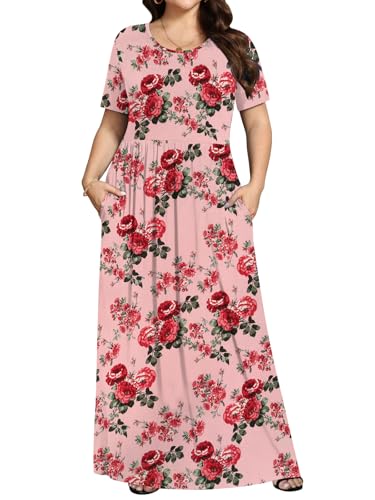
Plus size 28 dresses for women require careful retailer and measurement comparison because extended-size availability can differ by style, color, and seller. The product grid below may include size-28 formal gowns, wedding-guest dresses, workwear, casual maxis, wraps, A-lines, stretch knits, chiffon, lace, and occasion styles.
Use current bust, waist, full-hip, upper-arm, shoulder, torso, and length measurements. Check whether the chart refers to size 28, 28W, 4X, 5X, or another label. Do not assume an equivalent from a different brand. Review the garment’s least flexible area, lining, closure, and alteration limits.
Explore formal dresses, casual dresses, and wedding guest dresses for event-specific products. Verify current seller, size stock, delivery, returns, and specifications with the final retailer.



Frequently Asked Questions About Plus Size 28 Dresses for Women
Is size 28 the same as 28W, 4X, or 5X?
Not reliably. Retailer charts and pattern proportions vary. Compare actual bust, waist, hip, arm, shoulder, and length measurements for the exact product.
Why is size 28 sometimes unavailable after I click a dress?
Search and category pages may show a broad size range, while a specific color or seller is out of stock. Confirm the exact variation on the final retailer page.
What measurements should I take for a size 28 dress?
Measure bust, natural waist, full hip, upper arm, shoulder width, torso length, height, and required garment length.
Which size 28 silhouettes are common?
A-line, wrap, empire, maxi, midi, shirt, sheath, stretch knit, formal gown, and fit-and-flare styles may be available depending on the retailer.
How do I evaluate a size 28 formal gown?
Check structured areas, lining, sleeve mobility, zipper, weight, length, seat comfort, and alteration feasibility. Order early enough for replacement.
Can size 28 dresses be altered?
Many can be hemmed or adjusted at straps and seams. Lace, sequins, pleats, sleeves, and limited seam allowance may restrict changes.
How should I use customer reviews?
Prioritize reviews with measurements, exact size, height, seller, and photos. Confirm that the review applies to the same dress variation.
What should I verify on an affiliate marketplace listing?
Check seller, current price, size stock, exact color, measurements, material, lining, delivery, return policy, care, and included items.
How can I reduce risk for an important event?
Order with exchange time, keep tags, perform a complete fit and movement test, and identify a backup product or local option.
Extended-Size Shopping Starts With Availability
A retailer may advertise a broad size range while offering only selected colors or silhouettes in size 28. Confirm that the exact product variation is in stock before planning the outfit around it. Marketplace search results can display a size that is unavailable after clicking.
Record the seller and fulfillment source. Similar product images may be used by different sellers with different charts, quality, delivery, and returns.
Compare 28, 28W, 4X, and 5X Carefully
These labels can overlap but are not universal equivalents. A numerical plus-size chart may use different proportions from an alpha-size chart. Compare inches for bust, waist, hip, arm, and length.
Do not rely on a general marketplace conversion. Use the chart attached to the exact seller and color variation.
Measure More Than Bust, Waist, and Hip
Upper-arm circumference, shoulder width, bust depth, torso length, and total garment length can determine whether a dress works. Fitted sleeves and structured bodices require more precision than relaxed knits.
For long gowns, measure in the intended shoes. For work or cocktail dresses, check seated hem and back coverage.
Identify the Least Flexible Construction
A stretch knit may accommodate the torso but have a rigid zipper or lining. A full skirt may offer hip room while the waistband remains fixed. A lace sleeve may have no give even when the bodice includes stretch.
Choose the size according to the restrictive area. Minor tailoring is easier than forcing a garment that cannot close or move.
A-Line Dresses in Size 28
A-lines provide room below the waist and can work for formal, work, wedding, and casual events. Panel seams may create structure. Check bodice depth and where the skirt begins.
An A-line label does not guarantee the same sweep or ease across brands. Use measurements and customer photos.
Wrap and Adjustable Styles
True wrap dresses can adapt at the waist and neckline, while faux wraps may be fixed. Check tie length, bust overlap, skirt coverage, and shoulder fit.
Smocking, elastic panels, and adjustable straps can add flexibility but should remain secure throughout the event.
Maxi and Formal Gowns
Size-28 maxis may use chiffon, jersey, satin, crepe, lace, sequins, or velvet. Check weight, lining, length, sleeve movement, and zipper. Full-length dresses should clear the floor.
Use formal dresses for broader options. Confirm whether the gown can be returned after trying on and whether custom alterations affect eligibility.
Wedding Guest Dresses
Match the invitation, season, venue, and time. Chiffon A-lines, floral midis, wraps, and long crepe dresses cover many dress codes. Check outdoor terrain, temperature, and required layers.
Browse wedding guest dresses. Avoid ordering at the last minute because size replacement stock may be limited.
Cocktail and Party Dresses
Cocktail dresses may include velvet, lace, sequins, wrap designs, and structured knits. Check seated hem, arm movement, neckline, and fabric weight. A secure fit supports dancing and standing.
Use cocktail dresses for event-focused choices. Plan shoes before deciding on length.
Work Dresses in Size 28
Professional styles should offer repeatable comfort, wrinkle recovery, coverage, and layering. Shirt dresses, ponte, crepe, wraps, and midi A-lines can work.
Browse work dresses. Confirm that sleeves fit under jackets and that pockets do not pull.
Casual and Travel Dresses
Jersey maxis, cotton blends, sweater dresses, relaxed shirt dresses, and knit A-lines can suit weekends and travel. Look for opacity, washable care, practical pockets, and fabric recovery.
Use casual dresses for everyday products. A loose style should still fit the shoulders and neckline.
Fabric Performance
Ponte and heavier jersey provide structure; lightweight knit may cling or become sheer. Chiffon flows but needs lining. Satin shows tension and wrinkles. Lace requires soft backing. Velvet adds warmth and weight.
Check fiber content, stretch direction, lining, and care. Product titles often simplify fabric behavior.
Neckline and Bra Planning
Choose the bra before evaluating the neckline. V, square, scoop, high, off-shoulder, and halter designs require different support and strap placement. Browse neckline categories.
Check coverage while bending and sitting. Altering a neckline can be complex.
Sleeve and Upper-Arm Fit
Measure the upper arm and check whether both outer fabric and lining stretch. Flutter, kimono, and split sleeves provide movement; fitted woven sleeves require exact dimensions.
If reviews repeatedly mention tight arms, compare measurements rather than automatically sizing the entire dress up.
Length and Alteration Feasibility
Actual garment length matters more than midi or maxi labels. Use dresses by length and compare customer heights.
Multi-layer chiffon, scalloped lace, sequins, pleats, and finished borders make hemming more complex. Ask a tailor before relying on alteration.
Extended-Size Reviews
Look for reviews from customers who purchased the exact size or have similar measurements. Photos can reveal whether the retailer graded the style proportionally through the extended range.
Check whether reviews are combined across multiple products. Verify the seller and variation.
Order Timing and Backup Options
Extended sizes can sell out, so order with enough time for exchange. Open the package promptly and test fit before the return period closes. For a major event, identify a backup product or local option.
Do not remove tags, alter, wash, or wear the dress outside until the decision is final.
Tailoring Questions
- Is there usable seam allowance?
- Can the shoulders or straps be shortened?
- Can the hem be changed without removing decoration?
- Will taking in the waist distort pockets or zipper?
- Can fitted sleeves be adjusted?
Consult a tailor while returns remain possible.
Affiliate Shopping Verification
MotherBrideDress.com is an affiliate website. The final retailer controls current seller, price, size stock, delivery, product details, and returns.
Verify the exact variation, chart, fabric, lining, closure, care, and review evidence. Save the seller information because marketplace listings can change.
Common Size 28 Mistakes
- Assuming 28, 28W, 4X, and 5X are equivalents.
- Planning around a size shown in search but unavailable in the variation.
- Ignoring upper-arm, shoulder, and torso length.
- Trusting stretch claims without checking the lining.
- Depending on difficult lace or sequin alterations.
- Waiting too late for replacement stock.
- Removing tags before the complete movement test.
- Failing to record the exact marketplace seller.
Choose a Size 28 Dress With Reliable Evidence
Use precise measurements, verified stock, fabric details, review photos, and return terms. The right dress should support normal breathing, sitting, walking, and the complete occasion.
Return to dresses by size or compare size 24 dresses when a brand’s extended-size chart uses different measurements.
Compare Sellers, Not Only Product Photos
Two listings may use similar photographs while offering different size charts, fabrics, fulfillment, and returns. Record the seller name and check recent feedback. Prefer listings that provide complete measurements and clear policies over those relying on broad promises.
When a product changes seller, recheck every detail before ordering a replacement size.
Look for Proportional Grading
Extended sizing should account for more than adding width. Review photos and comments for shoulder position, armhole depth, sleeve scale, waist placement, pocket location, and skirt length. These details show whether the design was graded thoughtfully through size 28.
No review can guarantee fit, but specific evidence is more useful than a star rating alone.
Color and Print Considerations
Large prints may be placed differently on each garment. Border prints and lace edges can limit hemming. Pale colors need opacity checks; dark velvet and satin may show lint or pressure marks.
Choose color by occasion and personal preference. Reject marketing claims that assign specific colors or patterns to particular body sizes.
Build an Extended-Size Event Plan
Identify the required dress code, order deadline, backup option, tailor, shoes, undergarments, and outer layer before purchasing. This is especially important when replacement stock is limited.
Keep enough time to order a neighboring label if the brand chart differs from expectations.
Care and Storage
Heavy gowns need supportive hangers; knits may stretch and should be folded. Protect sequins, lace, and chiffon from rough surfaces. Follow the care label and test heat before steaming.
After the event, clean stains before storage and keep the garment dry and away from sunlight.
Final Decision Checklist
- Exact variation is in stock
- Seller and fulfillment are confirmed
- All critical measurements pass
- Lining and sleeves allow movement
- Delivery and return dates fit the event
- Alterations are realistic
- The complete outfit has been tested
If one critical requirement fails, continue comparing products instead of accepting avoidable risk.
Review the Garment From Every Angle
Use customer photos and a home fitting to inspect front, side, and back proportions. Check whether seams remain level, pockets lie flat, the waist reaches the intended place, and the skirt hangs without twisting. A single front-facing model image cannot show these details.
Photographs taken while seated and walking are particularly useful for formal gowns and fitted dresses.
Use a Two-Stage Purchase Decision
First verify objective requirements: stock, chart, measurements, closure, fabric, delivery, and returns. Only then compare color, neckline, print, and decoration. This prevents an attractive but unworkable listing from consuming the available ordering time.
For a major event, do not depend on one marketplace option until it has arrived and passed the complete fit test.
Plan Shoes and Mobility Early
Long dresses need shoe height before hemming. Cocktail and work dresses should be tested with the footwear used for commuting, standing, or dancing. Check stairs, vehicle entry, and restroom practicality.
Comfortable mobility is part of fit, not an accessory decision made after the dress is finalized.
Document the Product Before Returning or Altering It
Photograph the label, seller packaging, size chart, garment condition, and fit from several angles. This creates a clear record if the listing changes or a return question arises. Do not alter, wash, remove tags, or wear the dress outside until the final decision has been made.
Retain the chart and seller details until the event is complete in case a replacement or return becomes necessary.