
Petite Dresses for Women
Petite Dresses for Women are designed around shorter vertical proportions, not simply a smaller circumference. In US apparel, petite commonly targets shorter frames, but each brand controls its own cut and height guidance. A true petite dress may shorten the shoulder-to-waist distance, sleeve length, rise, knee placement, pocket position, and hem so seams and design details sit where intended. That makes petite sizing especially valuable for formal gowns, midi dresses, sheath styles, wrap dresses, and maxis where ordinary hemming cannot correct a misplaced waist or knee.
The live MotherBrideDress petite collection is broad, so shoppers should separate genuine petite-sized products from regular dresses merely described as suitable for shorter women. Compare all dresses by size, M dresses, size 12 dresses, and formal dresses. The key question is whether the exact garment has petite proportions in the selected size.

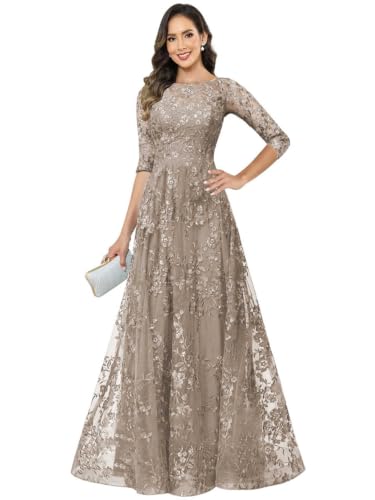

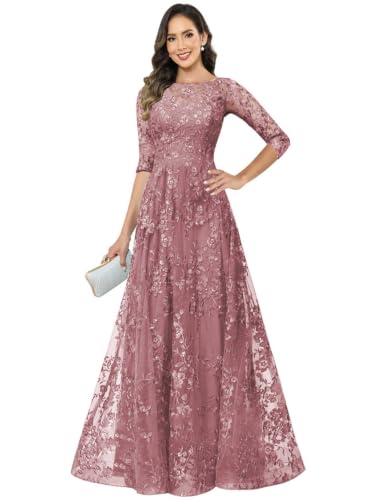
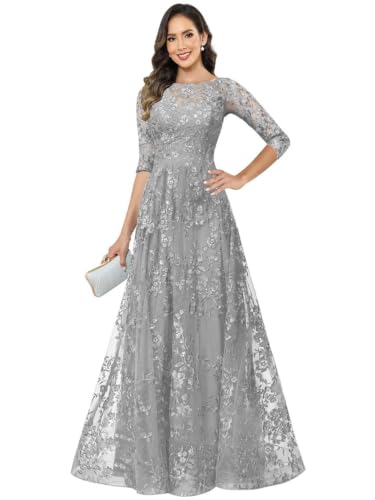
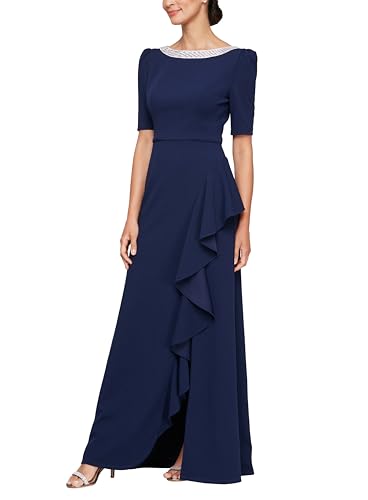


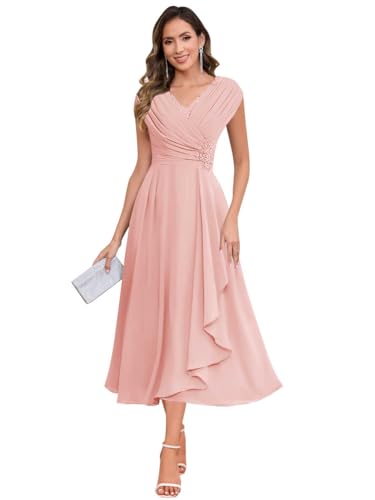


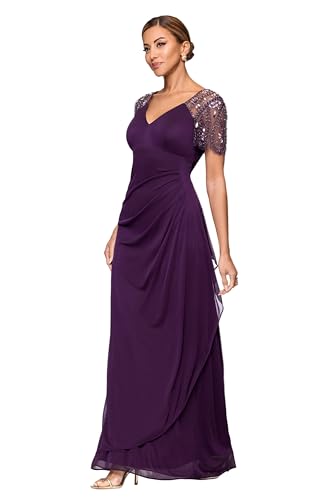




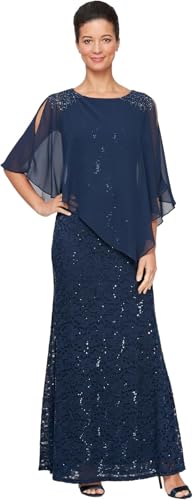
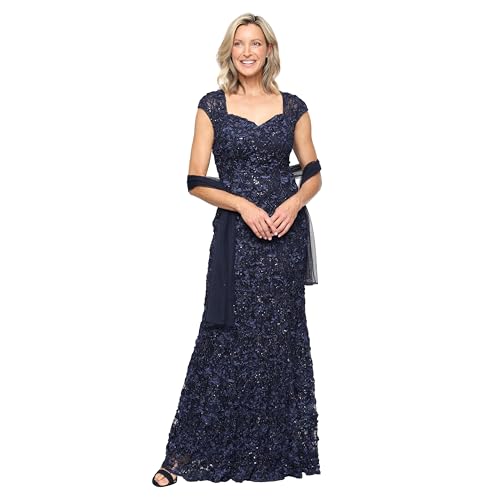


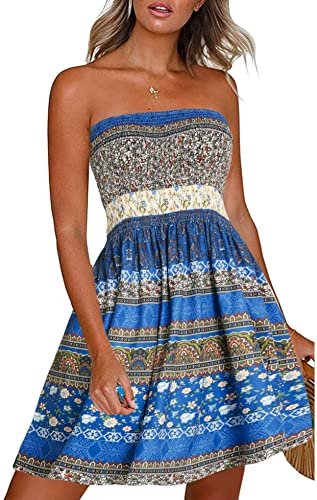

Frequently Asked Questions About Petite Dresses for Women
What does petite mean in women’s dresses?
Petite generally refers to shorter vertical proportions, but each brand defines its own petite cut and height guidance. It is not a statement about body shape or weight.
Is petite just a shorter hem?
No. True petite patterns may also shorten the bodice and sleeves and reposition the waist, darts, pockets, knee, slit, or flare.
Can plus-size women wear petite sizes?
Yes. Petite and plus describe different fit dimensions. Look for petite-plus or extended petite sizing when available.
Should a petite formal gown still be hemmed?
Often. Heel height and individual proportions vary, so even a petite floor-length gown may need final hemming.
How do I know if I need petite or regular?
Compare brand guidance, torso length, waist placement, shoulder fit, sleeve length, and garment length. Height alone is not the only factor.
Which petite styles are easiest to alter?
Simple hems and seams are easier than lace borders, sequins, horsehair, layered tulle, complex sleeves, or fitted mermaid seams.
What should I verify before ordering petite dresses online?
Confirm that the exact variation is petite-sized, then check the seller chart, garment length, fabric, model height, delivery, returns, and alteration time.
Petite Is About Proportion, Not Body Shape
Petite does not mean thin, narrow, young, or one body type. A shopper can be petite in height and wear straight, curvy, plus, or extended sizes depending on the brand. The defining issue is vertical proportion. If the waist seam sits too low, knee darts miss the knee, sleeves cover the hands, or a V-neck plunges farther than intended on a regular-size dress, a petite pattern may solve more than hemming can.
Use the brand’s height guidance and measurement chart. Some retailers offer petite sizes across only part of their range, while others produce dedicated petite gowns, cocktail dresses, work dresses, and wedding-guest styles.
What Changes in a True Petite Pattern
A well-developed petite pattern can shorten the bodice, adjust shoulder-to-bust length, raise the waist, shorten sleeves, reposition darts, move pockets, alter knee placement, and reduce overall hem length. On fitted dresses, these changes help seams follow the body correctly instead of collapsing or bunching vertically.
This is why cutting several inches from the bottom of a regular dress is not always equivalent. Hemming cannot move a low waist seam, shorten an overlong armhole, raise a mermaid flare, or reposition a slit that begins too low.
Petite Formal Gowns and Floor-Length Dresses
Formalwear is one of the strongest use cases for petite sizing because floor-length gowns combine bodice proportion with hem length. A petite gown may need less shortening and may place the waist, hip, slit, and flare more accurately. Still, heel height and individual proportions vary, so many formal gowns require final hemming even in petite sizes.
Choose shoes before alterations. Walk, turn, sit, climb a step, and test the train or full skirt. For heavily beaded or scalloped hems, selecting a closer petite length can reduce alteration complexity.
Petite Maxi and Midi Dresses
Maxi dresses can overwhelm shorter frames when the bodice is too long, not just when the skirt drags. Check where the waist seam, side slit, tier breaks, and pockets fall. Midi length is also proportion-sensitive: a hem intended for mid-calf can land near the ankle on a shorter wearer, changing the entire silhouette.
Petite maxis, wrap dresses, and A-lines often work well when the vertical pattern is scaled correctly. For adjustable straps or smocked bodices, there may be extra tolerance, but the skirt and waist position still need evaluation.
Petite vs Regular in the Same Numeric Size
A petite 8 or petite 12 is not simply a smaller regular 8 or 12. Circumference may be similar while vertical dimensions are shorter. That distinction matters when moving between the size 12 collection and petite inventory. If the product is offered in both regular and petite, compare the brand’s size chart and garment-length information rather than assuming the petite version is identical except for the hem.
For shoppers between petite and regular, torso length and waist placement can be more useful decision points than height alone.
Shoulders, Necklines, and Bust Placement
On regular dresses, petite shoppers may see shoulder seams that fall too wide, armholes that sit too low, and necklines that appear deeper than the design intended. Petite patterning can reduce those vertical and shoulder issues. For wrap, V-neck, halter, strapless, and one-shoulder dresses, correct torso proportion also improves coverage and support.
Test the neckline while sitting and raising the arms. If a dress needs constant fashion tape because the entire upper bodice is too long, the pattern may be the problem rather than the neckline style itself.
Sleeves and Jacket Dresses
Petite sleeves should place cuffs, elbow shaping, and decorative details more accurately. This matters for long-sleeve lace gowns, mother-of-the-occasion jacket dresses, cape sleeves, and formal sets where sleeve shortening can disturb trim or button placement. A petite jacket or bolero should also align the shoulder and waist with the matching dress.
If the sleeve contains beads, lace scallops, vents, or cuffs, choosing a petite proportion can avoid expensive reconstruction at the wrist.
Mermaid, Trumpet, and Fit-and-Flare Proportions
Fitted formal silhouettes depend on vertical landmarks. In a regular mermaid gown, the flare may start too low on a shorter wearer, reducing stride and making the skirt pool around the knee. Petite versions can raise that flare point and shorten the torso so the gown follows the intended line.
Check hip and knee ease as well as length. Shortening the hem cannot fix a flare seam that is several inches below the wearer’s knee.
Petite Plus and Extended Sizes
Petite and plus are separate dimensions: one describes vertical proportion and the other describes a size range or pattern block. Shoppers who need both should look for products specifically offered in petite plus or a petite extended range rather than assuming a regular plus-size gown can be corrected entirely through hemming.
When petite-plus inventory is limited, prioritize bodice and waist placement first. A tailor can usually shorten a plain hem more easily than reconstruct shoulders, armholes, or a misplaced waist seam.
Fabrics and Alteration Difficulty
Chiffon, satin, lace, tulle, sequins, velvet, and crepe all respond differently to petite alterations. Plain chiffon hems may be straightforward but layered skirts take time; satin shows stitch marks; lace borders may need to be removed and reapplied; sequins require clearing seam areas; horsehair hems need reconstruction.
For formal petite shoppers, the most alteration-friendly purchase is often the dress whose vertical proportions are already close before any tailoring begins.
Shopping by Occasion
Petite dresses can serve work, casual, wedding guest, cocktail, formal, prom, mother-of-the-occasion, vacation, and party needs. Do not choose a silhouette solely because generic petite advice says it “elongates” the body. Dress code, comfort, personal style, and correct proportion are more useful criteria.
For black-tie or formal needs, compare formal dresses and prioritize products offered in an actual petite size. For everyday use, check whether the petite cut also provides the pocket, sleeve, and hem placement needed for the activity.
Online Ordering and Model-Photo Limitations
Model photography is a poor substitute for garment measurements because models are often taller than petite shoppers and may wear sample sizes. Look for model height, selected size, shoulder-to-hem length, sleeve length, and customer reviews from shoppers with similar height and torso proportions. If the page says “petite friendly” but the variation menu offers only regular sizes, treat it as a regular product until proven otherwise.
Save seller details and return terms. Petite formal inventory can sell out quickly, so a return window is especially useful when testing a new brand.
How to Choose Petite Dresses With Fewer Alterations
Start with the brand’s petite designation and height guidance, then compare bust, waist, hip, shoulder, torso, sleeve, and garment length. Check where design landmarks fall: waist seam, pockets, slit, knee seam, flare point, and hem. Wear the intended shoes and underlayers when evaluating formal dresses.
The best petite dress is not simply shorter. It is proportioned so the upper bodice, waist, sleeves, skirt details, and hem work together on a shorter frame with minimal reconstruction.