
Halter Dresses
Halter dresses frame the shoulders by fastening or continuing around the neck while leaving more of the upper back and arm area visible. The category includes casual minis, beach maxis, fitted evening dresses, chiffon gowns, wedding-guest styles, and high-neck formal designs. Browse the products above to compare closure type, armhole depth, bust support, back coverage, fabric, and length. The guide below focuses on the engineering of the neckline because comfort depends on how the dress distributes weight. MotherBrideDress is an affiliate discovery website; the live seller controls price, availability, delivery, and returns.
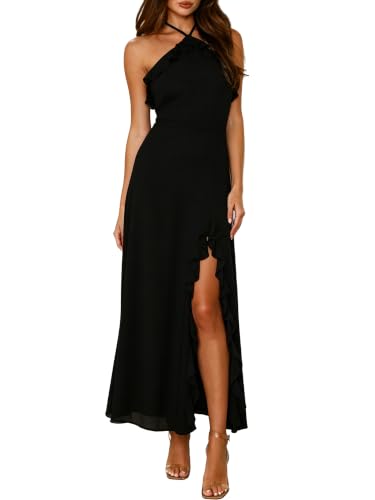
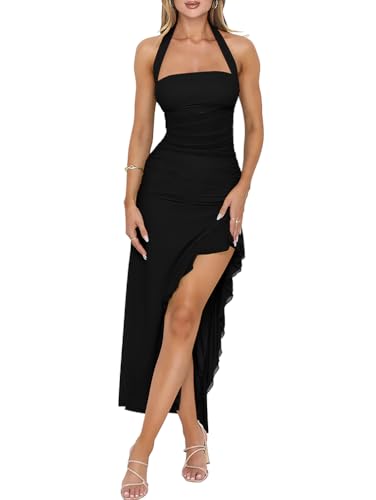
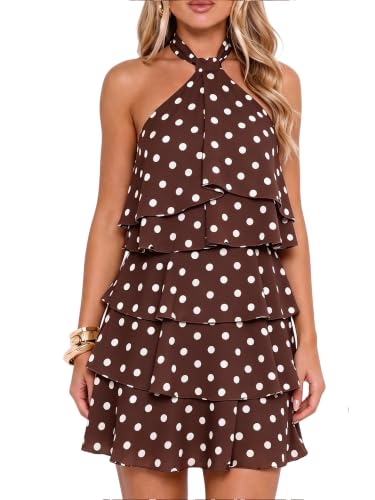
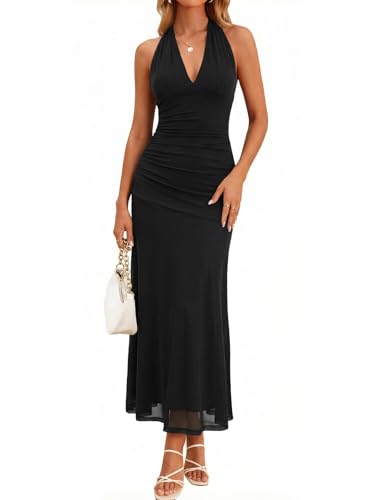
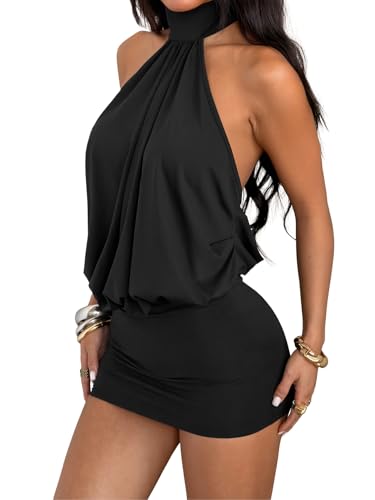



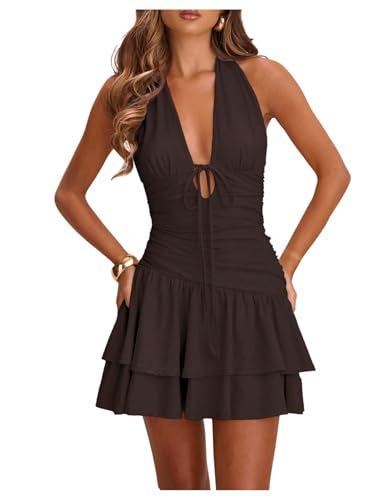


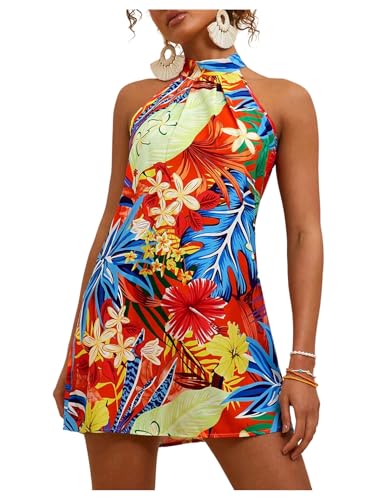




PLKF Black Long Bridesmaid Dresses for Wedding Satin Mermaid Halter Prom Dress with Slit Floor Length Black 04
Original price was: $47.99.$39.99Current price is: $39.99.


Bridesmaid Dresses with Slit High Neck Mermaid Prom Dress Black Long Satin Bodycon Evening Gown Size 16
Original price was: $49.99.$45.99Current price is: $45.99.


Clothfun Champagne Satin Bridesmaid Dresses for Wedding Halter Prom Dress Ruched High Neck Formal Evening Party Gown Champagne Size 8
Original price was: $68.99.$56.99Current price is: $56.99.

Frequently Asked Questions About Halter Dresses
What is a halter dress?
A halter dress fastens or continues around the neck and typically exposes more of the shoulders, arms, or upper back than a standard sleeveless neckline.
Can a halter dress support a fuller bust?
Yes, when the bodice has adequate structure, wider straps, cups, boning, a secure waist, or a suitable support solution. The word “halter” alone does not guarantee support.
What bra works with a halter neckline?
Options include a convertible halter bra, adhesive cups, tape, sewn-in cups, or a low-back support system. The correct choice depends on the back and side openings.
Why does a halter dress hurt my neck?
The dress may be too heavy, the straps may be narrow, or the bodice may be loose enough that the neck carries all the weight. Proper waist and bust support should reduce pressure.
Should I wear a necklace with a halter dress?
Usually the neckline already occupies that space. Earrings, bracelets, or rings often create a cleaner balance, although a very simple pendant may work with an open halter shape.
Are halter dresses appropriate for weddings?
They can be. Match the fabric, length, color, coverage, and formality to the invitation, venue, and ceremony setting.
How should I store a heavy halter gown?
Use internal hanger loops and support the skirt. Do not suspend the full weight from narrow neck straps for long periods.
Who controls the order and returns?
Amazon or the listed seller controls the transaction, price, inventory, shipping, and returns. MotherBrideDress is an affiliate discovery website.
How to Shop Halter Dresses with Confidence
A halter neckline directs the eye upward and inward toward the neck and shoulders. It may tie behind the neck, close with buttons or hooks, use a continuous high-neck band, or connect to straps that cross at the back. Some halters are secure and supportive; others place too much weight on the neck or expose the side of the bust. Shape, closure, fabric, and bodice structure determine the actual wearing experience.
Styles and Construction Details to Compare
Tie-neck halters
Adjustable ties allow some control over height and tension, but knots must stay secure and avoid creating pressure during long wear. Compare photographs from several angles and judge how the detail affects the entire garment rather than treating it as a decorative label.
High-neck halters
A continuous band or collar creates clean coverage at the front while emphasizing shoulders; check whether the neck opening is wide enough. Compare photographs from several angles and judge how the detail affects the entire garment rather than treating it as a decorative label.
Plunge halters
A deeper front creates drama and may use mesh, cups, or boning for control. Test coverage while sitting and leaning. Compare photographs from several angles and judge how the detail affects the entire garment rather than treating it as a decorative label.
Backless halters
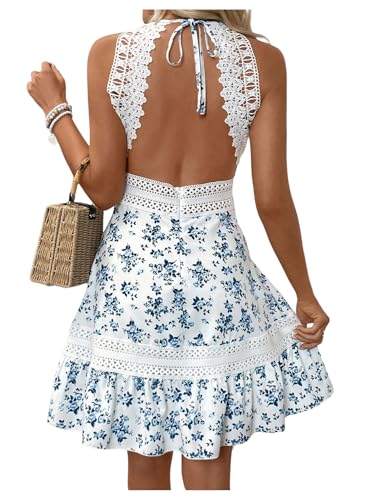
These depend heavily on front structure and strap tension. Confirm the back opening, side coverage, and compatible support solution. Compare photographs from several angles and judge how the detail affects the entire garment rather than treating it as a decorative label.
Halter maxis and gowns
Long skirts can add weight that pulls through the neckline, so the waist and bodice should carry part of the load. Compare photographs from several angles and judge how the detail affects the entire garment rather than treating it as a decorative label.
Measurements and Fit Priorities
Record current body measurements and compare them with the exact seller chart. The most relevant checkpoints for this category include neck circumference and closure range, shoulder-to-bust length, full bust and underbust, armhole depth and side-bust coverage, and waist, hip, and garment length. Choose the size for the least adjustable area and do not assume a familiar U.S. size number will transfer across brands. Garment measurements, fabric stretch, lining, and pattern placement can change the correct decision.
Try the dress with the undergarments and shoes planned for the event. Look at the front, side, and back, then sit for several minutes. Seam pulling, twisting, gaping, rising hems, and pressure marks reveal problems that a quick standing photograph can hide. A tailor can refine a workable fit, but tailoring should not be used to rescue a fundamentally incompatible size or pattern.
Fabric, Lining, and Surface Quality
Common material considerations include stretch jersey that can distribute tension; chiffon that feels light but needs a stable lining; satin that can slip at ties or show pulling; crepe with controlled drape; sequins that add weight to the neckline; lace or mesh that requires smooth finishing. Fiber names alone do not prove quality. Inspect opacity, lining, stretch recovery, seam finish, zipper insertion, hem treatment, and how the surface behaves in ordinary light. Customer photographs can reveal texture and thickness more honestly than highly edited studio images.
Check whether the outer fabric and lining stretch together. A flexible shell over a rigid lining can still restrict movement, while a thin lining may cling or ride upward. Embellishment adds weight and may change drape. Rub a small hidden area gently, when permitted, to understand shedding, snagging, or surface roughness before the event.
Movement and Real-World Comfort
Turn the head, look down, reach forward, raise the arms, and sit for several minutes. Neck pressure may develop gradually rather than during the first pose. Check whether armholes gape, the bodice rises, or side coverage changes with movement. A halter should remain stable without requiring the wearer to tighten the neck tie excessively.
Comfort should remain stable for the full wearing period, not merely the first few minutes. Pay attention to neck, shoulder, underarm, waist, thigh, and foot pressure. If the dress needs repeated pulling, tightening, or lifting during a home try-on, the inconvenience will usually become more obvious at a crowded event.
Color, Lighting, and Photography
The exposed shoulder area makes color and skin contrast particularly visible. Strong black, red, emerald, navy, white, or metallic shades can look graphic; softer florals and pastels create a lighter effect. Test sheer mesh, nude lining, and reflective fabrics under flash because the upper bodice is often photographed closely.
Photograph the dress near a window, under indoor light, and with phone flash. Review close portraits and full-length images. Reflective fabric, pale lining, sheer panels, and layered skirts can change more than expected. Make accessory decisions after seeing the actual garment rather than coordinating to the product-page screen image.
Match the Dress to the Occasion
A casual cotton or jersey halter can suit vacations and daytime events, while satin, chiffon, crepe, sequins, or a long skirt can move the neckline into cocktail or formal territory. Wedding guests should also consider ceremony setting and coverage. School events may restrict deep fronts, open backs, cutouts, or sheer side panels, so review rules before ordering.
Read the invitation, venue information, and any institutional rules. Formality is produced by the combination of silhouette, fabric, length, coverage, detail, and styling. One keyword in a product title cannot determine whether the dress is right for the actual event.
Accessories and Outfit Balance
Because the neckline already frames the neck, earrings or a bracelet usually work better than a heavy necklace. Hair worn up or away from the shoulders highlights the construction and can reduce friction on ties. Choose a bra, adhesive support, sewn-in cups, or alternate solution before the event; do not assume a standard bra will remain hidden.
Build the complete outfit during the return window. Test jewelry against the fabric for snagging, confirm the bag does not pull the dress, and walk in the shoes long enough to judge stability. A simpler accessory plan often produces a stronger result when the dress already has distinctive color, shape, texture, or movement.
How to Evaluate an Online Listing
Look for clear front, side, and back images. Product titles often use “halter,” “high neck,” and “cross neck” loosely. Confirm the closure, strap width, built-in support, lining, cup construction, and back height. Reviews that mention neck pain, gaping armholes, side exposure, or tie slippage are more useful than generic comments about appearance.
Confirm the selected variation before checkout: size, color, length, seller, delivery date, and return eligibility. Marketplace listings may combine several products or sellers under one page. Save screenshots of the chosen variation and terms when the event date makes accuracy important.
Alterations, Care, and Storage
Untie knots before storage, protect hooks from delicate fabric, and avoid hanging a heavy gown solely from the neck straps. Use internal hanger loops when provided. Follow the care label for satin, sequins, lace, and chiffon. Press ties flat at safe temperature and inspect stress points after wear, especially where straps join the bodice.
Ask a tailor before ordering when the design includes unusual seams, layered hems, heavy embellishment, structured cups, or delicate fabric. Some changes are straightforward; others cost more than the dress or alter its intended shape. Keep all packaging and tags until the fit and condition are approved.
Neck Closure Reliability
Buttons, hooks, snaps, ties, and hidden zippers each fail differently. A tie can loosen; a small button can be difficult to fasten; a rigid collar can feel tight after several hours. Inspect reinforcement and practice opening the dress without assistance when independent dressing matters.
Posture and Strap Tension
A halter can encourage the wearer to pull the shoulders forward when neck pressure develops. Correct fit should allow relaxed posture. If standing naturally causes gaping or requires constant tension, the bodice pattern or size is wrong rather than a posture problem to be endured.
Practical Try-On Sequence
Begin with a visual inspection before wearing the garment, then follow a consistent test rather than making a decision from the first mirror view. Confirm these category-specific points: Identify the exact neck closure; Measure neck, bust, underbust, and armhole depth; Choose the support solution before purchase; Test head and shoulder movement; Check side and back coverage; Assess garment weight on the neck; Plan jewelry and hairstyle around the neckline; Confirm seller returns. Complete the sequence during the return window and repeat it with the planned shoes, undergarments, accessories, and outer layer. A structured test makes comparison between several listings more reliable and prevents one attractive photograph from outweighing fit evidence.
After the movement test, keep the dress on long enough to notice gradual pressure, heat, slipping, static, scratchiness, or fabric weight. Take notes and photographs from multiple angles. When comparing two acceptable options, select the garment that requires fewer corrections and supports the real event schedule more naturally. Convenience, safety, and return flexibility are legitimate quality factors.
Common Shopping Mistakes
The main error is treating a halter as a visual neckline without evaluating how it supports the bust and skirt. Others include tying the neck too tightly to correct a loose bodice, ignoring side-bust coverage, and choosing a heavy gown with narrow straps. The right halter balances pressure across the waist, bodice, and neck.
Do not treat a high product count as proof that every listing belongs perfectly in the category. Marketplace taxonomy can be broad or inaccurate. Judge the individual product against the category intent, and skip listings that do not provide enough information to make a responsible decision.
Final Shopping Checklist
- Identify the exact neck closure.
- Measure neck, bust, underbust, and armhole depth.
- Choose the support solution before purchase.
- Test head and shoulder movement.
- Check side and back coverage.
- Assess garment weight on the neck.
- Plan jewelry and hairstyle around the neckline.
- Confirm seller returns.
Explore Related Dress Collections
Use these related MotherBrideDress pages to compare broader and narrower intents without forcing one category to answer every shopping question.
Affiliate shopping note: MotherBrideDress may earn a commission from qualifying purchases. Product names, prices, availability, shipping estimates, seller information, and return conditions can change. Always verify the selected size, color, current price, delivery date, and return policy on the live seller page before checkout.