
Sleeveless Dresses for Women
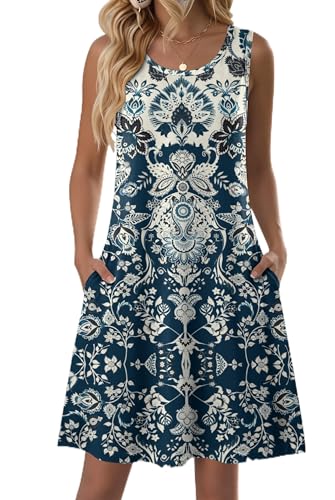
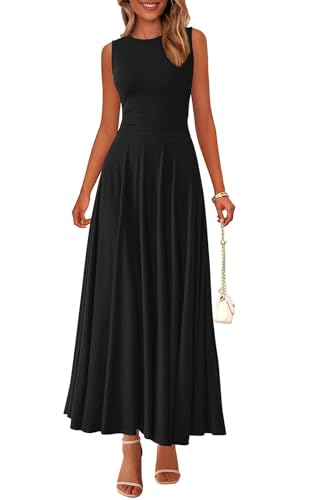
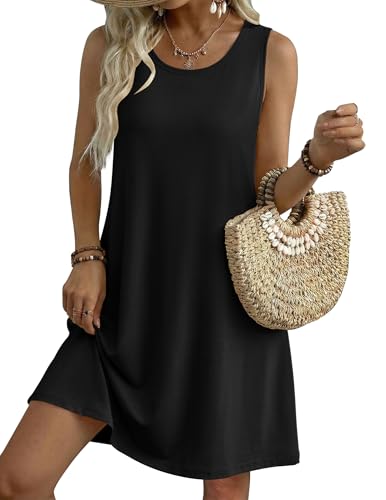
Just over half the listings here are explicitly sleeveless, and the collection leans everyday: around a third are described as casual, with evening, formal, cocktail and bridesmaid styles each accounting for a smaller share.Maxi is the largest length group at around a fifth, followed by long and midi. V-neck is the most common neckline. Bodycon cuts account for roughly one in seven. Plus size coverage is thin at around one listing in twenty.The labels appearing most often, including Zeagoo, MEROKEETY and AUSELILY, are contemporary everyday brands. For sleeveless formal wear specifically, see formal dresses.






Sleeveless Dresses: Frequently Asked Questions
What counts as sleeveless?
Several different cuts: tank and wide strap, spaghetti strap, shell and shift, halter, and racerback. Listings describe all of them as sleeveless, and the strap type determines what you can wear underneath.
What bra works with a sleeveless dress?
Wide straps and shell cuts usually work with a standard bra, sometimes with straps adjusted inward. Spaghetti straps, halters and racerbacks need a strapless, adhesive or convertible option, or a dress with built-in cups.
Which fit point matters most?
The armhole, because its edge sits directly against the body with nothing to disguise it. Too wide and it gapes; too tight and it digs in. Neither is easy to alter, since changing an armhole means reworking the shoulder line.
How do I know if the shoulder will fit?
On a shell or shift cut, the shoulder seam should sit at or just inside the bony point of your shoulder. If the listing gives a shoulder width measurement, compare it against a sleeveless top you already own and find comfortable.
Can I wear a long-sleeve top underneath?
Only if the armhole is cut generously enough to accommodate a sleeve. A close-cut armhole will pull. If you plan to layer this way regularly, choose a slightly wider armhole than you otherwise would.
Is this a casual or formal collection?
Mostly casual, at around a third of listings, with evening at roughly one in six and formal, cocktail and bridesmaid styles each at around one in eight. The labels here are contemporary everyday brands.
Are sleeveless dresses ever sheer?
Light colors in thin jersey commonly are, and it matters more here than in sleeved dresses because the same lightweight fabrics that keep a sleeveless dress cool are the ones most likely to be sheer. Check customer photographs taken in daylight.
Can I wear sleeveless to a wedding?
Yes, and it is the most comfortable formal option in heat. A shell cut reads more formal than a strappy one, and pairing it with a wrap handles a ceremony that expects coverage followed by a reception that does not.
Are plus sizes available?
Coverage is thin at around one listing in twenty, which is limited for a collection of this size. Petite listings are rarer still.
What Sleeveless Actually Covers
Sleeveless is a broader category than it sounds, and the differences change what undergarments work and how much shoulder is exposed.
Tank and wide strap. A shoulder strap of an inch or more, wide enough to conceal a bra strap. The most practical version and the most common in everyday collections.
Spaghetti strap. Narrow straps that will not cover a standard bra strap, so they need a strapless, adhesive or convertible option.
Shell and shift. No strap as such; the shoulder line is a continuation of the bodice, cut to sit at or just inside the shoulder point. This is the version most used in occasion wear.
Halter. Ties or fastens behind the neck, leaving the shoulders and upper back bare.
Racerback and cut-in. Straps that narrow toward the center of the back, which exposes more of the shoulder and requires specific undergarments.
Listings describe all of these as sleeveless. Where the strap type matters for what you can wear underneath, the photograph is more reliable than the description.
The Undergarment Decision
This is the practical constraint that decides whether a sleeveless dress gets worn or stays in the wardrobe.
Wide straps and shell cuts usually work with a standard bra, sometimes with the straps adjusted inward. Spaghetti straps, halters and racerbacks do not, and require either a strapless bra, an adhesive option, a convertible bra with the straps repositioned, or a dress with built-in cups.
Built-in support is worth filtering for if you would rather not buy a separate garment. Check whether the listing mentions cups, boning or a shelf bra, since sleeveless dresses vary considerably here and the detail is often buried in the description rather than stated in the title.
Shoulder and Armhole Fit
Sleeveless dresses have a fit point that sleeved ones do not: the armhole edge sits directly against the body with nothing to disguise it.
An armhole cut too wide gapes and exposes the side of the bra. An armhole cut too tight digs in at the underarm. Neither is comfortable and neither is straightforward to alter, because changing an armhole means reworking the whole shoulder line.
The shoulder point matters equally. On a shell or shift cut, the shoulder seam should sit at or just inside the bony point of your shoulder. Sitting outside it makes the whole dress look oversized regardless of how the rest fits.
If a listing gives a shoulder width measurement, compare it against a sleeveless top you already own and find comfortable. That single comparison predicts fit better than the size label.
Layering
The main practical advantage of a sleeveless dress is that it becomes several outfits depending on what goes over it.
A blazer converts a casual sleeveless dress into workwear. A cardigan or wrap makes an evening dress suitable for a daytime ceremony. A shirt worn open over a sleeveless midi is a current everyday combination. A fitted long-sleeve top underneath extends a summer dress into cold weather.
That last one has a condition: it works when the dress armhole is cut generously enough to accommodate a sleeve underneath. A close-cut armhole will pull.
If you intend to layer regularly, choose a dress with a slightly wider armhole than you would otherwise, and check that the neckline works both with and without the layer.
Occasion Range
Around a third of this collection is casual, which is the largest group. Evening styles account for roughly one in six, with formal, cocktail and bridesmaid styles each at around one in eight.
Everyday. Jersey and cotton in maxi and midi lengths. The bulk of what is here.
Work. A shell or shift cut in a stable fabric, worn under a blazer or cardigan. Check the armhole is not cut so wide that it gapes when you lean forward.
Weddings as a guest. Around one in eight listings is described in bridesmaid or formal terms. A sleeveless dress with a wrap is a practical choice for a ceremony that expects coverage followed by a reception that does not.
Warm-weather formal. Sleeveless is the most comfortable formal option in heat, and a shell cut reads more formal than a strappy one.
Fabric and Opacity
Chiffon and lace each appear in around one dress in twelve, mostly in the occasion portion. The everyday portion is largely jersey, cotton blends and woven synthetics.
Opacity deserves specific attention in sleeveless dresses, more than in sleeved ones, because the same lightweight fabrics that make a sleeveless dress comfortable in heat are the ones most likely to be sheer. Light colors in thin jersey are the common problem. Customer photographs taken in daylight show this far more reliably than studio images.
Sizing
Plus size coverage here is thin at around one listing in twenty, which is limited for a collection of this size. Petite listings are rarer still.
Take bust, waist, hip and shoulder width. Shoulder width is the measurement most often skipped and the one that determines whether the armhole sits correctly. Sizing varies between the contemporary labels on this page, several of which run smaller than US equivalents, so read each listing's chart rather than carrying a size across. Our US size chart covers conversions.
Related Collections
For sleeved alternatives, see three-quarter sleeve dresses. For everyday styles in other cuts, browse maxi dresses. For occasion wear, see formal dresses.