
Royal Queen Dresses
The world of royal fashion has always captivated the public’s imagination, with royal queen dresses standing out as iconic symbols of elegance, power, and history. From the regal attire of medieval queens to the modern interpretations seen in today’s royal gatherings, these dresses have evolved dramatically over the centuries. In this article, we’ll explore the fascinating journey of royal queen dresses, highlighting key changes and the cultural influences that have shaped them.


GRACE KARIN Womens Summer Square Neck Simple Cute Casual Sleeveless Dress Royal Blue L
Original price was: $49.99.$32.99Current price is: $32.99.


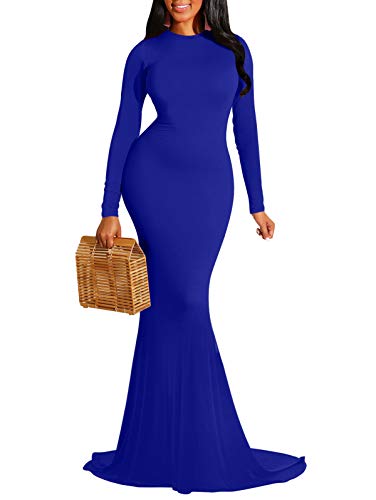
LAGSHIAN Women Elegant Long Sleeve Evening Gown Backless Maxi Mermaid Dress Royal Blue
Original price was: $49.99.$19.99Current price is: $19.99.
BEAGIMEG Women’s Sexy Ruched Sleeveless Asymmetrical Ruffles Elegant Cocktail Evening Party Maxi Dress RoyalBlue
Original price was: $39.99.$36.99Current price is: $36.99.


BEAGIMEG Women’s Sexy Tank Top Bodycon Ruched Sleeveless Basic Midi Party Dress Royal Blue
Original price was: $29.99.$27.99Current price is: $27.99.


Medieval Royal Fashion: Grandeur and Symbolism
The medieval period marked the beginning of distinct royal fashion, with queenly attire often reflecting the status and wealth of the wearer. Rich fabrics such as silk, velvet, and brocade were favored, often adorned with intricate embroidery and precious jewels. The emphasis was on grandeur and opulence, with long trains and voluminous skirts being common features.
During this era, European monarchies heavily influenced each other's fashion. Royal queen dresses often featured high necklines, long sleeves, and elaborate headpieces. The designs were meant to convey authority and divine right, with patterns and materials that showcased the finest craftsmanship available at the time.
Every element of a queen's attire had symbolic significance. Colors like purple and gold were associated with royalty and wealth, while embroidery often depicted religious or heraldic motifs. This era set the stage for the evolving symbolism in royal fashion that continues to this day.
Renaissance Influence: Art, Structure, and Detail
With the Renaissance came a renewed focus on art and culture, which significantly impacted royal fashion. Queen dresses of this time were characterized by more natural silhouettes and an increased emphasis on decorative detail. The use of lace, pearls, and intricate beading became more prominent, reflecting the broader artistic trends of the period.
Italian and French courts became trendsetters in Renaissance fashion. The introduction of corsets and structured bodices provided a new shape to royal dresses, emphasizing a narrow waist and fuller skirts. This shift not only highlighted the wearer's status but also underscored the growing importance of individual style within the confines of royal protocol.
Baroque and Rococo: The Peak of Extravagance
The Baroque and Rococo periods saw the pinnacle of extravagance in royal queen attire. Dresses became even more elaborate, with the use of luxurious fabrics and exaggerated silhouettes. The introduction of the hoop skirt allowed for even larger dress shapes, embodying the grandeur of the era.
Ornamentation reached new heights, with dresses adorned with ribbons, lace, and embroidery. The use of pastel colors and floral patterns became popular, reflecting the lighter, more whimsical aesthetic of the Rococo period. These elements were not just for show; they represented the opulence and power of the monarchy.
Victorian Era: Modesty, Innovation, and Bridal Influence
The Victorian era introduced a shift towards modesty and restraint in royal fashion. Queen Victoria herself set the tone with her preference for simpler, more conservative attire. However, this period also saw significant innovation in dressmaking techniques, such as the introduction of the sewing machine, which allowed for more complex designs and faster production.
Queen Victoria's choice to wear a white dress for her wedding set a new standard for bridal fashion and influenced royal attire more broadly. White became a symbol of purity and elegance, a trend that has persisted in royal fashion to this day.
The 20th Century: Modernization and Global Influence
The 20th century brought about significant changes in royal fashion, with dresses reflecting broader societal shifts. The influence of Hollywood, the democratization of fashion, and the rise of global trade introduced new styles and fabrics to royal wardrobes.
World Events and Royal Style Shifts
World events, such as the two World Wars, had a profound impact on royal fashion. During these times, there was a move towards more practical and understated attire, reflecting the austerity of the era. However, the post-war period saw a resurgence of glamour and elegance in royal fashion, epitomized by figures like Queen Elizabeth II and Princess Grace of Monaco.
A Global Wardrobe: Cross-Cultural Fashion in Royal Circles
As communication and travel improved, royal fashion began to incorporate influences from around the world. This global perspective is evident in the diverse styles and fabrics seen in modern royal wardrobes, from traditional African prints to Asian silks.
Contemporary Royal Fashion: Tradition Meets Innovation
Today, royal queen dresses continue to evolve, blending traditional elements with modern fashion trends. Designers now have the challenge of respecting royal protocol while also creating innovative and stylish attire.
Designer Collaborations: Modern Craftsmanship and Royal Protocol
Modern royal fashion often involves collaborations with leading designers, who bring their unique perspectives to the creation of royal attire. These collaborations result in dresses that are both fashionable and respectful of royal traditions.
Sustainability in Royal Fashion: Ethical and Eco-Conscious Choices
In recent years, there has been a growing emphasis on sustainability and ethical fashion within royal circles. Many royals are now choosing to wear vintage or recycled materials, reflecting broader societal concerns about the environmental impact of fashion.
Conclusion: A Timeless Legacy of Royal Style
The evolution of royal queen dresses is a testament to the enduring appeal of royal fashion. As we look to the future, it is clear that while styles may change, the fascination with royal attire will continue. These dresses are not just garments; they are symbols of history, culture, and the timeless allure of royalty.
In exploring the rich history of royal queen dresses, we gain insight into the broader narrative of fashion and its power to reflect societal values and aspirations. Whether adorned with jewels or crafted from recycled materials, royal queen dresses will always captivate our imaginations and inspire future generations.